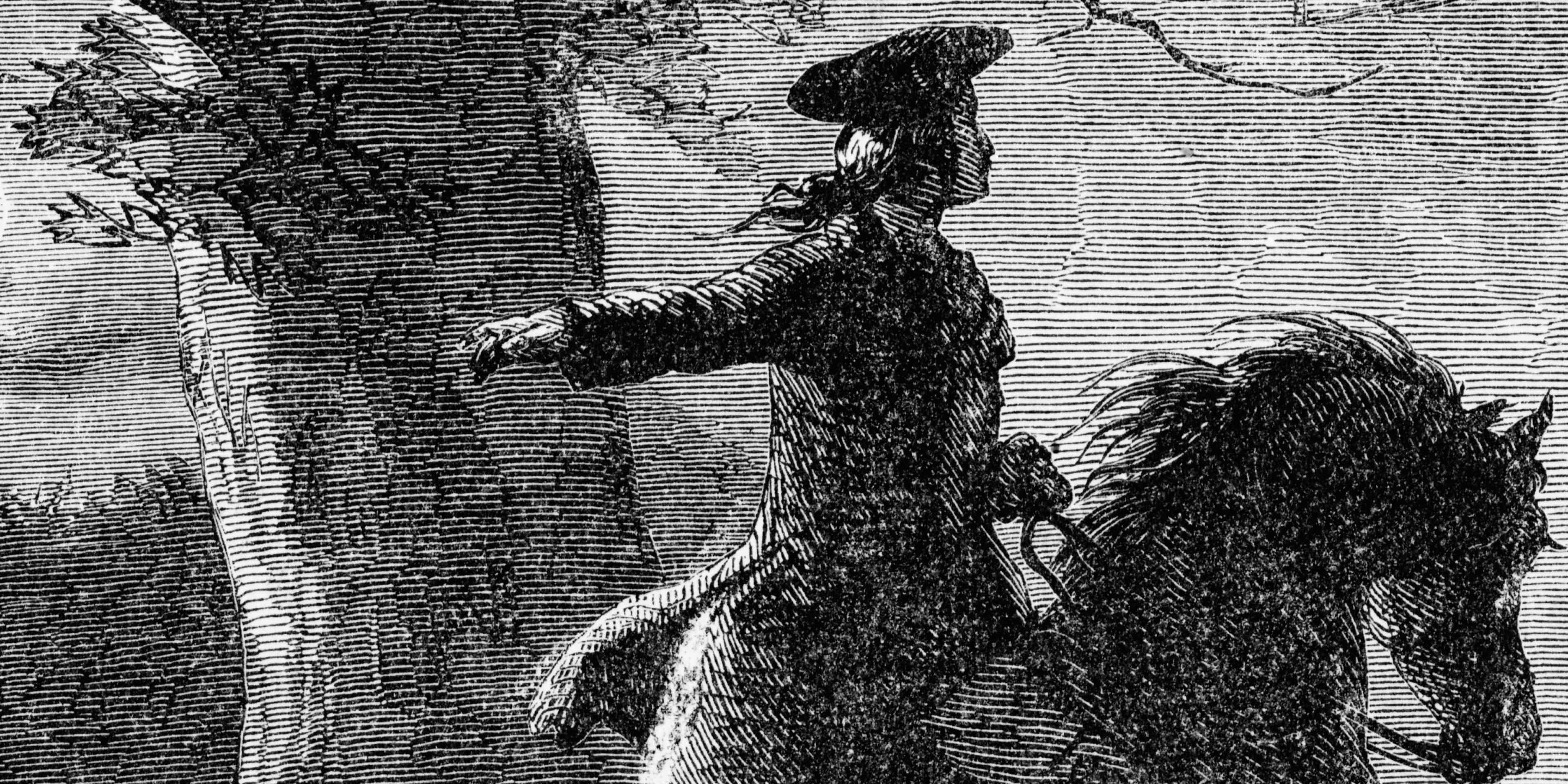
On a humid night in June 1781, as the fires of the American Revolutionary War threatened to consume the young, fragile coalition of colonies, one man’s frantic midnight ride prevented a catastrophic blow to the American cause. While history books have immortalized the legendary ride of Massachusetts silversmith Paul Revere, the courageous exploits of Virginia militia captain John “Jack” Jouett remain tragically unsung. Traversing forty miles of rugged, untamed wilderness in the pitch-black cover of night, Jouett successfully warned Governor Thomas Jefferson and several key American legislators of an impending British capture. Without his heroic intervention, the intellectual and political leadership of the American Revolution could have been systematically dismantled in a single morning, forever altering the trajectory of global history. This is the definitive saga of Jack Jouett, the true Paul Revere of the South, whose split-second decision in a roadside tavern saved the American experiment.
Historical Background and Context
The year 1781 was a period of severe desperation for the American patriots. The Southern Campaign of the Revolutionary War had intensified, with British forces marching ruthlessly across Virginia. The notorious General Charles Cornwallis sought to cripple the rebellion by dismantling its political engine. Having been forced to abandon their capital in Richmond due to a brutal raid led by the infamous turncoat Benedict Arnold, the Virginia General Assembly relocated westward to the small town of Charlottesville. Among the assemblymen gathered there were heavyweights of the revolution, including Patrick Henry, Richard Henry Lee, Benjamin Harrison, and the Governor of Virginia himself, Thomas Jefferson. At this critical juncture, the Virginia’s General Assembly, which had evolved from the historic House of Burgesses, represented the core democratic spirit of the rebelling colonies. Its capture would have dealt a crippling blow to the state’s governance and devastated American morale nationwide.
The Catalyst: Tarleton’s Deadly Mission
Knowing the vulnerability of the Virginia lawmakers, British leadership orchestrated a lightning raid. Lieutenant Colonel Banastre Tarleton—a feared, ruthless commander known for his speed and brutal tactics—was dispatched with 250 highly disciplined cavalrymen. Tarleton’s objective was simple: execute a rapid, surprise strike on Charlottesville, capture Governor Thomas Jefferson at his mountaintop estate of Monticello, and seize the fleeing assembly members. This tactical coup would have effectively decapitated the leadership of Virginia, the largest and wealthiest of the rebelling colonies. The stakes were incredibly high; Tarleton was notorious for his merciless battlefield conduct, earning him the nicknames “Bloody Ban” and “The Butcher.” Had he succeeded in capturing the author of the Declaration of Independence and the fiery orator Patrick Henry, the British would have possessed invaluable bargaining chips and delivered a psychological death blow to the revolutionary spirit.
The Encounter at the Cuckoo Tavern
On the evening of June 3, 1781, Jack Jouett, a 26-year-old captain in the Virginia militia, was resting at the Cuckoo Tavern in Louisa County, Virginia. To understand what he experienced, one must look at colonial-era inns and taverns, which served as vital hubs of communication, political discourse, and localized intelligence during the war. Suddenly, the quiet evening was shattered by the thunderous approach of British cavalry. Peering through the shadows, Jouett spotted Tarleton’s “British Legion” dressed in their distinctive white uniforms. Recognizing the formidable force and knowing the local geography, Jouett instantly deduced their destination: Charlottesville, just forty miles to the west. With the local defenses virtually nonexistent, Jouett realized that if no one warned the legislature, the American leadership would fall. Without hesitation, he slipped out of the tavern, saddled his horse, and embarked on a journey that would define his legacy.
The Treacherous Forty-Mile Ride
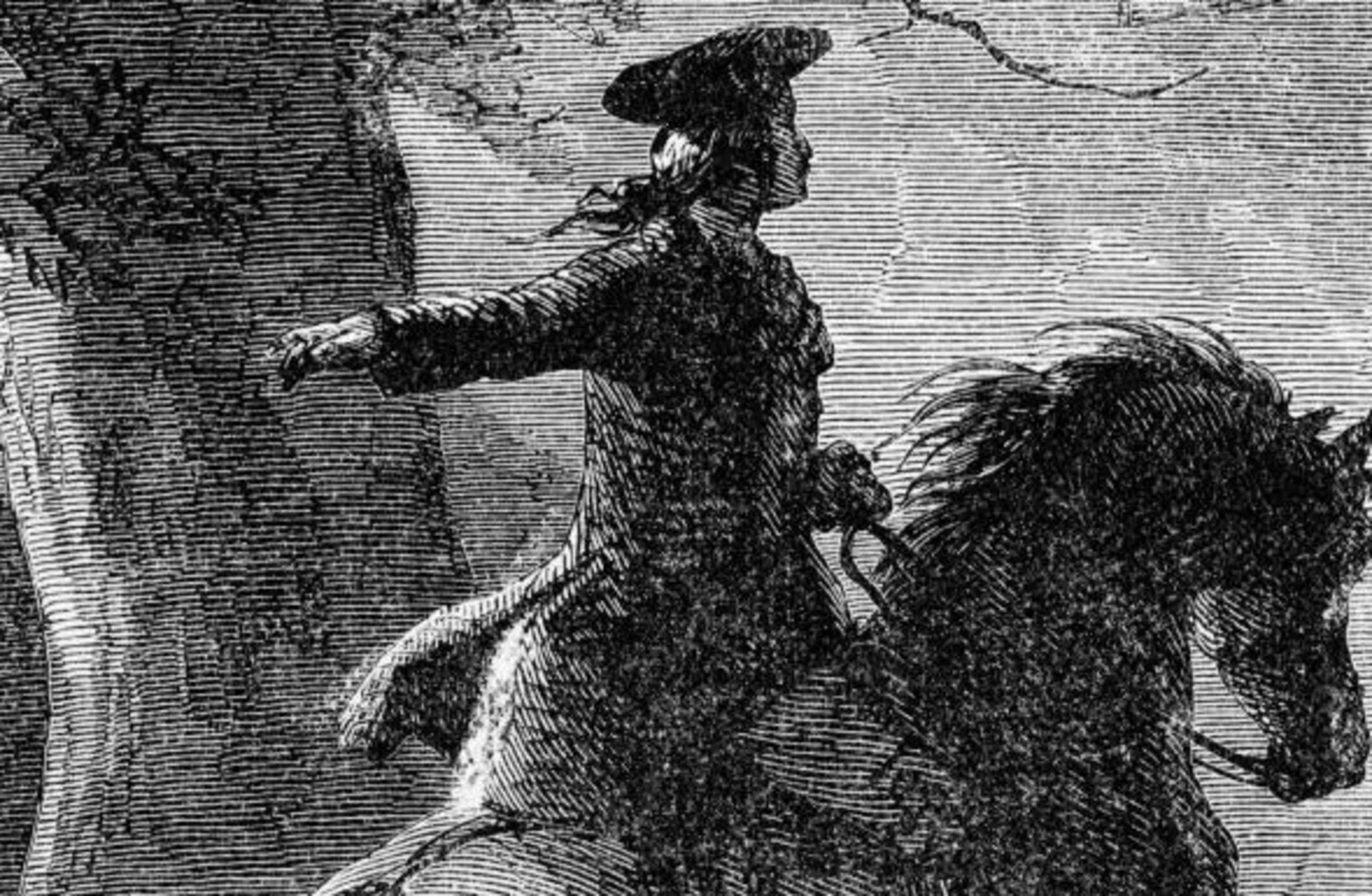
Understanding that Tarleton’s forces would take the primary, well-maintained highway, Jouett made a daring decision. He would take the old “mountain road”—an abandoned, overgrown trail choked with thick brush, tangled briars, and jagged rocks. Setting off on his thoroughbred horse around 10:00 PM, Jouett navigated the pitch-black wilderness by the faint light of a late spring moon. Over the course of several agonizing hours, tree branches whipped his face, leaving deep, permanent scars, while his horse stumbled through treacherous ravines. Despite the physical torment and the constant threat of capture or injury, Jouett pressed onward. His physical stamina was pushed to its absolute limit as he covered forty miles in just over six hours—more than double the distance of Paul Revere’s celebrated ride.
The Warning and Escape
At approximately 4:30 AM on June 4, a mud-splattered and bleeding Jouett rode up the mountain to Monticello. He hastily awoke Thomas Jefferson, who calmly thanked the exhausted rider. Jefferson ordered a glass of Madeira wine for Jouett before the young captain rode onward to Charlottesville to alert the members of the General Assembly. While Jefferson composedly gathered his state papers and secured his family, Jouett spread the alarm to the lawmakers in town. Thanks to his timely warnings, the vast majority of the assemblymen, including Patrick Henry, successfully fled. When Tarleton’s vanguard finally arrived at Monticello, they missed Jefferson by mere minutes. While a small number of legislators were captured, the essential leadership of Virginia escaped intact, allowing the government to function during this critical phase of the war. This period of the war was marked by extreme stakes, where the struggle for continental command hung in a delicate balance, much like the early days of the war when leaders debated who commanded the Continental Army before Washington took charge.
Chronological Timeline of the Raid
- June 3, 1781 (Late Evening): Jack Jouett spots Lt. Col. Banastre Tarleton’s cavalry at the Cuckoo Tavern.
- June 3, 1781 (10:00 PM): Jouett begins his treacherous 40-mile ride along the overgrown mountain road.
- June 4, 1781 (4:30 AM): Jouett arrives at Monticello, warning Governor Thomas Jefferson.
- June 4, 1781 (5:00 AM): Jouett reaches Charlottesville to warn the Virginia General Assembly.
- June 4, 1781 (Mid-morning): British forces arrive at Monticello and Charlottesville, finding the primary targets gone.
Key Figures Involved
Jack Jouett
The brave Virginia militia captain whose physical endurance and quick thinking saved the Virginia legislature. He later moved to Kentucky and served as a prominent politician.
Thomas Jefferson
The Governor of Virginia and author of the Declaration of Independence, whose capture would have been a massive propaganda victory for the British.
Banastre Tarleton
The brilliant but ruthless British officer whose plan for a lightning raid was thwarted by Jouett’s ride.
Lesser-Known Facts About Jack Jouett
- A Giant of a Man: Unlike the modest frame of many colonists, Jack Jouett was an imposing figure, standing six feet four inches tall and weighing over 220 pounds. He was known locally as a “gentle giant.”
- The Scar of Honor: The severe lacerations Jouett received from pine branches and briars during his night ride remained visible on his face for the rest of his life, serving as a permanent badge of his heroism.
- A Delayed Reward: To honor his bravery, the Virginia General Assembly presented Jouett with an elegant sword and a pair of pistols in 1783, though the actual physical delivery of these items was delayed for several years.
Why It Still Matters Today
The legacy of Jack Jouett reminds us of the delicate contingencies upon which historical outcomes rest. Had Jouett failed, the author of the Declaration of Independence would have been captured, tried for treason, and potentially executed by the British Crown. The course of American democracy, the presidency of Thomas Jefferson, and the very structure of the United States would have been fundamentally altered. Jouett’s story highlights the unsung heroes of the American Revolution whose individual courage, rather than collective military might, secured the liberties we enjoy today.
People Also Ask
Why is Jack Jouett called the “Paul Revere of the South”?
Because, like Revere, he made a daring midnight ride to warn American leaders of approaching British troops. However, Jouett’s ride was longer, more treacherous, and arguably saved more prominent founding fathers.
How far did Jack Jouett ride?
Jouett rode approximately forty miles through a rough, overgrown wilderness trail, compared to Paul Revere’s ride of about twelve to fifteen miles on established roads.
Did Thomas Jefferson escape Tarleton’s raid?
Yes, thanks to Jouett’s early morning warning, Jefferson was able to safely evacuate his family and secure his important state documents before British forces occupied Monticello.
Conclusion
Jack Jouett’s legendary ride remains one of the most pivotal yet underappreciated events of the American Revolutionary War. Through physical grit and unyielding patriotism, he preserved the minds that shaped a new nation. By remembering Jouett, we honor the quiet sacrifices of those who stood in the shadows of history but whose actions echoed through the centuries, ensuring that the promise of American liberty could endure.


