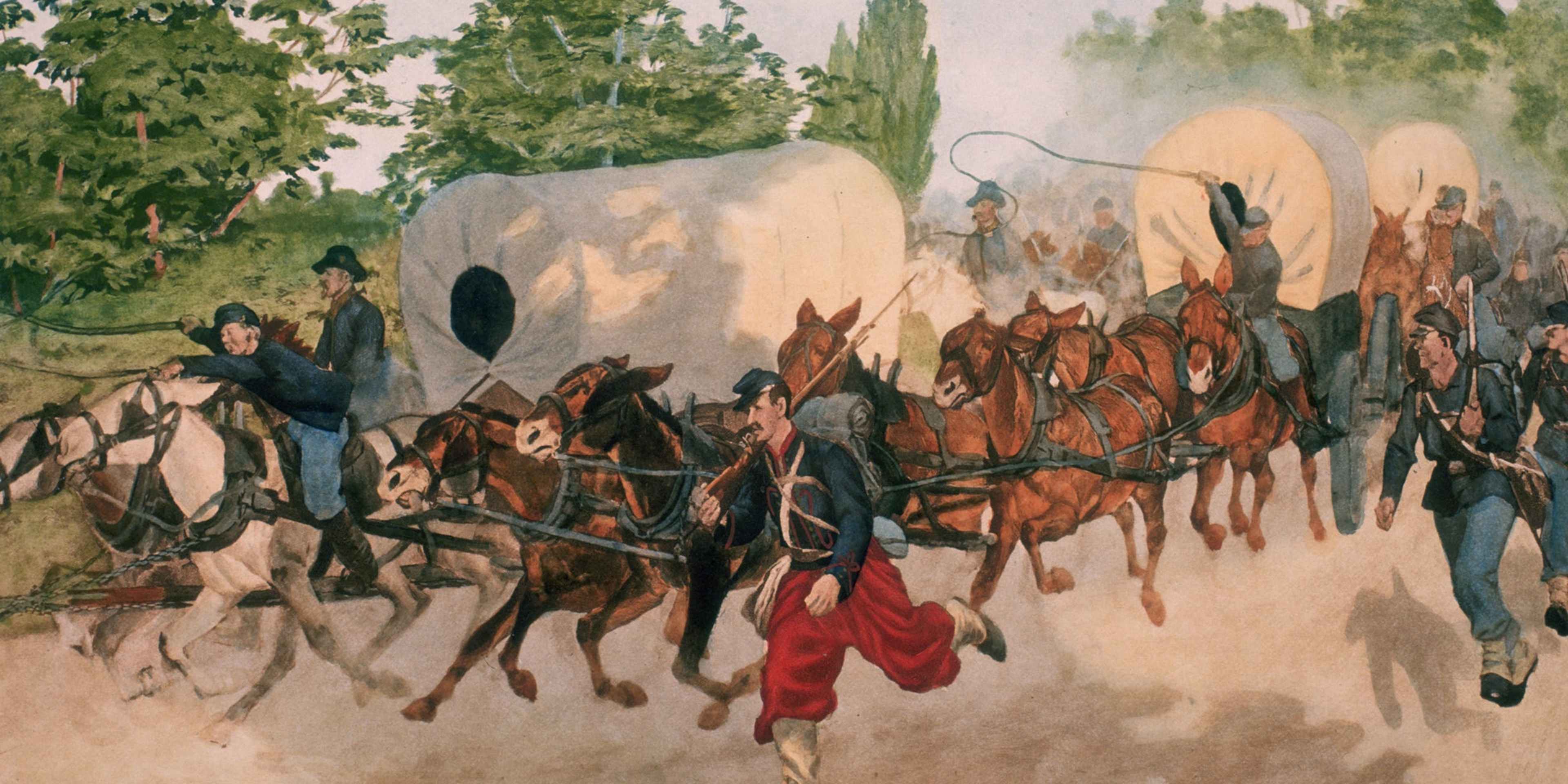
The sultry summer morning of July 21, 1861, shattered any lingering illusions that the American Civil War would be a brief, bloodless affair. Known in the North as the First Battle of Bull Run and in the South as the Battle of First Manassas, this epochal confrontation near Manassas Junction, Virginia, pitted amateur armies against each other in a chaotic test of wills. It was here, amidst the stifling heat and billowing gun smoke, that thirty-five thousand ambitious but largely untrained Union troops clashed with a determined Confederate force of twenty thousand. What was anticipated by spectators and politicians alike as a swift federal triumph quickly dissolved into a grueling and tragic ordeal, sending shocked union forces into a panicked retreat toward Washington, D.C. This pivotal engagement served as the ultimate wake-up call for a divided nation, demonstrating with stark and terrifying clarity that a long, agonizing, and incredibly costly war lay ahead.
Historical Background and the Spark of War
Following the secession of Southern states and the bombardment of Fort Sumter in April 1861, war fever swept across both sides of the Mason-Dixon line. In contrast to the structured, smaller-scale engagements of the Revolutionary War timeline, this developing conflict was fueled by intense political pressure from the Northern press and public, demanding an immediate march “On to Richmond” to suppress the rebellion. President Abraham Lincoln, hoping to put an end to the secession within the initial ninety-day enlistment window of his volunteers, ordered Brigadier General Irvin McDowell to launch a decisive offensive. The target was General P.G.T. Beauregard’s Confederate army, positioned strategically near the vital railway hub of Manassas Junction—just twenty-five miles southwest of the Federal capital. Both sides were composed of green recruits who had never experienced the harrowing realities of a true battlefield.
The Road to Manassas: A Chronological Timeline of the Conflict
To understand the chaos of that July day, we must look at the sequence of events that led the two green armies to clash along the banks of Bull Run:
- July 16, 1861: McDowell’s army of thirty-five thousand volunteers begins its slow, arduous march out of Washington. The troops, burdened by heavy gear and lacking discipline, frequently stop to pick blackberries or rest in the shade, delaying their advance.
- July 17–18, 1861: Union forces skirmish with Confederates at Blackburn’s Ford. The minor setback convinces McDowell to seek an alternative route across the meandering Bull Run creek, granting the Confederates precious time to prepare.
- July 19–20, 1861: Utilizing the Manassas Gap Railroad—marking the first tactical military use of railroads in history—General Joseph E. Johnston slips away from Union forces in the Shenandoah Valley to reinforce Beauregard.
- July 21, 1861 (Morning): McDowell launches a surprise flanking maneuver, crossing the stream at Sudley Ford. Union troops successfully push back Confederate defenders on Matthews Hill, initiating what many prematurely celebrated as a federal victory.
- July 21, 1861 (Afternoon): The fighting intensifies around Henry House Hill, where waves of attacks and counterattacks devastate both sides in the sweltering heat.
- July 21, 1861 (4:00 PM): The arrival of final Confederate reinforcements and the terrifying “rebel yell” breaks the Union line, precipitating a widespread, panicked retreat.
Key Figures on the Battlefield
The First Battle of Bull Run brought together a cast of historical figures whose actions during this single day would shape their legacies for generations:
Brigadier General Irvin McDowell (Union): A capable military administrator who was deeply aware that his troops were ill-prepared for battle. McDowell famously pushed for a postponement of the advance to allow for additional training, but was overruled by President Lincoln, who reasoned that the Confederate forces were equally amateur.
Brigadier General P.G.T. Beauregard (Confederacy): The celebrated hero of Fort Sumter, Beauregard organized the southern defense along the Bull Run river. He relied on an intricate espionage network in Washington to stay informed of Union movements.
General Joseph E. Johnston (Confederacy): Commanding some eleven thousand rebels in the Shenandoah Valley, Johnston brilliantly outmaneuvered Union forces in his region to transport his men to Manassas by train, balancing the numerical scale of the battle.
Thomas J. “Stonewall” Jackson (Confederacy): A former Virginia Military Institute professor whose stubborn defense of Henry House Hill earned him his legendary moniker and served as the turning point of the entire engagement.
Turning Points: How the Tide Turned at Henry House Hill
The morning attack by the Union army seemed triumphant, forcing the rebel forces back across the Warrenton Turnpike. However, the stubborn resistance of Thomas Jackson’s brigade changed the course of history. As other Confederate units fell back in panic, General Barnard Bee famously rallied his men by pointing out Jackson, who stood “like a stone wall”. The psychological impact of Jackson’s stance, coupled with the timely arrival of fresh Confederate troops straight off the trains, completely turned the tide. While military history showcases many brilliant military retreats executed with tactical precision, the Union’s flight back to Washington was a disorganized, panic-fueled catastrophe, made worse by civilian onlookers who blocked the escape routes.
Lesser-Known Historical Anecdotes
History is often defined by its unexpected human stories, and the Battle of First Manassas is filled with fascinating details that highlight the surreal nature of early Civil War battles:
The “Picnic Battle”: Confident of a swift and glorious Union victory, hundreds of wealthy Washington socialites, senators, and journalists rode out with picnic baskets to watch the battle from the nearby hills, only to be swept up in the terrifying, chaotic retreat of the defeated Union army.
The First Civilian Casualty: Eighty-five-year-old Judith Carter Henry, a widowed invalid who refused to leave her home on Henry House Hill, was killed when Union artillery shelled her house, marking the tragic, intimate cost of the battle.
A Spy in High Society: Rose O’Neal Greenhow, a prominent Confederate spy living in Washington, D.C., managed to send crucial intelligence about McDowell’s troop movements directly to Beauregard using a coded message hidden in a courier’s hair, allowing the Confederates to prepare.
Long-Term Impact on the American Nation
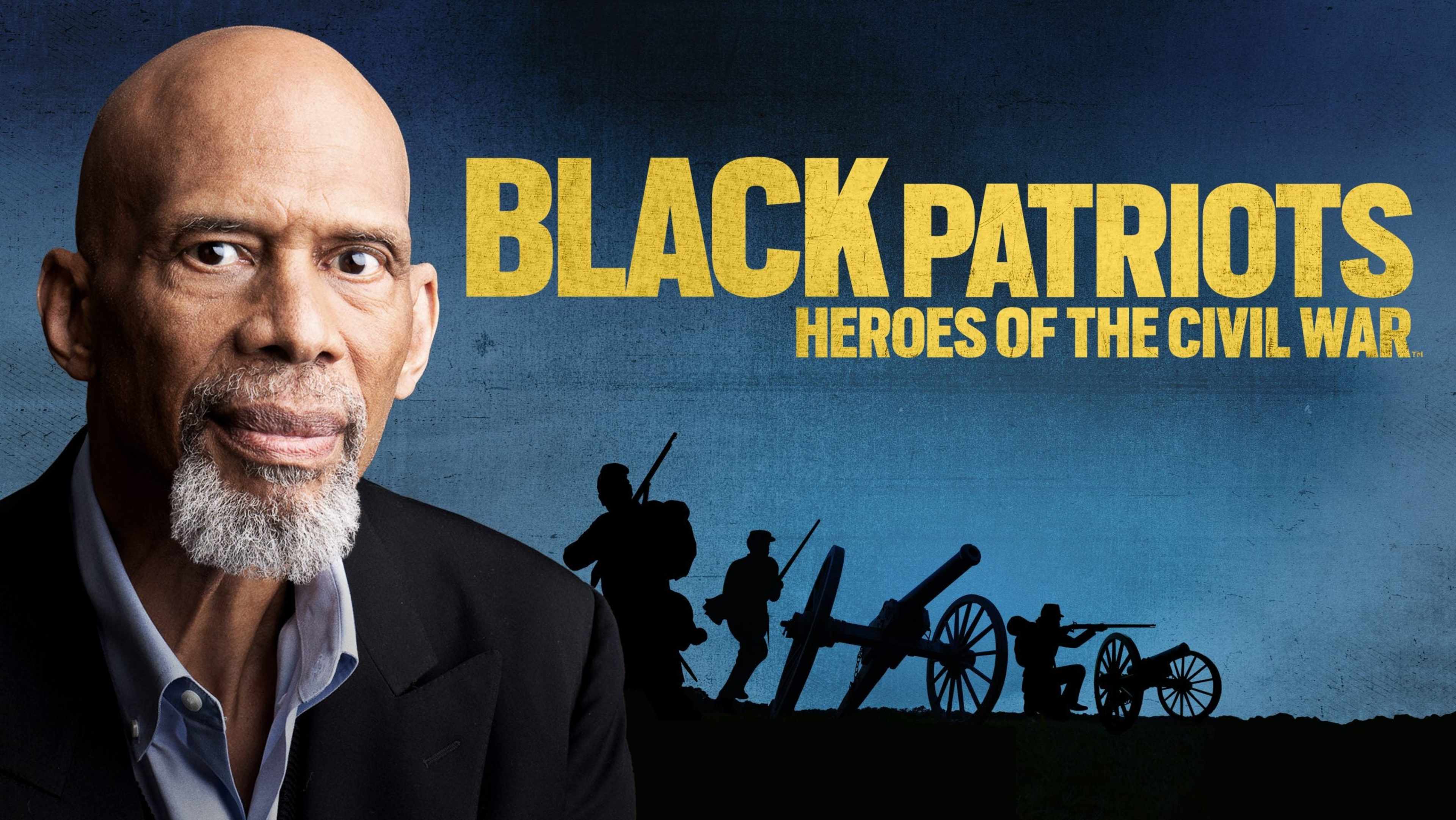
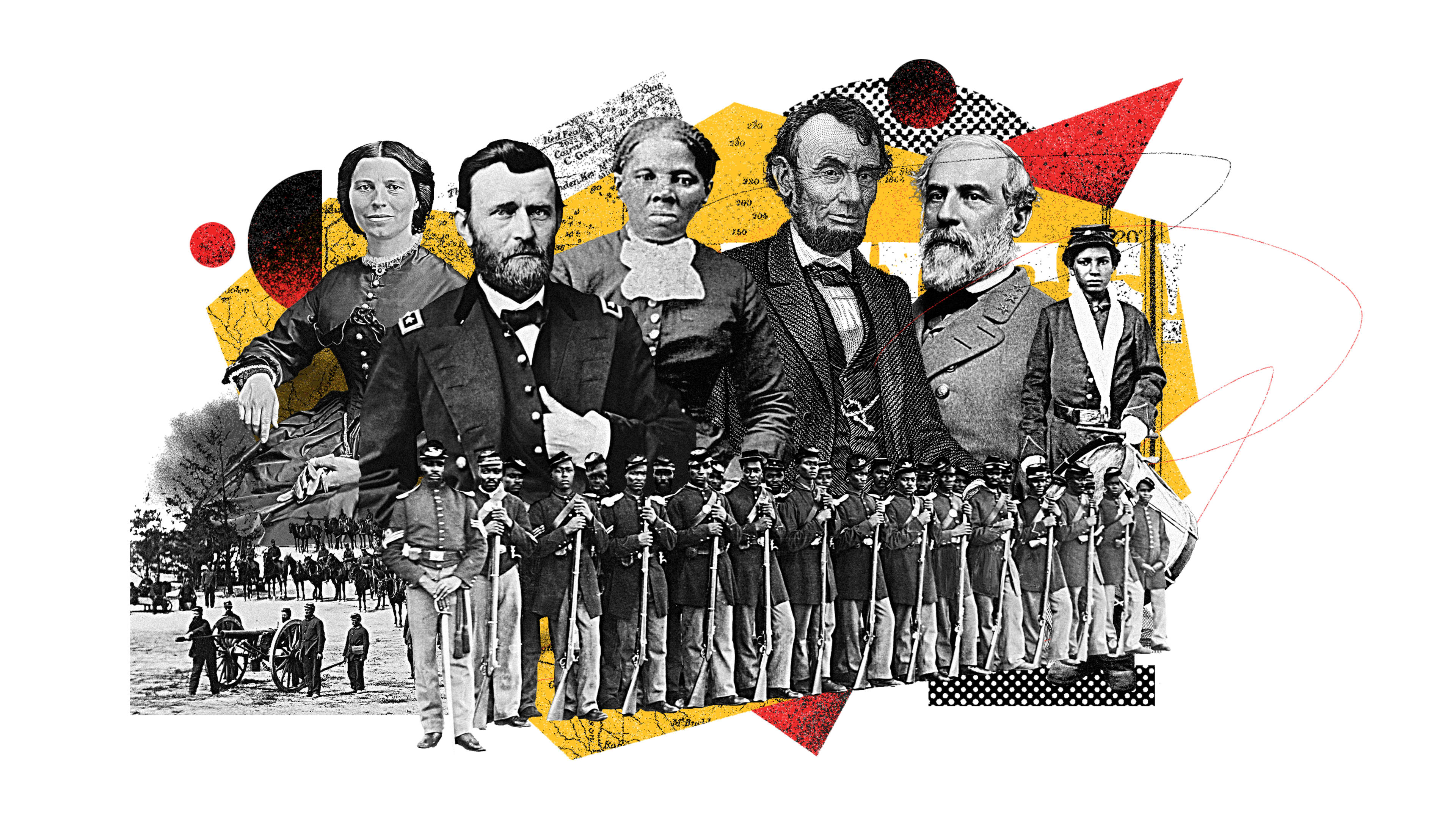
The First Battle of Bull Run completely shattered the romantic notions of a quick, heroic war. The combined casualties—over four thousand eight hundred men killed, wounded, or missing—horrified both sides. Lincoln immediately replaced McDowell with Major General George B. McClellan, who began a massive reorganization to build the disciplined Army of the Potomac. The battle also foreshadowed the profound social changes that would follow. As the war progressed, the contribution of diverse soldiers evolved dramatically, a theme explored in the legacy of black heroes throughout US military history who later stepped forward to fight.
Why the Battle of Manassas Still Matters Today
This opening clash teaches timeless lessons about the dangers of overconfidence and political impatience in military strategy. Today, the Manassas National Battlefield Park preserves this hallowed ground, offering modern visitors a quiet place to reflect on the immense human cost of national division and the painful steps required to forge a more perfect union.
People Also Ask
Who won the First Battle of Bull Run?
The Confederate States of America won the battle, causing a chaotic Union retreat.
Why does this battle have two different names?
The Union named battles after nearby natural features (Bull Run stream), while the Confederacy named them after the closest towns or railroad junctions (Manassas).
How did Stonewall Jackson get his nickname?
He earned it during the battle when General Barnard Bee encouraged his men by comparing Jackson’s steadfast defense of Henry House Hill to a “stone wall”.
Conclusion
The First Battle of Bull Run was a defining milestone that stripped away the romanticized illusions of the Civil War. It transformed an optimistic nation into one braced for a long, tragic struggle, permanently altering the trajectory of American history.


2 comments