During the height of the American Revolutionary War, a singular, windswept plateau overlooking a sharp, double-S curve on the Hudson River held the fate of a budding nation. Long before it became the prestigious United States Military Academy, West Point was recognized as the ultimate geographical linchpin of the war. General George Washington famously called it "the most important post in America," understanding that whoever controlled this high ground controlled the Hudson River—the primary transportation corridor of the colonies. If the British captured West Point, they could sever the rebellion in two, isolating New England from the rest of the colonies and choking the life out of the American cause. This is the story of how a brilliant defensive design, an engineering marvel known as the Great Chain, and a shocking act of treason shaped West Point’s critical role in the American Revolution.
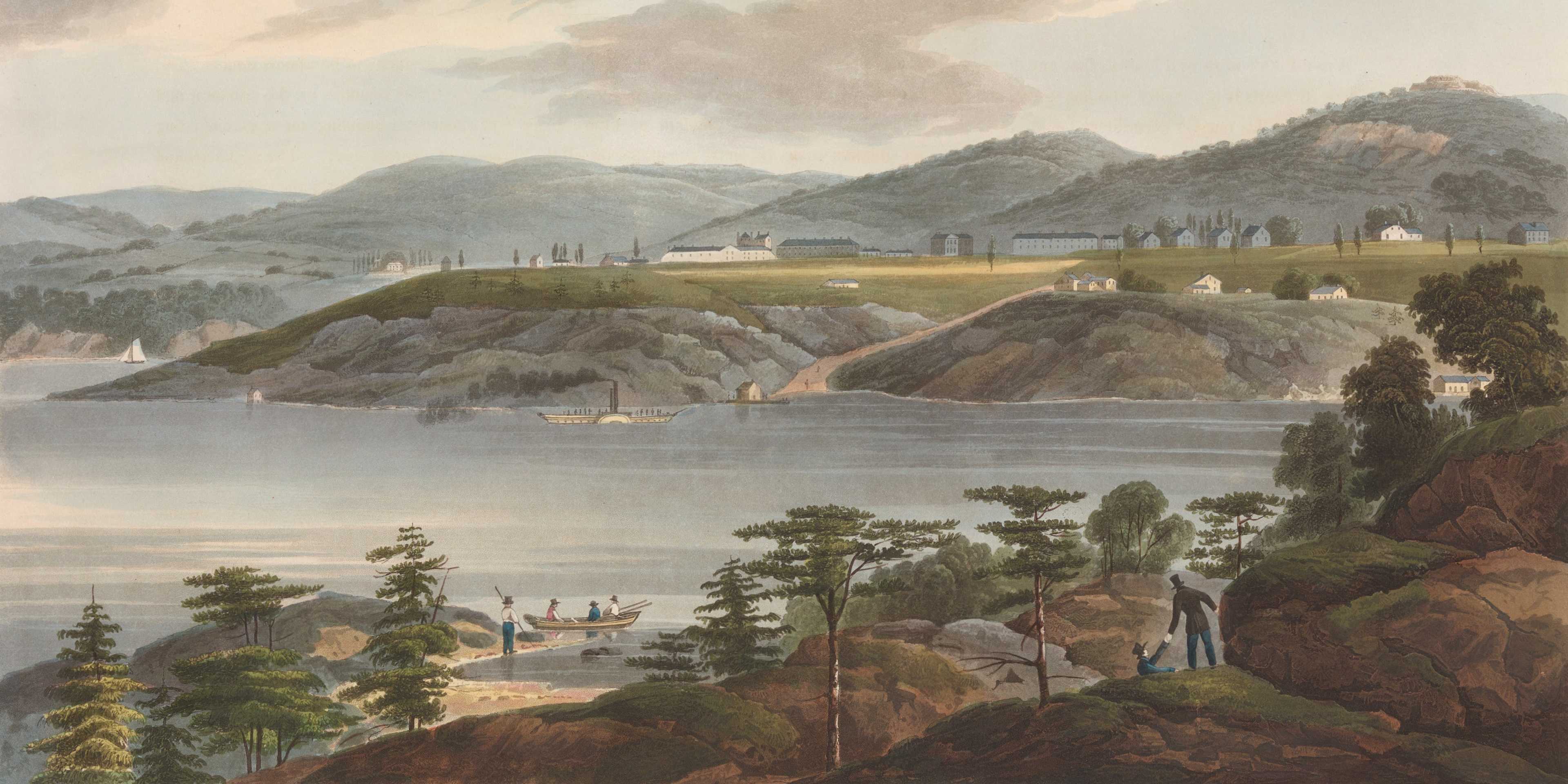
The Strategic Landscape: Why the Hudson River Mattered
To understand why West Point was so vital, one must look at the geography of early America. In the late 18th century, the colonies possessed very few paved or reliable roads. Most overland routes were crude, muddy, and easily washed away by storms, making the transportation of heavy artillery, troops, and bulk supplies incredibly difficult. Consequently, the Hudson River acted as a vital liquid highway. It was the fastest and most efficient way to move military assets from the Canadian border down to New York City.
The British grand military strategy was simple yet devastating: divide and conquer. If Royal forces could seize complete control of the Hudson, they would establish an unbroken line of communication and supply from Canada to Manhattan. This would effectively isolate New England—the intellectual and military hotbed of the rebellion—from the Southern and Middle colonies. Without the ability to share resources or reinforce one another, the individual colonies would have been vulnerable to being crushed one by one. Recognizing this danger, both sides viewed the Hudson Highlands as the ultimate prize of the war.
Historical Background and the Push to Fortify West Point
From the earliest days of the conflict, the Continental Congress and General George Washington were acutely aware of the Hudson’s vulnerability. Shortly after the first shots were fired at Lexington and Concord in 1775, Washington served on a committee tasked with assessing the river’s defenses. The committee recommended erecting fortifications along the highlands to prevent British warships from sailing north and dividing the colonies.
However, the fledgling Continental Army faced severe limitations, including a critical lack of funds, time, and trained military engineers. Instead of immediately fortifying the steep cliffs of West Point, early efforts focused on other areas, such as Fort Constitution on the opposite bank and Forts Montgomery and Clinton further downriver. The patriots even deployed a giant iron chain across the river near these lower forts. However, in October 1777, British General Henry Clinton launched a surprise overland assault, destroying these early forts, dismantling the chain, and burning the colonial capital of Kingston. Although Clinton eventually retreated to New York City due to overextended supply lines, the catastrophic loss forced Washington to rethink his entire defensive strategy and prioritize the high ground at West Point.
The Engineering Genius of Thaddeus Kosciuszko
The setback of 1777 prompted a dramatic shift. Washington knew that the defenses had to be rebuilt, and this time, they had to be built at West Point, where the Hudson River was at its narrowest and deepest. To design these new fortifications, Washington turned to Thaddeus Kosciuszko, a brilliant, French-trained Polish military engineer who had volunteered to fight for the American cause. Kosciuszko’s arrival was a turning point, showcasing how international expertise was vital to the revolution. In fact, understanding how French assistance and global alliances helped win the American Revolution provides crucial context to how European engineering principles were applied on American soil.
Instead of designing a traditional, single-walled medieval fortress that could be easily surrounded and besieged, Kosciuszko introduced a revolutionary, decentralized defense system. He designed a network of roughly thirty independent, mutually supporting forts, redoubts, and gun batteries positioned at varying elevations. If one redoubt fell, the others could rain cannon fire down upon the captors, making an overland assault virtually suicide.
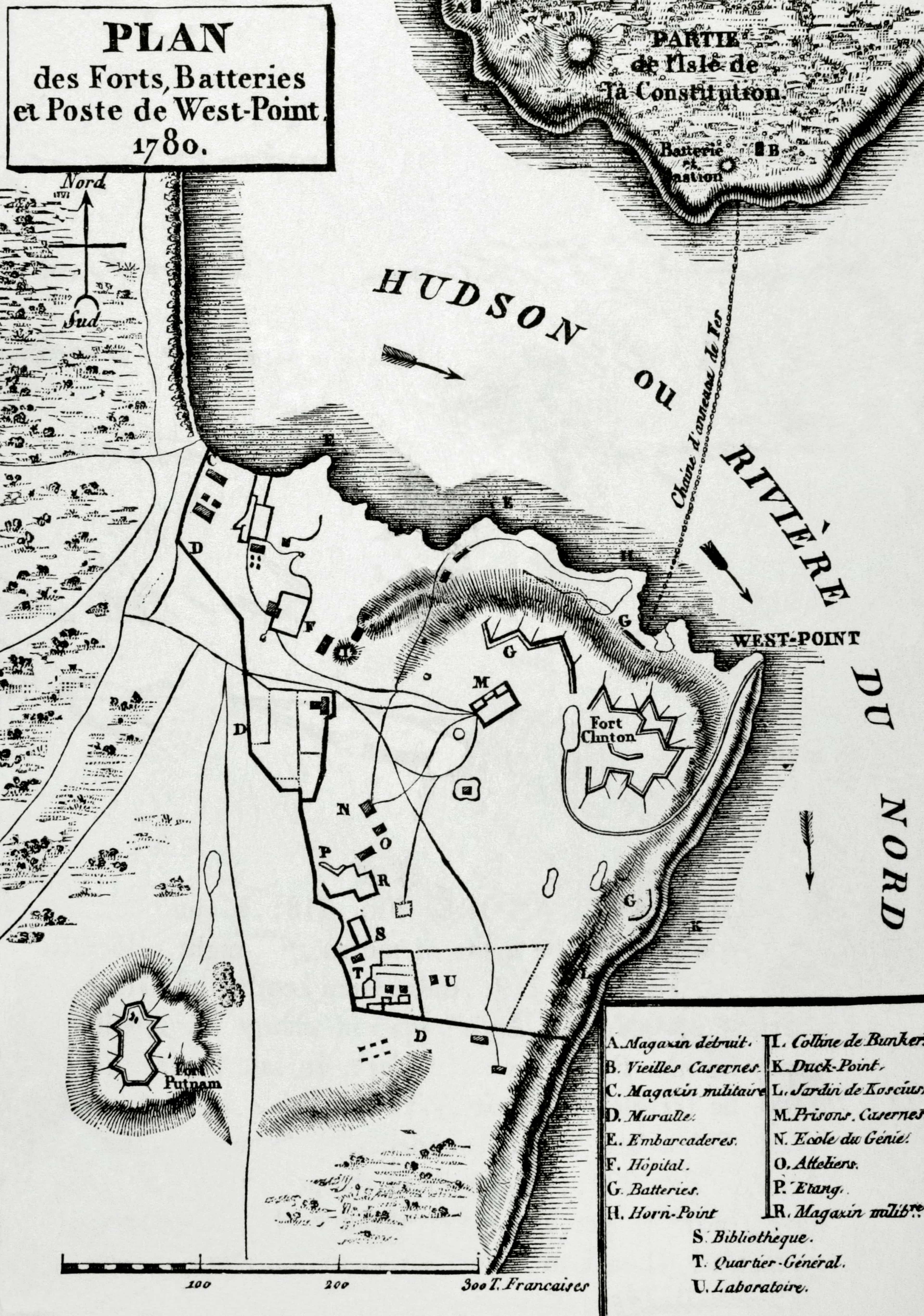
The centerpiece of this defensive network was the "Great Chain"—a massive, 65-ton iron barrier stretched across the 600-yard expanse from West Point to Constitution Island. Composed of two-foot-long links forged in local ironworks, the chain was supported by massive log rafts. Because of the river’s sharp, S-shaped turn at West Point, incoming British sailing vessels would be forced to slow down to navigate the treacherous currents and winds, leaving them completely vulnerable to the heavy artillery situated on the high cliffs above.
Chronological Timeline of West Point’s Revolutionary History
- May 25, 1775: The Continental Congress passes a resolution to fortify the Hudson River Highlands.
- October 6, 1777: British forces under General Henry Clinton capture Forts Montgomery and Clinton, breaking the first Hudson chain.
- January 1778: Patriot forces officially occupy West Point to begin building permanent fortifications.
- March 1778: Tadeusz Kosciuszko arrives at West Point to design the revolutionary, decentralized defense network.
- April 30, 1778: The "Great Chain" is successfully stretched across the Hudson River to Constitution Island.
- August 1779: General George Washington establishes his headquarters at West Point, staying for four months to oversee its development.
- August 3, 1780: Major General Benedict Arnold is appointed commander of West Point, setting his treasonous plans into motion.
- September 21, 1780: Arnold meets secretly with British Major John Andre, but the plot is exposed days later.
Treason at the Highlands: Benedict Arnold’s Betrayal
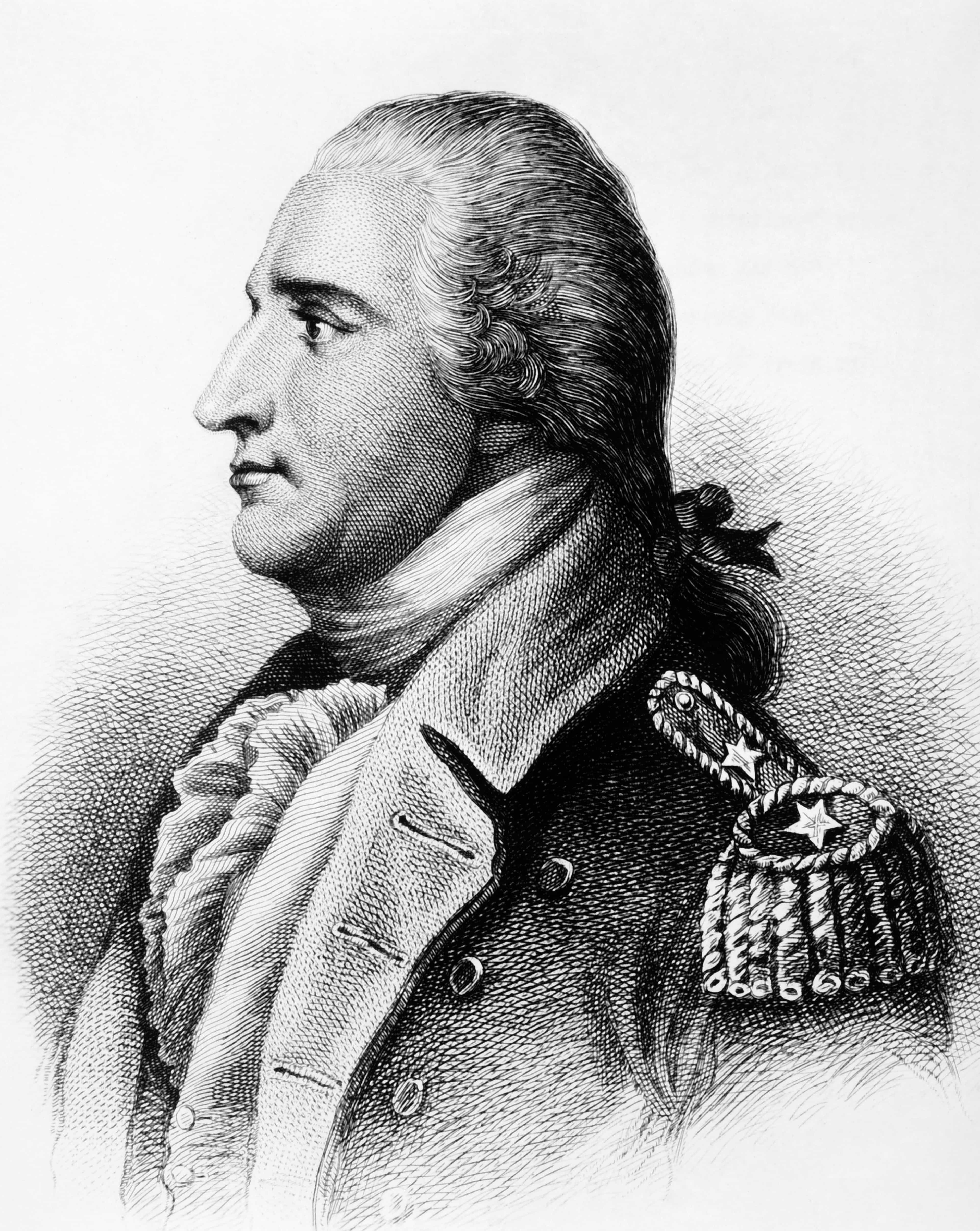
Despite the strength of Kosciuszko’s fortifications, the greatest threat to West Point did not come from a British fleet, but from within. In August 1780, Major General Benedict Arnold was appointed commander of the fortress. Arnold was widely regarded as one of the Continental Army’s most brilliant and heroic battlefield leaders. However, behind his heroic facade lay deep resentment. Arnold felt repeatedly passed over for promotions, was deeply in debt, and believed his sacrifices were unappreciated by the Continental Congress.
Seeking financial security and revenge, Arnold entered into secret negotiations with British Major John Andre. The deal was simple: Arnold would weaken West Point’s defenses and surrender the fort to the British in exchange for £10,000 and a brigadier general’s commission in the Royal Army. If you want to understand the psychological and financial motives behind this infamous act, explore the detailed reasons why Benedict Arnold betrayed America.
Fortunately, the treasonous plot was foiled just in the nick of time. On September 21, 1780, Arnold met secretly with Andre to finalize the plans and handed over vital military blueprints of West Point. On his return journey to British-controlled lines, Andre was captured by patriotic militiamen who discovered the incriminating documents hidden inside his stockings. While Arnold managed to escape to a British warship, Andre was tried, convicted of espionage, and subsequently hanged. The uncovering of the plot sent shockwaves through the colonies but ultimately strengthened American resolve. It also highlighted the critical importance of intelligence; indeed, learning how George Washington used spies to win the American Revolution reveals the complex espionage web that helped protect the young nation from internal and external threats alike.
The Long-Term Impact: From Revolutionary Stronghold to Military Academy
Because the British were never able to capture West Point, the Continental Army successfully maintained control of the Hudson River throughout the entire war. This control kept the colonies united, allowing troops and supplies to flow freely between New England and the Southern theater. It also forced the British to maintain a massive defensive force in New York City, draining resources that could have otherwise been deployed to fight the Americans in the South.
Following the end of the war, West Point remained an active military post. In fact, it is the oldest continuously occupied military post in the United States. Recognizing the need for formal military training to avoid relying on foreign engineers in future conflicts, President Thomas Jefferson signed legislation in 1802 establishing the United States Military Academy at West Point. The fortress that once saved the American Revolution became the birthplace of the nation’s professional officer corps.
Lesser-Known Historical Facts About West Point
- The Great Chain was Floated on Logs: The massive 65-ton iron chain did not simply hang in the water. To prevent it from sinking under its own weight, engineers supported the chain with massive, specially cut logs.
- The Chain was Removed Every Winter: To prevent the heavy winter ice on the Hudson River from breaking the chain, patriot soldiers painstakingly removed it from the water every autumn and reinstalled it every spring.
- The Fort Named after a Traitor: Before his treason, the primary fort at West Point was named Fort Arnold in his honor. Following his betrayal, the patriots promptly renamed it Fort Clinton to erase Arnold’s legacy.
Why West Point Still Matters Today
Today, West Point is a symbol of American resilience, strategic ingenuity, and national sovereignty. The lessons learned during the fortification of the Hudson Highlands laid the groundwork for American military engineering and defense strategy. It serves as a reminder that the success of the American Experiment relied not just on battlefield bravery, but on meticulous planning, international collaboration, and geographical awareness. As home to the U.S. Military Academy, it continues to shape the leaders of tomorrow, preserving a rich historical legacy that dates back to the very birth of the republic.
People Also Ask
Why was West Point so important in the Revolutionary War?
West Point occupied a highly strategic position overlooking an S-curve on the Hudson River. This geography forced enemy ships to slow down, making them easy targets for the artillery positioned on the cliffs. Controlling West Point prevented the British from seizing the Hudson River and splitting the colonies in two.
Did Benedict Arnold successfully surrender West Point?
No, Benedict Arnold’s plot to surrender West Point was foiled when his British contact, Major John Andre, was captured by patriot militiamen. The plans to the fortress were found in Andre’s boots, exposing the treason before the British could act.
Who designed the fortifications at West Point?
The fortifications were designed by Thaddeus Kosciuszko, a highly skilled Polish military engineer who volunteered to fight for the American cause. He implemented a revolutionary, decentralized system of mutually supporting redoubts and forts.
What is the "Great Chain" at West Point?
The Great Chain was a massive, 65-ton iron barrier stretched across the Hudson River from West Point to Constitution Island. It was designed to block British warships from sailing up the river.
Conclusion
In the crucible of the American Revolution, West Point stood as an impenetrable shield. Through the engineering genius of Tadeusz Kosciuszko, the strategic vision of George Washington, and the vigilance of ordinary patriots who foiled the nation’s most famous betrayal, this rugged highland outpost secured the lifeline of the rebellion. Today, West Point’s legacy lives on, not just as a historic fortress, but as an enduring institution that continues to forge the defenders of American liberty.


