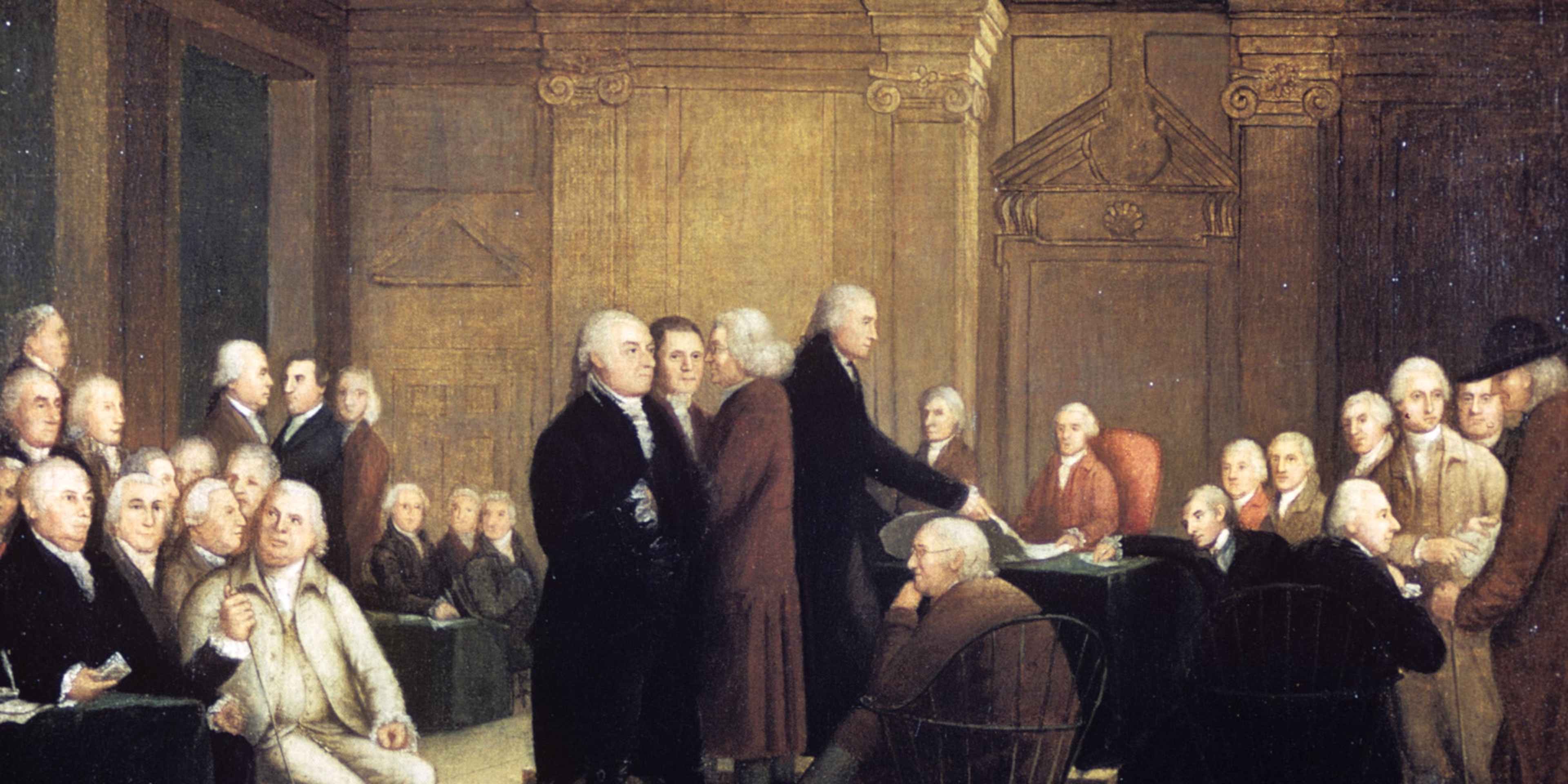
The journey of the United States from a disjointed group of British colonies to a sovereign, unified nation was neither swift nor straightforward. At the heart of this dramatic transformation stood the Continental Congress, a body of delegates that evolved over fifteen tumultuous years from 1774 to 1789. Originally conceived as a temporary assembly to voice colonial grievances against the British Crown, it quickly transformed into a de facto wartime government, and eventually morphed into the official governing body of a young republic. Understanding the distinct phases of this assembly—the First Continental Congress, the Second Continental Congress, and the Confederation Congress—is essential to grasping the constitutional and political foundations of modern America. These sessions did more than debate taxes; they raised armies, forged international alliances, and structured the initial governance of a continent, leaving a lasting and complex legacy that shaped the destiny of millions.
The Historical Background: From Protest to Governance
To understand why the Continental Congress came to be, one must look at the boiling tensions of the early 1770s. For over a century, the thirteen colonies had operated with a high degree of autonomy. However, in the wake of the French and Indian War, the British Parliament sought to recoup its financial losses by imposing a series of direct taxes, including the Stamp Act and the Townshend Acts, without providing the colonists with parliamentary representation. The breaking point arrived in late 1773 with the Boston Tea Party, which prompted Parliament to pass the Coercive Acts of 1774 (known in America as the Intolerable Acts). These punitive measures closed Boston Harbor, dismantled local democratic town meetings in Massachusetts, and forced colonists to quarter British soldiers.
In response to this existential threat, local leaders recognized that individual resistance was no longer sufficient. Twelve of the thirteen colonies (excluding Georgia, which initially demurred due to ongoing conflicts with neighboring Creek forces and its reliance on British military aid) agreed to send representatives to Philadelphia. They met not as a governing body with legal authority, but as an ad-hoc council of concerned British subjects seeking redress. This set the stage for a dramatic progression of political authority that would change the course of world history.
Chronological Timeline of the Three Congresses
To appreciate the rapid evolution of this assembly, it is helpful to look at the chronological sequence of events that defined its three distinct iterations:
- September 5 – October 26, 1774: The First Continental Congress meets at Carpenters’ Hall in Philadelphia to coordinate colonial resistance to the Coercive Acts.
- October 1774: Congress adopts the Articles of Association, initiating a strict boycott of British goods and authorizing local enforcement committees.
- April 19, 1775: The Battles of Lexington and Concord break out, officially starting the armed conflict of the Revolutionary War.
- May 10, 1775: The Second Continental Congress convenes in Philadelphia, immediately facing the reality of active warfare.
- June 15, 1775: George Washington is appointed Commander-in-Chief of the newly established Continental Army. Before his appointment, some had debated who commanded the Continental Army before Washington took formal control of the colonial forces.
- July 4, 1776: The Second Continental Congress formally ratifies the Declaration of Independence.
- November 15, 1777: The Articles of Confederation are approved by the Second Continental Congress and sent to the states for ratification.
- March 1, 1781: The Articles of Confederation are fully ratified, and the assembly transitions into the Confederation Congress.
- September 3, 1783: The Treaty of Paris is signed, officially ending the Revolutionary War.
- July 13, 1787: The Confederation Congress passes the Northwest Ordinance, outlining the governance of western territories.
- March 4, 1789: The United States Constitution officially takes effect, dissolving the Confederation Congress and establishing the modern U.S. Congress.
The First Continental Congress (1774): A United Stand of Protest
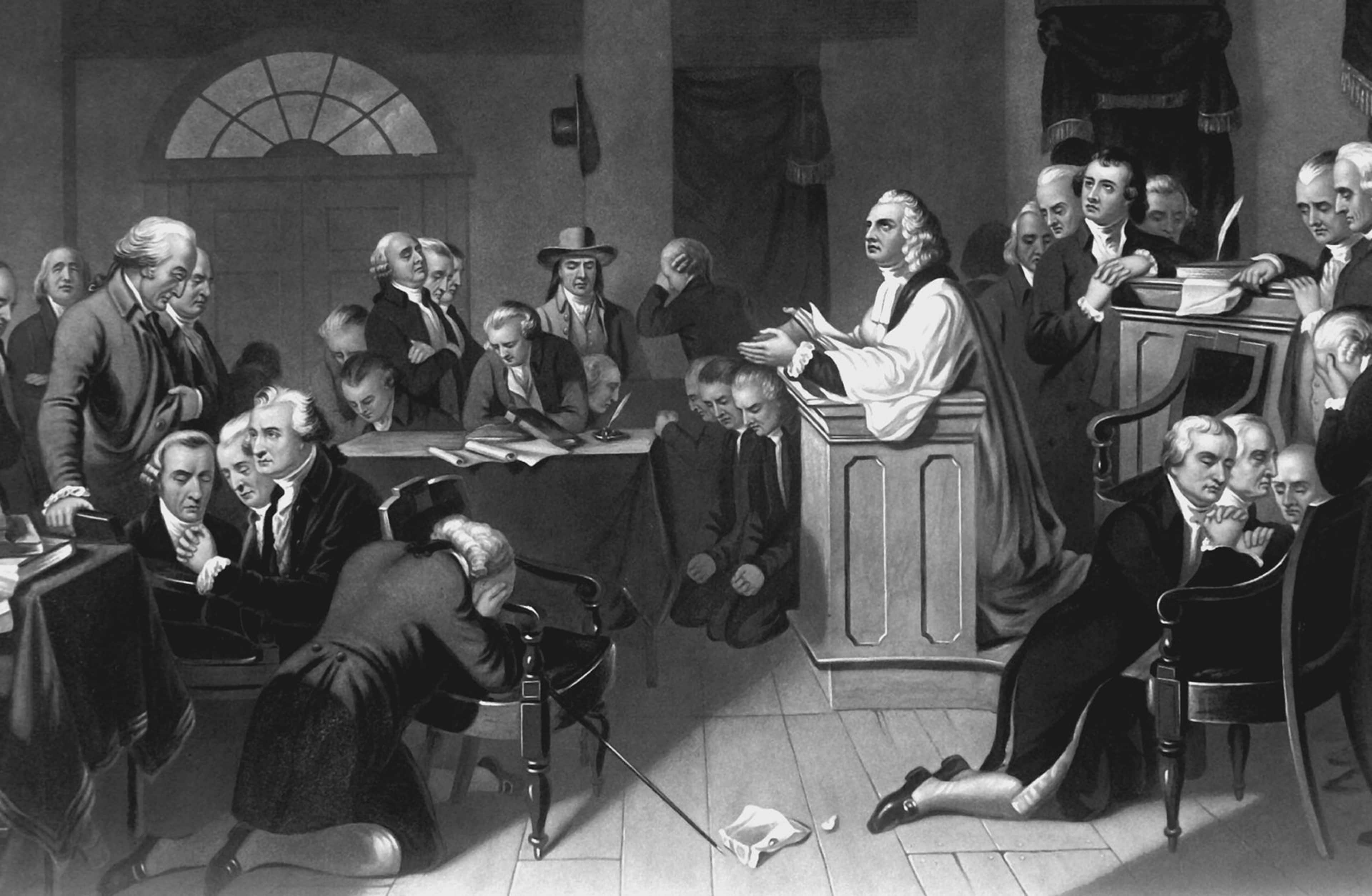
When the First Continental Congress gathered in Philadelphia on September 5, 1774, the atmosphere was thick with anxiety and defiance. Fifty-six delegates representing twelve colonies convened at Carpenters’ Hall. Among them were legal scholars, wealthy merchants, and seasoned politicians, including John Adams, Samuel Adams, George Washington, and Patrick Henry.
The primary objective was not independence, but reconciliation on favorable terms. The delegates spent weeks debating how to pressure Parliament into repealing the Intolerable Acts without provoking an all-out war. Their efforts culminated in two monumental achievements:
1. The Articles of Association
This document was far more than a simple declaration; it was a sweeping economic pact. It established a non-importation, non-exportation, and non-consumption agreement aimed directly at British merchants. To ensure compliance, the Congress authorized the creation of local committees of inspection in every town and county. These committees took on a life of their own, effectively acting as local revolutionary governments that transferred de facto power from colonial royal governors to the hands of patriot leaders.
2. Endorsement of the Suffolk Resolves
Originating from Suffolk County, Massachusetts, these radical resolutions declared the Intolerable Acts unconstitutional and urged citizens to arm themselves and form militias. By endorsing these resolves, the First Continental Congress sent a clear signal to King George III that the colonies were preparing for the possibility of physical conflict, even as they publicly prayed for peace.
The Second Continental Congress (1775–1781): A Council of War
By the time the Second Continental Congress convened on May 10, 1775, the political landscape had fundamentally shifted. Blood had already been spilled at Lexington and Concord. The delegates were no longer merely writing petitions; they were running a war. This session became the de facto national government of the colonies.
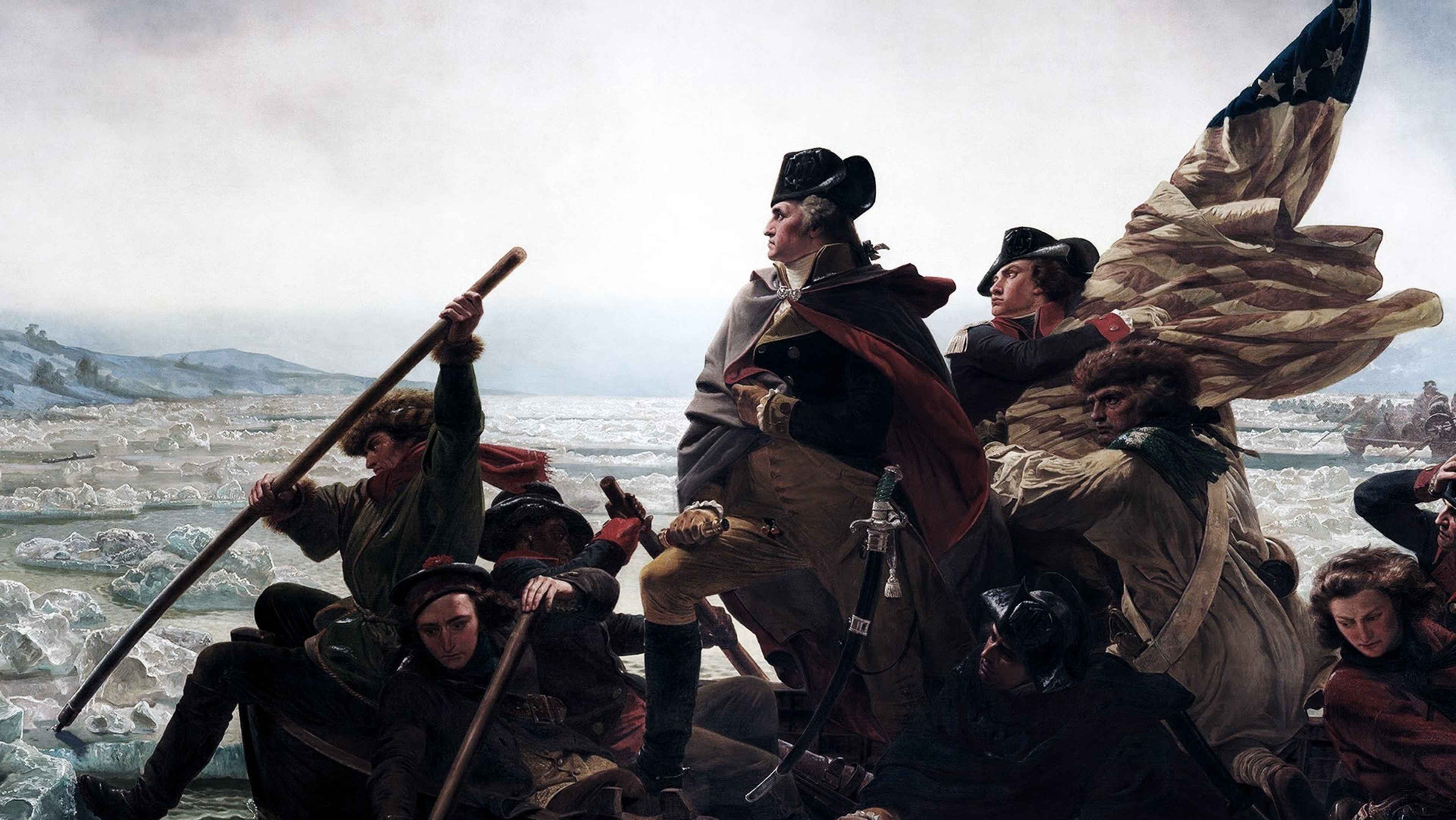
The Second Continental Congress took immediate, decisive action to organize the war effort. It established the Continental Army, appointed George Washington as its supreme commander, printed a national currency (known as “Continentals”), created a postal system under Benjamin Franklin, and initiated diplomatic efforts to secure foreign support. Despite these radical steps, many delegates still harbored hopes for peace, sending the “Olive Branch Petition” to King George III in July 1775. The King’s outright refusal to read it, combined with his declaration that the colonies were in open rebellion, sealed the fate of the imperial relationship.
The ultimate achievement of this body occurred on July 4, 1776, with the ratification of the Declaration of Independence. Drafted primarily by Thomas Jefferson, this historic document articulated natural rights and listed specific colonial grievances against British rule. It is worth noting that the Declaration of Independence was also a list of grievances, carefully detailing twenty-seven separate abuses of power by the Crown to justify their political separation before the global community.
The Confederation Congress (1781–1789): The Trials of Early Statehood
In 1781, with the ratification of the nation’s first constitution—the Articles of Confederation—the Second Continental Congress officially transformed into the Confederation Congress. Operating in the final years of the Revolutionary War and continuing through the early peace, this Congress faced the immense challenge of organizing a newly independent nation.
However, the Articles of Confederation purposely created a weak central government out of fear of domestic tyranny. The Confederation Congress lacked the power to levy taxes directly, regulate interstate or international commerce, or draft soldiers. To pass any major legislation, it required the approval of nine out of thirteen states, and amending the Articles required a unanimous vote. This structure led to severe economic instability, interstate trade disputes, and an inability to pay off war debts, culminating in domestic uprisings like Shays’ Rebellion in Massachusetts.
Despite these profound structural weaknesses, the Confederation Congress achieved several major milestones. It successfully negotiated the Treaty of Paris (1783), which secured British recognition of American independence. It also passed the Northwest Ordinance of 1787, which established a structured pathway for adding new states to the Union and famously banned slavery in the Northwest Territory. However, this expansionist policy had devastating consequences for the region’s Indigenous peoples, as it sanctioned the aggressive seizure of tribal lands and paved the way for decades of forced displacement and military conflict.
Recognizing the limitations of the Articles of Confederation, delegates like Alexander Hamilton and James Madison pushed for a major constitutional overhaul. In 1787, the Constitutional Convention convened in Philadelphia to draft a completely new framework of government. This process ultimately defined how the Founding Fathers divided power between states and federal governments, establishing the robust federal system and the bicameral U.S. Congress that we know today.
Key Figures and Their Lasting Impact
The three Continental Congresses brought together some of the most brilliant and complex minds of the eighteenth century. Their leadership steered the colony-to-state transition:
- John Adams: A passionate advocate for independence who served on the First and Second Continental Congresses. Adams was instrumental in nominating George Washington to lead the army and convincing Thomas Jefferson to write the Declaration of Independence.
- Benjamin Franklin: One of the senior statesmen of the Second Continental Congress. Franklin used his diplomatic genius to forge the vital alliance with France, which provided the financial and military support necessary to win the war.
- John Hancock: Served as the President of the Second Continental Congress. His iconic, bold signature on the Declaration of Independence remains one of the most famous symbols of American defiance.
- James Madison: A key member of the Confederation Congress who recognized its fatal flaws. Madison became the primary architect of the U.S. Constitution and wrote many of the Federalist Papers to advocate for its ratification.
Lesser-Known Facts About the Continental Congresses
- Georgia Was a No-Show: During the First Continental Congress, Georgia was the only colony that did not send delegates. The colony was highly dependent on British military assistance to defend against raids by neighboring Native American tribes and was hesitant to jeopardize that protection.
- They Constantly Ran from the British: The Continental Congress did not sit comfortably in Philadelphia. They were forced to flee several times to avoid capture by advancing British forces, meeting in alternative cities such as Baltimore, Lancaster, York, Princeton, and Annapolis.
- America’s First Currency Was a Total Failure: The “Continental” currency issued by the Second Continental Congress suffered from hyperinflation because it was not backed by gold or silver, leading to the popular 18th-century idiom, “not worth a Continental.”
Why It Still Matters Today
The history of the three Continental Congresses is not merely a collection of stories about powdered wigs and colonial assemblies; it is the foundational blueprint of the modern American republic. The structural debates that occurred between 1774 and 1789—specifically regarding state sovereignty versus federal authority—continue to shape contemporary political discourse. Issues such as voting rights, federal taxation, states’ rights, and the balance of power among governmental branches are direct descendants of the arguments made in Carpenters’ Hall and the Pennsylvania State House. By examining these early assemblies, we gain vital insight into how the United States continues to negotiate its identity, its laws, and its democratic principles.
People Also Ask (FAQs)
What was the main difference between the First and Second Continental Congress?
The First Continental Congress met in 1774 primarily to protest British taxation and the Intolerable Acts through boycotts, with most delegates hoping for reconciliation. The Second Continental Congress met in 1775 after hostilities had broken out at Lexington and Concord, transitioning into a wartime governing body that established the Continental Army, issued currency, and eventually declared independence from Britain.
Why did the Confederation Congress fail?
The Confederation Congress, operating under the Articles of Confederation, failed because it had an incredibly weak central structure. It could not levy taxes, regulate domestic or foreign commerce, or draft troops. Major decisions required a nearly impossible supermajority, making it highly ineffective at managing the economic and social challenges of the post-war era.
What was the Northwest Ordinance of 1787?
The Northwest Ordinance was a major piece of legislation passed by the Confederation Congress. It created a standardized process for admitting new states to the Union from the Northwest Territory, established civil liberties, and banned slavery in the region. However, it also facilitated the aggressive expansion of American settlers onto Indigenous lands, leading to the displacement of Native tribes.
Conclusion
The progression of the three Continental Congresses from a temporary protest committee into a structured constitutional government is one of the most remarkable chapters in political history. Over fifteen years of war, economic instability, and intense debate, these assemblies laid the groundwork for American democracy. While they struggled with structural limitations and left a complicated legacy regarding Indigenous relations, the actions of these early delegates ultimately forged a brand-new framework of self-governance that continues to influence nations around the world today.


