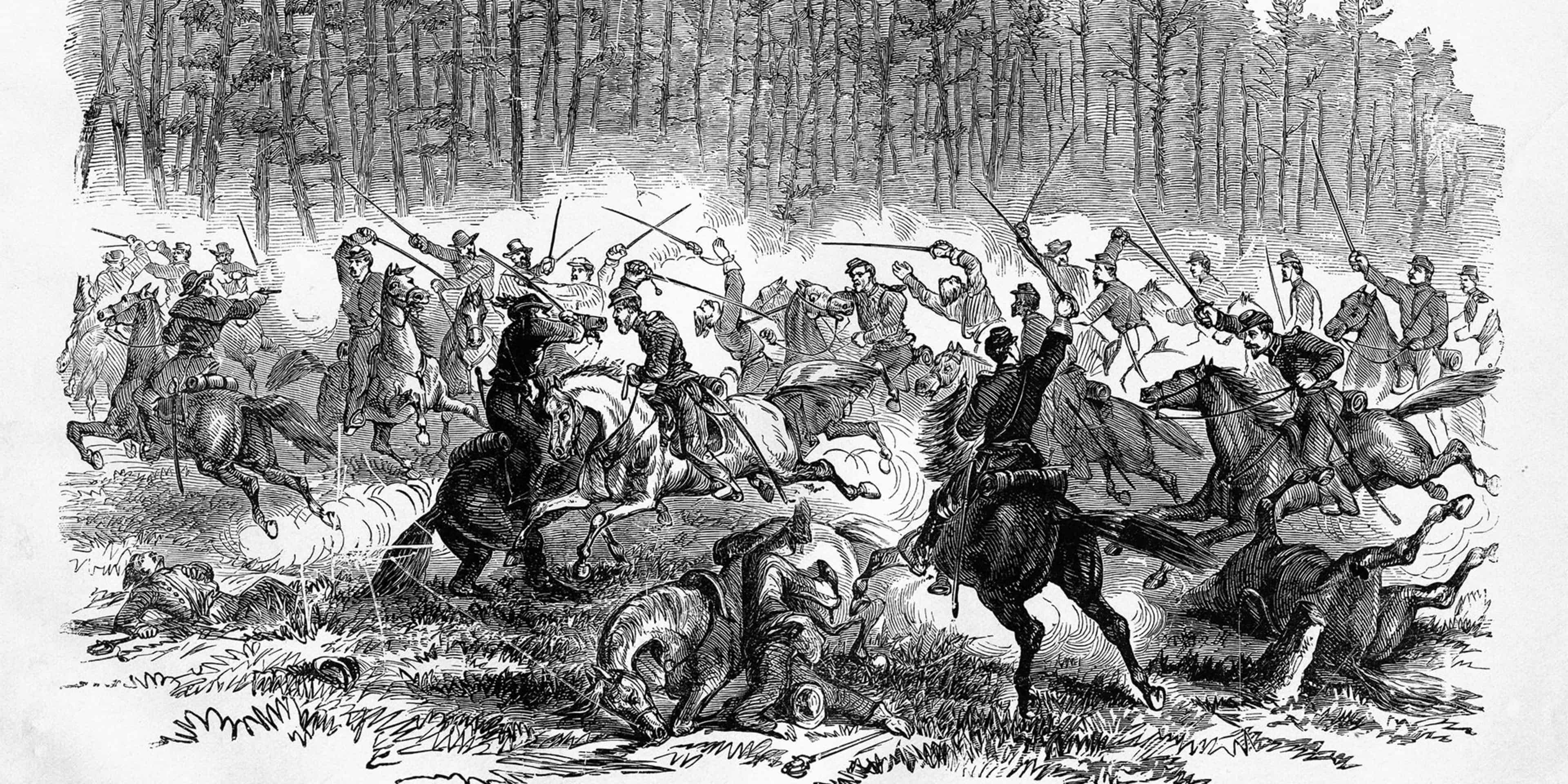
In the spring of 1862, the fate of a fractured nation hung in the balance as the Union launched its first massive, coordinated effort to capture the Confederate capital of Richmond, Virginia. Known as the Peninsula Campaign, this ambitious military operation was designed to bypass the overland obstacles of northern Virginia and strike a decisive blow to end the rebellion swiftly. Spearheaded by the brilliant but agonizingly cautious Major General George B. McClellan, the campaign remains one of the most critical turning points in American Civil War history [1]. Had the campaign succeeded, the war might have ended years earlier with a negotiated peace; its failure, however, guaranteed a long, bloody struggle that would ultimately transform the social and political fabric of the United States forever.
The Historical Background: A Nation in Crisis
By late 1861, the United States was reeling from a series of military setbacks, most notably the disastrous Union defeat at the First Battle of Bull Run [1]. President Abraham Lincoln, desperate for a commander who could organize and lead the massive volunteer forces, turned to Major General George B. McClellan [1]. McClellan was a superb administrator who quickly whipped the raw recruits into a highly disciplined fighting force known as the Army of the Potomac [1]. Yet, while McClellan excelled at preparation, his reluctance to engage the enemy frustrated Lincoln and the Radical Republicans in Congress [1]. This political tension set the stage for the Peninsula Campaign, as McClellan sought a waterborne route to Richmond to avoid a direct, bloody overland march against Confederate defenses in northern Virginia [1].
The Causes and Strategic Context
McClellan’s strategy was rooted in a desire to utilize the Union’s undisputed naval superiority. Instead of marching south from Washington, D.C., he proposed transporting his entire army down the Chesapeake Bay to Fort Monroe, a Union stronghold at the tip of the Virginia Peninsula [1]. From there, flanked by the York and James Rivers, the Army of the Potomac would march northwestward up the peninsula to capture Richmond [1]. McClellan argued this flank maneuver would force Confederate General Joseph E. Johnston to abandon his strong defensive positions at Manassas and rush south to protect the capital [1]. Lincoln reluctantly approved the plan, but under one strict condition: McClellan must leave behind a sufficient force to guarantee the safety of Washington, D.C [1]. When Lincoln discovered McClellan had not complied, he withheld an entire corps of 35,000 men under General Irvin McDowell, a move that McClellan would blame for his ultimate failure [1].
Chronological Timeline of the Peninsula Campaign (1862)
- March 17: The massive embarkation begins, as over 120,000 Union troops, thousands of horses, and tons of supplies are shipped from Alexandria, Virginia, to Fort Monroe.
- April 5 – May 4: The Siege of Yorktown [1]. Believing he is outnumbered, McClellan halts his advance and spends a month establishing siege lines against a much smaller Confederate force [1].
- May 5: The Battle of Williamsburg. A rearguard action fought as the Confederates withdraw up the peninsula toward Richmond.
- May 31 – June 1: The Battle of Seven Pines (Fair Oaks) [1]. Confederate General Joseph E. Johnston attacks the Union army, resulting in a bloody stalemate and Johnston’s serious injury [1].
- June 1: General Robert E. Lee is appointed commander of the Army of Northern Virginia, replacing the wounded Johnston [1].
- June 25 – July 1: The Seven Days’ Battles [1]. Lee launches a relentless counteroffensive, driving McClellan back from the gates of Richmond to Harrison’s Landing on the James River [1].
Key Figures and Their Lasting Impact
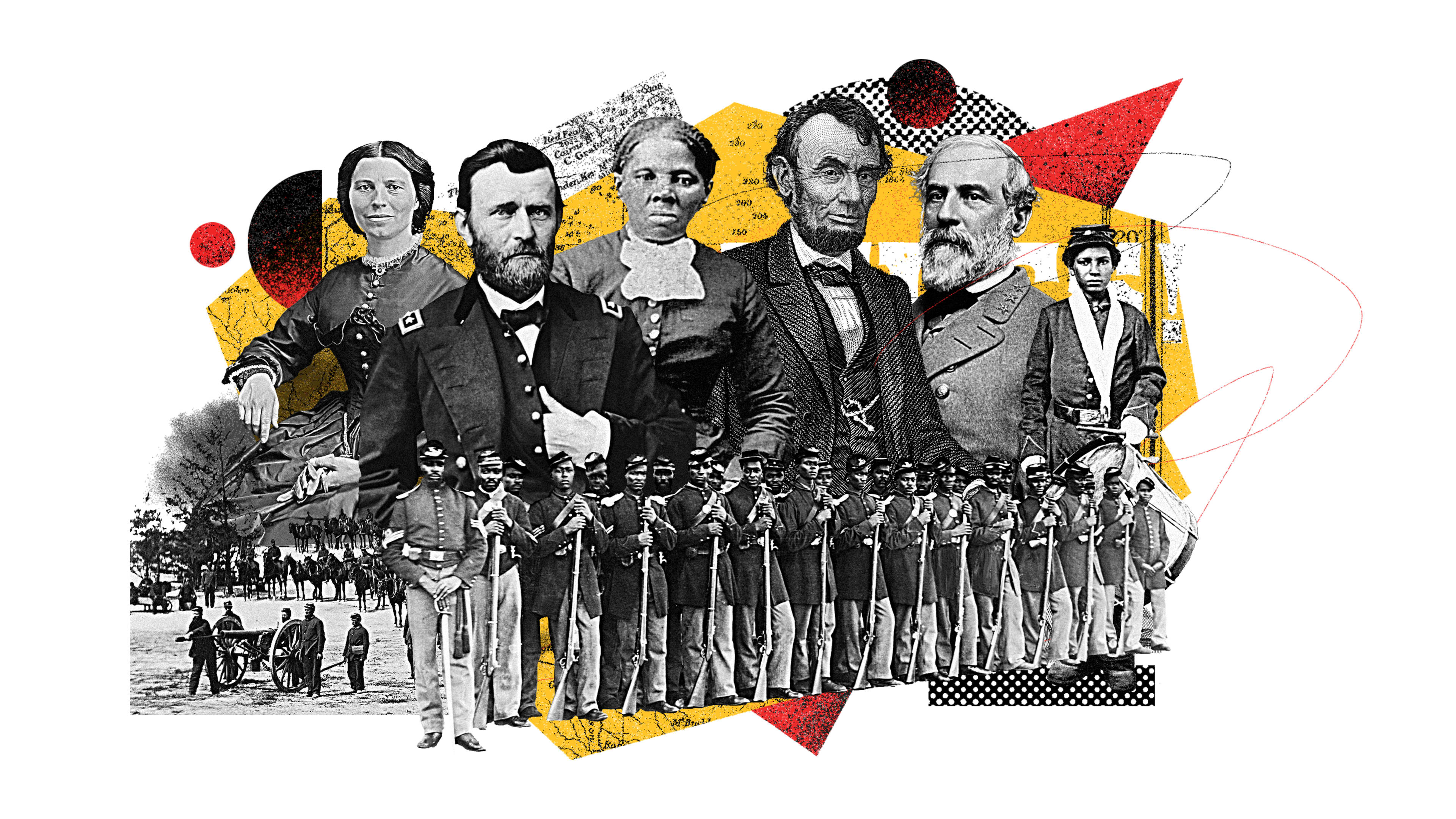
The Peninsula Campaign featured a clash of military philosophies and personalities that would define the rest of the war. George B. McClellan was beloved by his soldiers but paralyzed by a pathological fear of defeat, constantly overestimating enemy numbers due to flawed intelligence [1]. His counterpart, Robert E. Lee, was the exact opposite: bold, aggressive, and willing to take immense risks [1]. Lee’s assumption of command during this campaign marked the rise of one of the Confederacy’s most formidable commanders [1]. Meanwhile, Joseph E. Johnston played a crucial role in managing the initial defense and withdrawal, but his wounding at Seven Pines proved to be a major catalyst that altered the course of Southern military history [1]. Lastly, Abraham Lincoln navigated immense political pressure, balancing his trust in his generals with the urgent need for decisive action [1].
Major Turning Points: From Seven Pines to the Seven Days
The campaign transitioned through two distinct phases, marked by pivotal shifts in command and tactics. The first major turning point occurred at the Battle of Seven Pines [1]. McClellan’s army was dangerously divided by the flooded Chickahominy River [1]. Recognizing this vulnerability, Joseph E. Johnston launched an attack [1]. The resulting battle was chaotic and inconclusive, but it resulted in Johnston being severely wounded [1]. His replacement, Robert E. Lee, immediately renamed his force the Army of Northern Virginia and prepared a counterstrike [1]. The second major turning point was the Seven Days’ Battles [1]. Beginning on June 25 at Oak Grove, Lee launched a series of aggressive assaults at Mechanicsville, Gaines’ Mill, Savage’s Station, and Glendale [1]. Even though the Union army won a defensive masterpiece at Malvern Hill on July 1, inflicting heavy casualties on the charging Confederates, McClellan’s nerve was shattered [1]. He ordered a general retreat, abandoning his position outside Richmond and sealing the failure of the campaign [1].
The Long-Term Impact on America
The failure of the Peninsula Campaign had profound, far-reaching consequences for the United States. First, it destroyed any hope of a quick, low-casualty reconciliation between the North and South. The war was now guaranteed to be a protracted war of attrition. Second, the military stalemate forced Abraham Lincoln to realize that the Union could not win the war without striking at the economic and social heart of the Confederacy: the institution of slavery. Just weeks after McClellan’s retreat, Lincoln drafted the preliminary Emancipation Proclamation, shifting the moral focus of the war. Finally, McClellan’s subsequent failure to aggressively pursue Lee after the Battle of Antietam later that year led to his permanent removal from command [1], paving the way for more aggressive generals like Ulysses S. Grant.
Lesser-Known Facts of the Peninsula Campaign
The Illusion of the Quaker Guns: When Confederate troops abandoned their lines at Manassas to redeploy against McClellan, Union soldiers discovered that many of the imposing enemy cannons were actually wooden logs painted black [1]. These ‘Quaker guns’ had successfully deceived McClellan for months, feeding his extreme caution [1]. The Magruder Theatricals: At Yorktown, Confederate General John B. Magruder, an amateur actor, fooled McClellan into believing he faced a massive army by marching his small force of 13,000 men in circular loops through clearings, making them appear as a continuous stream of fresh reinforcements [1]. The War’s First Air Force: The Peninsula Campaign saw extensive use of the Union Army Balloon Corps. Chief Aeronaut Thaddeus Lowe used hydrogen-filled balloons to map Confederate positions and direct artillery fire, marking one of the earliest instances of aerial reconnaissance in military history.
Why the Peninsula Campaign Still Matters Today
The Peninsula Campaign remains a vital study in leadership, crisis management, and civil-military relations. It highlights the dangers of hesitation and confirmation bias, as McClellan’s refusal to trust his own eyes over inflated intelligence reports ultimately cost him victory. Furthermore, it illustrates how military setbacks can drive profound societal changes. Without the failure of the Peninsula Campaign, the abolition of slavery might have taken a vastly different, more gradual path. The campaign serves as a stark reminder that in times of national crisis, boldness and adaptability are often the ultimate prerequisites for success.
People Also Ask (FAQ)
Who won the Peninsula Campaign?
The Peninsula Campaign was a strategic victory for the Confederacy [1]. Although Union forces under General McClellan won several tactical defensive victories, Confederate forces under General Robert E. Lee successfully drove the Union army away from the capital of Richmond, ending the threat to the Confederate heartland [1].
Why did General McClellan fail in the Peninsula Campaign?
McClellan failed primarily due to his extreme caution, his habit of overestimating the enemy’s numbers, and his poor relationship with President Lincoln [1]. His hesitation allowed the Confederates to consolidate their defenses and gave Robert E. Lee the opportunity to launch a decisive counteroffensive [1].
How did the Peninsula Campaign change the course of the Civil War?
The campaign’s failure prolonged the Civil War by several years, shifted the military initiative to the Confederacy in the Eastern Theater, and convinced President Lincoln that the Union must pursue a policy of total war, leading directly to the drafting of the Emancipation Proclamation.
Conclusion: The Legacy of a Missed Opportunity
The Peninsula Campaign stands as one of the great ‘what-ifs’ of American history. It was a massive, modern military operation that possessed all the tools necessary for victory, yet was undone by a lack of decisive execution on the battlefield. By turning back the Union tide, Robert E. Lee established his legendary reputation, while the Lincoln administration was forced to redefine its war aims from simply preserving the Union to actively destroying the Southern social order. In studying the muddy trenches of Yorktown and the bloody fields of the Seven Days, we uncover the hard-learned lessons of leadership, strategy, and resilience that continue to define the American story today.


