In the vast and tragic tapestry of the American Civil War, few figures commanded as much expectation, respect, and ultimate tragedy as General Albert Sidney Johnston. Recognized by contemporaries on both sides of the Mason-Dixon line as one of the preeminent military minds of his generation, Johnston’s career spanned multiple decades, three distinct national armies, and some of the most challenging frontiers in North American history [2]. His life came to a sudden, bloody end on the afternoon of April 6, 1862, during the opening day of the Battle of Shiloh—an event that profoundly altered the trajectory of the Civil War in the Western Theater [2]. To understand the early struggles of the Confederacy and the ultimate triumph of the Union, one must examine the life, strategic decisions, and sudden demise of this legendary commander, whose loss Confederate President Jefferson Davis lamented as the turning point of their cause.
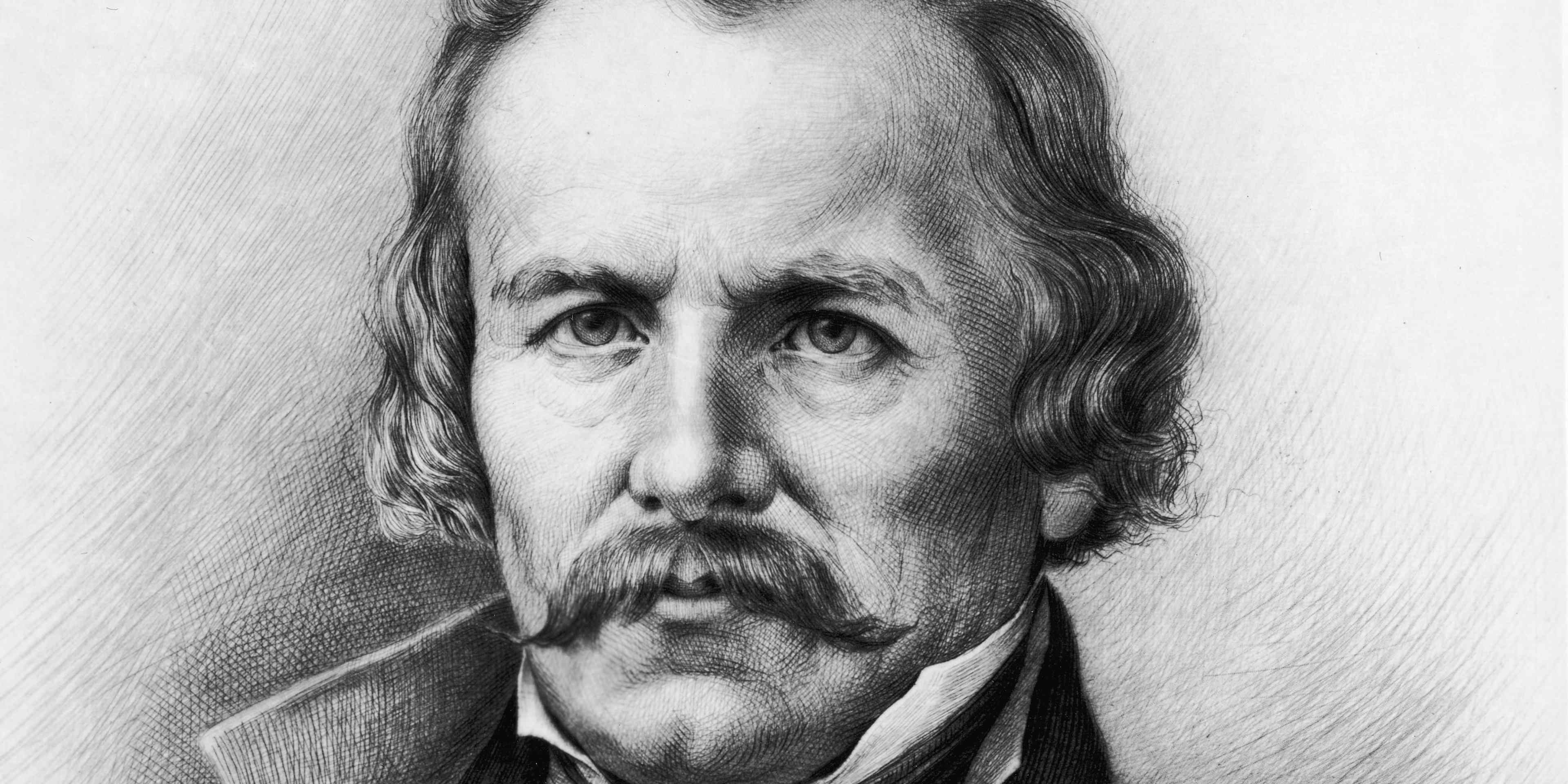
The Early Life and Multi-Frontier Legacy of Albert Sidney Johnston
Born on February 2, 1803, in the frontier town of Washington, Kentucky, Albert Sidney Johnston was destined for a life of military service [2]. After initially pursuing studies at Transylvania University in Lexington, Johnston secured an appointment to the United States Military Academy at West Point in 1822 [2]. Graduating in 1826, he finished an impressive eighth in a class of 41 cadets—a cohort that would go on to shape the future of the nation [2]. His early service in the U.S. Army took him to the frontiers of New York and Missouri, eventually leading him to active combat during the Black Hawk War in 1832, where he served alongside future political giants like Abraham Lincoln and Jefferson Davis [2].
Johnston’s military trajectory was briefly interrupted in 1834 when he resigned his commission to care for his ailing first wife, Henrietta Preston, who was dying of tuberculosis [2]. Following her tragic passing in 1836, a grieving Johnston sought a fresh start in the newly declared Republic of Texas [2]. Enlisting as a humble private in the Texas Army, his natural leadership and West Point pedigree quickly caught the attention of Texas officials [2]. Within a year, he rose to the rank of senior brigadier general [2]. This meteoric rise, however, bred resentment [2]. When Johnston was appointed to replace General Felix Huston, the disgruntled officer challenged him to a duel [2]. Johnston accepted and was severely wounded in the hip—an injury that would leave him with permanent nerve damage and ultimately seal his fate decades later [2].
From Texas Independence to the Utah War
Despite his dueling injuries, Johnston served as the Secretary of War for the Republic of Texas from 1838 to 1840 before briefly returning to Kentucky, where he married Eliza Griffin in 1843 [2]. When the Mexican-American War erupted in 1846, Johnston returned to active duty as a colonel of Texas volunteers, demonstrating exceptional tactical bravery during the Battle of Monterrey [2]. His performance earned him a reappointment to the regular U.S. Army as a major and paymaster, eventually securing him the colonelcy of the prestigious 2nd U.S. Cavalry on the Texas frontier [2].
One of Johnston’s most significant pre-Civil War challenges came in 1857 during the Utah War [2]. Tasked by President James Buchanan to lead a military expedition to Utah to assert federal authority over Brigham Young and his Mormon followers, Johnston navigated a highly tense, potentially explosive situation [2]. Through disciplined logistics and strategic patience, Johnston successfully resolved the standoff without major bloodshed, leading to the peaceful replacement of Young as territorial governor [2]. Promoted to brevet brigadier general for his diplomatic and military success, Johnston was transferred to California in late 1860 to command the Department of the Pacific as the dark clouds of secession gathered over the United States [2].
The Civil War Beckons: Command of the Confederate West
When Texas officially seceded from the Union in early 1861, Albert Sidney Johnston faced a profound crisis of loyalty [2]. Believing his primary allegiance lay with his adopted home state, Johnston resigned his U.S. Army commission in May 1861 [2]. Making a perilous overland journey from California to Richmond, Virginia, Johnston arrived to a hero’s welcome. Confederate President Jefferson Davis, who held his former West Point classmate in the highest esteem, immediately appointed Johnston as a full general, making him the second-highest-ranking officer in the entire Confederate military establishment [2].
Johnston was assigned command of Confederate Department No. 2, an immense and logistically daunting territory stretching from the Appalachian Mountains all the way to Texas [2]. Tasked with defending this vast Western Theater with highly limited resources and poorly trained volunteers, Johnston established a thin, precarious defensive line across Kentucky and Tennessee [2]. The Federal breakthrough began in early 1862, culminating in the loss of Fort Henry and subsequently Fort Donelson, which shattered the Confederate defensive line in Kentucky [2]. Forced to abandon Nashville—the first Confederate state capital to fall to Union hands—Johnston retreated deep into the South, facing fierce criticism from the Confederate press and politicians who demanded his removal [2]. Davis, however, steadfastly supported his general, famously declaring: ‘If Sidney Johnston is not a general, we have no general.’
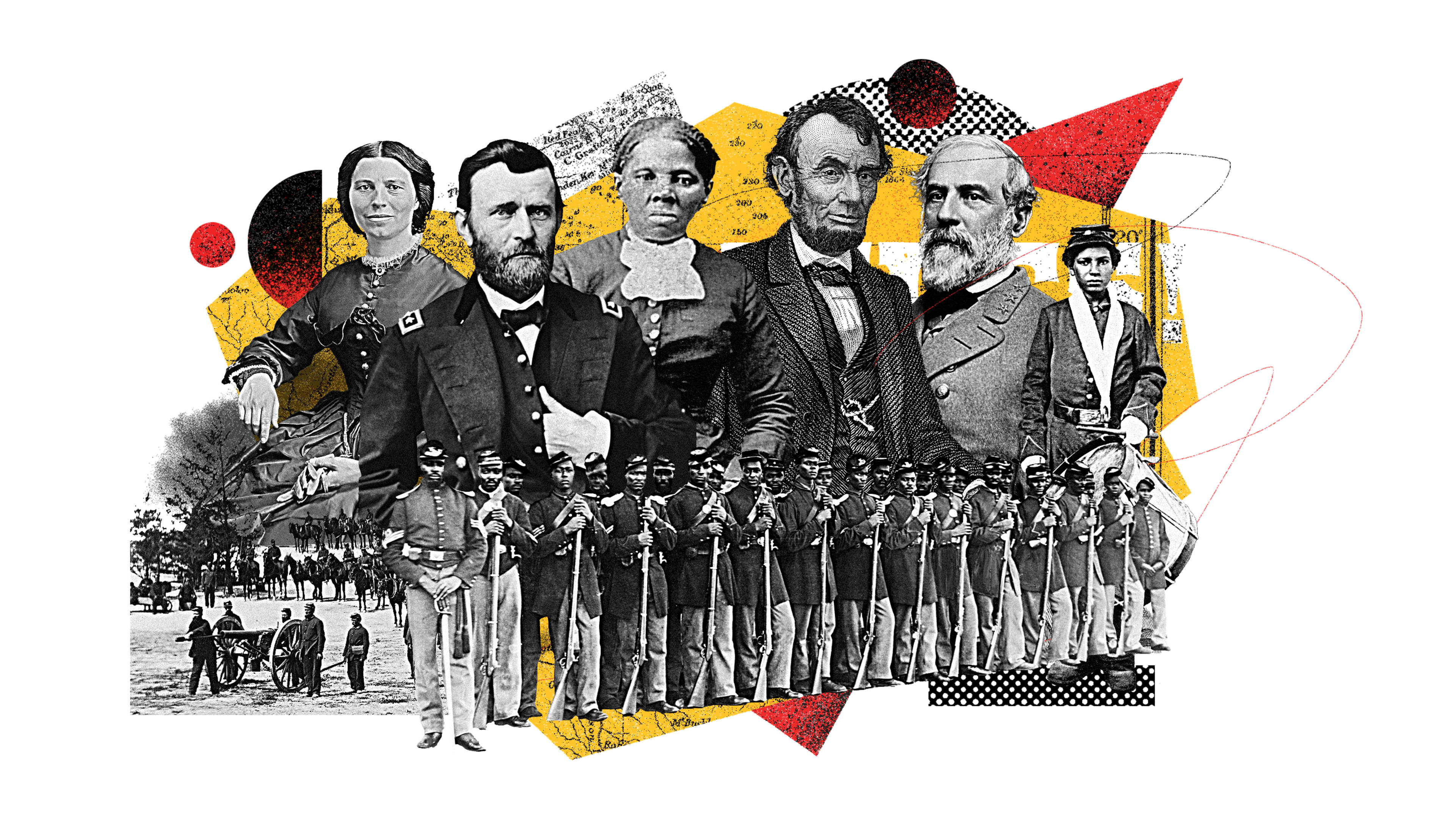
The Climax at Shiloh: A Turning Point in the Western Theater
Determined to redeem his reputation and strike a decisive blow against the invading Union forces, Johnston began concentrating his scattered forces at the vital railway hub of Corinth, Mississippi [2]. Joining forces with General P.G.T. Beauregard, Johnston organized an army of approximately 45,000 men [2]. Meanwhile, a Union army of comparable size was advancing down the Tennessee River, landing at Pittsburg Landing, Tennessee [2]. Johnston recognized that he had a narrow window of opportunity to destroy this force before it could link up with reinforcements under General Don Carlos Buell.
On the morning of April 6, 1862, Johnston launched a massive, surprise offensive near a modest log church known as Shiloh [2]. The ensuing engagement—often referred to as the Battle of Shiloh—became the bloodiest battle in American history up to that point [2]. The clash was marked by intense, chaotic fighting in dense woods and peach orchards, which highlights why Civil War battles often have two names, depending on whether one refers to a nearby landmark like the local Shiloh church or the Union’s waterborne base at Pittsburg Landing.
Johnston’s tactical plan initially succeeded [2]. The furious Confederate onslaught caught the Union camps completely off guard, driving the startled Federal troops back toward the Tennessee River [2]. To maintain the momentum of his inexperienced and disorganized troops, Johnston rode directly to the front lines, exposing himself to intense enemy fire as he personally led charges against stubborn Union defensive pockets, most notably at the infamous ‘Hornet’s Nest.’
The Tragic and Shocking Death of General Johnston
On the afternoon of April 6, while leading a charge against a Union position near the Peach Orchard, Johnston was struck in the leg by a stray bullet—likely a Minié ball fired from a distance, with some historians suggesting it may have even been friendly fire [2]. Unaware of the severity of the wound, Johnston continued to direct his troops [2]. Tragically, the bullet had severed his popliteal artery behind his right knee [2]. Because of the nerve damage suffered decades earlier during his duel with Felix Huston, Johnston could not feel the pain of the arterial tear [2]. His boot slowly filled with blood, and by the time his staff noticed his pale complexion and slumping posture in the saddle, it was too late [2]. Within minutes, the 59-year-old general bled to death in the arms of his staff, having neglected to use a simple tourniquet that was sitting in his own pocket [2].
With Johnston’s sudden death, command devolved to General P.G.T. Beauregard [2]. As dusk fell, Beauregard chose to halt the evening attacks, believing the battle was virtually won and his exhausted troops needed rest [2]. This pause proved fatal to Confederate hopes [2]. Overnight, reinforcements arrived for the Union army, allowing a dramatic counteroffensive the following morning [2]. The delay allowed Union troops to be reinforced, paving the way for a decisive counteroffensive led by Ulysses S. Grant, whose strategic brilliance would ultimately turn the tide of the entire war and secure a crucial Union victory at Shiloh [2].
Chronological Timeline of Albert Sidney Johnston’s Life
- February 2, 1803: Born in Washington, Kentucky [2].
- 1826: Graduates 8th in his class from the United States Military Academy at West Point [2].
- 1832: Serves in the Black Hawk War against Native American tribes [2].
- 1834: Resigns from the U.S. Army to care for his terminally ill wife, Henrietta [2].
- 1836: Relocates to the Republic of Texas; enlists in the Texas Army [2].
- 1837: Wounded in a duel with General Felix Huston over military rank [2].
- 1838–1840: Serves as Secretary of War for the Republic of Texas [2].
- 1846–1848: Serves as Colonel of Texas volunteers in the Mexican-American War [2].
- 1857–1858: Successfully commands the U.S. military expedition in the Utah War [2].
- May 1861: Resigns from the U.S. Army; joins the Confederacy as a full general [2].
- April 6, 1862: Mortally wounded and dies at the Battle of Shiloh at the age of 59 [2].
Fascinating Lesser-Known Facts About Johnston
- The Duel That Sealed His Fate: The duel Johnston fought with Felix Huston in 1837 did not just wound him; it caused permanent nerve damage in his right leg [2]. This lack of sensation directly prevented Johnston from realizing he had been shot in the leg at Shiloh until he had already lost a fatal amount of blood [2].
- A Tourniquet in His Pocket: When Johnston’s body was examined, a simple medical tourniquet was found in his uniform pocket. Had he or his staff realized the nature of his wound earlier, a quick application of this tourniquet could have easily saved his life.
- The Highest-Ranking Combat Fatality: To this day, Albert Sidney Johnston remains the highest-ranking military officer on either side of the American Civil War to be killed in active combat [2]. His loss was a devastating psychological blow to the Confederacy, which never fully recovered its momentum in the Western Theater.
The Long-Term Impact and Why It Matters Today
The death of Albert Sidney Johnston at Shiloh was one of the most critical turning points of the Civil War [2]. His loss permanently destabilized Confederate leadership in the Western Theater, leading to a succession of ineffective commanders and paving the way for the eventual Union conquest of the Mississippi River. The battle itself, with over 23,000 total casualties, shattered any lingering romantic notions of a swift, bloodless conflict. It forced both the North and the South to reckon with the horrifying, industrial-scale reality of modern warfare, accelerating advancements in military medicine, logistics, and field fortifications.
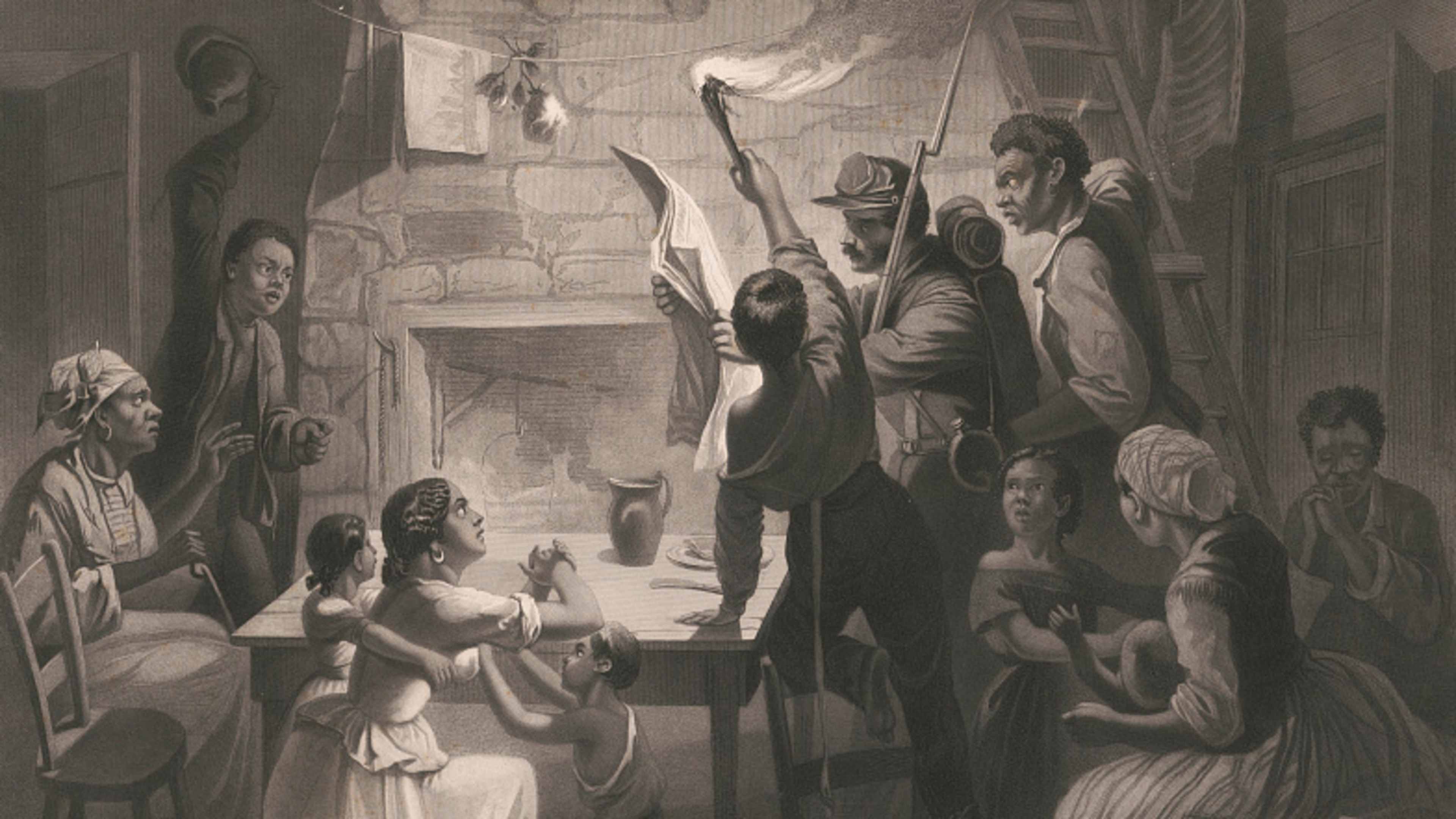
Today, Johnston’s legacy serves as a profound study in military leadership, contingency, and the fine margins of history. The site of his death at Shiloh National Military Park remains a solemn monument to the human cost of the war. His life and death remind us how individual choices, unexpected physical ailments, and the sudden fortunes of the battlefield can alter the destiny of an entire nation.
People Also Ask
Who was Albert Sidney Johnston?
Albert Sidney Johnston was a highly respected military officer who served in three separate armies during his lifetime: the Texas Army, the U.S. Army, and the Confederate Army [2]. He was considered one of the South’s most capable generals during the American Civil War [2].
How did Albert Sidney Johnston die?
Johnston died from blood loss during the Battle of Shiloh on April 6, 1862 [2]. He was struck by a bullet in the back of the knee, which severed his popliteal artery [2]. Due to previous nerve damage, he did not feel the injury and bled to death before receiving medical aid [2].
Why was the Battle of Shiloh so important?
The Battle of Shiloh was a crucial Union victory that opened the way for Federal forces to penetrate deep into the Confederacy’s western heartland [2]. It was also the bloodiest battle in American history up to that point, signaling that the Civil War would be long and incredibly costly [2].
In Conclusion
General Albert Sidney Johnston remains one of the Civil War’s great ‘what-ifs.’ A veteran of multiple frontiers and a leader of immense personal courage, his sudden death on the battlefield of Shiloh not only cost him his life but also cost the Confederacy its best chance of securing the Western Theater [2]. His legacy is etched forever into the soil of Pittsburg Landing—a testament to a brilliant military career cut short by the unpredictable fortunes of war [2].


