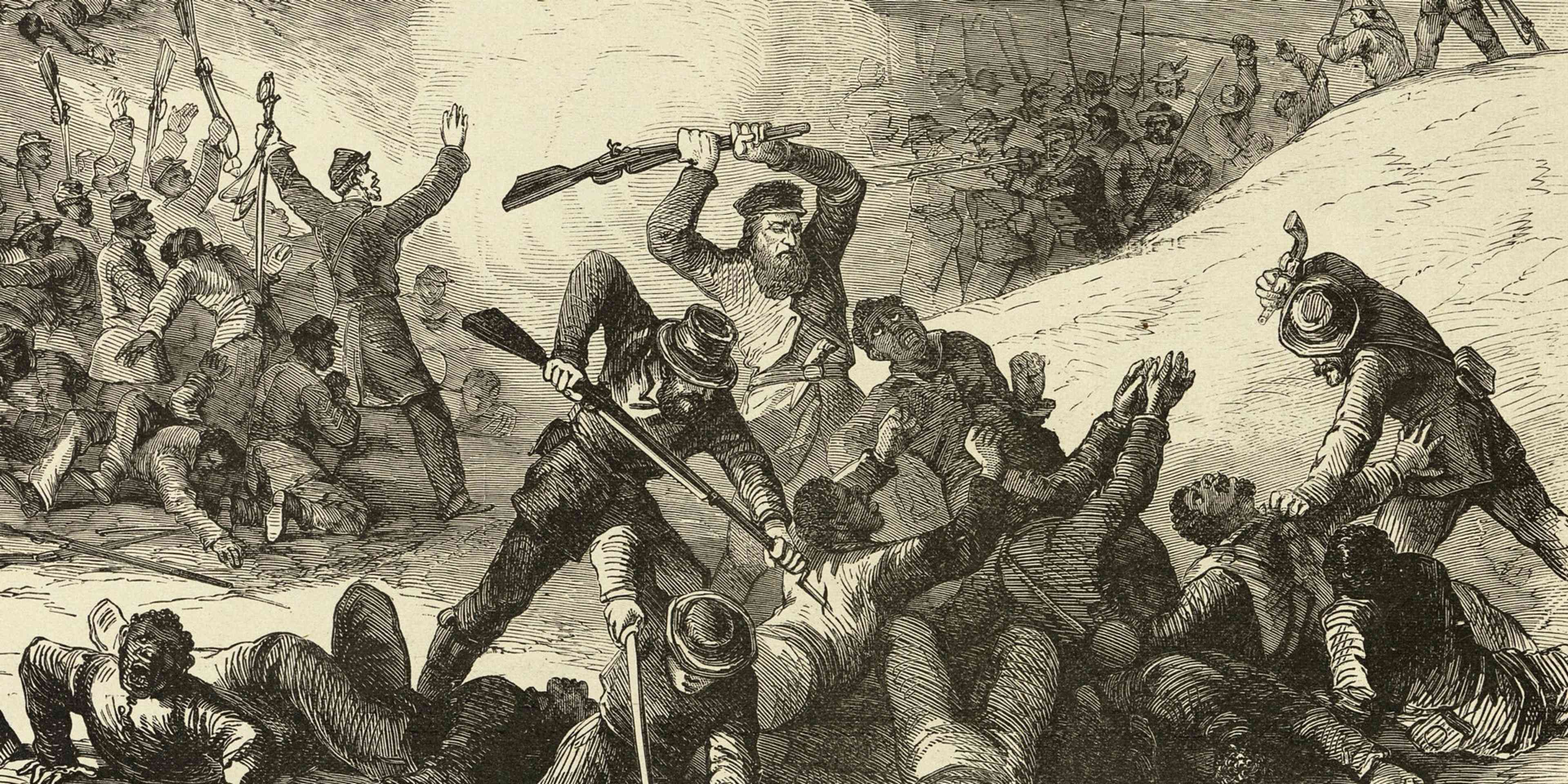
The Fort Pillow Massacre, which occurred on April 12, 1864, remains one of the most chilling and controversial events in American Civil War history. Situated on a high bluff overlooking the Mississippi River in Lauderdale County, Tennessee, Fort Pillow became the stage for a brutal slaughter that exposed the deep-seated racial animosities of the era. On that fateful spring day, Confederate forces under the command of Major General Nathan Bedford Forrest overwhelmed a Union garrison composed of roughly equal numbers of white Unionist Tennesseans and African American soldiers. What followed the capitulation of the fort went far beyond the standard rules of engagement: a systematic slaughter of surrendered troops, with Black soldiers bearing the brunt of the violence. This tragedy not only deeply shocked the Northern public but also fundamentally altered the rules of engagement, halting prisoner exchanges and solidifying the resolve of African American troops who realized they were fighting not just for the Union, but for their very survival.
The Historical Background and Racial Context of 1864
To understand the tragic convergence of events at Fort Pillow, one must look at the strategic importance of the fort and the social dynamics of the Civil War in 1864. Originally constructed by Confederate forces in 1861, Fort Pillow was named after General Gideon Johnson Pillow, a prominent Tennessee native. It served as a critical component of the Confederate river defense system. However, following the Union victories in the Western Theater, federal forces captured the fort in the summer of 1862. By 1864, the fort was garrisoned by approximately 600 Union troops, divided almost equally between the 13th Tennessee Cavalry (white Unionists) and regiments of Black soldiers, including the 6th U.S. Colored Heavy Artillery and a section of the 2nd U.S. Colored Light Artillery.
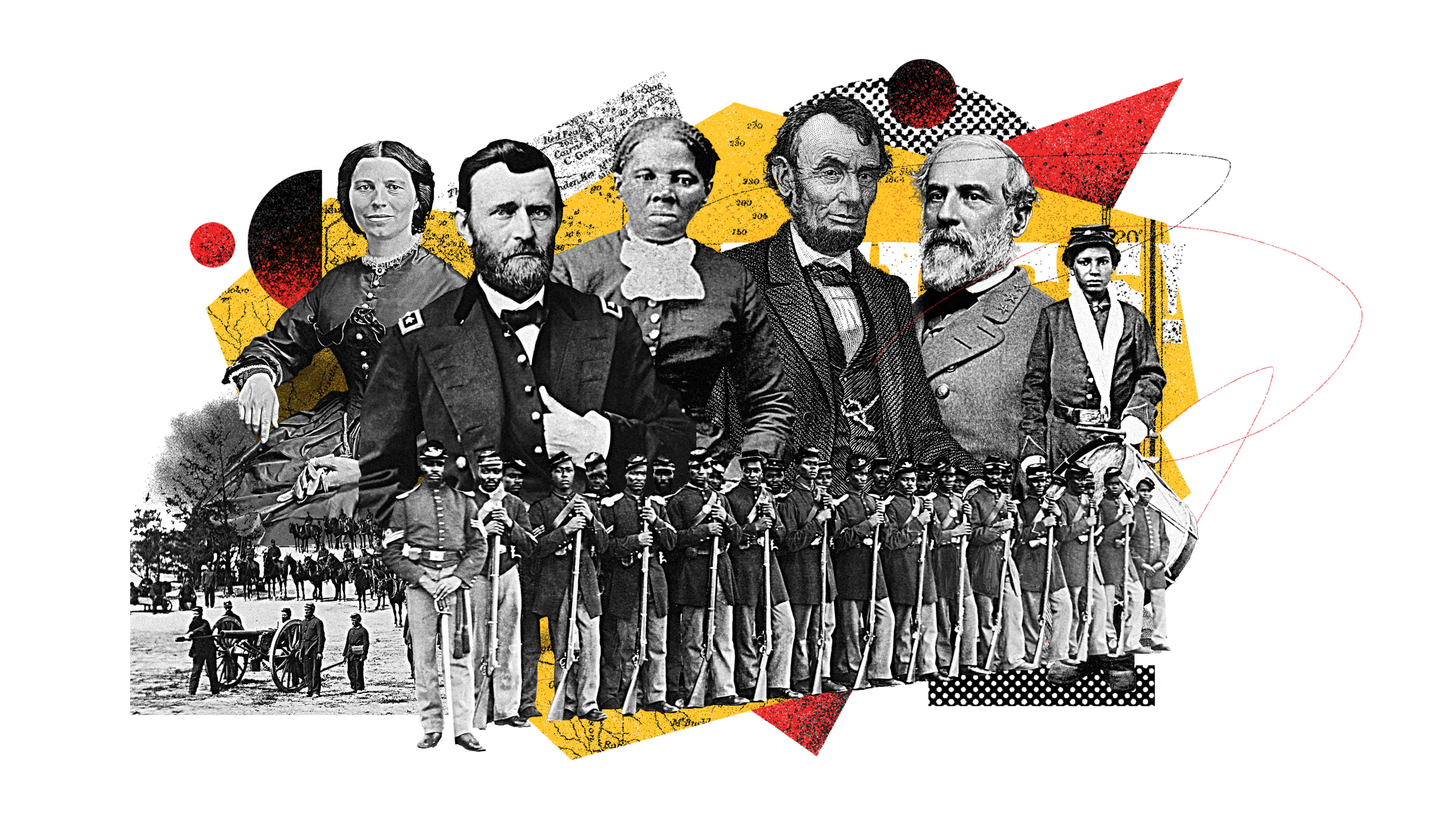
At this juncture of the war, the presence of African American soldiers in Union blue was a source of extreme hostility for the Confederacy. The Emancipation Proclamation had cleared the way for the recruitment of Black troops, a development that challenged the very foundations of Southern society. The Confederate government had officially declared that they would not treat captured Black soldiers or their white officers as traditional prisoners of war (POWs). Instead, they threatened to treat Black troops as rebellious slaves and their officers as instigators of servile insurrection, both of which carried the penalty of death or enslavement. This policy set a dangerous precedent, laying the groundwork for the atrocities that would occur on the banks of the Mississippi. Understanding the complex role of Black soldiers in the military during this era is essential to recognizing the systemic dangers these men faced just by putting on the Union uniform.
Key Events Timeline of the Fort Pillow Massacre
- Early April 1864: Confederate Major General Nathan Bedford Forrest launches a sweeping cavalry raid in western Tennessee and Kentucky to disrupt Union supply lines and capture supplies.
- 5:30 AM, April 12, 1864: Forrest’s cavalry, numbering between 1,500 and 2,500 men, surrounds Fort Pillow and launches an early morning assault, quickly securing the high ground around the fort.
- 9:00 AM: Union commander Major Lionel F. Booth is killed by a Confederate sniper. Command devolves to Major William F. Bradford, who retreats his forces into the inner fortifications.
- 3:30 PM: Forrest sends a flag of truce demanding unconditional surrender, warning that if he has to storm the fort, he will offer no quarter. Bradford requests an hour to consult with his officers and check on arriving Union gunboats.
- 4:00 PM: Fearing the gunboats will bring Union reinforcements, Forrest denies the extension and orders a full-scale assault. In less than twenty minutes, Confederate forces breach the inner walls.
- 4:20 PM – Evening: The Union defense collapses. Although many Union soldiers throw down their arms to surrender, Confederate troops unleash a relentless barrage of gunfire, targeting the fleeing and surrendered soldiers, particularly the African Americans.
The Crucial Figures and Their Legacies
The human element of Fort Pillow is best understood by examining the prominent individuals who shaped that day, as well as their post-war historical impact:
- Major General Nathan Bedford Forrest: A brilliant but highly controversial Confederate cavalry commander and pre-war slave trader. Forrest’s role in the massacre remains a subject of intense historical debate. While his supporters argued he lost control of his men in the heat of battle, critics and survivors asserted that his explicit threats of “no quarter” and delayed intervention directly sanctioned the slaughter. Following the war, Forrest’s notoriety grew as he served as the first Grand Wizard of the Ku Klux Klan, cementing his controversial legacy in American racial history.
- Major Lionel F. Booth: The initial Union commander at Fort Pillow. His early death during the battle left the garrison in a state of leadership confusion at a critical moment.
- Major William F. Bradford: A white Tennessean who took command after Booth’s death. Lacking military experience, Bradford made several tactical errors, including holding out hope for naval support that never materialized. He was captured after the battle and later shot by his Confederate captors under highly suspicious circumstances.
Major Turning Points: The Collapse and the Cry of “No Quarter”
The pivotal turning point of the battle occurred when the Confederate forces breached the inner parapet. Unlike typical engagements where a breach leads to a formal surrender, the chaos at Fort Pillow devolved into a slaughter. Witnesses reported that as Union troops surrendered and threw down their weapons, they were systematically shot, bayoneted, or pushed into the river.

The brutality was disproportionately directed toward the Black troops. Out of the roughly 300 Black soldiers in the garrison, over 60 percent were killed, compared to a much lower casualty rate among the white Unionists. Accounts from survivors described horrific scenes of injured men being burned alive or buried in shallow graves while still breathing. This event marked a crucial psychological turning point: for the 54th Massachusetts Infantry and other United States Colored Troops (USCT), “Remember Fort Pillow!” became a rallying cry. It transformed their service from a fight for national preservation into an existential battle for human dignity and survival.
Long-Term Impact on America
The long-term ramifications of the Fort Pillow Massacre reverberated across the divided nation. First, the tragedy halted the Dix-Hill Cartel, the established system of prisoner-of-war exchanges. Union General Ulysses S. Grant demanded that the Confederacy treat Black soldiers equally to white soldiers in prisoner exchanges. When the Confederacy refused, Grant suspended all exchanges. While this decision ultimately strained the South’s limited manpower, it also led to overcrowded POW camps in both the North and South, contributing to the horrific conditions at places like Andersonville.
Second, the massacre highlighted the profound courage and sacrifices of African American soldiers. Despite facing the threat of death or enslavement upon capture, African Americans continued to enlist in massive numbers, eventually comprising nearly 10 percent of the Union Army. Their valor helped secure a Union victory and laid the groundwork for post-war constitutional amendments, including the 13th, 14th, and 15th Amendments, which redefined citizenship and civil rights in America.
Lesser-Known Facts About Fort Pillow
- The “No Quarter” Warning: Before storming the fort, Forrest sent a written message stating, “Should my demand be refused, I cannot be responsible for the fate of your command.” In 19th-century military parlance, this was widely understood as a threat that no quarter would be given.
- The Congressional Investigation: The U.S. Congress Joint Committee on the Conduct of the War conducted a thorough investigation shortly after the battle. They traveled to Mound City, Illinois, to interview wounded survivors, collecting graphic testimonies that solidified the Northern view of the event as an unmitigated war crime.
- The Fate of the Fort Today: Today, the site of this tragedy is preserved as Fort Pillow State Historic Park in Tennessee. Visitors can view the restored breastworks and gain a deeper understanding of the natural topography that played such a critical role in the battle’s outcome.
Why It Still Matters Today
The legacy of Fort Pillow continues to resonate in contemporary discussions about race, war crimes, and historical memory. The debate over how Nathan Bedford Forrest is remembered—ranging from his military brilliance to his connection to the Ku Klux Klan and the massacre—reflects ongoing national conversations about monuments and public memorials. Furthermore, the event serves as a stark reminder of the complexities of the American struggle for equality, highlighting that the path to civil rights was forged in the fires of immense sacrifice and overcoming systematic brutality.
People Also Ask (FAQ)
Who was responsible for the Fort Pillow Massacre?
Major General Nathan Bedford Forrest commanded the Confederate forces that carried out the massacre. While defenders argue he was unable to control his troops once they breached the fort, historical consensus and testimonies indicate his threats and rhetoric fostered an environment where the slaughter of surrendered Black soldiers was permitted, if not actively encouraged.
How many people died at the Fort Pillow Massacre?
Of the approximately 600 Union soldiers garrisoning Fort Pillow, roughly 300 to 350 were killed, the vast majority of whom were African American. This stood in stark contrast to normal battle casualty rates, proving that a massacre occurred after surrender.
Did the Fort Pillow Massacre affect the outcome of the Civil War?
Yes, significantly. It led to the suspension of prisoner-of-war exchanges by the Union, which put immense strain on Southern manpower. It also provided a powerful moral rallying cry (“Remember Fort Pillow!”) that galvanized Union forces, especially United States Colored Troops, to fight with absolute determination.
Conclusion
The Fort Pillow Massacre remains one of the darkest chapters of the American Civil War, a sobering reminder of the high cost of freedom and the brutal realities of racial conflict in 19th-century America. By examining this tragedy with historical accuracy and respect, we honor the memory of those who fell and better understand the complex, enduring journey toward justice and equality in the United States.


