In the immediate aftermath of the American Civil War, one of the most bizarre and audacious military campaigns in North American history took place along the Canadian border: the Fenian Raids. Driven by deep-seated anger over centuries of British oppression and radicalized by the horrors of the Great Irish Famine, thousands of Irish-American Civil War veterans banded together under the banner of the Fenian Brotherhood. Their plan was as preposterous as it was daring: invade British-ruled Canada, conquer its territories, and hold them hostage to demand the independence of Ireland from the British Crown. Far from a disorganized mob, these hardened soldiers brought real combat experience to the battlefield, turning the borderlands into an active war zone. This often-overlooked episode of American history played a pivotal role in redefining Anglo-American relations, testing the limits of presidential neutrality, and shaping the destiny of Canada.
Historical Background: The Birth of the Fenian Brotherhood
To understand the motivations behind the Fenian Raids, one must look to the devastating trauma of the Great Famine (the Potato Crop Failure of 1845) and the centuries of British colonial rule in Ireland. Many Irish immigrants who fled to the United States during this era viewed the British government’s lackluster response to the famine as a deliberate attempt to eliminate Irish culture and people. When the American Civil War erupted, hundreds of thousands of Irishmen enlisted in both the Union and Confederate armies, gaining invaluable tactical training, weapons experience, and battlefield leadership. By 1865, these seasoned veterans were eager to turn their attention toward a common enemy: the British Empire. Because crossing the Atlantic to fight in Ireland was logistically challenging, the Fenians realized that British Canada—the closest piece of the Crown’s territory—was the ultimate target. Under the rallying cry of the Fenian Brotherhood, led in America by John O’Mahony and later William Randall Roberts, they organized an army to strike across the northern border.
The Double-Dealing of the White House
The Fenians’ plan ran directly contrary to the U.S. Neutrality Laws of 1818, which forbade military expeditions launched from American soil against peaceful nations. However, the movement enjoyed the tacit blessing and passive support of President Andrew Johnson and his administration. In the post-Civil War era, relations between the United States and Great Britain were highly strained. The U.S. demanded heavy financial reparations (known as the Alabama Claims) because British-built Confederate warships had decimated Union merchant shipping. Johnson utilized the Fenian Brotherhood as a geopolitical lever, allowing the Irish militants to organize, purchase surplus military arms, and even establish a government-in-exile in New York City. This strategic blind eye was a form of diplomatic leverage, but it also reflected President Andrew Johnson’s controversial use of executive authority to secure the support of the powerful Irish-American voting bloc, which was highly influential in post-war Northern politics.
Chronological Timeline of the Fenian Raids (1866–1871)
- April 1866 – The Campobello Island Raid: A small faction of the Fenian Brotherhood led by John O’Mahony attempted to seize Campobello Island in New Brunswick to establish a base of operations. The operation was quickly dispersed by a combination of British warships and U.S. Navy intervention.
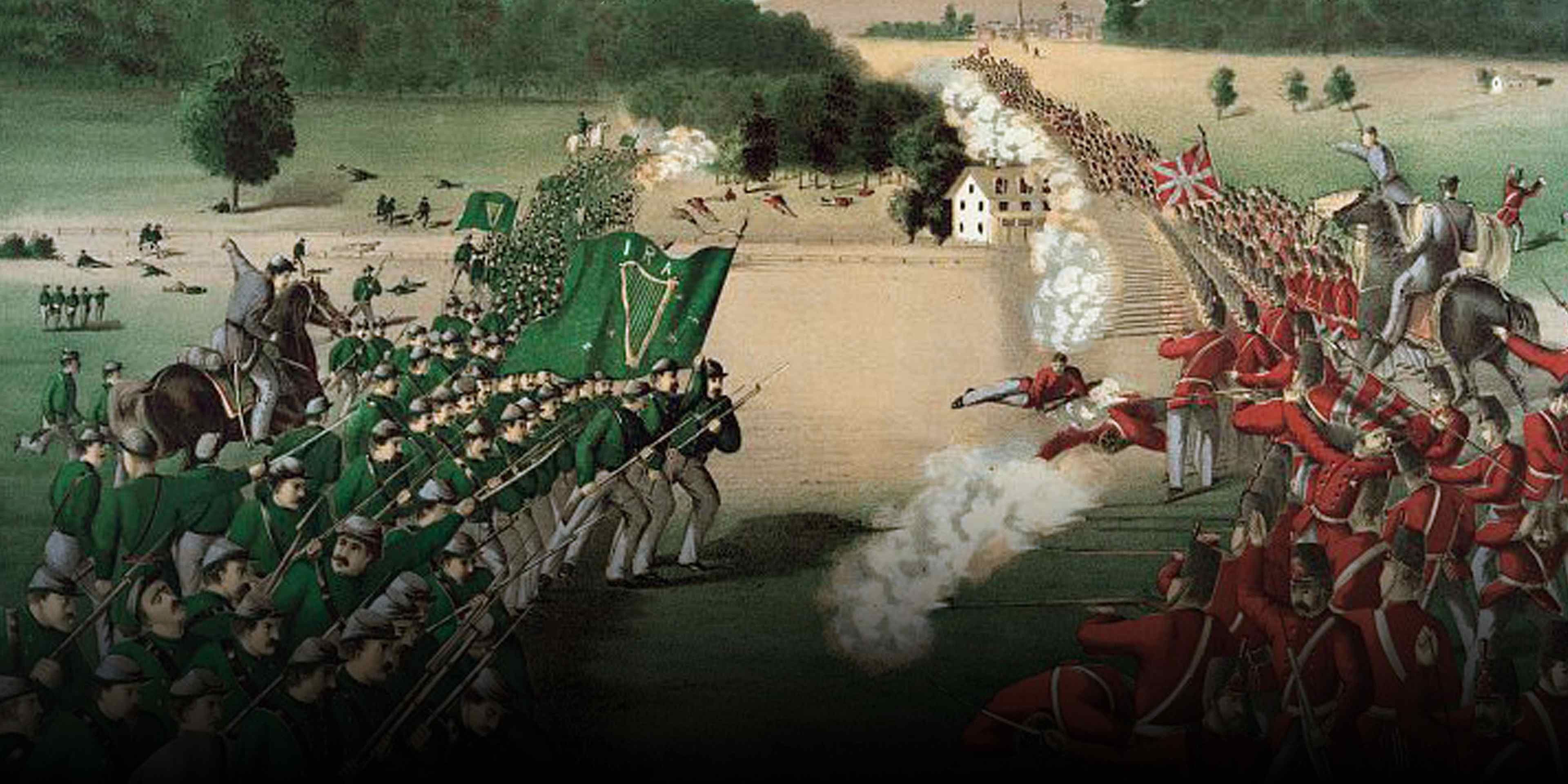
- June 1, 1866 – The Invasion of Canada and the Battle of Ridgeway: Led by charismatic Civil War veteran John O’Neill, an army of roughly 800 Fenians crossed the Niagara River into Canada West (modern-day Ontario). On June 2, O’Neill’s veterans routed a makeshift defense of Canadian volunteers and University of Toronto students at the Battle of Ridgeway, achieving the first Irish military victory over British forces since 1745.
- June 7, 1866 – Pigeon Hill Incursion: Fenian Brigadier Samuel P. Spear led a force of over 1,000 men across the Vermont border into Quebec, occupying Pigeon Hill. They withdrew after running out of supplies and realizing the U.S. government had begun enforcing border neutrality.
- May 1870 – The Battle of Eccles Hill: Now serving as the elected president of the Fenian Brotherhood Senate, John O’Neill launched another raid into Quebec. However, British spies had infiltrated the organization, and Canadian militia easily repelled the attack at Eccles Hill.
- October 1871 – The Manitoba Fiasco: In a final, desperate attempt, O’Neill led a tiny force into Manitoba. The raid collapsed into near-comedy when O’Neill seized a customs post and a Hudson’s Bay Company post, only to discover the buildings were actually located on U.S. soil in Minnesota. He was promptly arrested by the U.S. Army.
Key Historical Figures
Several vital personalities shaped this tumultuous era of North American border history:
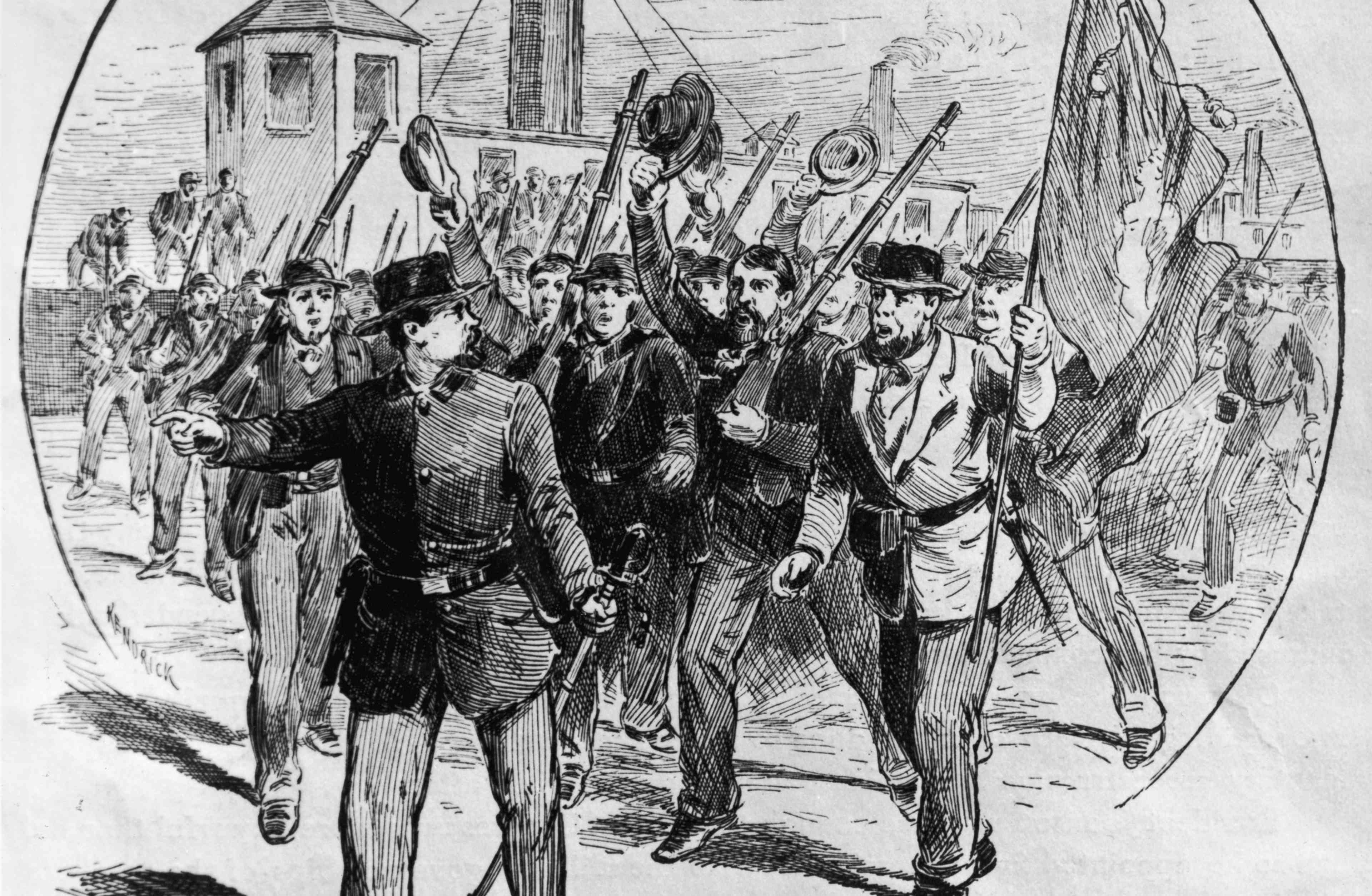
- John O’Neill: A highly capable Union Army veteran who took over the Niagara invasion force in 1866. O’Neill’s tactical brilliance led to the victory at Ridgeway, and he spent the rest of his life obsessed with invading Canada to liberate Ireland.
- Thomas William Sweeny: A legendary, one-armed Civil War general who lost his limb in the Mexican-American War. Sweeny served as the “Secretary of War” for the Fenian Brotherhood and crafted the multi-pronged strategic plan to hold Canada hostage.
- President Andrew Johnson: The 17th U.S. president who initially tolerated the Fenians for political and diplomatic leverage against Great Britain, before suddenly ordering the enforcement of neutrality laws once British diplomatic negotiations shifted.
Major Turning Points and the Shift in American Policy
The turning point of the Fenian movement came in June 1866 immediately after the Battle of Ridgeway. As thousands of enthusiastic Irish-Americans rushed to the border to join O’Neill’s victorious forces, the U.S. government realized the situation was spiraling out of control. Fearing a full-scale war with the British Empire, President Andrew Johnson officially issued a proclamation demanding the upholding of U.S. neutrality laws. Federal marshals seized Fenian supply lines, impounded ammunition, and closed the borders. Stripped of reinforcements and supplies, O’Neill’s army was forced to retreat back across the Niagara River. While the Fenians felt deeply betrayed by the White House, this shift marked the end of any official American tolerance for armed cross-border incursions.
Long-Term Impact on North America and Ireland
Though the Fenian Raids failed to secure Ireland’s freedom, they fundamentally altered the course of history on both sides of the border. Most significantly, the threat of continued American invasions acted as the primary catalyst for Canadian Confederation. Realizing that the British military could not adequately defend their vast border, the separate British North American provinces united to form the Dominion of Canada in July 1867. Ironically, the Fenians succeeded in forging a brand-new sovereign nation—just not the one they intended. For Ireland, the transatlantic network established by the Fenians laid the financial, political, and operational groundwork for the Irish Republican Brotherhood, which would successfully win Irish independence over fifty years later.
Fascinating and Lesser-Known Facts
- United Under the Green Flag: The Fenian invasion force represented a rare post-war reconciliation. Former Union and Confederate soldiers, who had spent years killing one another on the battlefields of the Civil War, marched shoulder-to-shoulder into Canada, wearing their old blue and gray uniforms adorned with green ribbons.
- Going Home on the Taxpayer’s Dime: Following the 1866 raid, thousands of destitute Fenian soldiers were stranded at the border without money. To prevent riots and appease Irish-American voters, the Johnson administration actually paid for the defeated invaders’ train tickets home.
- A History of Northern Invasions: The Fenian Raids were not the first time Americans looked north with conquest in mind. The campaign echoes the early days of the American Revolution, when Benedict Arnold tried to capture Quebec in a bold but disastrous attempt to bring Canada into the revolutionary fold.
Why the Fenian Raids Still Matter Today
Today, the U.S.-Canada border is celebrated as the longest undefended border in the world, making the memory of nineteenth-century military incursions seem like a distant fantasy. Yet, the Fenian Raids remain highly relevant as a study of how diasporic communities can leverage local political systems to influence international geopolitics. This era marked the birth of modern transnational revolutionary financing, establishing a precedent for American involvement in Irish republicanism that lasted through the Troubles and the signing of the Good Friday Agreement. Additionally, understanding the Fenian threat is essential to appreciating Canada’s unique national identity and its journey toward self-governance, showing how modern nations are often forged in the crucible of unexpected conflict.
People Also Ask (FAQ)
What were the Fenian Raids?
The Fenian Raids were a series of armed incursions carried out by the Fenian Brotherhood, an Irish-American republican organization, into British Canada between 1866 and 1871. Their objective was to capture Canadian territory and hold it hostage to pressure Great Britain into granting Ireland its independence.
Did the U.S. government support the Fenian Raids?
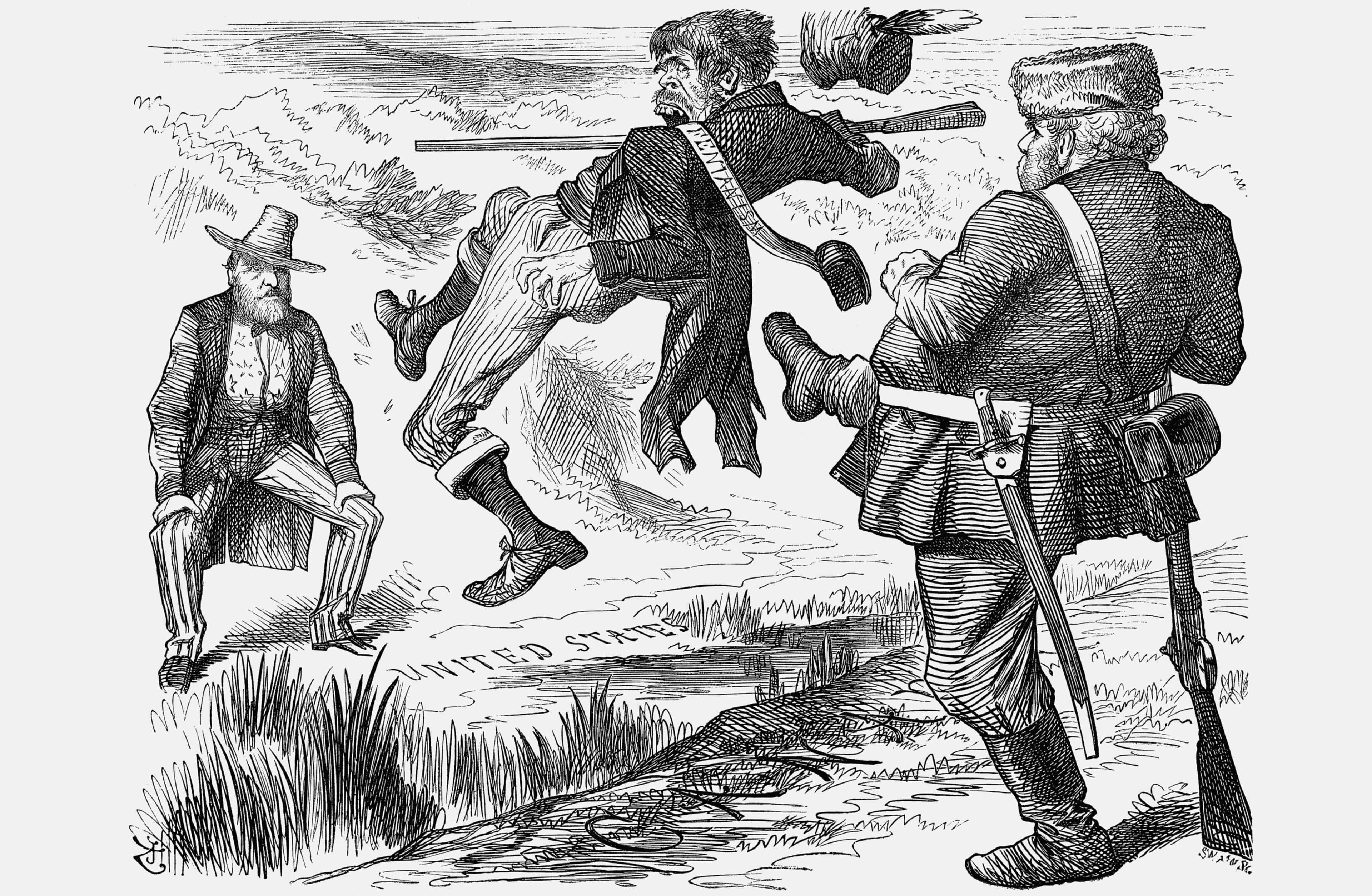
Initially, President Andrew Johnson’s administration turned a blind eye to the Fenians to pressure Britain over Civil War reparations. However, once the raids began to threaten international peace, the U.S. government actively enforced its neutrality laws, cut off Fenian supply lines, and arrested key leaders.
What was the Battle of Ridgeway?
Fought on June 2, 1866, the Battle of Ridgeway was the most successful engagement of the Fenian Raids. A force of Irish-American Civil War veterans led by John O’Neill defeated a larger, inexperienced force of Canadian militia and volunteers near Ridgeway, Ontario.
How did the Fenian Raids impact Canada?
The raids were a primary catalyst for Canadian Confederation in 1867. The threat of armed incursions from the United States forced the British provinces of North America to unite under a central federal government to secure their mutual defense.
Conclusion
The Fenian Raids stand as one of the most remarkable chapters in nineteenth-century American history. Driven by a burning desire to avenge the suffering of their homeland, Irish-American veterans attempted to rewrite the geopolitical map of North America. While their quixotic quest to ransom Canada for Irish independence ultimately failed, their actions triggered the birth of modern Canada and built the revolutionary infrastructure that would eventually help Ireland win its freedom. It remains a powerful testament to the far-reaching consequences of immigrant heritage and post-war ambition in the American story.


