In the frosty twilight of 1775, as the flames of rebellion began to consume the North American continent, a daring military plan was hatched that could have rewritten the map of the modern world. Today, the name Benedict Arnold is synonymous with betrayal, but during the opening acts of the American Revolutionary War, he was one of the Continental Army’s most fiercely brilliant and courageous officers. Benedict Arnold’s invasion of Quebec in the winter of 1775 was an audacious strategic gambit designed to bring Canada into the revolutionary fold as a fourteenth colony. Had this high-stakes expedition succeeded, it would have dealt a crushing blow to the British Empire and secured Arnold’s place in the pantheon of America’s greatest founding heroes. Instead, a series of catastrophic tactical errors, harsh wilderness conditions, and plain bad luck transformed a brilliant strategy into a devastating defeat. This historic campaign not only failed to capture Canada but also initiated the slow, bitter path of disillusionment that would eventually lead Arnold to commit the ultimate act of treason against his young nation.
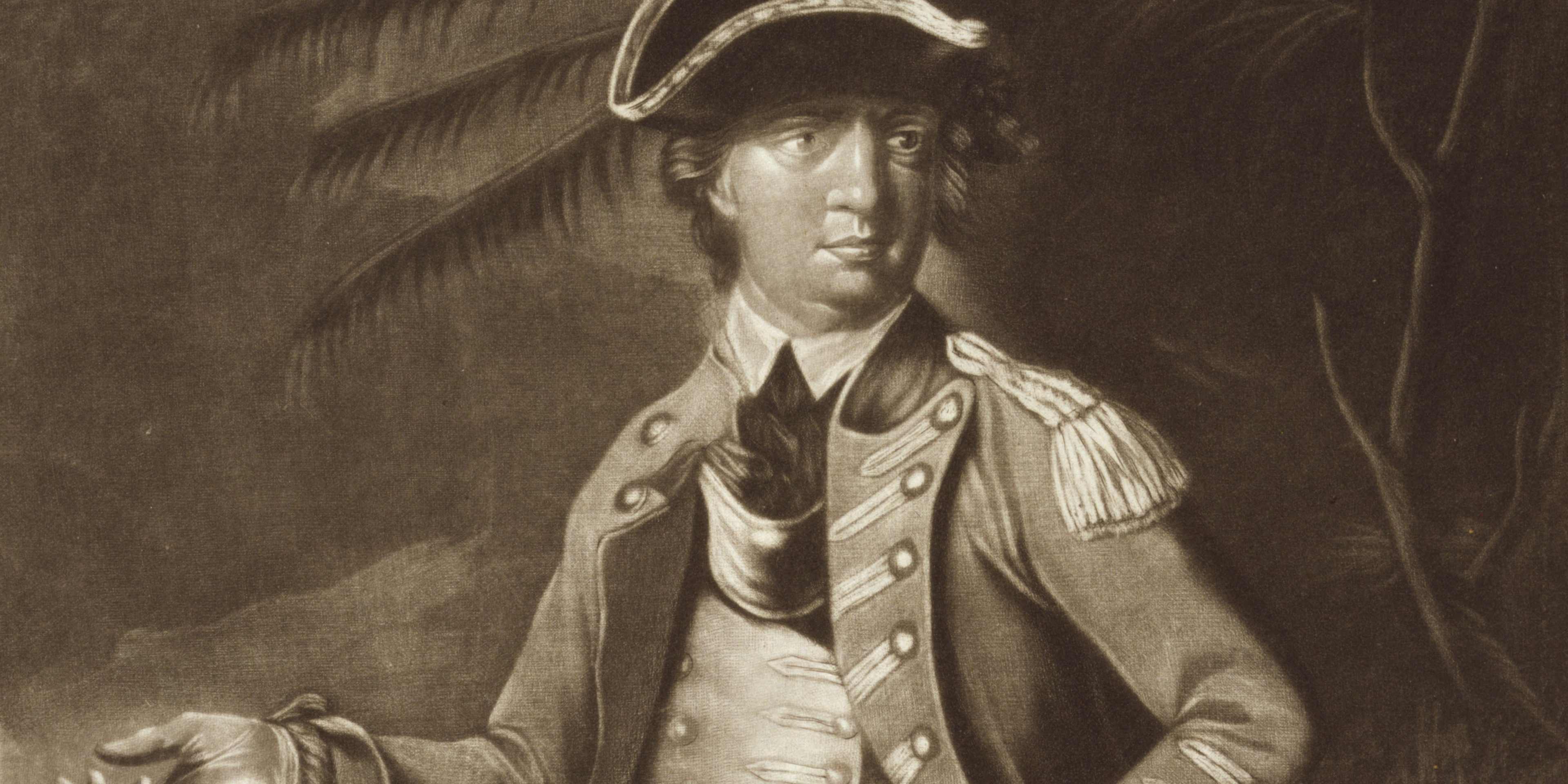
By the summer of 1775, the newly formed Continental Army under the command of General George Washington faced a daunting strategic puzzle. The war had begun at Lexington and Concord, but the British still held powerful strongholds to the north in Canada. Washington and other military leaders recognized that Canada served as a perfect staging ground for British troops to launch counter-invasions southward, splitting the original 13 colonies along the Hudson River valley.
In response, a plan for a pre-emptive strike emerged. The goal was twofold: military and political. Militarily, capturing Montreal and Quebec City would neutralize British forces in North America and secure a vital northern buffer. Politically, the Americans hoped that the French-Canadian population—who had only recently come under British rule following the Seven Years’ War—would rise up in rebellion alongside their southern neighbors. In June 1775, Colonel Benedict Arnold proposed this exact invasion to the Continental Congress, arguing that taking Quebec would not only cripple the British but also secure lucrative trade routes, including the highly profitable Canadian fur trade and vast storehouses of grain.
The Grand Strategy: Washington’s Two-Pronged Plan
George Washington was highly receptive to Arnold’s strategic vision, but rather than a simple frontal assault, he opted for a complex, highly coordinated two-pronged invasion. This bold strategy was designed to catch the British forces in Canada completely off guard. The execution of this plan required absolute synchronization and immense endurance from the troops involved.
- The Western Wing: Led by Brigadier General Richard Montgomery, this force of approximately 1,200 men would advance northward from New York via Lake Champlain, with the immediate goal of capturing Montreal before marching on to Quebec.
- The Eastern Wing: Led by Colonel Benedict Arnold, this contingent of roughly 1,050 men would embark on a secret, grueling journey from Massachusetts, sailing up the coast to Maine and then marching directly through the uncharted Maine wilderness to surprise Quebec City from the east.
On paper, the strategy was masterful. The British had fewer than 1,000 regular troops defending the entire region of Canada, and Quebec City itself was guarded by a meager garrison of fewer than 300 soldiers. However, the plan relied heavily on accurate maps, cooperative weather, reliable logistics, and local Canadian support—none of which would go according to plan.
Key Events Timeline: The Grueling March and the Final Clash
To understand the sheer scale of the hardships faced by Arnold’s men, we must look at the tragic chronological progression of the 1775 expedition:
- June 1775: Benedict Arnold formally proposes the invasion of Canada to George Washington and the Continental Congress.
- September 1775: After delays in securing pay for the soldiers, Arnold’s eastern force officially departs from Newburyport, Massachusetts, bound for the Kennebec River in Maine.
- October 1775: The expedition encounters severe logistical disaster. The heavy wooden bateaux constructed for the journey begin to leak and sink. A massive hurricane strikes the region, destroying precious provisions and causing widespread illness.
- Late October 1775: Starving and exhausted, nearly half of Arnold’s force deserts or is sent back due to illness. The remaining men are forced to eat candle wax, leather shoes, and soap to survive.
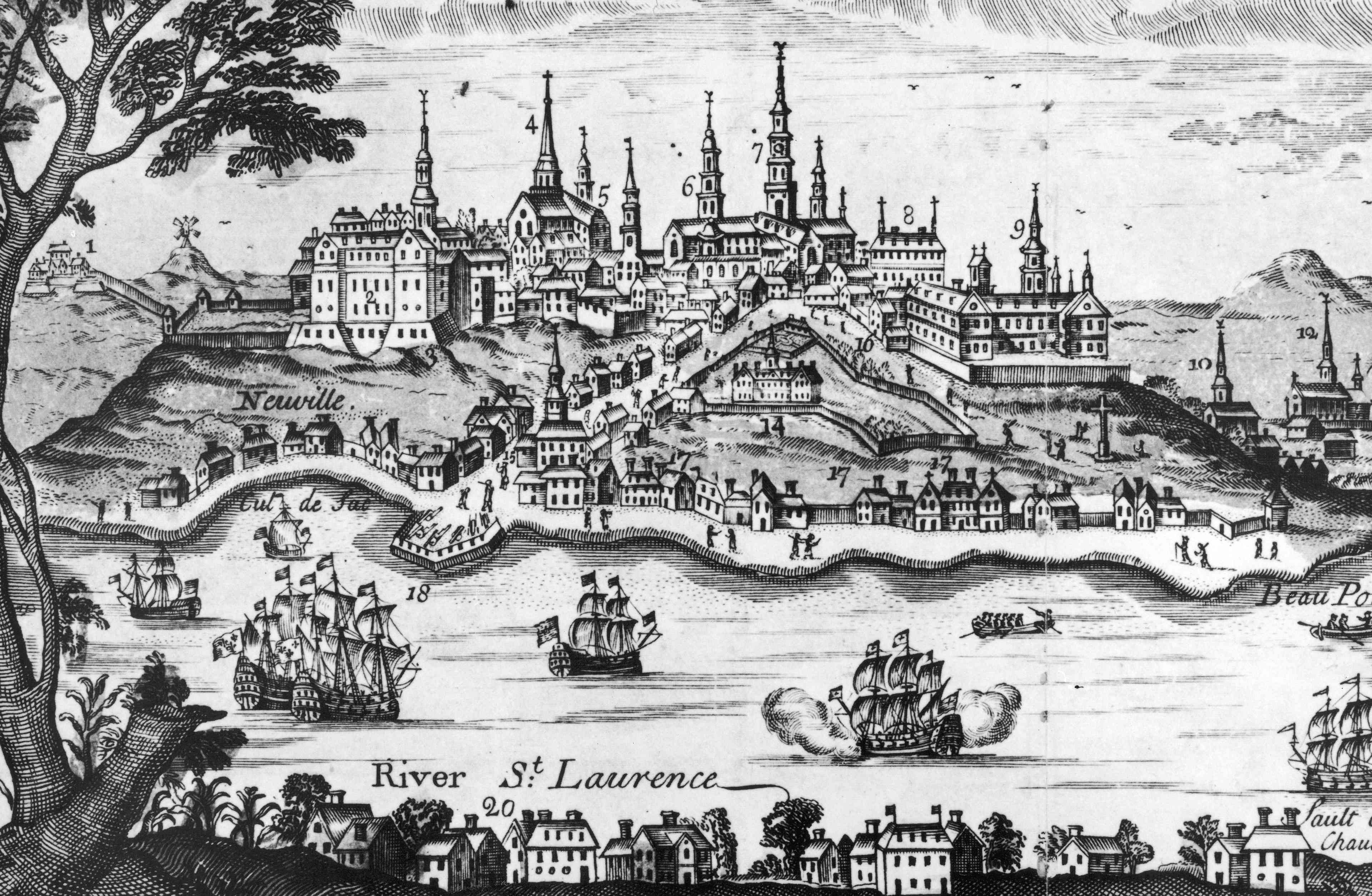
- November 9, 1775: Arnold reaches the St. Lawrence River opposite Quebec City with only 675 surviving men—a starved, poorly armed shadow of the original force.
- November 13, 1775: General Montgomery successfully captures Montreal and hastens downriver to join forces with Arnold outside the walls of Quebec.
- December 31, 1775: The combined American forces launch a desperate assault on Quebec City during a blinding blizzard on New Year’s Eve. The attack ends in a catastrophic defeat.
- May 1776: British reinforcements arrive by sea, forcing the remaining American forces to abandon the siege and retreat southward for good.
Major Turning Points: Where Everything Went Wrong
The Treacherous Bateaux and Sabotaged Logistics
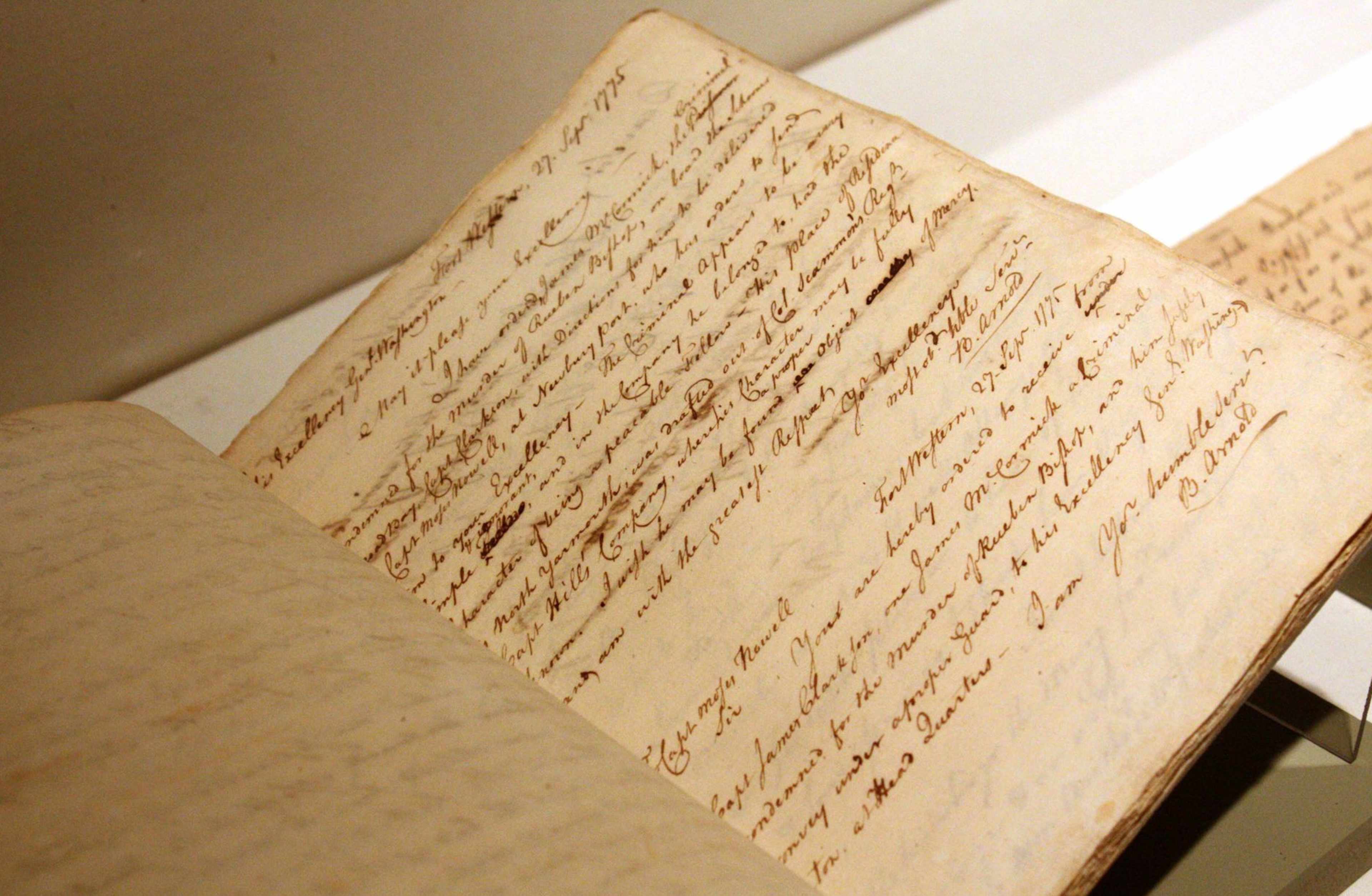
One of the earliest and most devastating setbacks occurred before the march even reached the deep wilderness. The expedition had contracted a Maine shipbuilder named Reuben Colburn to build 200 bateaux (flat-bottomed wooden boats) to transport the men and supplies up the Kennebec River. Unbeknownst to Arnold, Colburn was a British loyalist sympathizer. He deliberately constructed the vessels using heavy green pine wood instead of seasoned lumber, and omitted the crucial caulking. As a result, when the boats were launched, they quickly absorbed water, became incredibly heavy, and began to break apart, sending vital food supplies, gunpowder, and medicines to the bottom of the river.
The Wrath of Nature: Hurricane and Wilderness
The geography of northern Maine was vastly misrepresented on the maps Arnold possessed. What was supposed to be a relatively straightforward 180-mile journey turned into a grueling 350-mile trek through dense bogs, tangled forests, and freezing mountains. In mid-October, a massive hurricane swept through the Northeast, causing the rivers to swell into raging torrents. The floods swept away the remaining dry provisions. The men were plunged into freezing water, carrying heavy, waterlogged boats over mountain passes. By the time they reached Canada, they had lost nearly 400 men to desertion, drowning, and starvation.
The New Year’s Eve Blizzard and the Fatal Volley
By the time Montgomery and Arnold united their forces in December, British commander Sir Guy Carleton had fortified Quebec City with veteran Scottish soldiers. Recognizing that their enlistments would expire on January 1st, Montgomery and Arnold decided to launch a surprise attack under the cover of a massive blizzard on the night of December 31, 1775. The attack was a disaster. As Montgomery’s column advanced, a single, devastating volley of British grape-shot killed Montgomery and his senior officers instantly. Meanwhile, Arnold’s column was pinned down, and Arnold himself was severely wounded in the left leg. The assault crumbled, leaving over 400 Americans captured, killed, or wounded.
The Cultural Barrier: Why the French Canadians Resisted
A major assumption of the American strategy was that French Canadians would eagerly join the fight against British rule. However, George Washington and Benedict Arnold severely underestimated the political impact of the Quebec Act of 1774. Passed by the British Parliament, this act restored French civil law and, crucially, guaranteed religious freedom and property rights to the Roman Catholic population of Canada.
The religious diversity of America’s 13 colonies was marked by a deeply rooted Protestant culture, particularly in New England, where anti-Catholic sentiment was historically strong. French Canadians viewed the invading American army not as liberators, but as a hostile force of anti-Catholic New Englanders who might revoke their newly won religious rights. Consequently, the local populace remained largely neutral or actively supported the British crown, completely undermining the political goals of the American campaign.
Long-Term Impact: The Birth of a Traitor and a Hardened Border
The failure of the Quebec campaign had profound structural and psychological consequences for the American Revolution. If we look closely at the 13 colonies map, we can see that Canada remained a secure base of operations for the British Empire throughout the rest of the war, forcing the United States to constantly defend its northern frontier.
Perhaps the most significant long-term impact was on the psyche of Benedict Arnold himself. Despite his extraordinary bravery and tactical brilliance—including a masterful defensive action at the Battle of Valcour Island in 1776—Arnold was repeatedly passed over for promotions by the Continental Congress, who favored politically connected officers over battle-tested field commanders. The bitterness and financial ruin that began with his disastrous, self-funded expedition to Quebec accumulated over the years, eventually driving him to negotiate the surrender of West Point to the British in 1780.
Lesser-Known Facts About the Quebec Expedition
- The Starving Soldiers Ate Hair Powder: During the worst days of the wilderness march, desperate soldiers resorted to boiling their leather cartridge boxes, moccasins, and even using powder made of starch to thicken thin broths made from boiled water.
- Arnold’s Clever ‘Shell Game’: Even after their catastrophic defeat on New Year’s Eve, Arnold refused to lift the siege of Quebec. With only a hundred active soldiers left, he constantly moved a single cannon from one position to another, firing it to trick Sir Guy Carleton into believing that a massive American army still surrounded the city.
- A Heroic Leg: The left leg in which Arnold was shot at Quebec would be shattered again at the Battle of Saratoga in 1777. Today, Saratoga National Historical Park features a unique ‘Boot Monument’ that honors Arnold’s heroic leg while deliberately refusing to mention his traitorous name.
Why This History Still Matters Today
The invasion of Quebec is a powerful reminder that military victory is rarely determined solely by strategic brilliance. It highlights the absolute critical nature of logistics, supply chains, and environmental intelligence—lessons that modern military strategists and geopolitical analysts study to this day. Furthermore, it serves as a fascinating ‘what-if’ of North American history. Had Arnold succeeded, modern Canada might well be part of the United States, completely altering the political, cultural, and economic landscape of the Western Hemisphere.
People Also Ask
Why did Benedict Arnold attack Quebec?
Arnold attacked Quebec to eliminate Canada as a British military staging ground, to secure the valuable Canadian fur trade and wheat supplies, and to encourage French Canadians to join the American colonies in their rebellion against Britain.
Who won the Battle of Quebec in 1775?
The British forces, led by Governor Sir Guy Carleton, won the Battle of Quebec. The American forces suffered a devastating defeat, resulting in the death of General Montgomery and the wounding of Benedict Arnold.
How did the weather affect the American invasion of Canada?
Extreme weather was a primary cause of the invasion’s failure. A massive hurricane flooded rivers in Maine, destroying supplies, and a blinding winter blizzard on New Year’s Eve ruined the visibility and element of surprise during the final assault on Quebec City.
Conclusion: The Tragic Legacy of Arnold’s Boldest Campaign
Ultimately, Benedict Arnold’s invasion of Quebec remains one of the most compelling and tragic chapters of the American Revolutionary War. It showcased the very best of Arnold’s capabilities—his visionary strategic planning, his unmatched resilience, and his inspiring leadership in the face of impossible odds. Yet, it also exposed the limits of raw courage when pitted against unforgiving nature, logistical sabotage, and political miscalculations. Rather than securing his legacy as a legendary founding father, the frozen walls of Quebec marked the beginning of a dark journey that would forever brand Benedict Arnold as America’s most infamous traitor.


