Few figures in American military lore evoke as much curiosity, debate, and unique cultural legacy as Union Major General Ambrose Burnside. While many recognize his name as the linguistic origin of the word “sideburns,” his actual contributions to the Union war effort, industrial innovation, and Gilded Age politics represent a profound study in duty, tragedy, and resilience. Burnside was a man of remarkable contradictions: a brilliant administrative organizer and a highly successful independent corps commander who nevertheless suffered spectacular, career-defining defeats when thrust into the ultimate leadership of the Army of the Potomac. From his early days on the rugged American frontier to the harrowing trenches of Petersburg, Burnside’s journey reflects the broader, often agonizing trial-and-error that defined the struggle for national preservation. By examining his successes along the Southern coasts alongside his devastating tactical errors at Fredericksburg and the Crater, we gain a deeper appreciation for the complex realities of American Civil War history and the heavy burden of command borne by those who fought to keep the United States united.
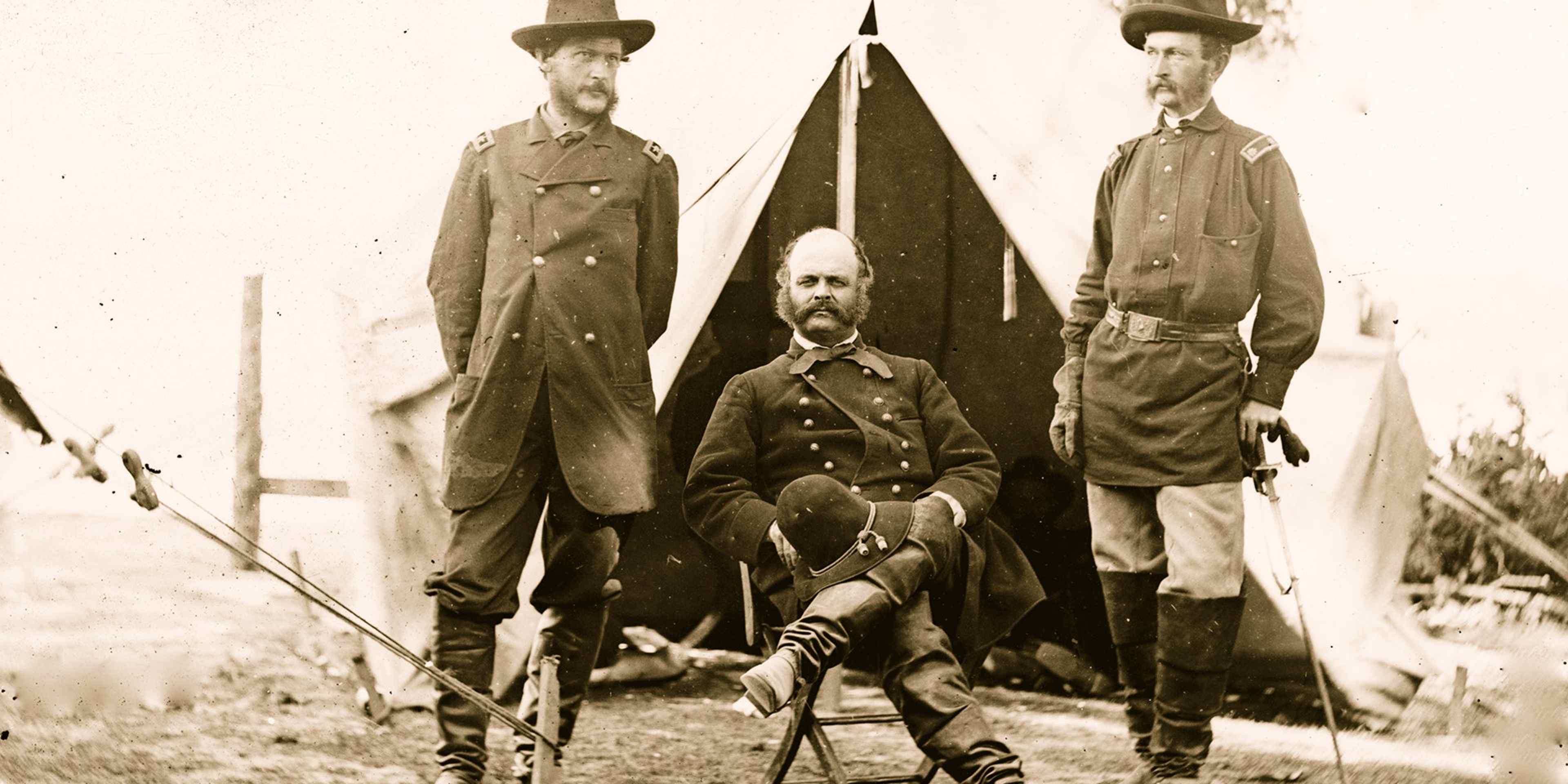
The Early Life and Frontier Beginnings of Ambrose Burnside
Ambrose Everett Burnside was born on May 23, 1824, in the Quaker-influenced town of Liberty, Indiana. He was the son of a local court clerk and farmer. In his youth, Burnside was apprenticed to a tailor, a profession that perhaps instilled in him his lifelong attention to sartorial detail and personal appearance. However, his aspirations lay far beyond the tailor’s bench. Recognizing his son’s ambition, his father helped secure him an appointment to the United States Military Academy at West Point in 1843.
At West Point, Burnside proved to be an intelligent student, though he struggled significantly with the academy’s rigid discipline. He accumulated numerous demerits for minor infractions, nearly facing dismissal on several occasions. Despite these disciplinary hurdles, Burnside persevered, graduating 18th in a class of 38 in 1847. His graduating class included several future Civil War adversaries and allies, fostering personal relationships that would dramatically influence his later military career.
Commissioned as an artillery officer, Burnside arrived in Mexico during the tail end of the Mexican-American War, serving primarily on garrison duty. Following the war, he was reassigned to the western frontier. It was during this period, in 1849, that Burnside experienced the brutal realities of frontier warfare. While escorting mail through Apache territory in New Mexico, his unit was ambushed. During the fierce skirmish, Burnside was severely wounded in the neck by an Apache arrow—a scar he carried for the rest of his life. After recovering, he was stationed at Fort Adams in Newport, Rhode Island, where he met Mary Richmond Bishop, whom he married in 1852.
The Inventor and Industrialist: The Burnside Carbine
Realizing the limitations of standard infantry weapons while fighting mounted adversaries on the frontier, Burnside resigned his military commission in 1853 to pursue a career as an arms inventor. He designed and patented a pioneering breech-loading rifle that utilized a unique, brass-cartridge design. This firearm, which became known as the Burnside carbine, was incredibly advanced for its time, offering rapid reloading capabilities compared to traditional muzzle-loading muskets.
Burnside established a manufacturing company in Rhode Island to produce the weapon, hoping to secure a lucrative government contract. However, the business venture proved to be a financial disaster. Due to political maneuvering and bureaucratic delays in Washington, the government initially declined to purchase his rifle. Facing mounting debts, Burnside was forced to sell his patents and assets to satisfy his creditors. Ironically, once the Civil War erupted, the U.S. government realized the immense value of his invention, purchasing over 55,000 Burnside carbines, making it the third most widely used cavalry weapon of the conflict.
Ruined financially, Burnside moved to Illinois, where his former West Point classmate and close friend, George B. McClellan, helped him secure a position as treasurer for the Illinois Central Railroad. This civilian interlude was brief, as the secession crisis of 1861 soon called both men back to the battlefield.
A Chronological Timeline of Burnside’s Civil War Career
- April 1861: Burnside helps organize the 1st Rhode Island Detached Militia, one of the first volunteer units to arrive in Washington, D.C., to defend the capital.
- July 21, 1861: Commands a brigade at the First Battle of Bull Run, earning a promotion to Brigadier General of volunteers despite the Union defeat.
- September 1861 – April 1862: Commands the highly successful Burnside Expedition in North Carolina, capturing strategic locations such as Roanoke Island and New Bern, securing a vital foothold for the Union blockade.
- September 17, 1862: Leads the Ninth Corps at the Battle of Antietam, where his delayed crossing of the stone bridge becomes a controversial turning point.
- November 1862: Reluctantly accepts command of the Army of the Potomac after President Abraham Lincoln relieves McClellan of duty.
- December 13, 1862: Suffers a catastrophic defeat at the Battle of Fredericksburg, initiating wave after wave of unsuccessful frontal assaults against fortified Confederate positions.
- January 1863: Leads the infamous “Mud March,” an offensive bogged down by torrential winter rains. Burnside is subsequently relieved of command.
- March 1863: Takes command of the Department of the Ohio, arresting anti-war copperhead politician Clement Vallandigham and successfully defending Knoxville, Tennessee, from Confederate forces.
- July 30, 1864: Oversees the disastrous Battle of the Crater during the Siege of Petersburg, leading to his permanent removal from active combat command.
Turning Points: The Highs and Lows of Command
The Bridge at Antietam
During the Maryland Campaign in September 1862, Burnside was ordered to cross the Antietam Creek and assault the Confederate right flank. However, his focus on a narrow, heavily defended stone bridge—today known as Burnside’s Bridge—created a severe bottleneck. Rather than wading through the shallow creek elsewhere, his troops spent hours attempting to storm the bridge. Although they eventually succeeded, the delay allowed Confederate reinforcements under A.P. Hill to arrive from Harpers Ferry, blunting the Union advance and turning a potential decisive victory into a bloody tactical draw.
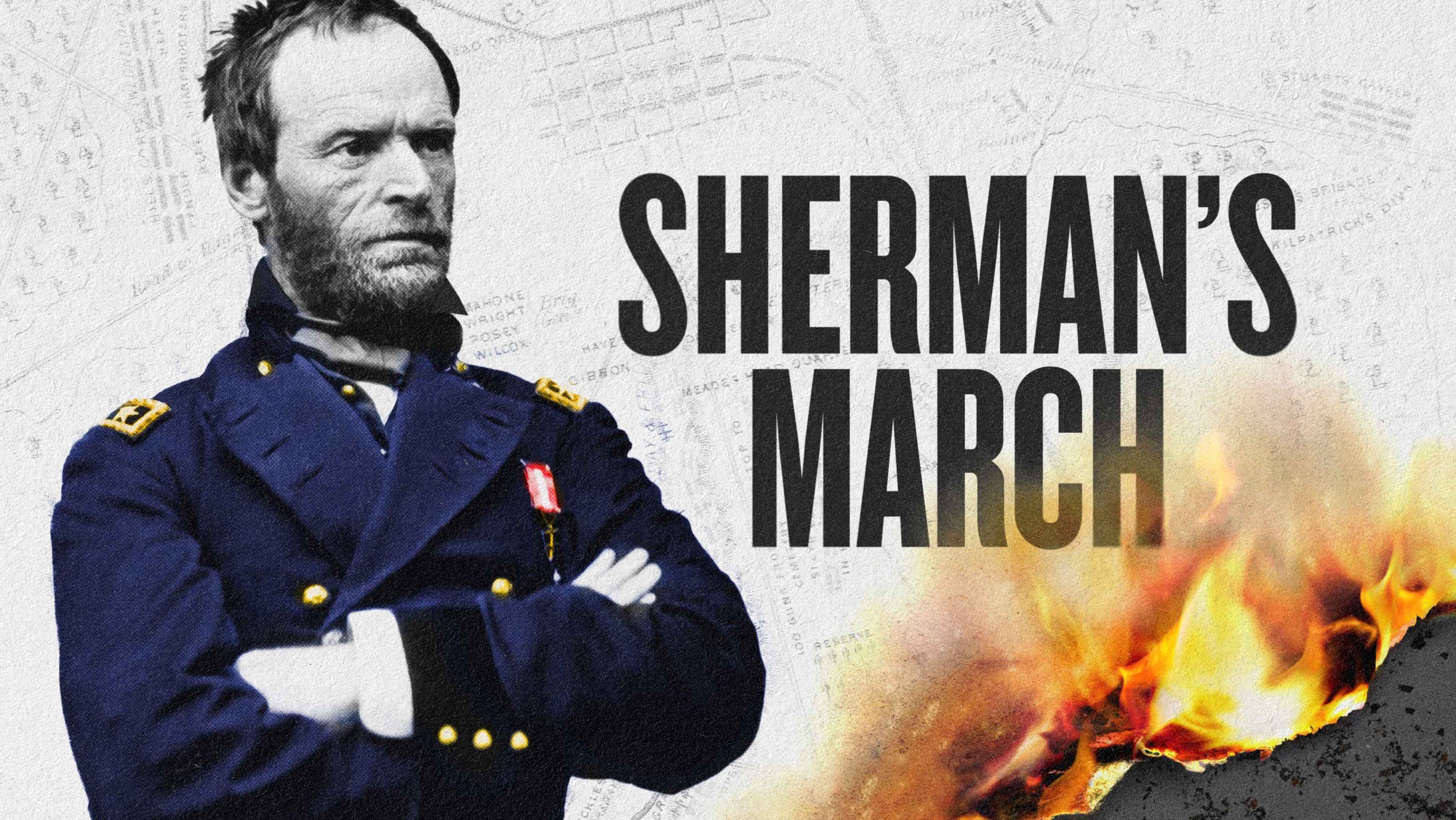
The Tragedy at Fredericksburg
Despite twice declining command of the Army of the Potomac due to a self-proclaimed lack of fitness for such a massive responsibility, Burnside was eventually forced to accept the position in November 1862. Seeking to strike a decisive blow, he planned a rapid march on Richmond. However, administrative delays in delivering pontoon bridges allowed Confederate General Robert E. Lee to entrench his forces on the high ground of Marye’s Heights behind Fredericksburg.
Refusing to alter his plans, Burnside ordered fourteen futile frontal assaults across open ground against Lee’s virtually impregnable defenses. The result was a slaughter. The Union suffered nearly 13,000 casualties, while the Confederates lost fewer than 5,000. The disaster shattered the morale of the Army of the Potomac and permanently stained Burnside’s military reputation.
The Disaster of the Crater
Reassigned to corps command under Ulysses S. Grant in 1864, Burnside saw a chance for redemption during the Siege of Petersburg. Coal miners in his regiment proposed digging a 511-foot tunnel beneath the Confederate lines, packing it with explosives, and detonating it to blow a massive hole in the enemy defenses. Grant approved the plan, and the explosion on July 30, 1864, successfully created a massive crater.
However, the execution of the subsequent infantry assault was a tactical nightmare. Due to last-minute command changes, untrained divisions were sent into the battle. Instead of bypassing the crater, Union soldiers rushed directly into the pit, becoming trapped. Confederate forces quickly rallied, firing down into the crater in what became a horrific slaughter. Burnside was blamed for the catastrophe, placed on administrative leave, and never held active military command again.
Post-War Success: Politics and the Founding of the NRA
Despite his battlefield misfortunes, Burnside remained immensely popular with the public and his home state of Rhode Island. His charming personality, modesty, and undisputed personal patriotism ensured a highly successful civilian and political career. In 1866, he was elected Governor of Rhode Island, serving three consecutive terms. He later transitioned to federal politics, winning election to the United States Senate in 1874, a post he held until his death in 1881.
Significantly, Burnside also left a lasting institutional legacy. In 1871, concerned by the poor marksmanship displayed by Union soldiers during the Civil War, Union veterans William C. Church and George Wood Wingate founded the National Rifle Association. They chose Ambrose Burnside as the National Rifle Association first president due to his military prominence and his history as a firearms inventor. Burnside’s leadership helped establish the organization’s initial focus on scientific rifle training and civilian marksmanship.
Lesser-Known Facts about Ambrose Burnside
The Origin of “Sideburns”
Burnside’s most enduring legacy in popular culture is undoubtedly his facial hair. He pioneered a distinctive style featuring thick whiskers that ran down the sides of his face, connecting to his mustache while leaving his chin completely clean-shaven. Originally referred to as “burnsides,” the syllables were eventually transposed by the public to create the modern word “sideburns”.
Left at the Altar
Long before he met his wife, Mary, Burnside was engaged to a woman named Lottie Moon. In a legendary incident, when the minister asked Lottie if she took Ambrose to be her husband, she reportedly yelled, “No Siree, Bob!” and ran out of the church. Moon later became a prominent Confederate spy during the war.
An Early Advocate for Civil Rights
Unlike many of his contemporary politicians, Burnside was known for his egalitarian views. Deeply influenced by the Quaker communities of his Indiana youth, he was a strong proponent of civil rights and educational opportunities for newly freed African Americans during the Reconstruction era.
Why Burnside’s Legacy Matters Today
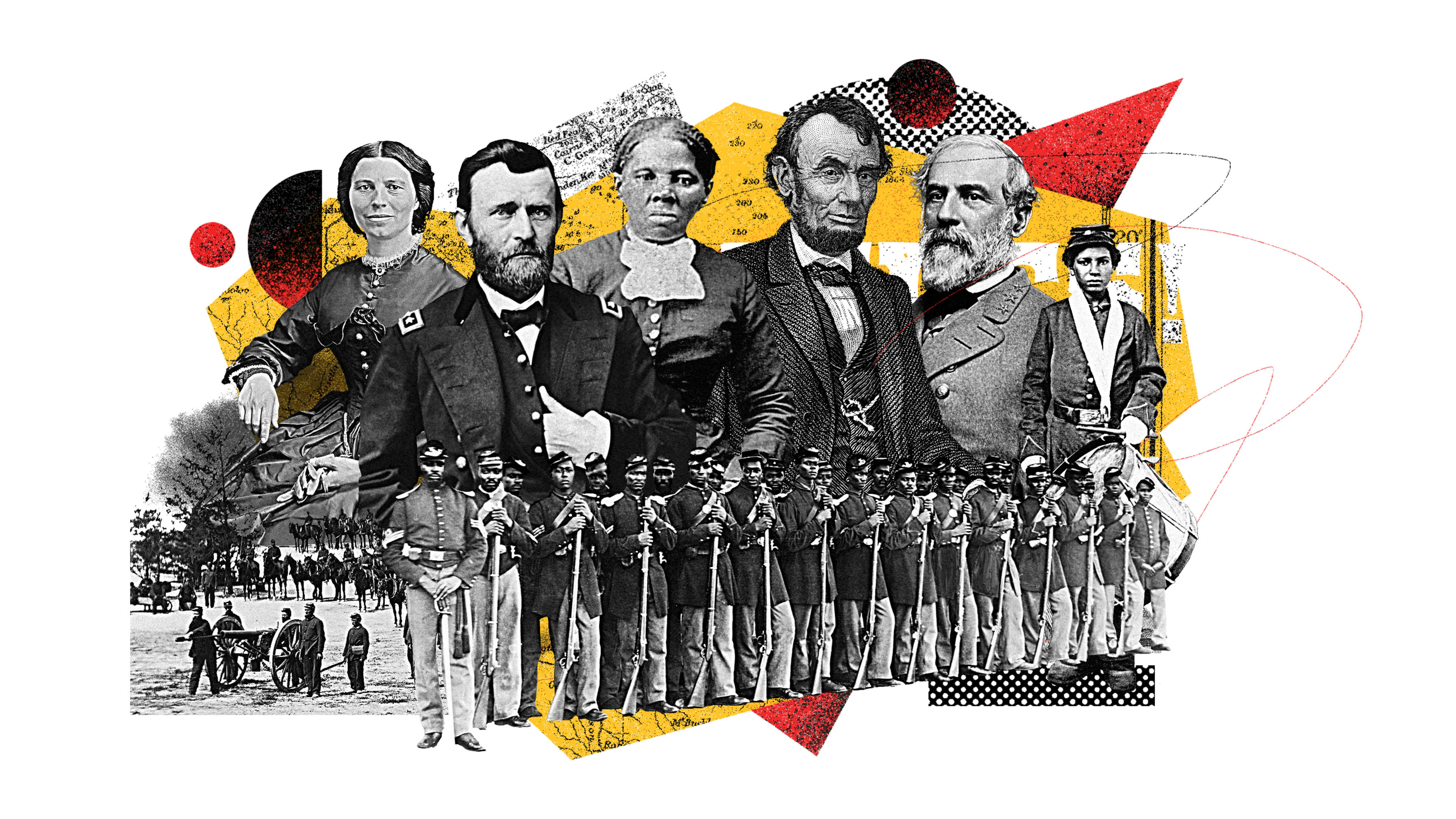
Ambrose Burnside’s life is a poignant reminder that military history is not merely a collection of strategic victories, but a human drama filled with trial, error, and personal limitation. While critics have often used him as a scapegoat for Union failures, modern historians view him more sympathetically. He was an officer who knew his own limits, repeatedly turning down high command because he felt unprepared for it. His story highlights how Lincoln and Grant’s partnership and the evolution of Union leadership required a painful refining process, where even well-meaning and patriotic generals had to falter so that a winning strategy could eventually be forged.
People Also Ask
Was Ambrose Burnside a bad general?
While Burnside made catastrophic tactical decisions at Fredericksburg and the Battle of the Crater, he was a highly capable administrative leader and achieved significant independent victories, such as his amphibious campaign in North Carolina and the successful defense of Knoxville.
How did sideburns get their name?
The term “sideburns” is a linguistic inversion of “burnsides,” which was coined in the 1860s to describe General Burnside’s famous style of thick facial whiskers connected to a mustache with a clean-shaven chin.
Did Ambrose Burnside win any battles?
Yes. Burnside won several key victories early in the war during his North Carolina Expedition, capturing Roanoke Island and New Bern, and later successfully defended the city of Knoxville against Confederate General James Longstreet in late 1863.
Conclusion
Ambrose Burnside remains one of the most intriguing and multifaceted figures of the Civil War era. He was a patriot who served his country as a soldier, an inventor, a governor, and a senator. While his battlefield mistakes at Fredericksburg and Petersburg are etched into military history, his personal honor, civic contributions, and unexpected cultural legacy as the father of “sideburns” ensure that his place in the American story will never be forgotten.


