Throughout the history of the United States, moments of abrupt, violent transition have repeatedly forced the nation to confront its deepest vulnerabilities [1]. Four times in American history, a sitting president has been felled by gunfire [1]. The assassinations of Abraham Lincoln, James A. Garfield, William McKinley, and John F. Kennedy were not merely moments of profound national tragedy; they were explosive catalysts that fundamentally redirected the country’s trajectory [1]. Each of these sudden executive vacancies shocked the American public, exposed structural flaws in the constitutional framework, and triggered sweeping administrative, social, and political transformations [1]. By analyzing the causes, immediate outcomes, and long-term historical shifts triggered by these tragedies, we gain a clearer understanding of how modern America was forged in the crucible of unexpected loss.
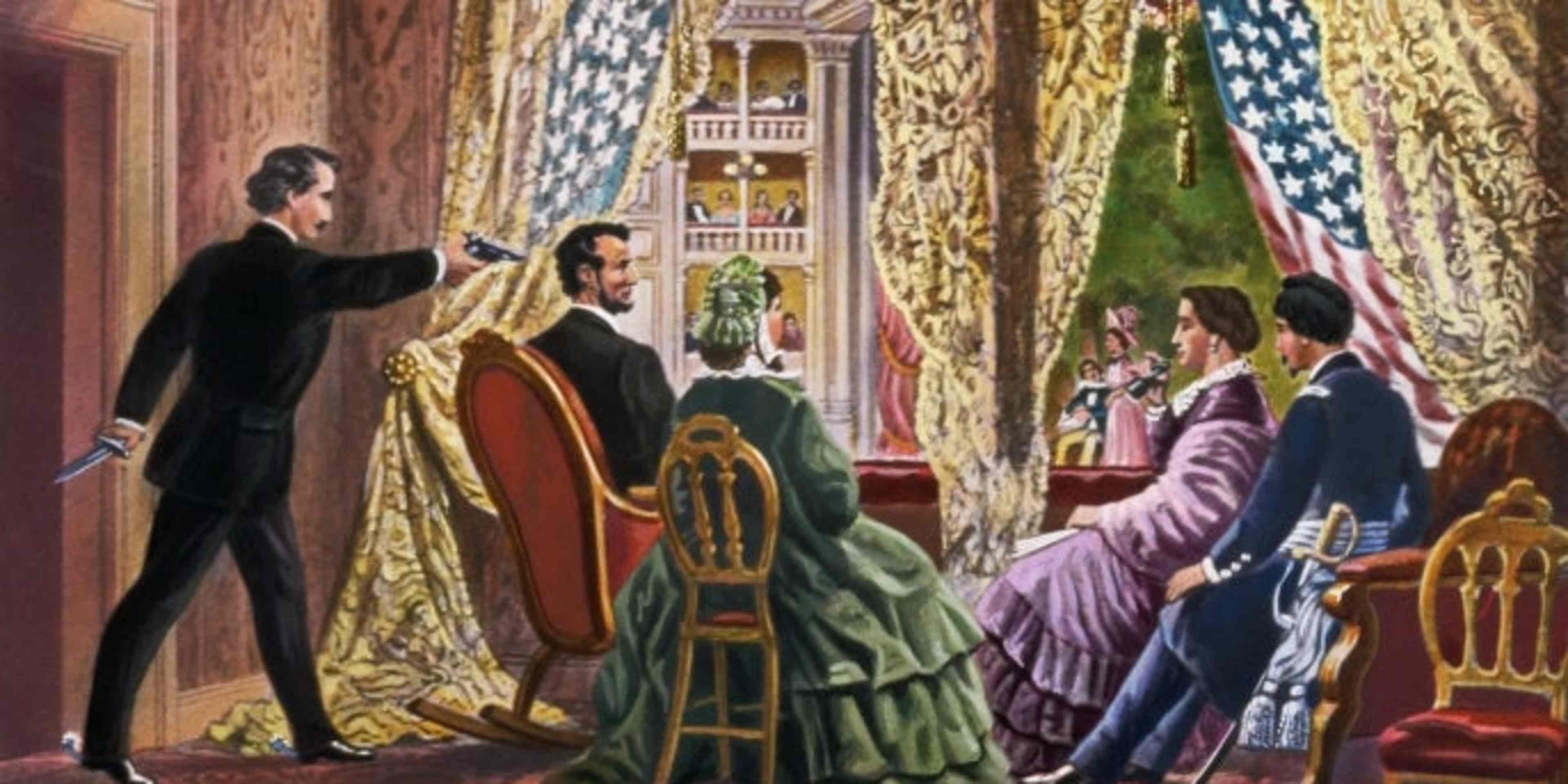
Abraham Lincoln and the Derailment of Reconstruction (1865)
On April 14, 1865, just five days after Confederate General Robert E. Lee surrendered his forces at Appomattox Court House, President Abraham Lincoln was shot in the head by John Wilkes Booth, a fanatical Confederate sympathizer and white supremacist, while attending a play at Ford’s Theatre [1]. Lincoln succumbed to his wounds the following morning, leaving the nation leaderless at its most fragile moment [1]. Booth’s act was born out of deep resentment, specifically fueled by Lincoln’s public endorsement of voting rights for African American men who had served the Union [1]. The contributions of these valiant black heroes throughout US military history had been central to winning the war, yet their fight for equal civil rights faced massive resistance. With Lincoln’s death, the presidency fell to Andrew Johnson, a former slaveholder from Tennessee [1]. Johnson favored extreme leniency toward the defeated South, allowing former Confederate leaders to reclaim power and pass restrictive ‘Black Codes’ that effectively re-enslaved African Americans economically [1]. Lincoln’s assassination radically altered the Reconstruction era, replacing a potential path toward swift civil equality with decades of racial segregation and systemic disenfranchisement [1].
James A. Garfield and the Death of the Spoils System (1881)
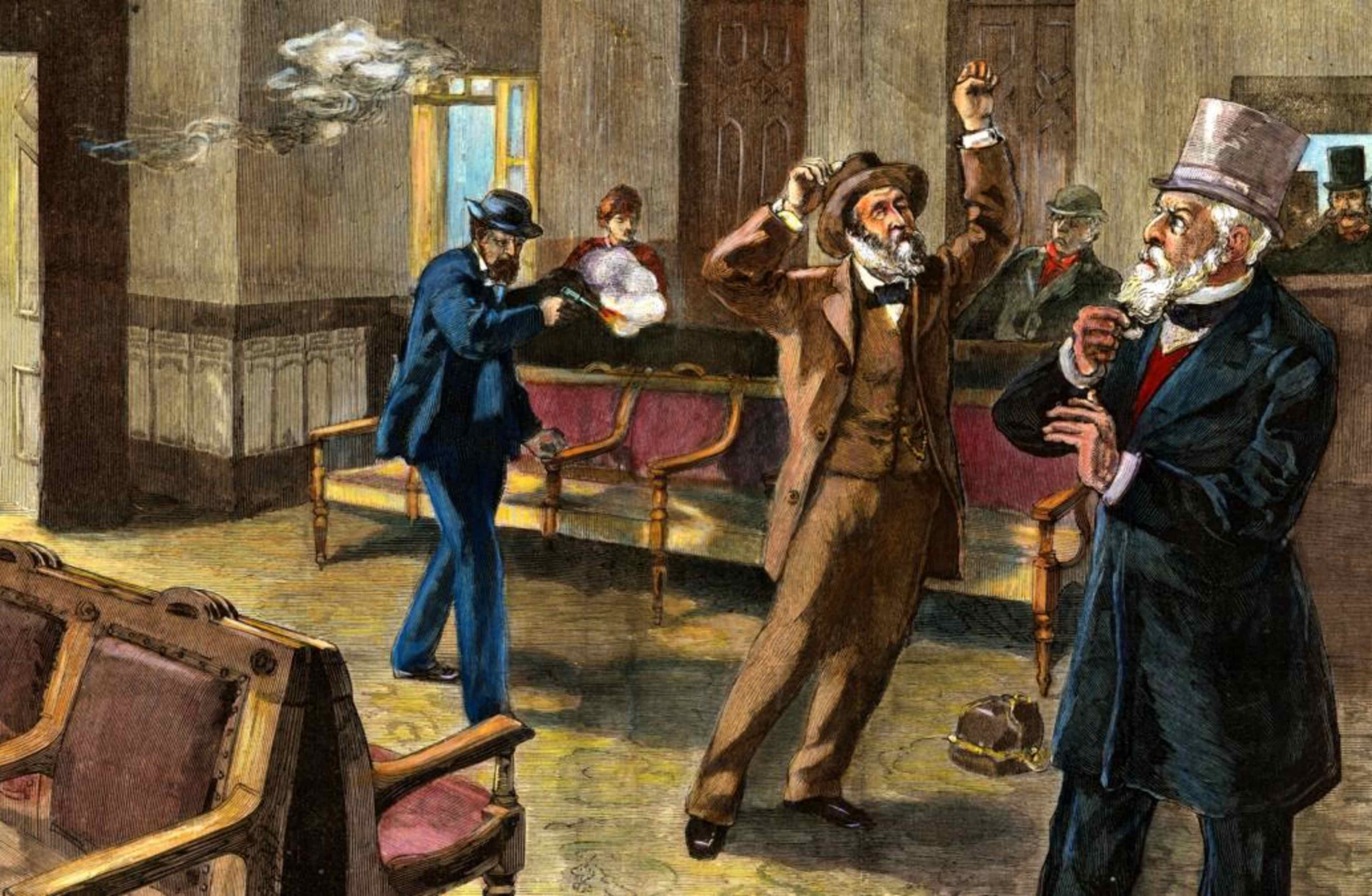
Just sixteen years after Lincoln’s death, the nation faced another tragedy that exposed the corruption of Gilded Age politics. On July 2, 1881, President James A. Garfield was shot twice at a Washington, D.C., train station by Charles Guiteau [1]. Guiteau was a mentally unstable lawyer who believed his ignored political pamphlets had won Garfield the presidency, and he demanded an ambassadorship in Paris [1]. Garfield survived the initial attack but suffered an agonizing, slow death over eighty days, largely due to unsanitary medical interventions [1]. Doctors repeatedly poked unwashed fingers and unsterilized instruments into his back to find the bullet, causing severe blood poisoning [1]. The nation’s grief quickly turned to fury against the ‘spoils system’—a political custom where government jobs were handed out as political favors rather than based on qualifications. Garfield’s successor, Chester A. Arthur, shocked his fellow stalwarts by championing administrative reform [1]. In 1883, he signed the Pendleton Civil Service Act, establishing a merit-based civil service system [1]. This reform mirrored early colonial efforts to secure government protection and combat internal corruption, transforming the federal bureaucracy from a machine of political patronage into a professionalized institution.
William McKinley and the Birth of Modern Executive Power (1901)
On September 6, 1901, President William McKinley was greeting a line of citizens at the Pan-American Exposition in Buffalo, New York, when he was shot twice in the abdomen by Leon Czolgosz, an anarchist who viewed McKinley as a symbol of capitalist oppression [1]. McKinley passed away eight days later on September 14 [1]. This third assassination in less than four decades finally prompted Congress to act on executive security [1]. Previously, presidential protection was informal, irregular, and highly lax [1]. Following McKinley’s death, the United States Secret Service, which was originally established under the Treasury Department to combat counterfeit currency, was permanently tasked with the 24-hour protection of the sitting president [1]. Beyond physical security, McKinley’s death brought Vice President Theodore Roosevelt to power [1]. Roosevelt completely redefined the office of the presidency, expanding executive authority to break up corporate monopolies, champion environmental conservation, and project American power onto the global stage, effectively ushering in the progressive era of modern American governance [1].
John F. Kennedy and the Moral Impetus for Civil Rights (1963)
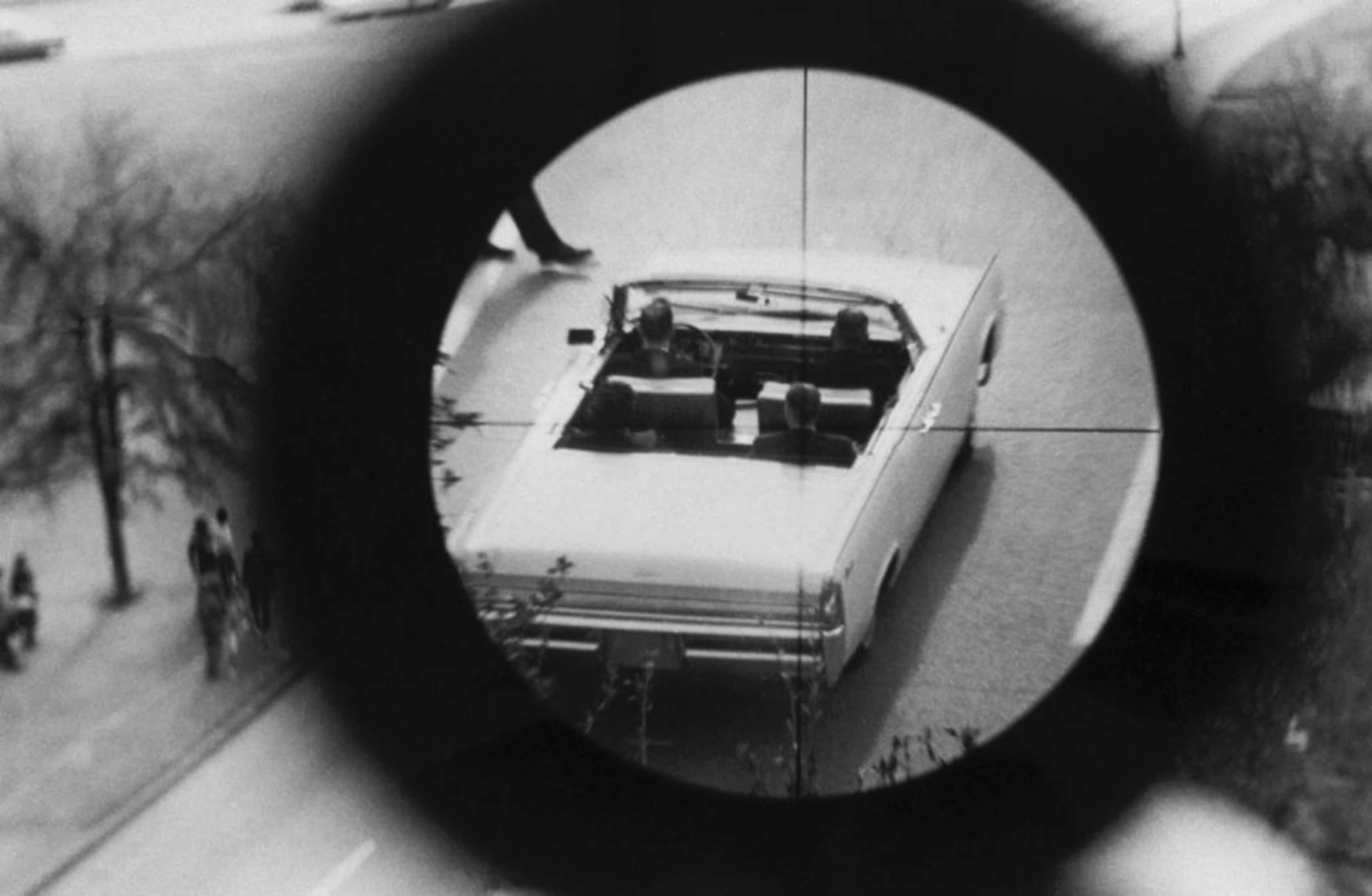
The fourth and most widely remembered presidential assassination occurred on November 22, 1963, when President John F. Kennedy was shot by Lee Harvey Oswald while riding in an open-top motorcade through Dealey Plaza in Dallas, Texas [1]. Kennedy’s sudden death devastated a generation and left the world in deep shock [1]. Prior to his assassination, Kennedy had proposed landmark civil rights legislation, but it had languished in a divided Congress amid a rising tide of social activism and anti-war sentiments that defined the mid-20th century. Following the tragedy, Vice President Lyndon B. Johnson assumed office [1]. Leveraging the profound wave of national mourning and a desire to honor the fallen president’s legacy, Johnson successfully pressured Congress to pass the Civil Rights Act of 1964 and the Voting Rights Act of 1965 [1]. These monumental legislative achievements outlawed racial segregation, prohibited discrimination, and secured voting rights for millions of minorities, completing a historic shift in American domestic policy that had been stalled for decades [1].
Detailed Timeline of U.S. Presidential Assassinations
To understand the chronological progression of these national tragedies and their direct political consequences, examine this summary timeline:
- April 14, 1865: Abraham Lincoln is shot by John Wilkes Booth at Ford’s Theatre; Andrew Johnson succeeds him, leading to a lenient, highly contested Reconstruction [1].
- July 2, 1881: James A. Garfield is shot by Charles Guiteau; Chester A. Arthur takes office and signs the Pendleton Civil Service Act of 1883 to end the spoils system [1].
- September 6, 1901: William McKinley is shot by Leon Czolgosz; Theodore Roosevelt becomes president, and the Secret Service is officially tasked with presidential protection [1].
- November 22, 1963: John F. Kennedy is shot by Lee Harvey Oswald; Lyndon B. Johnson utilizes the national mourning to pass the Civil Rights Act of 1964 [1].
Fascinating and Lesser-Known Historical Anecdotes
While the broad strokes of these assassinations are well-documented, several haunting historical coincidences and details are less commonly known:
- The Curse of Robert Todd Lincoln: Abraham Lincoln’s eldest son, Robert Todd Lincoln, was uniquely close to three presidential assassinations. He was at his father’s bedside when he died in 1865. In 1881, he was serving as Secretary of War and was at the train station directly witnessing Garfield’s assassination. In 1901, he was attending the Pan-American Exposition at McKinley’s invitation and was nearby when McKinley was shot. Recognizing this eerie pattern, he reportedly resolved never to attend presidential events again.
- A Deadly Medical Blunder: President James A. Garfield did not die from the bullet itself, which was lodged safely away from vital organs [1]. Instead, he died from severe sepsis introduced by his doctors, led by Doctor Willard Bliss [1]. Rejecting Joseph Lister’s pioneering antiseptic theories, the medical team repeatedly probed Garfield’s open wound with unwashed hands and instruments [1]. They even rejected an early metal detector invented by Alexander Graham Bell to locate the bullet because Bliss insisted on controlling the device, which malfunctioned due to the metal springs in Garfield’s mattress.
- The Secret Service’s Original Purpose: The Secret Service was established on July 5, 1865—ironically, the very year Lincoln was killed—but its sole initial mandate was to investigate and prevent the widespread counterfeiting of U.S. currency following the Civil War [1]. It took two more presidential deaths before Congress realized the agency’s investigative skills should be utilized for personal executive protection [1].
Why These Tragedies Still Matter Today
The echoes of these four historic gunshots continue to shape the daily reality of modern American governance and society [1]. The institutional civil service system that manages the vast federal government today operates on the merit-based principles established after Garfield’s death [1]. The highly coordinated, militarized security details that shield modern global leaders are the direct descendants of the protections mandated after McKinley’s assassination [1]. Most profoundly, the socio-political rights enjoyed by millions of Americans today were codified under the moral imperative generated by the losses of Lincoln and Kennedy [1]. These assassinations prove that while individual leaders can be removed in an instant, the enduring structures of American democracy have historically adapted, evolved, and reformed to survive even the darkest chapters of political violence [1].
People Also Ask
Which four U.S. presidents were assassinated?
The four sitting U.S. presidents who were assassinated while in office are Abraham Lincoln (1865), James A. Garfield (1881), William McKinley (1901), and John F. Kennedy (1963) [1]. Each of these leaders was killed by gunfire, and each tragedy led to significant political and structural reforms in the country [1].
How did James Garfield’s death change the U.S. government?
James Garfield’s assassination by a disgruntled office seeker directly led to the demise of the ‘spoils system’ of political patronage [1]. In response to public outrage, Congress passed the Pendleton Civil Service Act of 1883, which established that federal government jobs must be awarded based on merit and examinations rather than political loyalty [1].
Why did the Secret Service start protecting the president?
The Secret Service was originally created in 1865 to fight counterfeiting [1]. However, after the assassination of President William McKinley in 1901—which was the third presidential assassination in 36 years—Congress formally and permanently assigned the Secret Service the responsibility of providing round-the-clock protection for the President of the United States [1].
Conclusion
In conclusion, the history of presidential assassinations in the United States is a stark reminder of the fragile nature of political power and the profound resilience of the nation’s democratic institutions [1]. While John Wilkes Booth, Charles Guiteau, Leon Czolgosz, and Lee Harvey Oswald sought to disrupt, paralyze, or alter the government through acts of violence, the ultimate legacy of these tragedies was the implementation of progressive administrative, structural, and societal reforms [1]. From the protection of civil rights to the professionalization of the federal government, America has repeatedly answered moments of tragic loss with systemic renewal, demonstrating an ongoing commitment to stability, equity, and growth [1].


