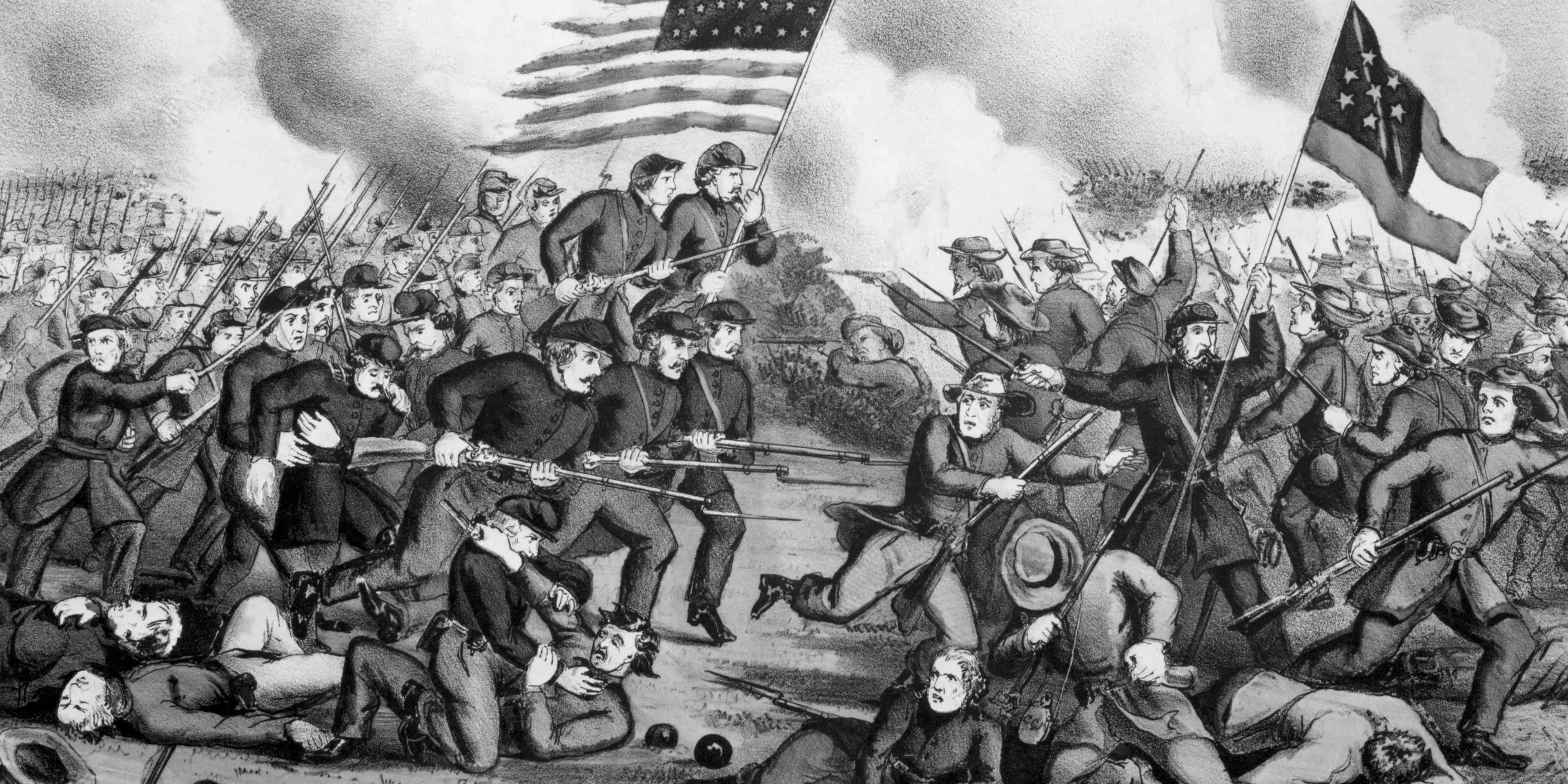
The Second Battle of Bull Run, also known as the Second Battle of Manassas, stands as one of the most brilliant and devastating campaigns of the American Civil War. Fought between August 28 and August 30, 1862, in Prince William County, Virginia, this major conflict pitted Confederate General Robert E. Lee’s Army of Northern Virginia against Union Major General John Pope’s newly formed Army of Virginia. As President Abraham Lincoln struggled to find a decisive commander to suppress the Southern rebellion, Pope’s boasting and strategic miscalculations collided with Lee’s daring tactics and Stonewall Jackson’s swift maneuvers. The result was a dramatic Confederate victory that completely shattered Union morale, shifted the theater of war, and paved the way for the South’s first bold invasion of the North. This battle highlights the sheer volatility of the Eastern Theater in 1862 and demonstrates how a smaller, more mobile force can outmaneuver and decisively defeat a fragmented, larger opponent.
Historical Background: A Theater in Crisis
By the mid-summer of 1862, the Union war effort in the Eastern Theater was in a state of profound crisis. Major General George B. McClellan’s highly anticipated Peninsula Campaign, which aimed to capture the Confederate capital of Richmond, had ground to a disappointing halt. Frustrated by McClellan’s constant demands for reinforcements and perceived hesitancy, President Abraham Lincoln took decisive action. He appointed General Henry Halleck as the new General-in-Chief of all Union armies and created a brand-new force: the Army of Virginia. Lincoln placed Major General John Pope in command of this new army, instructing him to protect Washington, D.C., and secure the Shenandoah Valley while moving southward to threaten Confederate rail lines. Pope, who had earned a solid reputation in the Western Theater, arrived in the East with a boastful attitude. He famously issued general orders that criticized the Eastern soldiers’ defensive mindset and declared that in the West, “we have always seen the backs of our enemies.” This arrogance alienated his fellow officers, particularly McClellan, and deeply angered Confederate commanders, who resolved to teach the braggart a lesson.
The Seeds of Conflict: Strategic Maneuvers
General Robert E. Lee, commanding the Confederate Army of Northern Virginia, recognized the grave threat posed by the Union forces. If McClellan’s massive Army of the Potomac, which was currently being evacuated from the Virginia Peninsula, managed to unite with Pope’s 50,000-man Army of Virginia near Washington, the combined Federal forces would number over 150,000—an overwhelming force that Lee’s 55,000-man army could not hope to defeat in a direct confrontation. Lee decided that his only viable strategy was to strike Pope before McClellan’s reinforcements could arrive. In late August 1862, Lee made a daring and highly risky decision to split his army. He sent Major General Thomas J. “Stonewall” Jackson with 24,000 men on a sweeping flanking march to the northwest to cut off Pope’s supply lines, while Major General James Longstreet remained behind to distract Pope across the Rappahannock River. This bold move set the stage for one of the most dynamic engagements of the war.
Key Events Timeline: Three Days of Bloodshed
Here is a chronological breakdown of the pivotal moments during this intense three-day battle:
- August 26–27, 1862: The Raid on Manassas Junction. Jackson’s “foot cavalry” completed an astonishing march of over 50 miles in just 36 hours. They bypassed Pope’s right flank and descended upon the massive Union supply depot at Manassas Junction. Jackson’s hungry and exhausted soldiers feasted on captured luxury goods, seized valuable weapons, and subsequently burned the multi-million-dollar depot to the ground, severing Pope’s vital rail communications with Washington.
- August 28, 1862: The Ambush at Brawner’s Farm. To lure Pope into a trap and away from his defensive positions, Jackson retreated northwest and took up hidden positions along Stony Ridge, next to an unfinished railroad bed. At dusk, as a Union division under Brigadier General Rufus King marched along the Warrenton Turnpike, Jackson’s men opened fire. The resulting firefight at Brawner’s Farm was an incredibly fierce, close-range engagement that ended in a bloody stalemate, signaling to Pope that Jackson was in the area.
- August 29, 1862: Uncoordinated Union Assaults. Believing that Jackson was isolated and attempting to retreat, an overconfident Pope ordered his forces to pursue and destroy him. However, Pope launched disjointed, piecemeal attacks against Jackson’s strong defensive line along the unfinished railroad cut. Despite heavy losses on both sides, Jackson’s men held firm. Meanwhile, unknown to Pope, James Longstreet’s wing of the Confederate army arrived on the battlefield and took up positions on Jackson’s right flank.
- August 30, 1862: The Hammer Falls. Pope mistakenly interpreted minor Confederate repositioning as the start of a full-scale retreat and wired Washington declaring an imminent victory. He ordered a major assault against Jackson’s center. The attack was repulsed by devastating Confederate artillery fire. Sensing the perfect moment, Lee ordered Longstreet to launch a massive counterattack. Over 28,000 Confederate soldiers swept forward in the largest simultaneous mass assault of the Civil War, crushing the Union left flank and forcing Pope’s battered army into a disorganized retreat.
Important Figures and Their Lasting Impact
The battle showcased the diverse leadership styles of several prominent Civil War generals:
- General Robert E. Lee: Lee’s operational daring at Second Bull Run solidified his reputation as a master strategist. By dividing his forces in the face of a larger enemy, he achieved a stunning concentration of force at the decisive moment, changing the strategic landscape of the war.
- Major General Thomas J. “Stonewall” Jackson: Jackson’s rapid marching and stubborn defensive stand at the railroad cut proved indispensable. His ability to hold his ground against repeated Union attacks allowed the rest of Lee’s army to assemble and deliver the final blow.
- Major General James Longstreet: Known as Lee’s “Old War Horse,” Longstreet’s execution of the massive flanking counteroffensive on August 30 was a tactical masterpiece, illustrating his preference for defensive-offensive warfare.
- Major General John Pope: Pope’s military career in the Eastern Theater was effectively ended by this defeat. He was relieved of command shortly after the battle and spent the remainder of the war in relative obscurity in the Department of the Northwest.
- Major General Fitz John Porter: Porter became the primary scapegoat for the Union defeat. Accused of disobeying Pope’s orders to attack on August 29, he was court-martialed, cashiered from the army, and banned from holding public office. Porter spent decades fighting to clear his name, a goal he finally achieved in 1886 when official Confederate records validated his claim that an attack would have been suicidal due to Longstreet’s presence.
Causes, Context, and Sociopolitical Undercurrents
The Second Battle of Bull Run was not fought in a vacuum; it was deeply shaped by the intense sociopolitical and economic pressures weighing on both governments. In the North, public enthusiasm for the war was waning as casualties mounted and victory remained elusive. Lincoln was under immense political pressure from Radical Republicans to prosecute the war more aggressively and to target the Southern institution of slavery. Pope’s aggressive declarations were part of this political shift toward a “hard war” policy. However, the catastrophic defeat at Manassas intensified public despair, leading to a rise in political tension and a notable expansion of growing anti-war sentiment in the North. For the Confederacy, the victory was a powerful diplomatic tool. Jefferson Davis hoped that a major victory on Northern soil might finally convince Great Britain and France to officially recognize the Confederate States of America, providing crucial economic and military aid.
Major Turning Points: The Defeat Decided
Several critical decisions and events shaped the outcome of the battle:
- The Unfinished Railroad Cut: This geographic feature provided Jackson’s outnumbered men with a ready-made trench system, allowing them to withstand waves of Federal attacks that would have otherwise overrun their positions.
- Pope’s Blindness to Longstreet: Pope’s persistent refusal to believe that Longstreet’s wing had arrived on the field led him to weaken his left flank to reinforce his attacks on Jackson, leaving the Union army completely vulnerable to Longstreet’s devastating counteroffensive.
- The Defense of Henry House Hill: As the Union line collapsed on August 30, heroic rearguard actions by Union divisions on Henry House Hill and Chinn Ridge managed to delay the Confederate advance long enough to prevent the total destruction of Pope’s army, allowing them to escape across Bull Run. While Pope’s withdrawal saved his army from total annihilation, it lacked the brilliance of other famous tactical withdrawals and military retreats recorded throughout military history.
Long-Term Impact on the American Story
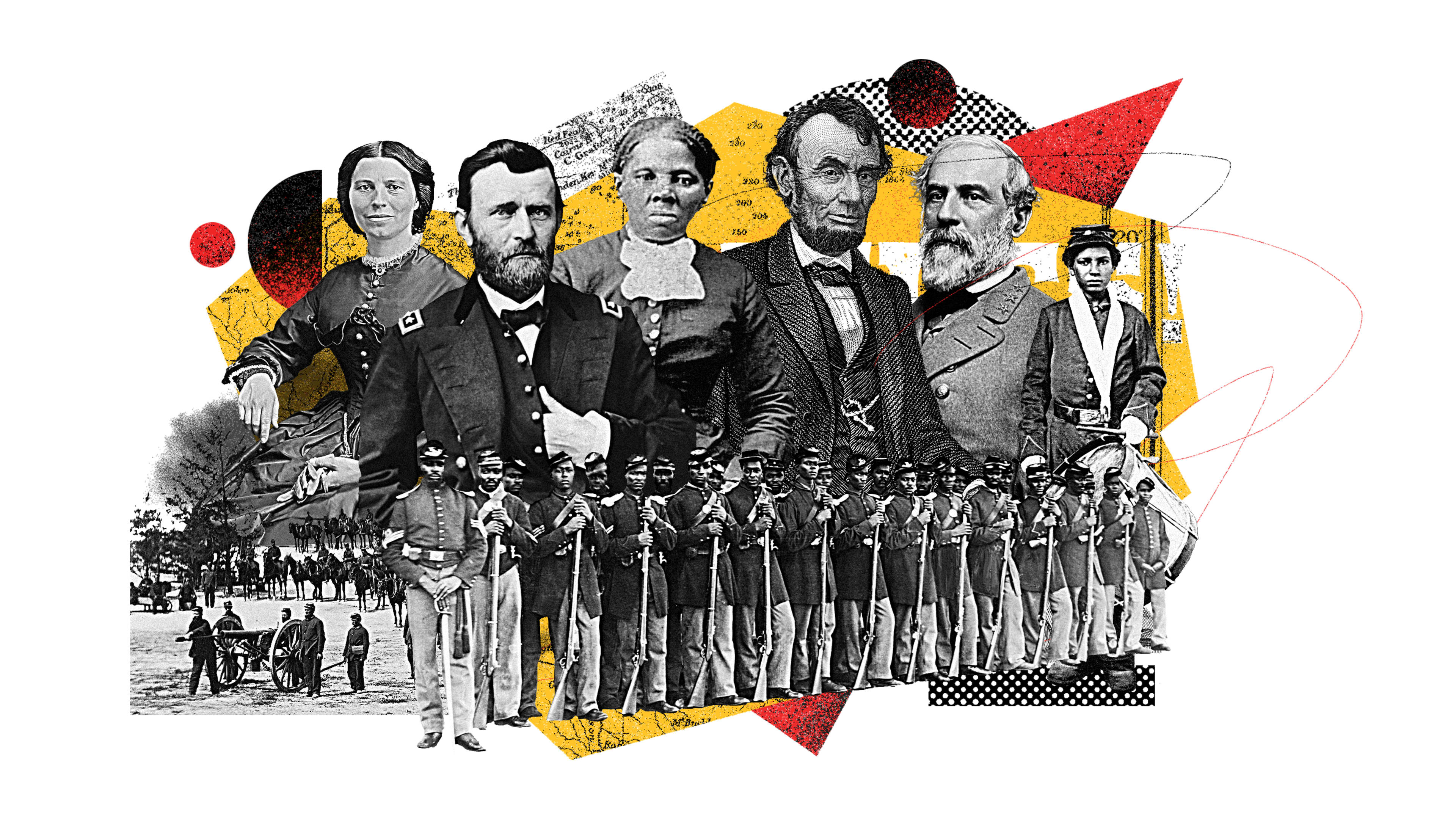
The ramifications of the Second Battle of Bull Run reverberated far beyond the hills of Manassas. Strategically, the victory cleared Virginia of major Union armies and gave Robert E. Lee the momentum he needed to launch his first invasion of the North—the Maryland Campaign—which culminated in the exceptionally bloody Battle of Antietam on September 17, 1862. Politically, the defeat forced Lincoln to temporarily restore George B. McClellan to command of the combined armies, despite his intense frustration with the general’s cautious nature, simply because McClellan possessed the unwavering devotion of the soldiers. Societally, the horrific casualties of the summer of 1862 paved the way for more radical measures, including the eventual enlistment of African American soldiers, which would forever alter the course of the nation and contribute to the storied legacy of diverse servicemen throughout US military history.
Lesser-Known Facts about the Battle
- The Battle of Rocks: During the height of the fighting on August 30, a brigade of Louisiana Confederates under Colonel Leroy A. Stafford ran completely out of ammunition while defending a deep cut of the unfinished railroad. Refusing to retreat, the desperate soldiers began picking up heavy stones and ballast rocks from the railroad bed, hurling them down at the advancing Union troops. This desperate rock-throwing duel succeeded in temporarily halting the Union advance until ammunition could be brought forward.
- A Grim Reunion: Many soldiers who fought at Second Bull Run had also fought on the exact same ground during the First Battle of Bull Run thirteen months prior in July 1861. Landmarks like the Stone House, the Warrenton Turnpike, and Henry House Hill once again became scenes of terrible carnage, leading many veterans to remark on the eerie, tragic familiarity of the battlefield.
- The Civilian Toll: The battle raged across the property of local farmers who had already suffered during the first battle. For example, the home of Judith Henry, an 85-year-old widow who had been killed during the First Battle of Bull Run, was once again caught in the crossfire, serving as a stark reminder of the devastating impact of the war on ordinary civilians.
Why It Still Matters Today
The Second Battle of Bull Run remains a vital subject of study for historians and military strategists alike. It serves as a classic textbook example of maneuver warfare, demonstrating how speed, deception, and coordinated counterattacks can overcome a numerically superior opponent. Furthermore, the political fallout from the battle—particularly the scapegoating and eventual exoneration of General Fitz John Porter—highlights the dangerous intersection of military command and political intrigue, a theme that remains highly relevant in modern discussions of military leadership and institutional accountability.
People Also Ask (FAQ)
Who won the Second Battle of Bull Run?
The Confederate States of America won a decisive victory at the Second Battle of Bull Run. Under the command of General Robert E. Lee, the Army of Northern Virginia successfully outmaneuvered and defeated the Union Army of Virginia led by Major General John Pope.
What were the dates of the Second Battle of Bull Run?
The battle was fought over three days, beginning on Thursday, August 28, 1862, and ending on Saturday, August 30, 1862.
What is the difference between the First and Second Battle of Bull Run?
While both battles were fought on the same ground near Manassas, Virginia, and resulted in Confederate victories, the Second Battle of Bull Run was fought on a much larger scale. It involved over 120,000 total troops and resulted in more than 22,000 combined casualties, compared to around 4,800 casualties in the first battle.
Why did General John Pope lose the battle?
Major General John Pope lost due to a combination of strategic hubris and poor tactical intelligence. He repeatedly ignored scout reports indicating that General Longstreet’s corps had arrived on his flank, mistakenly believing that the Confederates were retreating, which led him to order disastrous frontal attacks.
Conclusion
The Second Battle of Bull Run was a defining moment of the American Civil War that demonstrated the high cost of military incompetence and the devastating effectiveness of brilliant strategic planning. By exploiting the divisions within the Union leadership, Robert E. Lee and his subordinates executed a masterclass in operational warfare that brought the Confederacy to the height of its military power in the summer of 1862. Ultimately, the battle serves as a somber reminder of the tragic human cost of the conflict and the complex political and social dynamics that shaped the destiny of a fractured nation.


1 comment