Before the modern spectacle of packed NFL parking lots, sizzling grills, and ice-cold beers, the very first American tailgate took place under far more ominous circumstances. On a hot Sunday afternoon on July 21, 1861, hundreds of enthusiastic civilian spectators rode out from Washington, D.C., to witness what they believed would be the first and final clash of the Civil War: the First Battle of Bull Run. Armed with picnic baskets, binoculars, and bottles of champagne, these high-society onlookers expected a thrilling theatrical show of Union dominance. Instead, they found themselves caught in a chaotic, bloody rout that shattered their romanticized illusions of war and laid bare the devastating four-year conflict that lay ahead. This bizarre, tragic collision of leisure and lethal warfare marks the fascinating and sobering origins of tailgating in American culture.
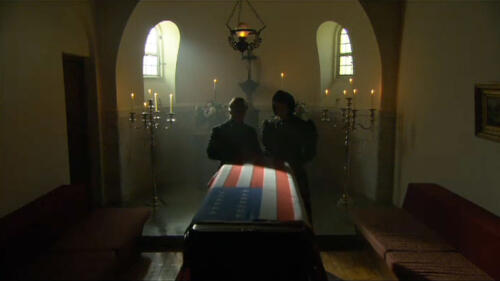
Historical Background: The Illusion of a Quick and Bloodless War
In the spring of 1861, the United States was a nation fractured. Following the firing on Fort Sumter in April, President Abraham Lincoln called for 75,000 volunteers to suppress the Southern rebellion. Both the Union and the Confederacy held the naive, highly optimistic belief that the conflict would be swift and relatively bloodless. Northerners confidently expected a “ninety-day war” that would quickly bring the seceded states back into the fold. The public and the press clamored for action, with newspaper headlines boldly demanding, “On to Richmond!”
As the Union Army of Northeastern Virginia, commanded by Brigadier General Irvin McDowell, began its slow march toward the critical railway junction at Manassas, Virginia, excitement reached a fever pitch in Washington, D.C. The impending battle was viewed not as a horrific tragedy, but as a grand public event. High-society ladies, prominent politicians, journalists, and curious citizens decided to make a Sunday excursion out of the military engagement, traveling roughly thirty miles to witness history in the making.
The Road to Bull Run: A Chronological Timeline of the First Major Battle
- April 12, 1861: Confederate forces fire on Fort Sumter in South Carolina, officially starting the American Civil War.
- July 16, 1861: General McDowell leads his unseasoned Union army of 35,000 troops out of Washington, D.C., toward the Confederate forces stationed near Manassas.
- July 21, 1861 (Early Morning): Hundreds of elite Washington civilians pack carriages with gourmet picnics and head down the Warrenton Turnpike toward Centreville, Virginia.
- July 21, 1861 (10:00 AM): The Battle of Bull Run begins. Union troops launch an assault, initially pushing back the Confederate lines at Matthews Hill.
- July 21, 1861 (Midday): Civilian spectators set up their carriage-side picnics on the hills overlooking the battlefield, viewing the smoke and maneuvers through opera glasses while drinking champagne.
- July 21, 1861 (2:00 PM): Confederate reinforcements under General Joseph E. Johnston arrive by rail, and General Thomas Jackson earns his legendary nickname “Stonewall” by holding the Confederate line.
- July 21, 1861 (4:00 PM): A fierce Confederate counterattack shatters the exhausted Union lines, triggering a panicked and disorganized retreat of federal troops.
- July 21, 1861 (Late Afternoon): The retreating Union army collides with the fleeing carriages of terrified civilian tailgaters, causing a massive, chaotic bottleneck on the road back to Washington.
Key Figures: Generals, Politicians, and Spectators
The First Battle of Bull Run brought together an extraordinary cast of characters, both on the field of combat and on the spectator hillsides. Understanding their roles highlights the tragic complexity of this historical turning point.
Brigadier General Irvin McDowell: The Union commander who was fully aware that his troops were too green and untrained for battle. Under immense political pressure from Lincoln and the Northern public, McDowell was forced to launch an offensive before his army was prepared, leading to a tactical disaster.
General Thomas “Stonewall” Jackson: A former Virginia Military Institute instructor whose stubborn defense on Henry House Hill rallied the retreating Confederate forces. His stand turned the tide of the battle and cemented his status as one of the South’s most formidable tactical commanders.
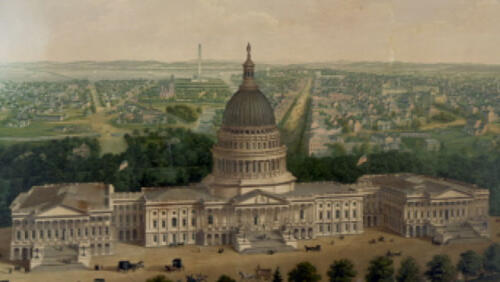
Representative Alfred Ely: A Republican Congressman from New York who decided to ride out and watch the battle. When the Union line collapsed, Ely was captured by Confederate forces in the chaos. He spent nearly six months imprisoned in Richmond’s harsh Libby Prison before being released in a prisoner exchange, serving as a stark warning of the dangers of battlefield tourism.
The Turning Point: When the Picnic Met the Great Skedaddle
By mid-afternoon on July 21, the lighthearted, festive atmosphere of the civilian picnic came to a sudden, terrifying halt. What had begun as a seemingly successful Union advance quickly dissolved into a rout. The arrival of fresh Confederate troops, combined with the fierce resistance of Jackson’s brigade, broke the spirit of the inexperienced Union volunteers. The order to withdraw quickly turned into a panicked, frantic flight.
Contrast this chaotic, undignified scramble with some of the most brilliant military retreats in history, and it becomes clear just how disastrous the situation at Bull Run truly was. The retreating federal soldiers, shedding their heavy gear and weapons to run faster, ran straight into the area where the civilian spectators had set up their carriages. The narrow suspension bridge over Cub Run quickly became clogged with overturned supply wagons, carriages, and terrified horses. High-society ladies in fine dresses were forced to abandon their luxury carriages and flee on foot through the mud. This humiliating and disorganized flight back to the safety of Washington became mockingly known in the press as “The Great Skedaddle.”
Lesser-Known Facts About the Bull Run Spectators
- A Senator’s Stand: Senator Benjamin Wade of Ohio was among the spectators. Outraged by the panic, he brandished a rifle and attempted to form a civilian blockade to force the fleeing Union soldiers back to the fight, though his efforts were ultimately futile.
- Professional Catering on the Battlefield: Some of the wealthiest spectators did not simply pack a basket; they hired high-end catering services from Washington, D.C., to transport heavy tables, silver cutlery, and multi-course meals to the hills of Centreville.
- Presidential Proximity: President Abraham Lincoln did not attend the battle himself, but he spent the afternoon receiving telegraph updates at the War Department, fully expecting a Union victory before being hit with the shocking news of the total rout.
The Long-Term Impact on America
The disastrous picnic at Bull Run was a watershed moment in American history. It shattered the romanticized, chivalric myth of war that had persisted in the antebellum imagination. The shocking realization that over 4,800 men were killed, wounded, or captured in a single afternoon made it clear that the conflict would be long, painful, and incredibly costly. Both North and South realized they needed to prepare for a total war of attrition.
In the aftermath of the defeat, the federal government moved to professionalize and expand its military forces. As the war dragged on, it would require the mobilization of every segment of the American population, eventually leading to the historic contributions of Black heroes throughout US military history who fought courageously to preserve the Union and secure their freedom.
Why It Still Matters Today
The story of the first tailgate at the First Battle of Bull Run is more than just a historical curiosity; it is a profound lesson in national hubris. The naive spectators who rode out to watch the battle did so because they could not conceive of the true horrors of civil war. They viewed the deep ideological fractures of their nation as a spectator sport rather than a existential threat to the democratic experiment established by the Founding Fathers.
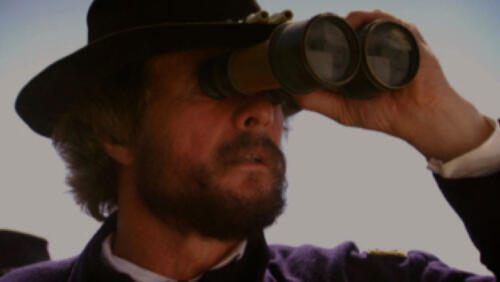
Today, the tradition of tailgating has been happily divorced from its bloody origins, transformed into a beloved ritual of community, food, and sportsmanship. However, remembering its birth on a Virginia battlefield serves as a powerful reminder of the fragility of peace, the unpredictable nature of history, and the tragic consequences of taking national division lightly.
People Also Ask
Who won the First Battle of Bull Run?
The Confederate States of America won the First Battle of Bull Run (also known as the First Battle of Manassas). It was a decisive early victory that boosted Southern morale and shocked the Union public.
Why did civilians watch the First Battle of Bull Run?
Civilians from Washington, D.C., watched the battle because they believed the Union army would easily crush the rebellion in a single afternoon. They viewed the war as a grand, exciting spectacle rather than a deadly, long-term conflict.
Is tailgating really named after this Civil War event?
While the term “tailgating” itself was coined much later with the advent of station wagons and modern sports, the social practice of gathering around vehicles, sharing food, and socializing before or during a major public event traces its physical origins back to the carriage-side picnics at Bull Run in 1861.
What was the “Great Skedaddle”?
The “Great Skedaddle” is a satirical term used by contemporary newspapers to describe the disorganized, panicked retreat of Union soldiers and civilian spectators as they fled the battlefield of Bull Run back to Washington, D.C.
Conclusion
The First Battle of Bull Run remains one of the most unique and tragic chapters in American history. What began as a festive, sunny afternoon of high-society picnicking ended in a horrific stampede of soldiers and civilians fleeing for their lives. By bridging the gap between a modern cultural staple—tailgating—and the grim realities of the American Civil War, this event reminds us how quickly the illusions of a society can be shattered by the harsh truths of conflict. It stands as a timeless historical lesson on the dangers of political complacency and the ultimate cost of a nation divided.


