The story of the American Revolution is filled with legendary figures, but few possess a story as cinematic, romantic, and profoundly influential as the Marquis de Lafayette. Born into immense French nobility, this young aristocrat chose to abandon a life of luxury to champion the cause of liberty across the Atlantic. Known as the "Hero of the Two Worlds," Lafayette’s dedication to the American struggle not only secured critical French support but also forged a lifelong bond with George Washington and the nascent United States. His contributions went far beyond military tactics; he represented the ideological bridge between European Enlightenment and American democratic experimentation. By exploring his journey, we gain a deeper appreciation for how a wealthy teenager from Chavaniac became a cornerstone of global liberty, cementing a legacy that continues to shape international diplomacy and the pursuit of human rights to this day.
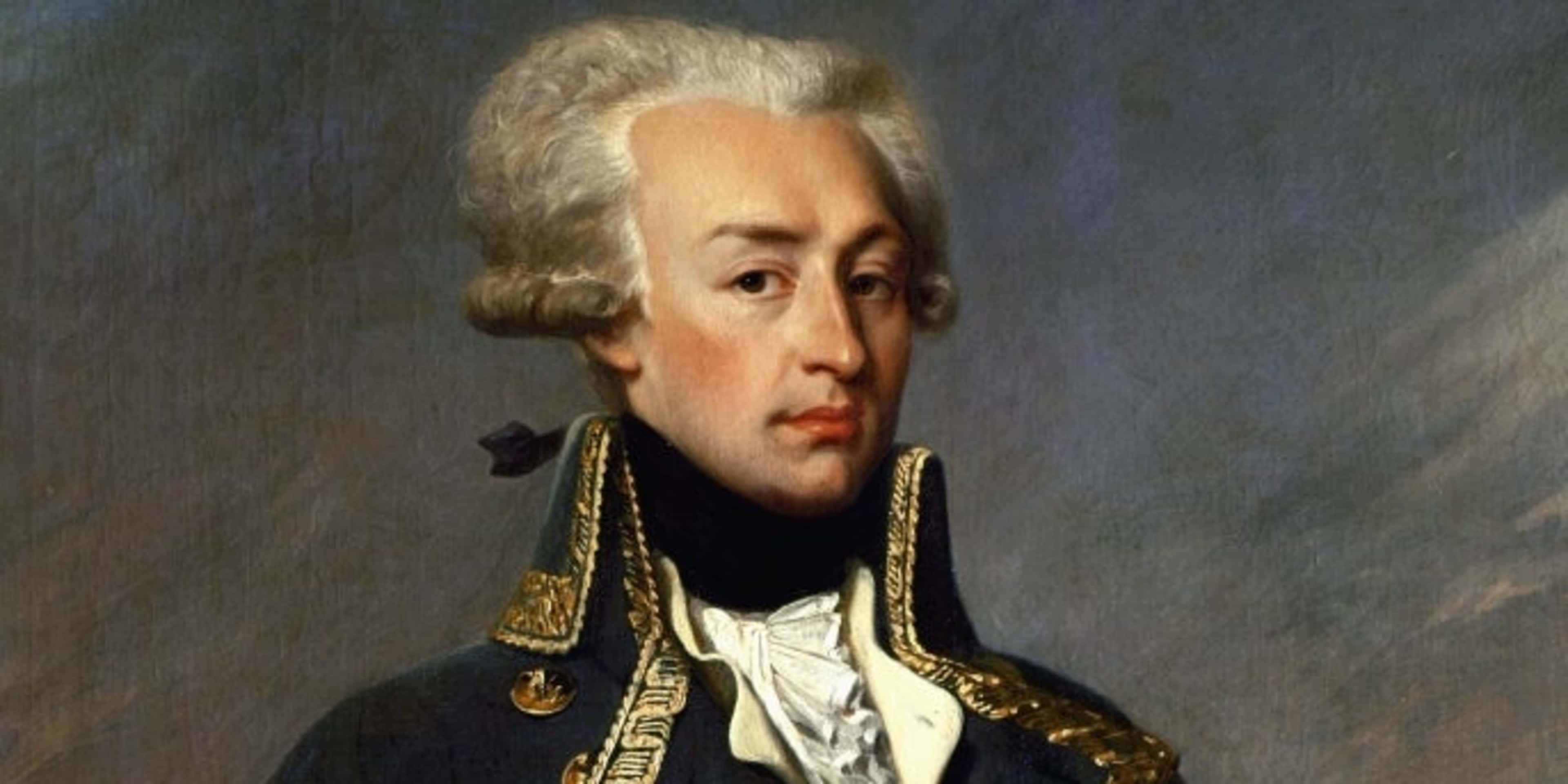
Historical Background: A Noble Born for Battle
Lafayette was born Marie-Joseph-Paul-Yves-Roch-Gilbert du Motier de La Fayette on September 6, 1757, inside the expansive Chateau de Chavaniac in Auvergne, France. He was baptized with an unusually long string of names, a detail he later joked about in his memoirs, stating he was named after every conceivable saint to guarantee divine protection in combat. Tragedy struck early: when Lafayette was only two years old, his father was killed by a British cannonball during the Seven Years’ War. This loss left the young boy with an immense inheritance, making him one of the wealthiest orphans in Europe, but it also planted a deep, burning resentment against the British Empire.
In August 1775, at just seventeen years old, Lafayette attended a fateful dinner party in Metz. The guest of honor was the Duke of Gloucester, the younger brother of King George III. The Duke, who was in open disagreement with his royal brother’s colonial policies, spoke with admiration about the rebellious colonists who had stood up to British forces at the Battles of Lexington and Concord. This conversation sparked an immediate, unquenchable fire in Lafayette’s heart. He resolved to join the American cause, seeing it as the perfect opportunity to avenge his father’s death and champion the noble ideals of liberty.
Crossing the Atlantic Against Royal Orders
Securing his passage to the New World was no simple feat. King Louis XVI, eager to avoid a premature war with Great Britain, explicitly forbade the young marquis from leaving. Undeterred, Lafayette secretly purchased a merchant vessel named La Victoire and slipped away from French authorities. He crossed the stormy Atlantic in 1777, enduring a grueling two-month journey. Upon arriving in Philadelphia, the nineteen-year-old noble faced a skeptical Continental Congress, which was weary of foreign mercenaries seeking high military ranks and hefty pay.
Lafayette, however, was different. He offered to serve without pay and to begin his service as a volunteer. This selfless gesture, combined with his high-society connections in France, won over the delegates. On July 31, 1777, Congress commissioned him as a major general in the Continental Army. Though he spoke little English and had never commanded troops in battle, his passion, charisma, and status made him an invaluable asset to the revolutionary leadership.
The Bond with George Washington and the Crucible of Valley Forge
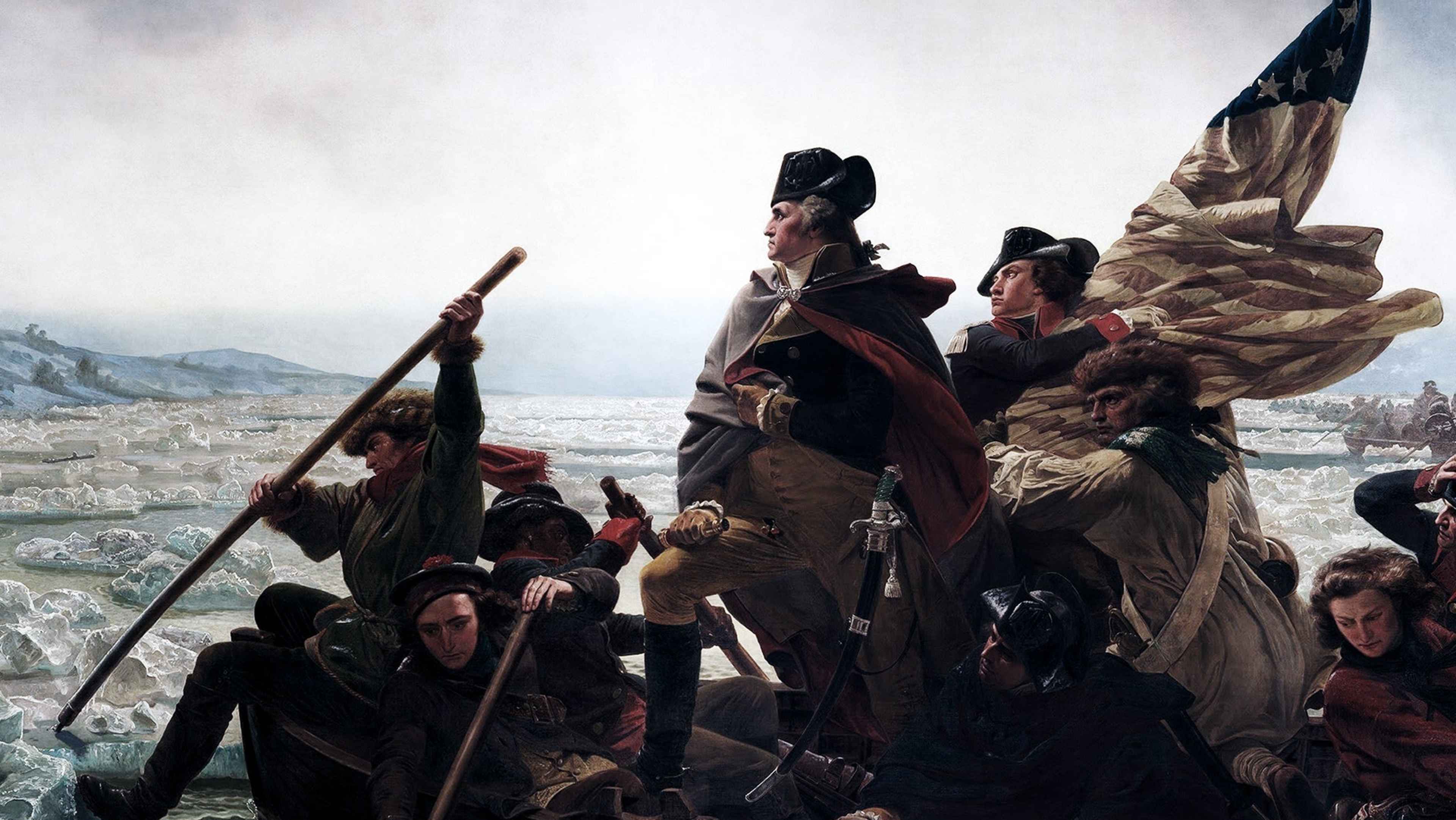
Soon after his commission, Lafayette met General George Washington. The two men formed an almost immediate, profound connection that historians describe as a surrogate father-and-son relationship. Washington, who had no biological children, recognized Lafayette’s genuine devotion to the cause, while Lafayette revered Washington as a leader of peerless character. In late 1777, Lafayette stood alongside Washington during one of the darkest periods of the war, enduring the brutal, freezing winter at Valley Forge.
During this harsh campaign, the Marquis witnessed the plight of starving soldiers at Valley Forge. Rather than retreating to comfortable quarters, he chose to suffer alongside the men, sharing their meager rations and sleeping in a drafty log cabin. This act of solidarity earned him the everlasting respect of the American troops. Washington’s trust in his military acumen grew, especially as the commander relied on sophisticated intelligence operations to outmaneuver the British. To understand the broader scope of Washington’s strategic genius, one can look at how George Washington used spies to win the American Revolution, a network of espionage that Lafayette supported through tactical reconnaissance and unwavering loyalty.
Key Turning Points: From Brandywine to Yorktown
Lafayette’s military career was defined by courage under fire and tactical brilliance. His first major test came at the Battle of Brandywine on September 11, 1777. When the American lines began to crumble under a fierce British assault, Lafayette rushed forward to rally the retreating troops. During the chaos, he was shot in the calf. Despite the painful wound, he refused immediate medical treatment until he had successfully organized an orderly retreat, preventing a total rout. After a brief two-month recovery, he was rewarded with the command of his own division.
Lafayette’s diplomatic influence was just as crucial as his battlefield bravery. In 1779, he returned to France to lobby King Louis XVI for direct military intervention. His tireless efforts succeeded, paving the way for the French fleet and thousands of professional French soldiers to cross the Atlantic. There were several 5 crucial ways the French helped win the American Revolution, and Lafayette was the central catalyst for nearly all of them. Upon his return to America, Lafayette played a decisive role in the Siege of Yorktown in 1781. He successfully pinned down British General Charles Cornwallis’s forces in Virginia, holding them in place until Washington’s army and the French fleet arrived to force the historic British surrender that effectively won the war.
Key Events Timeline in the Life of Lafayette
- September 6, 1757: Born in Chavaniac, France, to an ancient and wealthy noble family.
- August 1775: Hears of the American rebellion at a dinner with the Duke of Gloucester and resolves to join the fight.
- April 1777: Defies King Louis XVI, boards the ship La Victoire, and sails to America.
- July 31, 1777: Commissioned as a Major General in the Continental Army by Congress.
- September 11, 1777: Wounded at the Battle of Brandywine but successfully coordinates the American retreat.
- Winter 1777-1778: Suffers alongside American troops during the harsh winter at Valley Forge.
- 1779-1780: Returns to France, successfully lobbies for French troops, and returns to America with military reinforcements.
- October 19, 1781: Helps corner Cornwallis at the Siege of Yorktown, securing the decisive American victory.
- August 1789: Drafts and presents the Declaration of the Rights of Man and of the Citizen in France.
- 1824-1825: Conducts a triumphal 24-state tour of the United States as "The Nation’s Guest."
- May 20, 1834: Dies in Paris at the age of 76 and is buried in Picpus Cemetery under American soil.
Surprising and Lesser-Known Facts About Lafayette
Beyond his famous military exploits, Lafayette’s life was filled with fascinating and eccentric details that showcase his unique personality and deep connection to America:
- The Father of the American Foxhound: In 1785, Lafayette sent seven massive French hounds to George Washington as a gift. Washington bred these French canines with his existing English foxhounds, a crossbreeding that successfully birthed the American Foxhound breed we know today.
- Names of Revolutionary Homage: Lafayette’s deep love for his adopted home was reflected in his children’s names. He named his son Georges Washington de Lafayette, and at the suggestion of Thomas Jefferson, named his youngest daughter Marie Antoinette Virginie to honor both the French queen and the state of Virginia.
- Buried in Bunker Hill Soil: When Lafayette died in Paris in 1834, he was buried under soil imported directly from Bunker Hill in Boston. During his 1825 tour of America, Lafayette had collected a trunk of this historic dirt specifically so he could fulfill his wish to be laid to rest in both French and American soil.
The French Revolution and the Defense of Constitutional Liberty
Lafayette’s commitment to liberty did not end with the American Revolution. Upon returning to France, he became a central figure in the early stages of the French Revolution. In 1789, with the direct assistance of Thomas Jefferson, Lafayette penned the "Declaration of the Rights of Man and of the Citizen," one of the most foundational documents in the history of human rights. Although he championed reform, Lafayette was a moderate who sought a constitutional monarchy rather than the radical, blood-soaked path of the Reign of Terror. This moderate stance eventually led to his imprisonment by radical factions in France and Austria, though he survived to fight another day.
In 1830, when King Charles X attempted to dismantle the constitution and suppress the free press, Lafayette once again took command of the National Guard to support the revolutionaries. After the king’s abdication, Lafayette was offered the position of dictator. True to his democratic values, he turned down the chance to rule, opting instead to establish a constitutional monarchy under Louis-Philippe—though he would later lead the liberal opposition when the new king failed to implement meaningful democratic reforms.
Why Lafayette’s Legacy Still Matters Today
The Marquis de Lafayette represents a timeless ideal: that the pursuit of human freedom transcends national borders. In an era dominated by imperial rivalries, Lafayette demonstrated that individuals could be united by shared values of liberty, equality, and democracy. His honorary U.S. citizenship, granted officially by Congress in 2002, recognizes his unique place as a founding father who was not born on American soil but whose heart belonged to the American experiment. Today, towns, counties, and parks named "Lafayette" or "Fayetteville" across the United States serve as permanent monuments to the young Frenchman who risked everything for a nation that was not his own.
People Also Ask (Frequently Asked Questions)
Was the Marquis de Lafayette actually a United States citizen?
In 1784, Maryland and several other states granted Lafayette honorary citizenship. However, a 1935 State Department ruling concluded these did not make him a U.S. citizen under the modern Constitution. This changed in 2002 when Congress officially made him the sixth foreign national to receive honorary American citizenship.
Why did Lafayette decide to fight in the American Revolution?
Lafayette was inspired by the ideals of liberty and democracy championed by the American colonists. He also harbored a personal vendetta against Great Britain, as his father had been killed by British forces during the Seven Years’ War.
Where is Lafayette buried?
Lafayette is buried in Picpus Cemetery in Paris, France. In accordance with his wishes, his grave is covered with soil brought from Bunker Hill in Boston, Massachusetts, ensuring he rests in both French and American earth.
Conclusion: The Eternal Hero of Two Worlds
The legacy of the Marquis de Lafayette is a testament to the power of idealism, bravery, and cross-border cooperation. As a young man who left behind comfort and royalty to fight in the dirt of Brandywine and Valley Forge, Lafayette proved that liberty is a universal cause. His contributions to the birth of the United States and his subsequent fight for human rights in France cement his status as one of the most extraordinary figures of the modern era. He remains, forever, the eternal Hero of the Two Worlds.


