When modern readers think of the Declaration of Independence, their minds inevitably drift to the poetic elegance of Thomas Jefferson’s preamble. We fondly recite the immortal words declaring that “all men are created equal” and endowed by their Creator with “certain unalienable Rights” like “Life, Liberty and the pursuit of Happiness.” However, focusing solely on these philosophical musings overlooks the true legalistic engine of the document. The Declaration of Independence was not merely a lofty manifesto of human rights; it was a rigorous, prosecutor-style indictment against British imperial rule. At its core, the document contains a detailed laundry list of 27 specific grievances aimed squarely at King George III. These charges were systematically assembled to prove to a skeptical global audience—and prospective European allies—that the British Crown had violated its own constitution, leaving the American colonists with no legal recourse but to sever ties and forge a new nation.
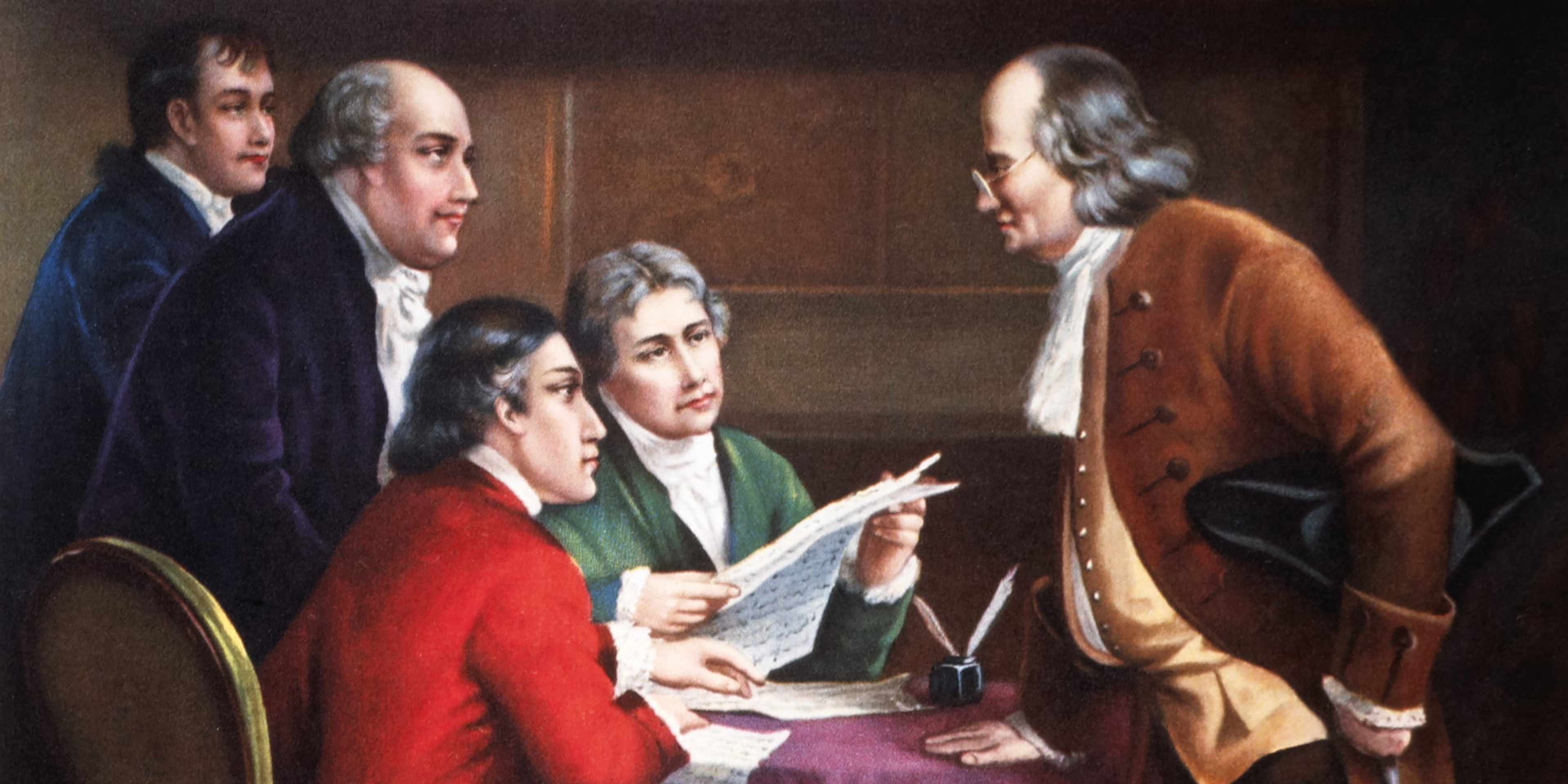
A Legal Case for Revolution: The True Intent of 1776
To fully comprehend the Declaration of Independence, one must look past its philosophical shell and analyze its structural bones. Written in the style of a contemporary legal petition, the document operates like an impeachment proceeding or a courtroom opening statement. As the text itself boldly declares: “The history of the present King of Great Britain is a history of repeated injuries and usurpations, all having in direct object the establishment of an absolute Tyranny over these States. To prove this, let Facts be submitted to a candid world.”
According to esteemed historians, English common law historically provided mechanisms for dethroning or resisting a monarch who had breached the established laws of the land. By framing their rebellion within this established legal tradition, the Continental Congress sought to show they were not lawless radicals, but rather victims of a lawbreaking sovereign. The 27 grievances served as the formal list of charges, meticulously documenting how King George III had shattered the social contract and forfeited his right to rule the thirteen colonies.
The Road to Rebellion: A Chronological Timeline of Grievances
The grievances compiled in 1776 were not sudden complaints; they were the culmination of over a decade of escalating socio-political friction. Understanding this timeline is essential to seeing how peaceful petitioning deteriorated into armed rebellion.
- 1765 — The Stamp Act: In an attempt to pay off massive debts incurred during the Seven Years’ War, the British Parliament passed the Stamp Act, imposing direct taxes on paper goods. This sparked the cry of “no taxation without representation.” Nine colonies united at the Stamp Act Congress in New York to draft a “Declaration of Rights and Grievances,” appealing directly to the King’s sense of justice.
- 1774 — Dissolution of Assemblies: Outraged by the Boston Tea Party, Parliament dissolved local governing bodies. This prompted Thomas Jefferson to publish his biting pamphlet, A Summary View of the Rights of British America. Jefferson fiercely condemned the unilateral dissolution of Virginia’s prominent colonial assembly, the Virginia House of Burgesses, asking why distant legislators should dictate the lives of millions of self-reliant Americans.
- September 1774 — The First Continental Congress: Delegates from twelve colonies met in Philadelphia to coordinate their resistance against the coercive “Intolerable Acts,” producing yet another list of formal objections to Parliamentary overreach.
- 1775 — Outbreak of War: With the outbreak of the Revolutionary War, peaceful reconciliation became impossible. Armed conflicts at Lexington, Concord, and Bunker Hill fundamentally shifted the nature of colonial complaints from tax disputes to accusations of outright military brutality.
- July 1776 — The Declaration of Independence: Recognizing that local compromises were dead, the Second Continental Congress formally approved the Declaration on July 4, 1776, releasing the 27 grievances to the global stage.
Key Figures and Their Lasting Impact
The creation and dissemination of the Declaration involved key historical figures who played pivotal roles in shaping the legal arguments and strategic outcomes of the Revolution:
Thomas Jefferson (The Prosecutor)
At just 33 years old, the exceptionally gifted Virginian was selected to draft the primary text. Utilizing his background as a lawyer, Jefferson constructed the Declaration as a logical, legal brief. His phrasing transformed what could have been a dry legal document into an enduring testament to human liberty, securing his place as a premier architect of American democracy.
King George III (The Accused Tyrant)
The chief target of the 27 grievances, King George III was depicted as a stubborn executive who repeatedly ignored colonial petitions. By focusing the blame entirely on the King rather than Parliament, the colonists legally justified their secession, arguing that their primary constitutional bond was to the Crown, and that the Crown had broken that bond.
Benjamin Franklin (The Diplomat)
As a member of the Committee of Five, Franklin helped edit Jefferson’s draft. More importantly, Franklin understood that the document’s ultimate value lay in its international appeal. As head of the Committee on Secret Correspondence, Franklin worked tirelessly to distribute the document across Europe, laying the groundwork for the crucial alliance with France.
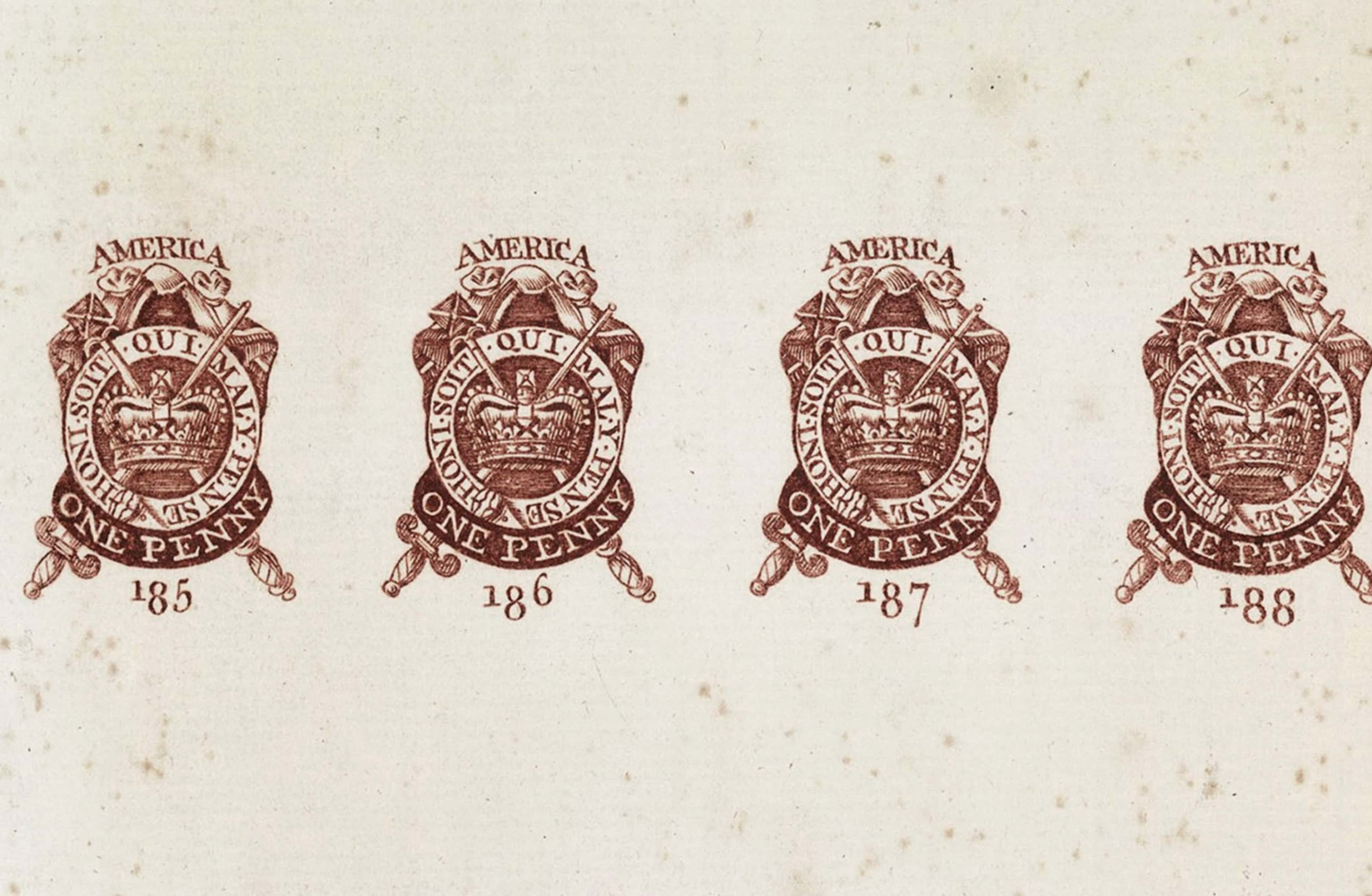
Deconstructing the 27 Grievances: Colonial Scars Laid Bare
While the grievances cover a vast array of complaints, they can generally be categorized into three major areas of imperial overreach: economic suppression, political subversion, and military violence.
Economic Strangulation
For generations, the British Empire used mercantilist policies to control colonial commerce. The Navigation Acts restricted American merchants to trading exclusively on British vessels and with British markets. In the Declaration, the colonists directly protested this economic isolation, criticizing the Crown for “cutting off our Trade with all parts of the world.”
Subversion of Self-Governance
The colonists highly valued their local legislative assemblies, which had operated with a high degree of autonomy. When King George III suspended these assemblies, suspended the writ of habeas corpus, and forced colonists to quarter British troops, he was seen as dismantling the foundational pillars of British liberty. The grievances explicitly targeted these administrative abuses, accusing the King of refusing his assent to laws necessary for the public good.
Acts of Military Brutality
By 1776, British military forces had actively turned their weapons against the very colonists they were sworn to protect. Jefferson did not hold back in describing these violent acts, accusing the King of having “plundered our seas, ravaged our Coasts, burnt our towns, and destroyed the lives of our people.” Furthermore, the colonists were deeply outraged by the importation of thousands of Hessian mercenaries—German soldiers contracted to fight on behalf of the Crown—which the Declaration described as works of “death, desolation and tyranny, already begun with circumstances of Cruelty & perfidy.”
The True Audience: Why the World Needed to Hear the Grievances
A common misconception is that the Declaration of Independence was a letter written directly to King George III or Parliament. In truth, the British government was well aware of the colonists’ defiance. The actual intended audience was “a candid World”—specifically France and Spain, the traditional rivals of the British Empire.
Without foreign military and financial aid, the continental forces stood little chance against the might of the British military. However, European powers were hesitant to support what might look like a domestic civil war. By publishing a formal legal document listing 27 undeniable violations of law, the Continental Congress proved that this was a legitimate war between sovereign states, not a minor colonial rebellion. This legal proof worked: in 1778, France officially recognized the United States, providing tens of thousands of soldiers and sailors who proved absolutely vital to securing American victory at Yorktown.
Lesser-Known Facts About the 27 Grievances
- The Lost Draft: Shortly after the Declaration was signed, Benjamin Franklin sent a copy to Silas Deane, an American agent in France, with instructions to translate and share it with the royal courts. However, the package was intercepted and never arrived, delaying the formal announcement in France.
- The Burned City of Falmouth: The grievance regarding the burning of towns referred directly to the October 1775 bombardment of Falmouth (modern-day Portland, Maine). A British naval commander gave the citizens just two hours to evacuate before reducing the thriving port city to ashes.
- A British First: Ironically, the first foreign newspapers to publish the Declaration of Independence were actually two London publications on August 16, 1776, spreading the news of the colonies’ defiance to the British public long before it reached continental Europe.
Why the 27 Grievances Still Matter Today
Though the grievances of 1776 address specific 18th-century disputes, the principles underlying them remain highly relevant in modern political discourse. The core of the 27 grievances is a warning against the dangers of unchecked executive power. Issues of taxation, military overreach, and the unilateral suspension of local laws directly influenced the framing of the U.S. Constitution and the Bill of Rights.
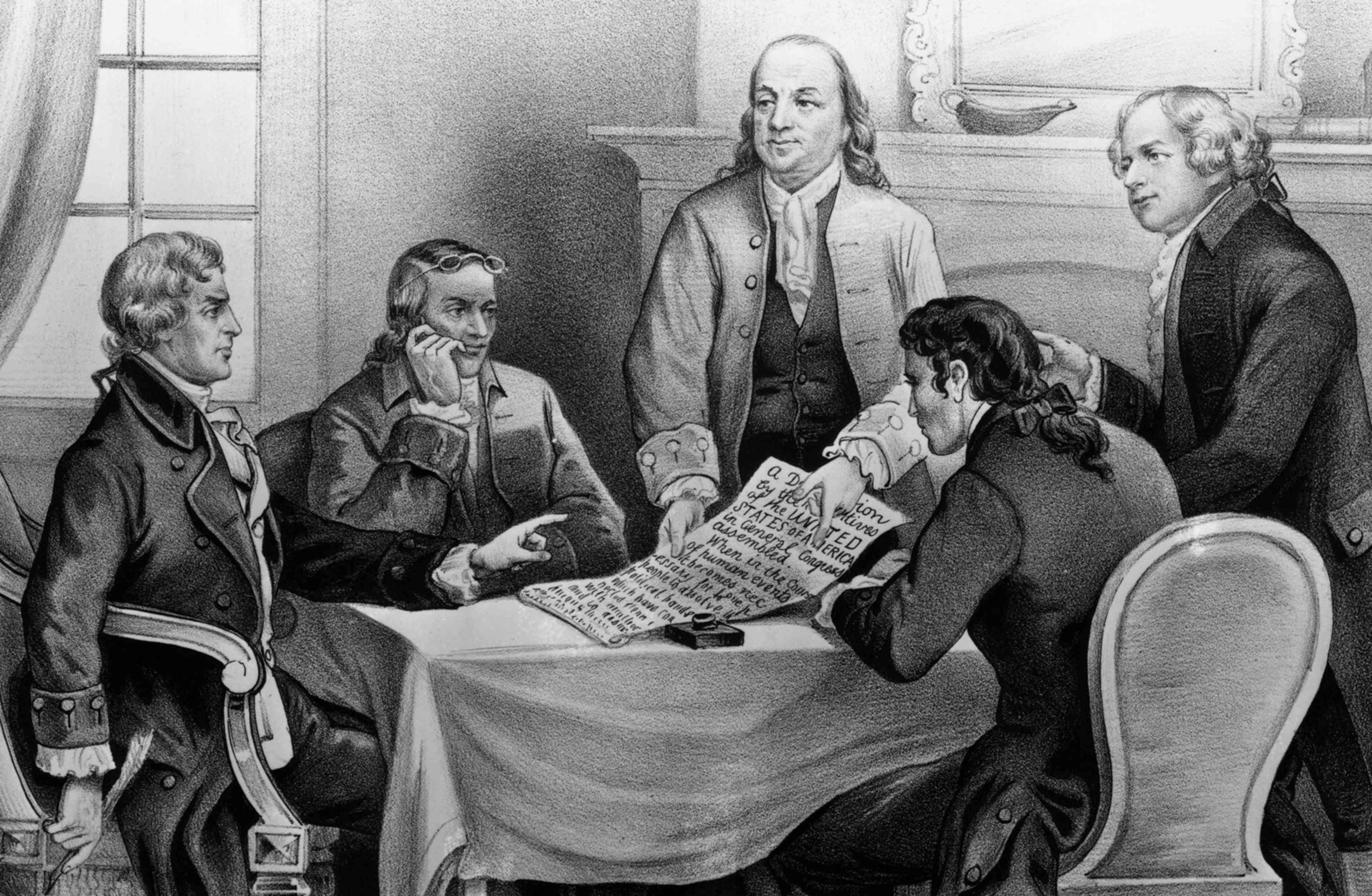
When we look at the modern balance of power, the separation of branches, and the protection of civil liberties, we are looking at a system designed specifically to prevent the 27 abuses listed by Jefferson. The Declaration serves as a timeless reminder that when government institutions fail to protect the governed and violate the rule of law, the people have a fundamental right and duty to hold their leaders accountable.
People Also Ask (FAQ)
What was the main purpose of the 27 grievances in the Declaration of Independence?
The primary purpose was to provide a legal and philosophical justification for the American Revolution. By listing 27 specific violations of English law committed by King George III, the colonists aimed to prove that the King was a tyrant who had broken the social contract, thereby justifying their decision to declare independence.
Who was the primary audience for the Declaration of Independence?
While it addressed King George III’s abuses, the actual primary audience was foreign nations, particularly France and Spain. The colonists needed to demonstrate that they were fighting a legitimate war of independence as a sovereign nation, rather than a minor rebellion, in order to secure crucial military and financial alliances.
How did the 27 grievances influence the U.S. Constitution?
Many of the grievances directly shaped the protections written into the Constitution and the Bill of Rights. For example, protests against quartering troops led to the Third Amendment, complaints about unfair trials influenced the Sixth Amendment, and concerns over unchecked executive power led to the system of checks and balances.
Conclusion
The Declaration of Independence is far more than its famous opening lines. It is a masterfully crafted legal document that presented an airtight case against a lawbreaking monarch. By detailing 27 distinct grievances, the founders proved to the global community that their revolution was not a rash act of defiance, but a necessary defense of their fundamental rights. This calculated legal strategy successfully secured the international support needed to win the Revolutionary War, laying the groundwork for a free nation built on the rule of law.


