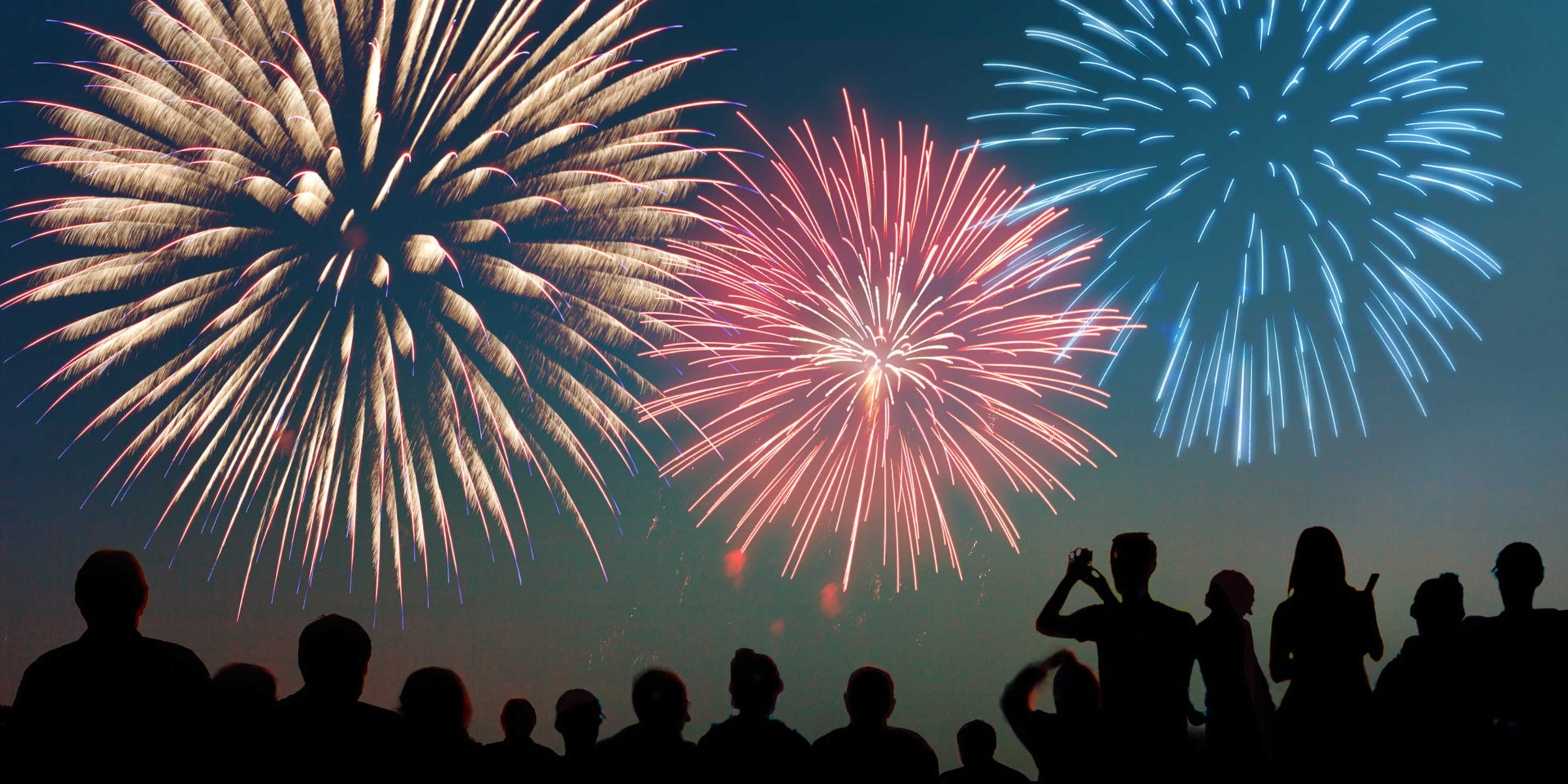
Every summer, as the heat of July settles over the United States, millions of families gather in parks, backyards, and along city waterfronts to witness a breathtaking spectacle: the night sky bursting with brilliant shades of red, white, and blue. For generations of Americans, the Fourth of July is synonymous with the thunderous boom and glittering trails of pyrotechnic displays. But why do we celebrate July 4 with fireworks, and how did this explosive tradition become the ultimate hallmark of American patriotism? To understand this beloved custom, we must journey back to the tense, humid summer of 1776, where a group of visionary leaders sought not only to forge a new nation but also to define how its future citizens would remember the birth of their liberty. This enduring tradition, proposed by one of the key Founding Fathers before the nation was even officially born, reflects the deep-seated American spirit of resilience, unity, and celebration.
The Spark of Rebellion: Historical Background of July 1776
To fully appreciate the origins of the Fourth of July fireworks, one must understand the socio-political climate of the late 18th century. In July 1776, the American Revolutionary War was already underway, and the tension between the British Crown and the thirteen original American colonies had reached a boiling point. For years, the colonists had endured heavy taxation without representation, military occupation, and systemic disregard for their local governance. By the time delegates gathered for the Second Continental Congress in Philadelphia, the dream of reconciliation had shattered, replaced by a fierce collective desire for total self-determination.
The debates inside the Pennsylvania State House (now Independence Hall) were intellectually grueling and emotionally charged. Delegates represented diverse regional interests, and declaring independence from the most powerful empire on Earth was an act of high treason punishable by death. Prominent figures like Thomas Jefferson, John Adams, Benjamin Franklin, and John Hancock knew that a formal declaration would irrevocably change the course of human history. Yet, as British warships under the command of Admiral Richard Howe sailed into New York Harbor in early July, presenting an immediate military threat to George Washington’s forces, the urgency to unite and declare sovereignty became absolute.
Chronology of Sparks: The Timeline of Independence Day
The journey from a treasonous resolution to a nationwide annual festival is marked by several pivotal moments in July 1776 and the years immediately following. Here is how the sequence of events unfolded:
- July 1, 1776: Delegates from the colonies debate the resolution of independence proposed by Richard Henry Lee of Virginia. The atmosphere in Philadelphia is heavy with anticipation and the looming threat of British naval forces.
- July 2, 1776: In a historic vote, twelve of the colonies officially vote in favor of declaring independence. New York abstains initially, later endorsing the decision on July 9. John Adams is convinced this date will be celebrated by future generations.
- July 3, 1776: While Congress continues to debate and refine the draft of the Declaration written by Thomas Jefferson, John Adams writes an emotional and prophetic letter to his wife, Abigail, detailing how the event should be celebrated with great pomp, shows, bonfires, and “illuminations.”
- July 4, 1776: Congress formally adopts the finalized Declaration of Independence. Although the document was not signed by most delegates until August 2, this date becomes the official anniversary of American freedom.
- July 8, 1776: The first public readings of the Declaration take place in Philadelphia, Trenton, and Easton, accompanied by impromptu celebrations, ringing bells, and military parades.
- July 4, 1777: The first organized anniversary of Independence Day is celebrated in Philadelphia. This landmark event featured a 13-gun salute from armed ships, a military parade, a dinner, and a grand display of fireworks that began and ended with thirteen rockets.
- July 4, 1783: Boston becomes the first city to designate July 4th as an official holiday.
- July 4, 1826: The nation celebrates its 50th anniversary, marked by the tragic yet poetic deaths of both Thomas Jefferson and John Adams within hours of each other.
- July 4, 1870: Congress officially establishes Independence Day as an unpaid federal holiday, later upgrading it to a paid federal holiday in 1938.
Crucial Pioneers of the Patriot Spirit
The celebration of Independence Day as a grand, theatrical event is largely the legacy of a few key individuals whose visions shaped early American identity. Chief among them was John Adams. The brilliant lawyer from Massachusetts was a tireless advocate for independence. Adams recognized that a new nation needed its own civil religion—shared rituals and symbols that would bind a diverse population together. His famous letter to Abigail Adams on July 3, 1776, predicted that America’s independence would be celebrated as a “great anniversary Festival” filled with “Pomp and Parade, with Shews, Games, Sports, Guns, Bells, Bonfires and Illuminations from one End of this Continent to the other from this Time forward forever more.” By “illuminations,” Adams meant fireworks and candles, envisioning a continent-wide display of light defeating darkness.
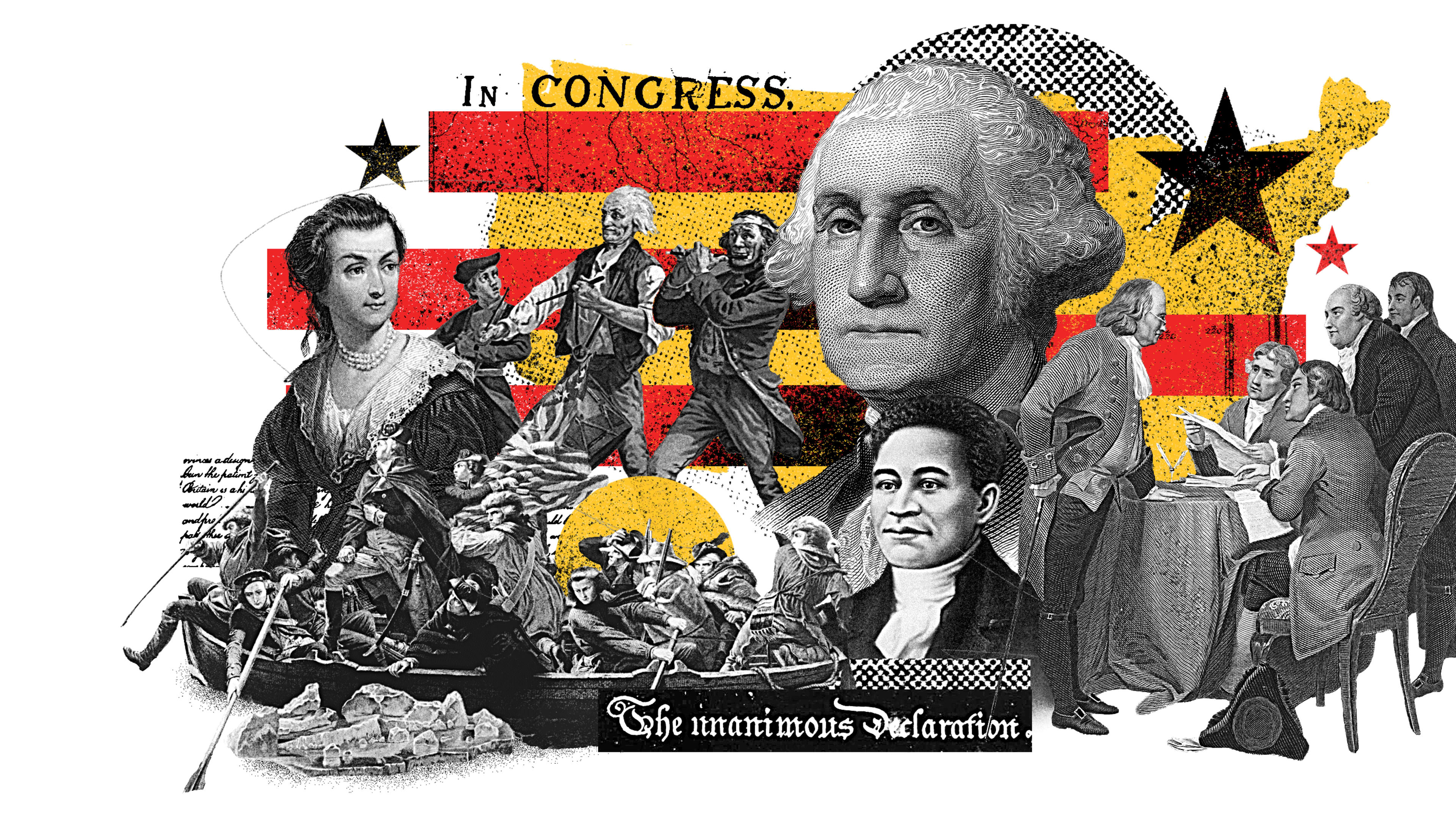
Another monumental figure was Thomas Jefferson, the primary author of the Declaration of Independence. Jefferson’s eloquent words gave philosophical weight to the revolution, declaring that all men are created equal with unalienable rights to life, liberty, and the pursuit of happiness. Though Adams and Jefferson were political rivals in the decades following the revolution, their fates remained deeply intertwined. In one of the most astounding historical coincidences, both men passed away on July 4, 1826—exactly fifty years after the adoption of the Declaration. This extraordinary timing cemented their legendary status and cast a sacred aura over the July 4th celebrations.
From Cannons to Crackers: Turning Points in Festive Culture
How did Americans transition from the loud, chaotic, and dangerous military salutes of the late 18th century to the organized public fireworks of today? In the early years of the republic, Independence Day celebrations were incredibly loud, wild, and frequently hazardous. Drawing from a culture of boisterous public gatherings, early citizens marked the holiday with heavy drinking, musketry, and the firing of actual military cannons. This raucous atmosphere mirrored the booze-filled, rowdy celebrations that defined early American public life during the colonial and post-revolutionary eras.
However, firing live artillery in crowded urban centers inevitably led to severe injuries, lost limbs, fires, and accidental deaths. As cities grew and the memory of the Revolutionary War faded into history, civic leaders sought safer, more structured alternatives. The War of 1812 sparked a major resurgence of patriotism, and during this era, commercially manufactured fireworks became more widely available. Public safety concerns eventually forced the phasing out of cannons and live gunfire, replacing them with professional pyrotechnic displays. Fireworks allowed communities to maintain the thunderous noise and dazzling light that Adams had envisioned, but in a controlled, safer, and highly synchronized manner.
Lesser-Known Facts About July 4th Celebrations
While the history of Independence Day seems straightforward, several fascinating anecdotes are often left out of modern history books:
- The Hessian Band Irony: During the first official July 4 celebration in Philadelphia in 1777, the musical entertainment was provided by a band of Hessian soldiers. These Hessian musicians were German mercenaries who had been captured by George Washington’s forces at the Battle of Trenton. In a brilliant twist of fate, the captured soldiers performed festive tunes for their American captors.
- Adams Boycotted July 4th: Because the Continental Congress voted to approve the resolution of independence on July 2, John Adams firmly believed that July 2nd should be celebrated as America’s birthday. In protest of the July 4th date being chosen, Adams would reportedly decline invitations to July 4th events, even though he continued to celebrate the spirit of independence.
- The Rise of the Chinese Firecracker: Following the War of 1812, American merchants heavily imported cheap, high-quality firecrackers from China. By the late 19th century, Chinese firecrackers had become a staple of American celebrations, prompting a reporter in 1898 to note that July 4th had become “the greatest event the maker of firecrackers knows.”
Long-Term Impact & Why the Tradition Endures Today
Today, the tradition of celebrating Independence Day with fireworks has grown into a massive cultural and economic phenomenon. Each year, Americans spend over $1 billion on consumer and professional fireworks, lighting up backyards and city skies across all fifty states. The evolution of this holiday reflects the broader trajectory of American history: from a fractured group of colonies fighting for survival to a global superpower celebrating its foundational values of liberty and unity.
While safety concerns have led to strict regulations—such as in John Adams’s home state of Massachusetts, which bans all consumer fireworks—the core message of the holiday remains unchanged. Fireworks on the Fourth of July serve as a visual metaphor for the American experiment: a brilliant, noisy, and dynamic burst of collective energy that, despite its challenges, continues to light up the world. It is a reminder of the courage displayed by those who risked everything in 1776, ensuring that the legacy of freedom is passed down, illuminated for all to see, from one generation to the next.
People Also Ask (FAQ)
Why did John Adams want fireworks on July 4?
John Adams did not specifically mention modern “fireworks,” but rather “illuminations,” which in the 18th century referred to candles, bonfires, and early pyrotechnic rockets. He believed that the birth of a free nation should be marked by grand, public displays of light and joy to foster a shared national identity and remind citizens of the struggle for liberty.
When was the first July 4 fireworks display?
The first organized, official fireworks display for Independence Day took place in Philadelphia on July 4, 1777, during the first anniversary celebration. The evening concluded with a grand exhibition of fireworks, beginning and ending with thirteen rockets launched on the Commons to honor the thirteen original colonies.
Is July 4th the day America actually gained independence?
No, July 4, 1776, was the day the Continental Congress formally adopted the wording of the Declaration of Independence. The actual vote for independence occurred on July 2, 1776, and the Revolutionary War continued for several more years, officially ending with the Treaty of Paris in 1783.
Conclusion
From the desperate, war-torn summer of 1776 to the multi-million-dollar modern light shows of today, fireworks have remained the ultimate symbol of American independence. By transforming the sounds of battle—the boom of cannons and the flash of gunpowder—into a celebratory art form, Americans have kept the spirit of the revolution alive for nearly two and a half centuries. When we look up at the flashing sky this July 4th, we are not just watching a show; we are participating in a living ritual envisioned by the Founding Fathers, celebrating the enduring light of liberty.


