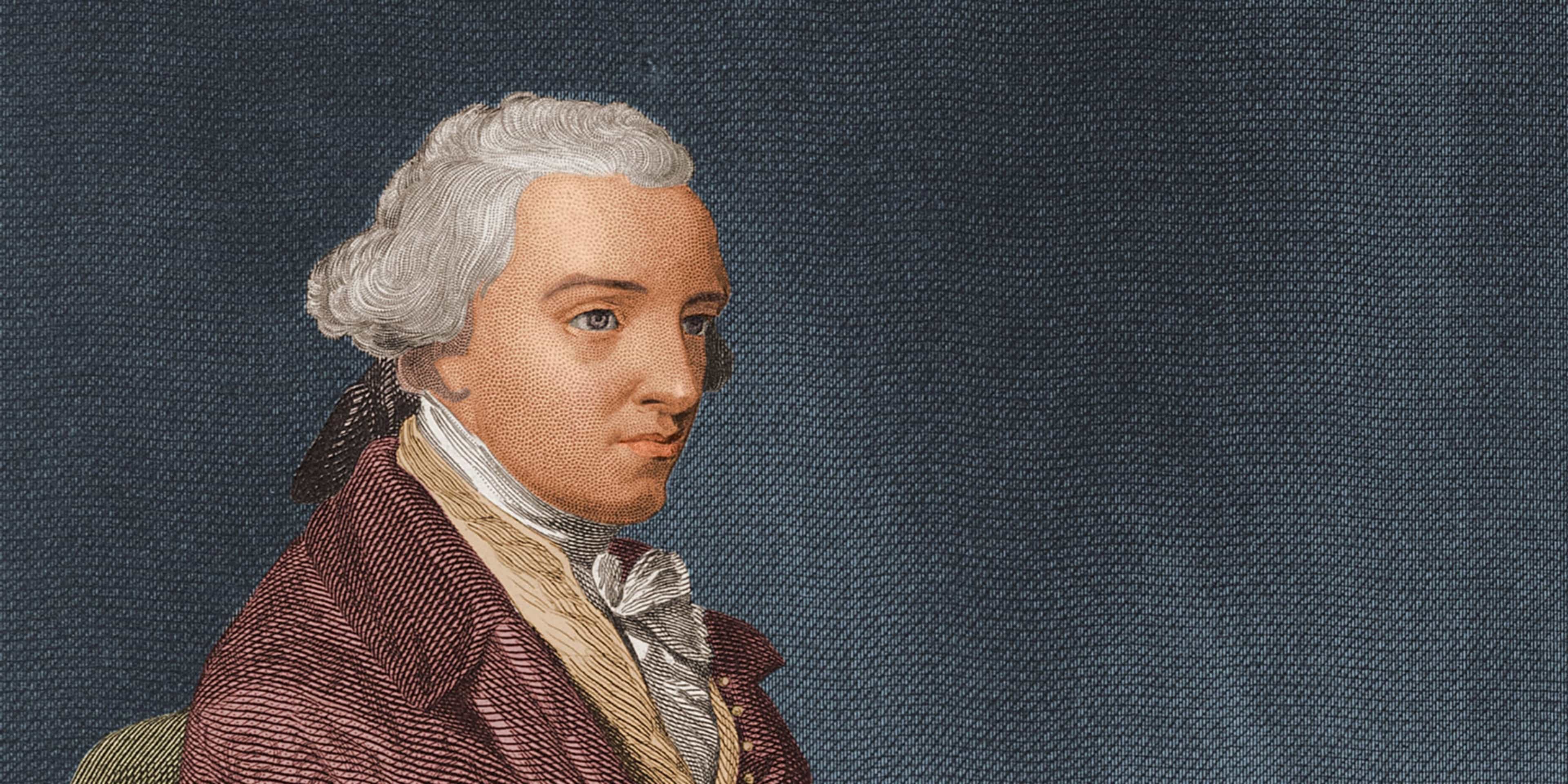
John Hancock (1737-1793) stands as one of the most enigmatic and essential figures of the American Revolutionary War. While many today recognize his name as a colloquial term for a signature, Hancock was far more than a man with elegant handwriting; he was a powerhouse of the revolutionary movement, a merchant prince who risked his massive fortune for the cause of liberty, and a master politician who helped unify a divided colony. Born in Braintree, Massachusetts, and raised in the lap of Boston luxury, Hancock straddled the line between high-society British loyalty and radical American patriotism. His leadership as the President of the Second Continental Congress and the first Governor of Massachusetts cemented his status as a foundational pillar of the United States. To truly appreciate the birth of the American republic, one must understand how this wealthy merchant became a revolutionary firebrand, using his resources to challenge the most powerful empire on Earth.
Historical Background: From Clergyman’s Son to New England’s Richest Man
Born on January 23, 1737, in Braintree (modern-day Quincy), Massachusetts, John Hancock did not start life with immense riches. His father, a humble country clergyman, passed away when Hancock was still a young boy. This tragedy, however, altered the course of his life. He was sent to live with his aunt and childless uncle, Thomas Hancock, in their elegant mansion atop Boston’s Beacon Hill. Thomas Hancock was one of the wealthiest merchants in New England, having built a highly lucrative import-export and shipping empire known as the House of Hancock. Under his uncle’s tutelage, young John received an elite education, graduating from Harvard College in 1754 before entering the family business. When Thomas Hancock died in 1764, the twenty-seven-year-old John inherited the entire business, the mansion, and a staggering fortune, instantaneously making him one of the wealthiest men in the 13 colonies.
The Seeds of Rebellion: British Taxation and the Liberty Affair
Hancock’s entry into the political arena coincided with the end of the Seven Years’ War, a conflict that left Great Britain with massive debts. To recoup these losses, the British Parliament began imposing direct taxes and regulatory measures on the American colonies. Laws like the Stamp Act of 1765 and the Townshend Acts of 1767 ignited fierce colonial opposition. The colonists argued that they should not be taxed by a Parliament in which they had no elected representatives. While some colonists protested on principle, Hancock had both philosophical and deeply practical reasons to oppose British interference. His shipping business depended heavily on free trade, and British customs officials were increasingly aggressive in enforcing mercantilist policies.
The tension culminated in June 1768 with the famous Liberty Affair. British customs officials seized Hancock’s sloop, the Liberty, in Boston Harbor under allegations of smuggling Dutch tea. The seizure sparked violent riots in Boston, forcing British officials to flee to a harbor fortress. Though the British government dropped the charges against Hancock due to lack of evidence, the event served as a major turning point. It radicalized Hancock, pushed him into a close alliance with the fiery patriot Samuel Adams, and made him a popular hero among the working-class citizens of Boston, who viewed him as a defender of colonial rights against imperial tyranny.
Timeline of the American Revolution and Hancock’s Life
To understand the progression of John Hancock’s influence, it is helpful to look at the timeline of his life and the revolutionary milestones that shaped the era:
- January 23, 1737: Born in Braintree, Massachusetts.
- 1754: Graduates from Harvard College and joins his uncle’s mercantile business.
- 1764: Inherits the massive Hancock fortune following his uncle Thomas’s death.
- 1765: Enters local politics, winning election as a Boston selectman.
- June 1768: The seizure of his ship, the Liberty, ignites colonial protests and solidifies his revolutionary stance.
- 1774: Elected President of the Massachusetts Provincial Congress, establishing an autonomous local government.
- April 1775: Narrowly escapes arrest in Lexington thanks to the midnight ride of Paul Revere.
- May 1775: Elected President of the Second Continental Congress in Philadelphia.
- July 4, 1776: Presides over the adoption of the Declaration of Independence and becomes its first and most prominent signer.
- 1780: Elected as the first Governor of the Commonwealth of Massachusetts.
- 1788: Presides over the Massachusetts convention to ratify the United States Constitution.
- October 8, 1793: Dies at the age of 56 while serving his ninth term as governor.
Prominent Figures of the Era and Their Relations with Hancock
John Hancock’s political journey was defined by his interactions, alliances, and occasional rivalries with other legendary figures of the American founding:
- Samuel Adams: The intellectual and organizational mastermind behind the Boston patriots. Adams and Hancock formed an effective partnership; Adams provided the radical ideological drive, while Hancock provided the funding, respectable social status, and public appeal. Despite their close alliance, Adams sometimes criticized Hancock’s lavish, aristocratic lifestyle.
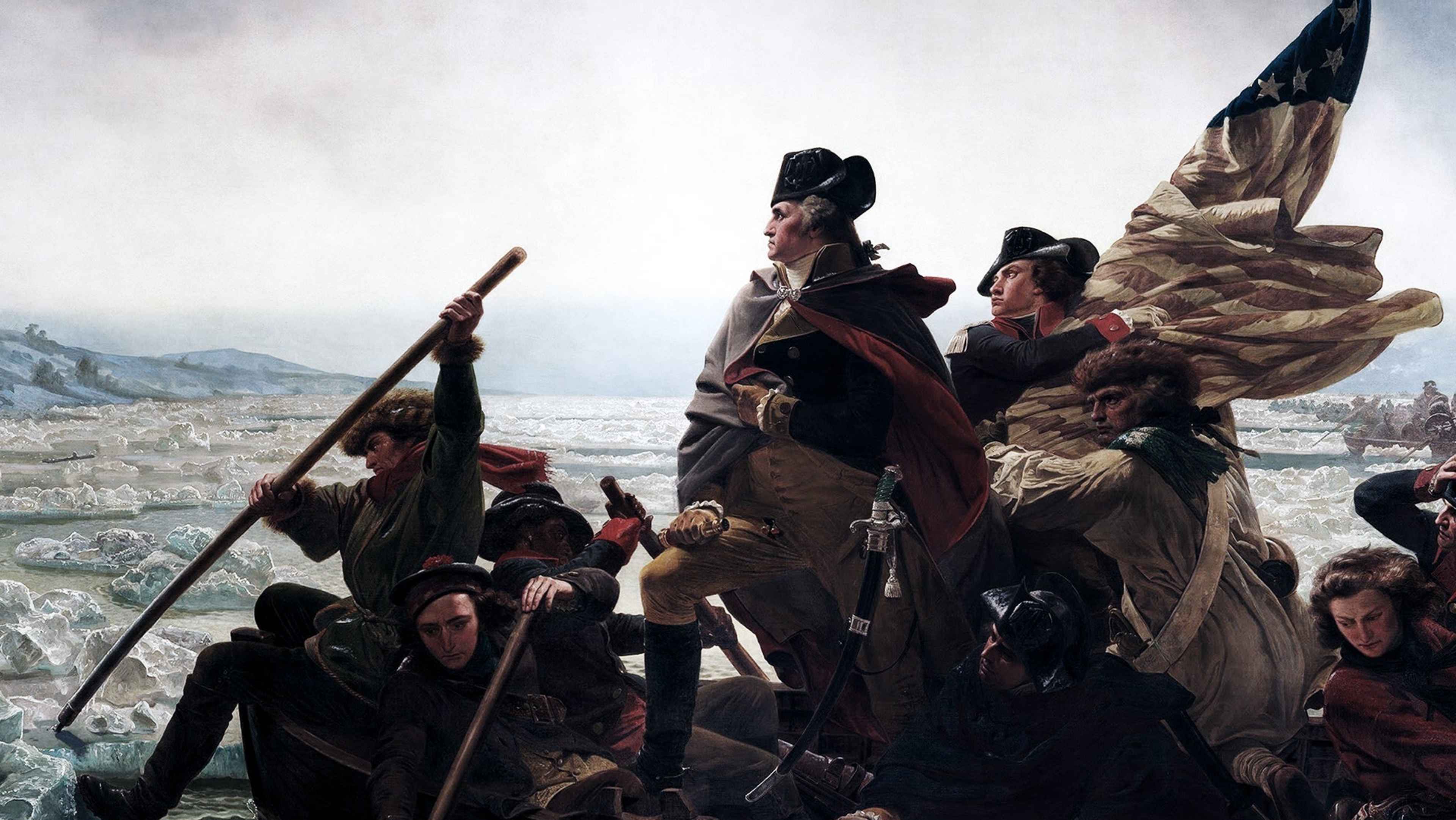
- George Washington: When the Second Continental Congress met to establish the Continental Army, Hancock reportedly harbored ambitions of being appointed commander-in-chief. However, the delegates chose Washington, a Virginian, to foster southern support. Hancock put his personal disappointment aside and used his political influence to support Washington’s military endeavors throughout the war, even though he occasionally debated who commanded the Continental Army before Washington in terms of colonial militia leadership.
- Dorothy Quincy: Hancock’s wife, whom he married in 1775. Dorothy came from a prominent Boston family and was a steadfast companion during the turbulent war years. The couple suffered immense personal tragedy, as both of their children died in childhood, leaving Hancock with no direct heirs.
The Famous Signature and the Birth of a Nation
The defining moment of John Hancock’s legacy occurred on July 4, 1776, when the Continental Congress formally adopted the Declaration of Independence. As President of the Congress, Hancock was the only individual to sign the document on that day, alongside Secretary Charles Thomson, who attested it. The larger, beautifully engrossed parchment copy that we associate with the signing today was not signed by the other delegates until August 2, 1776.
Hancock’s signature is famous for its large size, elegant calligraphy, and bold flourishes. A popular American legend holds that Hancock signed his name so large so that King George III could read it without his spectacles. While this story is likely apocryphal, Hancock’s bold signature certainly conveyed immense courage. Signing the Declaration was an act of high treason against the British Crown, punishable by death. By placing his name prominently at the center of the document, Hancock demonstrated his absolute commitment to the cause of American liberty, ensuring his name would forever be synonymous with a personal signature.
Governing Massachusetts and the Post-War Challenges
After stepping down from the Continental Congress in 1777, Hancock returned to Massachusetts, where he helped draft the state’s constitution in 1780. He was subsequently elected the first governor of the Commonwealth of Massachusetts, winning by an overwhelming landslide. Hancock was a populist governor, skilled at keeping the peace in a highly volatile post-war economy.
However, the state faced severe financial hardship, inflation, and high taxes, which disproportionately affected rural farmers. Suffering from severe gout and facing rising political tensions, Hancock resigned from office in 1785. In his absence, the discontent boiled over into Shays’ Rebellion, an armed uprising of indebted farmers. Recognizing the need for stable leadership, Massachusetts voters reelected Hancock in 1787. He handled the aftermath of the rebellion with leniency, pardoning many of the rebels to heal the state’s political divisions. He also played a vital role in the ratification of the U.S. Constitution, presiding over his state’s 1788 convention and introducing a series of proposed amendments that would later form the basis of the Bill of Rights. His support was crucial in securing Massachusetts’ ratification of the new federal government, demonstrating his prowess in navigating the complex world of elections in colonial America and the early republic.
Lesser-Known Facts About John Hancock
- He Was an Ardent Smuggler: While British laws labeled him a smuggler, Hancock and his fellow colonists viewed his evasion of trade regulations as a legitimate defense of free enterprise against unfair imperial monopolies. His wealth was largely built on importing goods without paying crown duties.
- He Wanted Military Glory: Hancock always craved military prestige. He was disappointed when he did not receive command of the Continental Army and later led a failed expedition to recapture Rhode Island from the British in 1778. His strengths remained firmly in civil administration rather than the battlefield.
- He Lived an Opulent Lifestyle: Despite his revolutionary politics, Hancock loved luxury. He rode in a yellow carriage, wore exquisite lavender and gold suits, and hosted opulent banquets, which drew ire from more puritanical patriots like Samuel Adams.
Why John Hancock Matters Today
John Hancock’s impact extends far beyond his famous signature. He was a crucial bridge between the radical ideological movement of the Revolution and the practical realities of governing a new nation. His willingness to put his immense wealth and high social standing on the line for the cause of independence showed that the revolution was not just an uprising of the poor, but a unified effort across colonial social classes. Today, his name remains immortalized in the American lexicon as a synonym for a signature, and his legacy lives on in the soaring John Hancock skyscrapers in Boston and Chicago, serving as a permanent monument to a man who signed his name to the birth of a free nation.
People Also Ask
Why did John Hancock sign the Declaration of Independence so big?
According to legend, Hancock signed his name large so King George III could read it without glasses. However, the more historically accurate reason is that as President of the Continental Congress, he was the first to sign, and his central position and natural, elegant handwriting style made his signature stand out prominently.
Was John Hancock a smuggler?
Yes, by British legal standards of the time, Hancock was considered a smuggler because he regularly imported goods like Dutch tea, glass, and paper without paying the restrictive British customs duties. To the American colonists, however, this was a form of patriotic resistance against unlawful taxation.
What did John Hancock do after the Revolutionary War?
After the war, John Hancock helped draft the Massachusetts Constitution and served as the state’s first governor. He served multiple terms, helped resolve the aftermath of Shays’ Rebellion, and presided over the Massachusetts convention that ratified the U.S. Constitution.
Conclusion: The Legacy of a Patriot and Statesman
John Hancock was a vital architect of American liberty. From a wealthy merchant to a revolutionary icon, he utilized his wealth, prestige, and political savvy to guide America through its most perilous years. His bold signature remains a timeless symbol of patriotism, courage, and the enduring quest for self-governance.


