When most people think of early American colonization, their minds drift to the wooden palisades of Jamestown in 1607 or the wind-swept shores of Plymouth Rock in 1620. However, decades before the English ever successfully planted a flag in North American soil, a thriving, permanent European community had already taken root in the sun-drenched coastal marshes of Florida. Founded in September 1565 by Spanish Admiral Pedro Menéndez de Avilés, St. Augustine stands as the oldest continuously occupied, European-established settlement in the continental United States. This was not a tentative trading post or a fleeting winter camp, but a strategic fortress city born out of a violent, global struggle for imperial dominance, religious supremacy, and control of the lucrative Atlantic trade routes. By understanding the founding of St. Augustine, we look past traditional Anglo-centric narratives to discover a more complex, multi-cultural, and fascinating origin story of early America—one where Spanish conquistadors, French Huguenots, and the indigenous Timucua people collided in a high-stakes drama of survival, faith, and war.
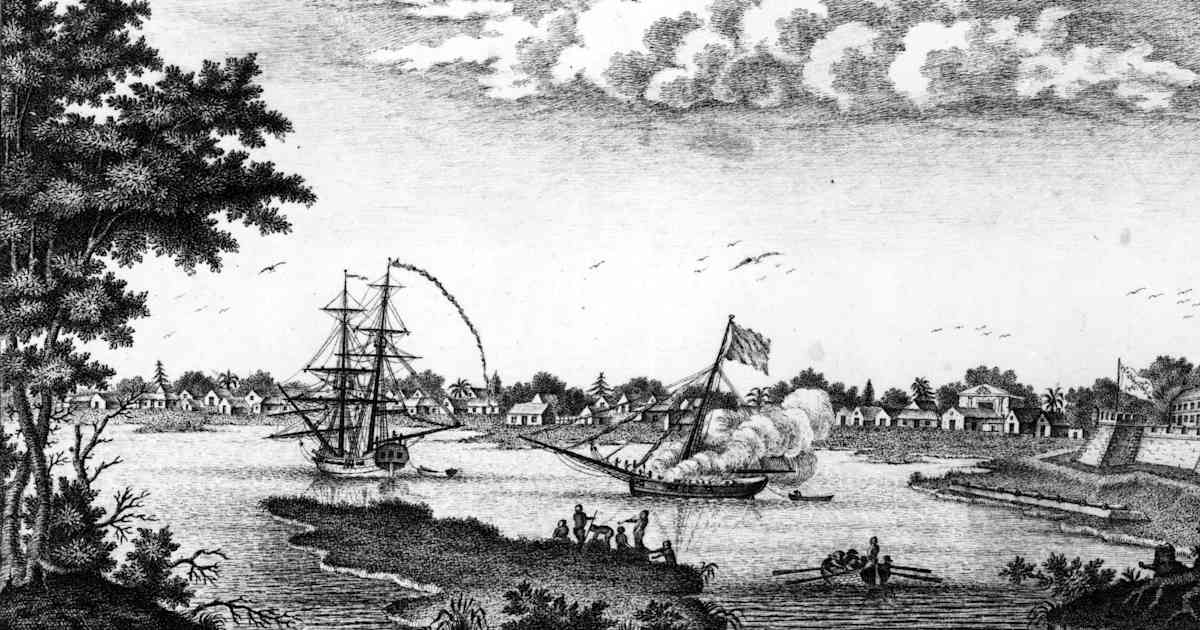
The Geopolitical Crucible: Spain, France, and the Struggle for Florida
To comprehend why Spain was so determined to settle Florida in 1565, one must look at the global map of the 16th century. Under King Philip II, Spain claimed the entire region of ‘La Florida,’ which stretched far beyond modern Florida’s borders, encompassing much of the southeastern United States. The primary concern of the Spanish Crown was the security of its Spanish treasure fleets. These heavily laden convoys carried vast fortunes of silver, gold, and emeralds mined from Mexico and Peru, navigating the Florida Straits and riding the Gulf Stream back across the Atlantic to Spain. Any foreign presence along this route was an existential threat.
In 1564, a group of French Protestants, known as Huguenots, under the command of René de Goulaine de Laudonnière, established a fortified outpost called Fort Caroline near the mouth of the St. Johns River (in modern-day Jacksonville). To Catholic Spain, this was an intolerable double provocation. Not only was France encroaching on territory claimed by the Spanish Empire, but they were also ‘Lutheran heretics’ in the eyes of the deeply Catholic King Philip II. The French presence could serve as a convenient base for corsairs to intercept Spanish treasure fleets. Determined to eliminate this menace, King Philip II appointed Pedro Menéndez de Avilés as Adelantado of Florida, granting him a royal charter to expel the French and establish a permanent Spanish colony.
The Indigenous Landscape: Meeting Chief Seloy and the Timucua
A common misconception is that European settlers arrived in an empty, untamed wilderness. Long before the Spanish ships dropped anchor, the region was home to the Timucua people, a highly organized and complex indigenous society. The Timucua lived in a network of independent chiefdoms, cultivating maize, beans, and squash, while utilizing the abundant coastal resources of fish, oysters, and game. When Menéndez and his 800 colonists (which included soldiers, sailors, craftspeople, 26 women, and several enslaved Africans) landed on September 8, 1565, they stepped directly into the territory of the Seloy, a local Timucuan tribe.
In a historic move that avoided immediate bloodshed, Menéndez negotiated with Chief Seloy. The chief generously offered the Spaniards a massive tribal council house—a large, circular thatched structure capable of holding several hundred people—to use as their initial shelter and defense. The Spanish quickly dug a trench around this ‘Great House’ and threw up earthworks, creating the very first Spanish fortification of St. Augustine. This pivotal alliance with the Timucua was commemorated with a celebrated feast of thanksgiving, a peaceful interaction that would unfortunately deteriorate in later decades as colonial pressures and diseases severely decimated the Timucua population.
A Chronological Journey: Key Dates in St. Augustine’s Early History
The establishment of St. Augustine was not an isolated event, but part of a fast-moving series of historic clashes. The following timeline outlines the crucial moments of this tumultuous era:
- 1513: Juan Ponce de León lands on the Florida coast, claiming the region for Spain and naming it ‘La Florida’ in honor of the Easter season (‘Pascua Florida’).
- 1564: French Huguenots under René de Goulaine de Laudonnière build Fort Caroline, establishing a French presence on the St. Johns River.
- August 28, 1565: Admiral Pedro Menéndez de Avilés sights the Florida coast on the feast day of Saint Augustine of Hippo, inspiring the name of his future settlement.
- September 8, 1565: Menéndez officially lands, founding the settlement of St. Augustine and celebrating a collaborative feast with the local Timucua.
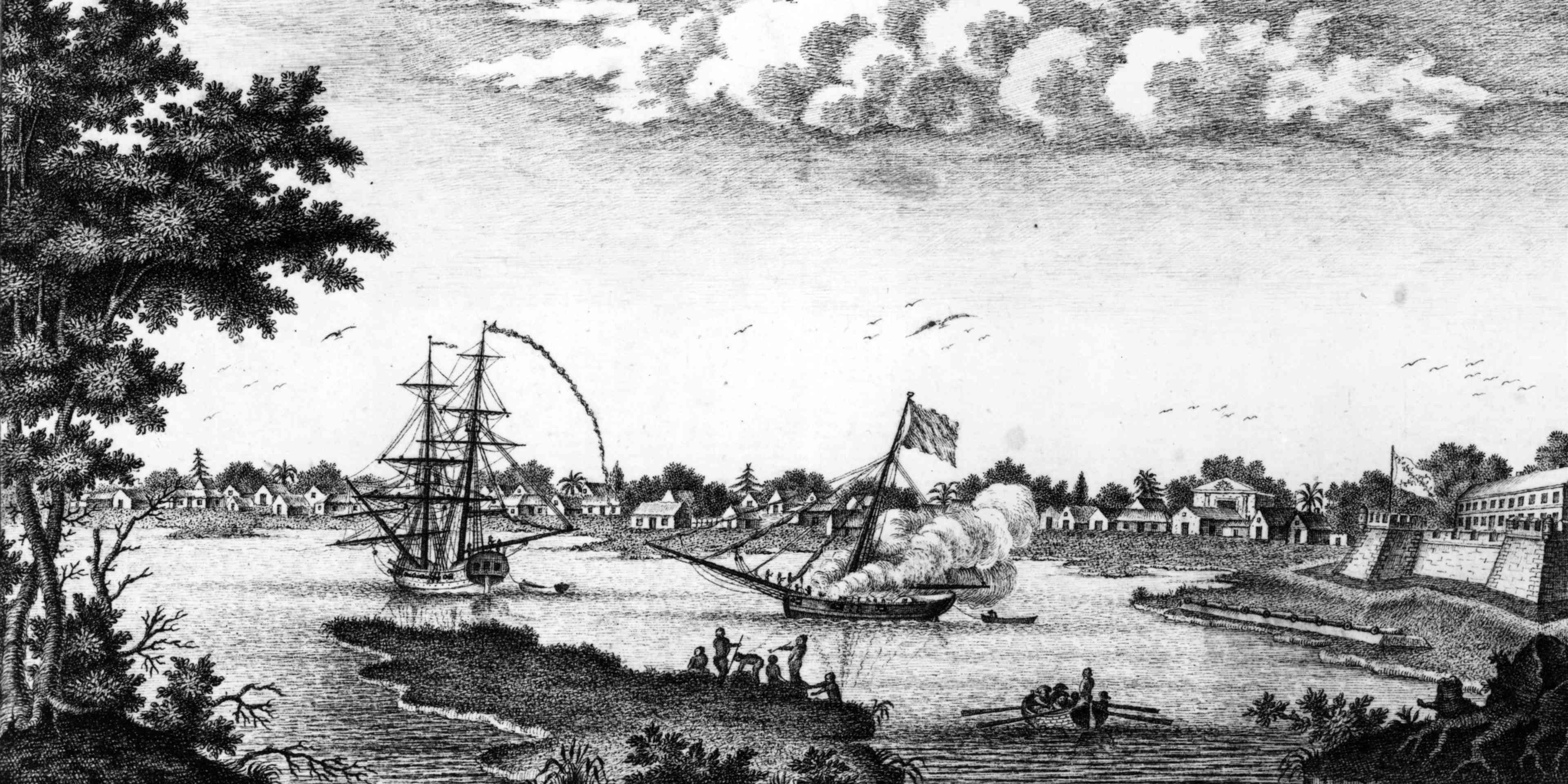
- September 20, 1565: Menéndez leads a surprise overland raid through a torrential storm to capture Fort Caroline, executing its Protestant defenders.
- September-October 1565: The Matanzas Massacres take place at a nearby inlet, solidifying Spanish dominance in Florida by eliminating shipwrecked French forces.
- 1586: English privateer Sir Francis Drake raids and burns St. Augustine, forcing Spanish residents to rebuild their wooden settlement.
- 1672: Construction begins on the stone fortress, Castillo de San Marcos, ensuring the town’s long-term survival against British colonial threats.
The Men of Destiny: Crucial Historical Figures
The drama of St. Augustine was driven by a cast of strong-willed, highly capable leaders who changed the course of North American history:
- Pedro Menéndez de Avilés: A brilliant, albeit ruthless, Spanish naval admiral whose vision of imperial defense established the first lasting European foothold in North America. As the first governor of La Florida, he laid the administrative foundations of the colony.
- Jean Ribault: A celebrated French naval commander and Huguenot leader. His bold, yet ill-fated, decision to attack St. Augustine with his entire fleet left Fort Caroline defenseless and resulted in the catastrophic destruction of French colonial ambitions in Florida.
- Chief Seloy: The Timucuan leader whose initial diplomacy and willingness to share his village’s council house provided the Spanish with their critical first refuge during those vulnerable early weeks.
- Father Francisco López de Mendoza Grajales: The Spanish expedition’s chaplain. He offered the first Catholic Mass in the continental United States and documented the early, violent years of the colony with intense religious devotion.
The Hurricane of Fate: The Ultimate Turning Point
The survival of St. Augustine was ultimately decided not by military brilliance, but by the unpredictable forces of nature. Upon arriving in Florida, Menéndez realized his forces were heavily outnumbered. Jean Ribault had just arrived at Fort Caroline with a powerful French fleet, ready to crush the newly established Spanish encampment. Ribault made the aggressive decision to embark almost all of his soldiers onto his warships to sail south and eliminate St. Augustine once and for all.
Just as the French warships drew close to the Spanish camp, a monstrous late-summer hurricane swept through the Florida Straits. The violent storm battered Ribault’s fleet, driving them far to the south and wrecking his ships along the coastline near modern-day Daytona Beach. Recognizing that Fort Caroline was now virtually undefended, Menéndez executed a daring, masterfully timed counter-attack. He marched 500 Spanish soldiers thirty miles north through swamps, marshes, and knee-deep water in a blinding rainstorm. Surprising the sleeping French garrison at dawn on September 20, 1565, the Spanish seized Fort Caroline without losing a single soldier, executing over 140 French defenders and renaming the stronghold San Mateo.
The Blood on the Sands: The Matanzas Massacres
The tragedy of the French expedition reached its grim conclusion along the beaches south of St. Augustine. Timucua allies alerted Menéndez that large groups of shipwrecked, starving Frenchmen were marching north along the coastline, searching for a way back to their captured fort. Menéndez rushed to intercept them at a narrow inlet, fourteen miles south of the colony.
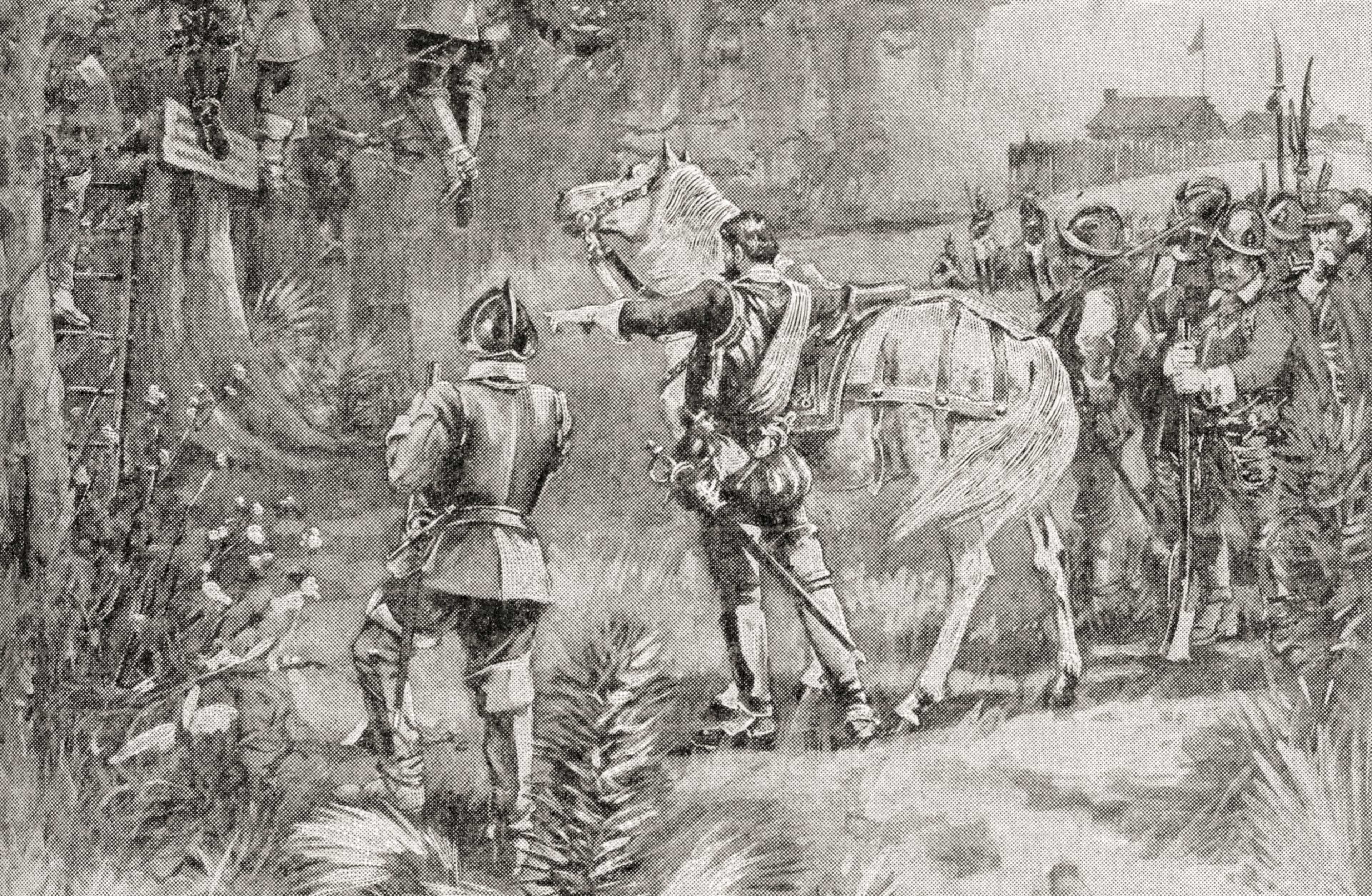
Recognizing they were trapped, unarmed, and without food, the French soldiers surrendered to the Spanish forces. Bound and brought across the inlet in groups of ten, the captive Huguenots were offered a choice to convert to Catholicism. Sixteen accepted and were spared; the remaining 111 were put to the sword. Two weeks later, Jean Ribault and his remaining crew reached the same inlet and surrendered. They met the same ruthless fate, including Ribault himself. To this day, the site of this tragedy is known as Matanzas Inlet—named after the Spanish word for ‘slaughters’—marking the end of French colonial aspirations in Florida and securing Spanish hegemony for the next two centuries.
The Fort that Cannonballs Couldn’t Break: Castillo de San Marcos
While the Spanish had defeated the French, St. Augustine remained highly vulnerable to pirate raids and English privateers, such as Sir Francis Drake’s devastating attack in 1586. After another brutal raid by English buccaneer Robert Searle in 1668, the Spanish Crown decided that a permanent, indestructible stone fortification was required to secure the city.
In 1672, construction began on the Castillo de San Marcos, the oldest masonry fort in the continental United States. The fortress was constructed out of a unique, locally quarried sedimentary rock known as coquina (Spanish for ‘tiny shells’). Coquina is composed of millions of microscopic, fossilized shells of the coquina clam, which had bonded together over millennia. It was a soft, porous stone that required years of drying to harden, but it possessed an incredible, unexpected military property.
During subsequent English sieges in 1702 and 1740, British commanders watched in horror as their heavy cannonballs failed to shatter the Castillo’s walls. Instead of crumbling under impact, the soft, compressible coquina behaved like a modern ballistic sponge. The cannonballs simply sank into the stone walls, becoming buried without causing structural damage. At night, Spanish forces would crawl out, dig the spent cannonballs out of the walls, and patch the holes with fresh coquina plaster, leaving the fort looking completely undamaged by morning. Thanks to this engineering marvel, the Castillo de San Marcos was never taken in battle.
Lesser-Known Historical Anecdotes
- The True First Thanksgiving: Decades before the Pilgrims sat down with the Wampanoag at Plymouth, the true ‘First Thanksgiving’ took place in St. Augustine on September 8, 1565. The feast was a cross-cultural meal between the Spanish colonists and the local Timucua, featuring a mixture of Mediterranean and indigenous foods.
- Menéndez’s Heartbreaking Personal Quest: While Menéndez’s mission was deeply imperial, it was also highly personal. His son, Juan Menéndez, had been shipwrecked off the coast of Florida in 1561. Pedro Menéndez accepted the perilous assignment to Florida with the desperate hope of searching the coastlines to find his lost son. Sadly, his search yielded no trace of Juan.
- A Haven of Freedom: Fort Mose: St. Augustine was home to the first legally sanctioned, free Black community in North America. Established in 1738, Fort Mose (Gracia Real de Santa Teresa de Mose) served as a sanctuary for enslaved Africans escaping British colonies. The Spanish governor promised them freedom in exchange for converting to Catholicism and joining the local militia to defend the town.
Why St. Augustine Matters Today
The story of St. Augustine challenges the traditional Anglo-American national myth that portrays the United States’ origins as purely English, Protestant, and northeastern. Long before the Mayflower set sail, St. Augustine was a bustling, multicultural municipality featuring a grid of streets, a parish church, a hospital, and defensive structures. It serves as a powerful reminder that Hispanic, Catholic, and Indigenous legacies are not recent additions to the American tapestry, but are instead woven deeply into its original foundation. Today, the town’s preserved historical architecture and the towering coquina walls of the Castillo de San Marcos offer millions of visitors an authentic, tangible connection to the complex geopolitical forces that shaped our modern continent.
People Also Ask
Who founded St. Augustine and why?
St. Augustine was founded in September 1565 by Spanish Admiral Pedro Menéndez de Avilés. He was sent by King Philip II of Spain to establish a military stronghold to protect Spanish treasure fleets sailing along the Florida coast and to eliminate a nearby French Protestant settlement at Fort Caroline.
Is St. Augustine older than Jamestown?
Yes, St. Augustine is significantly older than Jamestown. It was founded in 1565, making it 42 years older than Jamestown, Virginia (founded in 1607), and 55 years older than the Plymouth Colony in Massachusetts (founded in 1620).
What role did Native Americans play in the founding of St. Augustine?
The local Timucua tribe, led by Chief Seloy, played a critical role in the settlement’s early survival. They welcomed the Spanish, provided their massive tribal council house as the initial fortification, and participated in the first recorded inter-cultural Thanksgiving feast on September 8, 1565.
Conclusion: The Undying Legacy of America’s Ancient City
In the grand narrative of early America, St. Augustine is far more than a charming, historic tourist destination; it is a monument to the violent, multicultural, and deeply complex colonial competition that birthed the modern Western hemisphere. From the bloody sands of Matanzas to the indestructible coquina walls of the Castillo de San Marcos, the city’s survival is a testament to human resilience, geopolitical strategy, and the unpredictable hand of nature. By looking south to Florida, we gain a far richer, truer, and more inclusive understanding of the diverse peoples and empires that laid the very first cornerstones of the American story.


