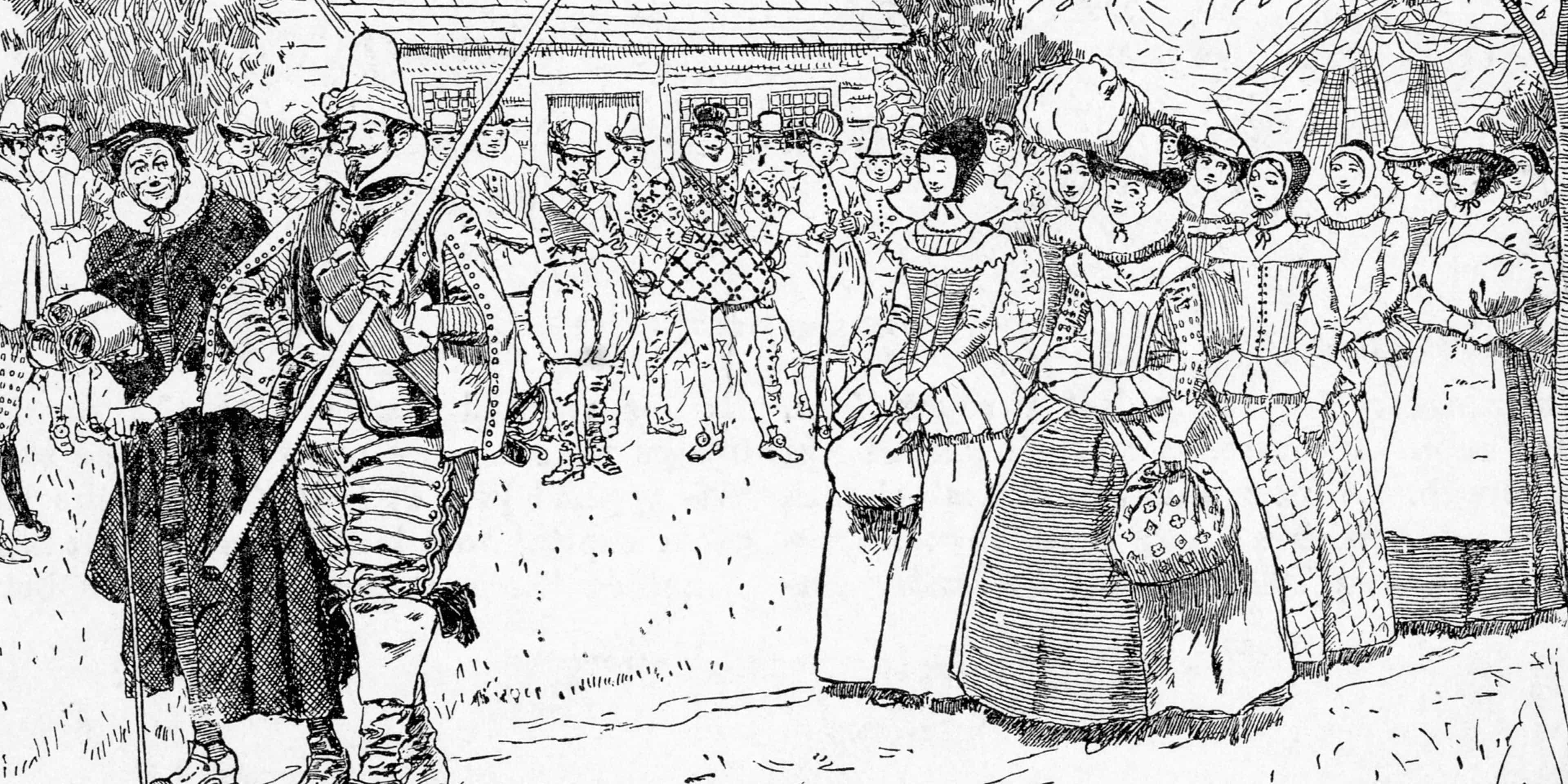
In 1619, the fledgling Jamestown Colony—England’s first permanent settlement in North America—faced a severe existential crisis. Despite twelve years of struggle, the colony was overwhelmingly male, populated by young bachelors, adventurers, and fortune-seekers who viewed Virginia as a temporary goldmine rather than a permanent home. To save their investments and anchor these restless men to the soil, the Virginia Company of London implemented a highly unusual plan: they sponsored the transatlantic passage of single Englishwomen, who became famously known as the Jamestown brides or “tobacco wives”. This gendered immigration experiment fundamentally transformed the trajectory of early America, shifting the settlement from a volatile military-style outpost to a stable, domestic society. Understanding the history of these resilient women is crucial, as they laid the literal and cultural foundations of the future United States. Without their willingness to brave the treacherous Atlantic, the entire English colonial experiment in Virginia may have collapsed into a footnote of history.
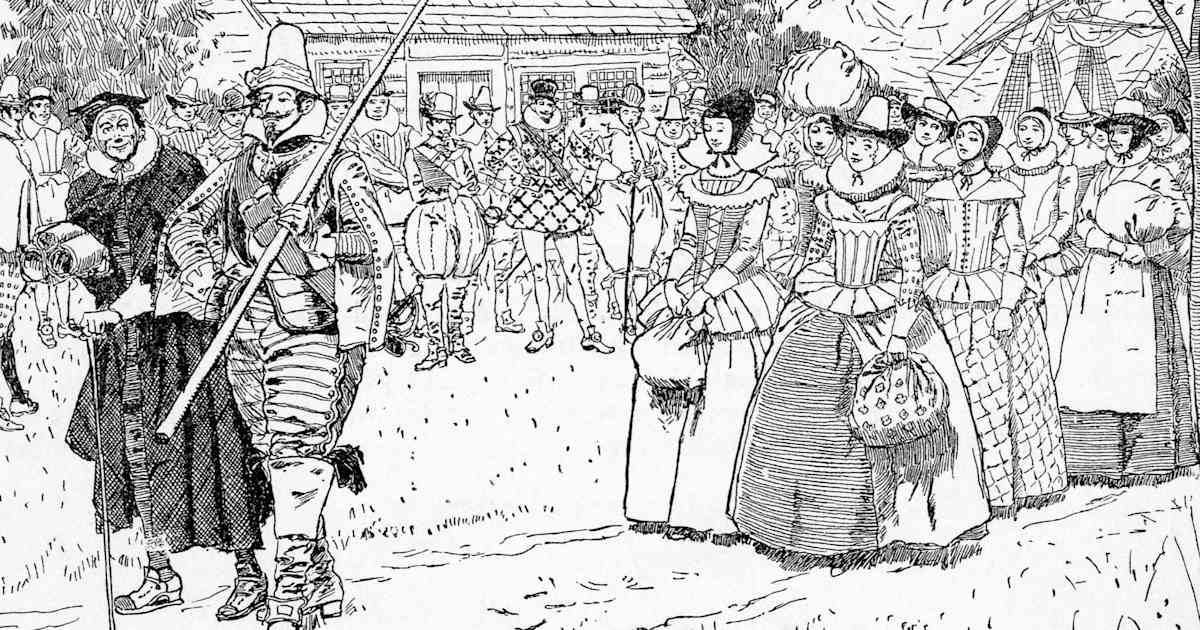
The Jamestown Colony Crisis: Why Men Desperately Needed Brides
To understand why the Virginia Company took such desperate measures, one must look at the grueling early years of the Jamestown Colony. Founded in 1607, the settlement was initially designed as a commercial venture. Its inhabitants were mostly soldiers, gentlemen, and laborers who had traveled across the sea to search for gold, trade with indigenous peoples, and discover a passage to the Pacific. However, they found starvation, malaria-carrying mosquitoes, and fierce resistance from the native Powhatan Confederacy.
By 1619, the introduction of sweet Spanish tobacco by John Rolfe had finally given the colony a highly lucrative cash crop. Yet, despite economic growth, the social structure remained completely unsustainable. Men were making fortunes, but they had no intention of staying. Many made their wealth and promptly returned to England to marry. Others deserted the colony altogether, seeking shelter and relationships with local Native American tribes, where life was significantly less harsh and women were present. Disturbed by this trend, English religious and political leaders realized that without English women to raise families and establish roots, the colony would wither away.
A Chronology of the Bride Ship Expeditions (1619–1624)
The recruitment of English women was not an impromptu endeavor, but a highly coordinated business strategy that unfolded over several key years:
- 1619: Sir Edwin Sandys, the newly appointed treasurer of the Virginia Company, officially proposes the “Brides Program” to stabilize the settlement’s population.
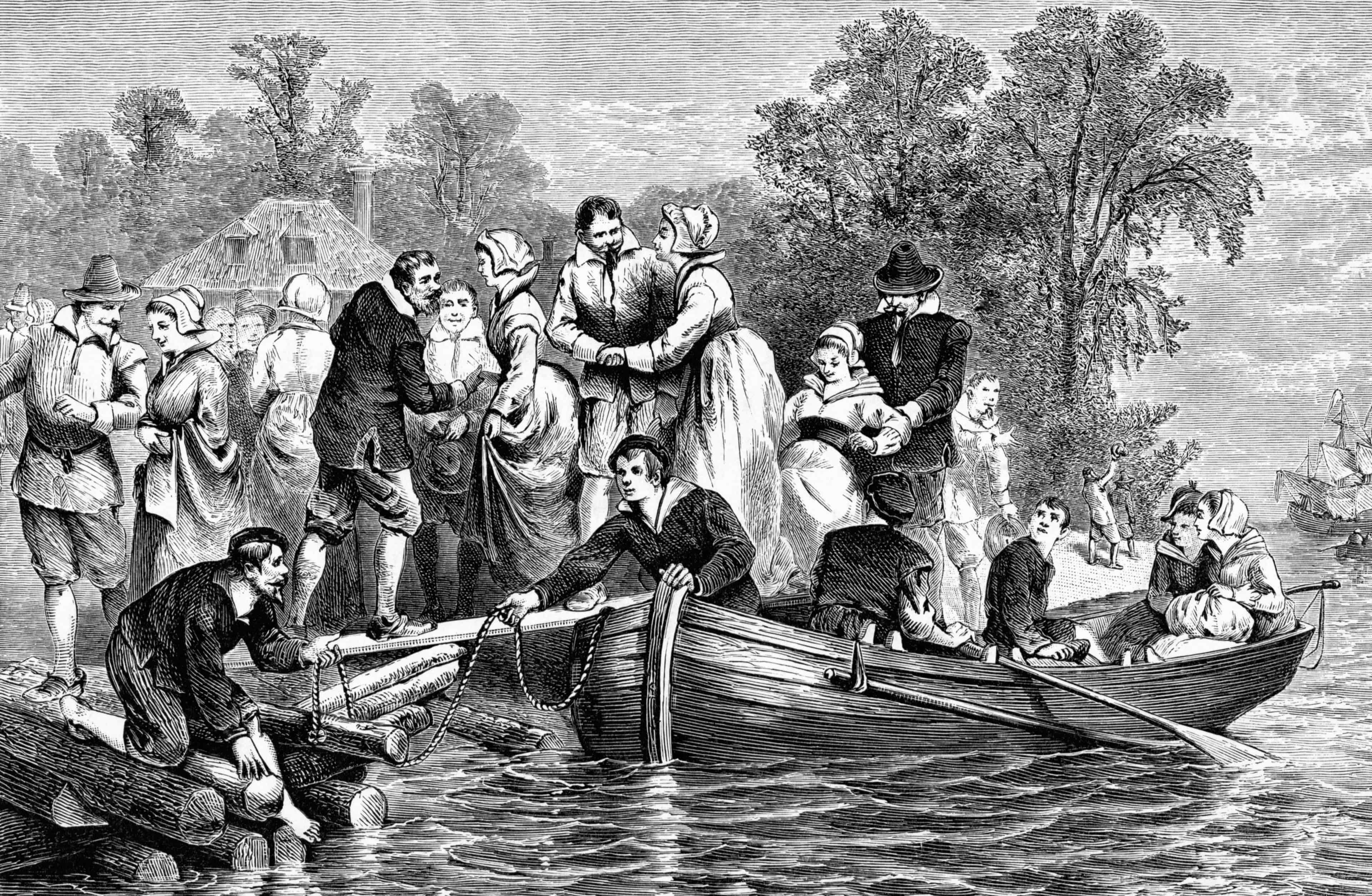
- 1620: The first ship carrying 90 young, single English women arrives in Jamestown. Most are wed within three months.
- 1621: Encouraged by the initial success, the Company sends a second wave of 56 women aboard ships like the Marmaduke and the Warwick.
- 1622: The devastating Powhatan Uprising (or the Indian Massacre of 1622) on March 22 kills nearly a third of the colony’s English population, including several recently arrived brides.
- 1624: The Virginia Company’s charter is revoked, and Virginia becomes a royal colony, bringing an end to the structured bride-subscription program, though independent female immigration continues.
Key Figures of the Jamestown Brides Program
While the personal stories of many of these women have been lost to time, several historical figures played pivotal roles in establishing and analyzing this program:
Sir Edwin Sandys (1561–1629)
As the treasurer and head of the Virginia Company of London, Sandys was the mastermind behind the bride recruitment program. He argued that women were the key to making the colonists “more settled and less moveable”. His vision successfully shifted the colony’s focus from rapid exploitation to long-term demographic growth.
The Brides of the Marmaduke and Warwick
While often treated as a collective group, these women were brave individuals who made the terrifying decision to leave England. Many were daughters of deceased gentry, orphaned young women, or domestic servants looking for a clean slate. Some of their names, recorded in surviving ship manifests, represent the true “founding mothers” of early Virginia.
Modern Historians: Marcia A. Yablon-Zug and Nancy Egloff
In modern scholarship, historians like Marcia A. Yablon-Zug (author of Buying a Bride: An Engaging History of Mail-Order Matches) and Nancy Egloff (historian at the Jamestown Settlement) have rescued these women from the margins of history, analyzing how the program operated as an early precursor to modern mail-order marriage systems.
Underlying Causes: The Socioeconomic Realities of 17th-Century England
Why would young, respectable women willingly board wooden ships to cross a dangerous ocean toward a settlement infamous for starvation and disease? To answer this, one must look at what life was like in Jamestown compared to the grim socioeconomic realities of 17th-century England.
In early modern England, a woman’s marriage prospects depended heavily on her dowry. If her family was poor, or if she was orphaned, she faced a lifetime of grueling domestic servitude with little hope of social mobility or financial independence. The Virginia Company offered an extraordinary deal: they would pay the woman’s passage, provide her with a set of clothing (including waistcoats, petticoats, and shoes), provide temporary housing, and offer her a plot of land. Most importantly, she was promised her choice of wealthy bachelors in Virginia. For women with no dowry, this program acted as a massive social elevator, allowing them to skip decades of low-wage domestic work and immediately become the mistresses of their own households.
Turning Points: Disease, Conflict, and the 1622 Powhatan Uprising
While the promise of marriage and land was alluring, the reality of colonial life was harsh. Shortly after the second wave of brides arrived in late 1621, disaster struck. The expanding English tobacco farms were violently encroaching upon indigenous Powhatan lands, raising tensions to a boiling point.
On March 22, 1622, Powhatan warriors led by Chief Opechancanough launched a coordinated surprise attack on settlements along the James River. Nearly 347 colonists were killed in a single morning. Among the victims were several of the newly arrived Jamestown brides. Other women were captured, held hostage by the Native tribes, and eventually ransomed back to the English. This catastrophic event, combined with high rates of mortality from “the seasoning” (malaria and dysentery), meant that many brides died within their first year. Those who survived had to quickly adapt to a life of physical labor, political instability, and active frontier warfare.
The Long-Term Impact on American Society
Despite the immense hardships, the introduction of the Jamestown brides permanently altered the course of American history. Their presence catalyzed several major structural and cultural shifts:
1. Shifting to a Domestic Economy
Before 1619, Jamestown was basically a gold-digging work camp. The arrival of women transformed it into a permanent society. Domestic industries like dairying, spinning, and brewing flourished, which significantly improved the health and longevity of the settlers.
2. Constitutional and Legal Developments
The stability provided by permanent families coincided with political transformations, including the establishment of the House of Burgesses in 1619. Representative government and family-based property laws evolved together, as landowners now had heirs to whom they could pass down their estates.
3. A Unique Precedent for Women’s Legal Rights
Because women were in such short supply, they held immense leverage. Colonial courts in Virginia often granted women unique legal and economic protections that they would never have enjoyed in England, such as the ability to inherit and manage substantial estates as widows, allowing them to remain independent.
Fascinating Lesser-Known Facts About the Tobacco Wives
- They Were Not “Sold” Like Enslaved Africans: A common historical myth suggests the Virginia Company “sold” women because husbands paid 120 to 150 pounds of tobacco for them. In reality, this tobacco was paid to the company to reimburse the cost of the woman’s transatlantic voyage and dowry. The women retained their legal freedom and could decline any suitor they wished. This stands in stark, tragic contrast to the first enslaved Africans who arrived in Jamestown in 1619, who had no choice, no freedom, and were treated as chattel.
- The Fear of Kidnapping: The program was so successful that some unsavory characters in London attempted to kidnap young women off the streets to send them to Virginia for profit. Although the Virginia Company strictly prohibited this and required character references for all official brides, illegal transportations did occasionally occur.
- The “Seasoning” Survival Rates: Historians estimate that up to half of the women who arrived in the early 1620s died within their first two years due to local pathogens, making their choice to cross the Atlantic an incredibly high-stakes gamble.
Why the Jamestown Brides Story Matters Today
The story of the Jamestown brides is far more than a colonial curiosity; it is a vital chapter in the history of female agency and immigration. It challenges the traditional, male-dominated narrative of early American settlement by highlighting the indispensable role of women in empire-building. Furthermore, it invites us to reflect on how economic necessity has historically driven marriage and migration—a theme that remains deeply relevant today in modern discussions about global migration, economic mobility, and women’s rights. By remembering the tobacco wives, we pay tribute to the resilience of ordinary women who, seeking a better life, laid the foundations of the American story.
People Also Ask
Were the Jamestown brides forced to marry?
No. Unlike traditional arranged marriages of the era, the Jamestown brides were given the unique privilege of choosing their own husbands after they arrived in Virginia. They were housed in temporary quarters under the supervision of respectable colonists until they made their choice, and could even refuse all suitors, although the vast majority married within three months due to the economic advantages of doing so.
Why were they called “tobacco wives”?
They earned this nickname because the Virginia Company charged their grooms between 120 and 150 pounds of “good leaf” tobacco to reimburse the company for the bride’s voyage, clothing, and upkeep. Tobacco was the primary currency of colonial Virginia at the time.
What was the average age of a Jamestown bride?
Most of the recruited women were young and single, typically around 20 years old, though records show some were slightly older widows seeking a fresh start in the New World.
Conclusion
The tale of the Jamestown brides and “tobacco wives” is a powerful testament to the grit, ambition, and vulnerability of the women who helped build early America. Facing grim economic prospects in 17th-century England, they risked everything on a perilous transatlantic voyage to a colony struggling on the edge of survival. Through their labor, resilience, and willingness to establish families in a hostile land, they turned a failing commercial outpost into a permanent society. Their legacy remains woven into the very fabric of the American identity—reminding us that the foundation of the nation was built not just by explorers and politicians, but by the courageous women who chose to make the wilderness their home.


