In the autumn of 1781, the fate of the American Revolution hung in a delicate balance. While the Continental Army had survived years of grueling campaigns, they desperately needed a decisive victory to break the British will to fight. That turning point came at the Battle of Yorktown, the final major conflict of the war, where the surrender of British General Lord Cornwallis secured American independence. Yet, this monumental triumph was not won solely by battlefield tactics; it was made possible by the brilliant espionage of James Armistead, an enslaved man who worked as a double agent for the Continental Army, risking everything to secure a freedom he did not yet possess.
The Crucial Context of the American Revolution in 1781
By 1781, the Revolutionary War had dragged on for six exhausting years. The struggle for independence across the 13 colonies was marked by severe supply shortages, mutinous troops, and a highly professional British military force that still held key strategic positions. In the Southern theater, the Marquis de Lafayette—the young, passionate French general who had volunteered his services to George Washington—was tasked with defending Virginia against a formidable British force led by Lord Cornwallis and the notorious turncoat Benedict Arnold.
Lafayette’s forces were outnumbered and outgunned. To survive, let alone win, the French general realized he needed precise, actionable intelligence about British movements, supply lines, and future strategies. He needed an operative who could infiltrate the enemy camp without raising suspicion. Enter James Armistead.
Who Was James Armistead?
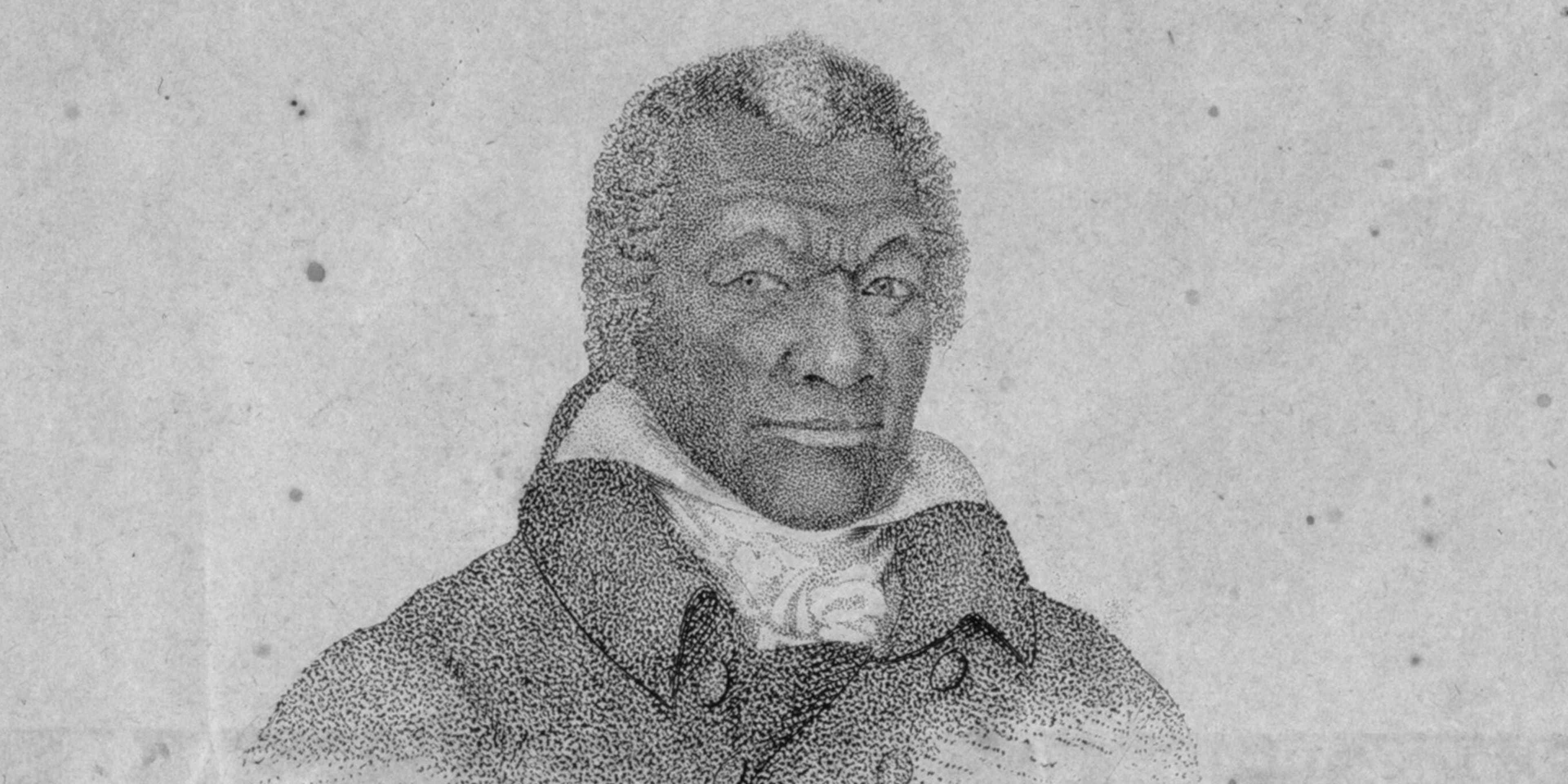
Born into slavery around 1748 in Elizabeth City County, Virginia, James Armistead was owned by William Armistead, a man who managed military supplies for the state of Virginia after the war broke out. This role gave James a unique, close-up look at military logistics and the inner workings of the rebellion. In 1780, when the capital shifted to Richmond, James witnessed how these historic colonial towns became prime targets for British raids.
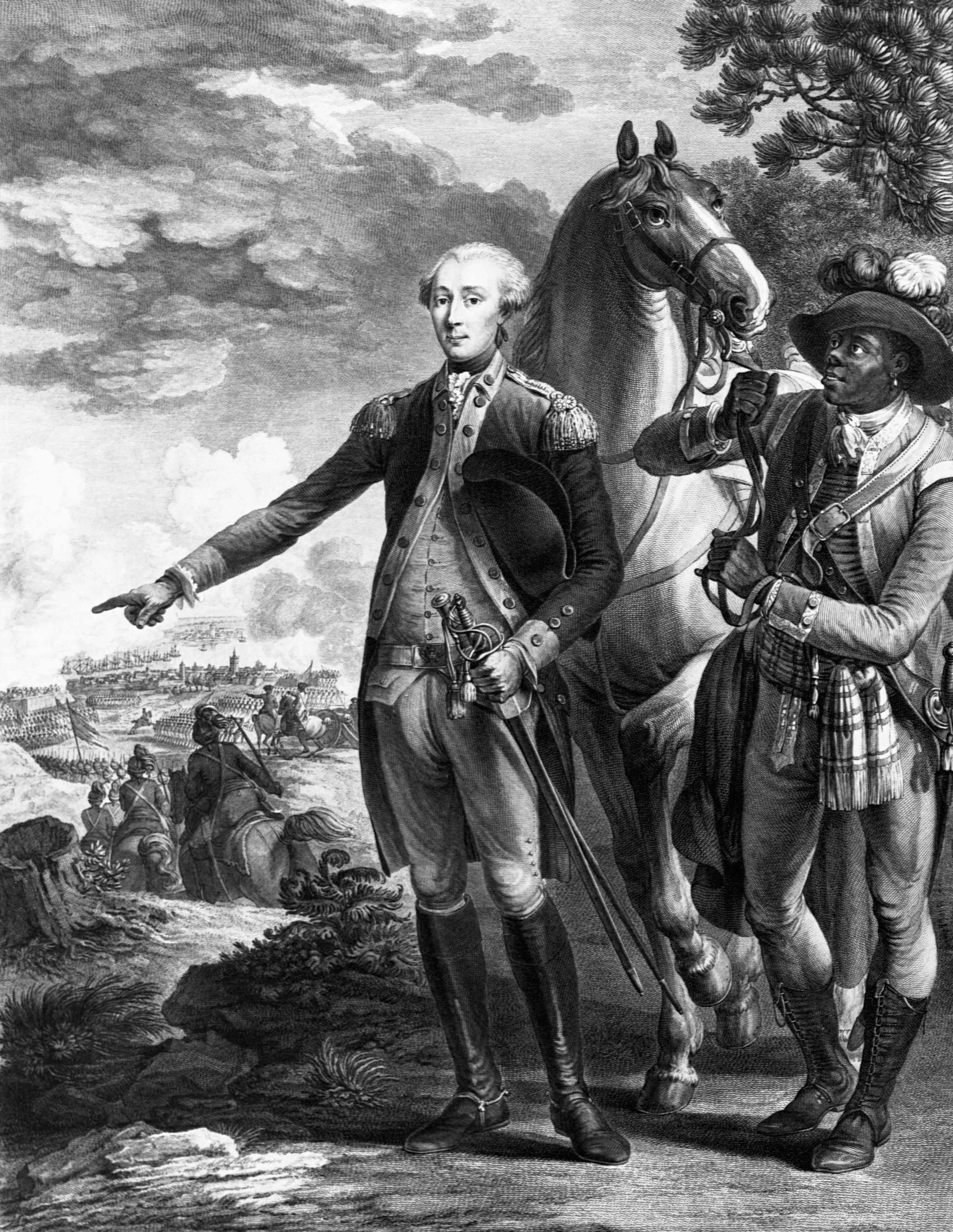
In the summer of 1781, Armistead obtained permission from his owner to join the military efforts. At the time, both the British and the patriots offered freedom to enslaved men who joined their ranks, though the terms were heavily contested. Armistead was not given a musket; instead, he was stationed under the Marquis de Lafayette, who recognized the young man’s sharp intellect and deep familiarity with the local Virginia terrain. Lafayette chose him for a far more dangerous role: a undercover spy.
The Ultimate Double Agent: Infiltrating the British Lines
Armistead began his mission by posing as a runaway slave seeking refuge in the camp of Benedict Arnold, who was then leading British forces in Virginia. Because the British frequently used runaways for manual labor, Armistead was easily accepted. His intimate knowledge of local roads and waterways quickly made him indispensable to Arnold, who began using him as a guide.
After Arnold departed Virginia, Armistead successfully transitioned into the camp of General Lord Cornwallis. Cornwallis was so impressed by the young Virginian’s capabilities that he recruited Armistead to spy on the American forces. This opened the door for Armistead to become a highly effective double agent. Traveling freely between the camps under the guise of scouting, he carried vital military intelligence back to Lafayette while feeding Cornwallis meticulously crafted misinformation and false reports about colonial troop strengths.
The Turning Point: The Road to Yorktown
Armistead’s dual life required nerves of steel. A single misstep, a misplaced note, or a suspicious glance could have resulted in immediate execution for treason. Yet, he managed this perilous tightrope act flawlessly. His most critical contribution came in the late summer of 1781, when he intercepted a major development: Cornwallis was moving his massive army of nearly 10,000 troops from Portsmouth to the coastal peninsula of Yorktown, Virginia.
Armistead promptly dispatched a detailed note to Lafayette containing this information. Armed with this intelligence, Lafayette immediately alerted General George Washington. Recognizing a golden opportunity to trap the British on a narrow peninsula, Washington coordinated with French General Comte de Rochambeau to march their joint forces south. Meanwhile, the French Navy under Admiral de Grasse blockaded the Chesapeake Bay, cutting off any hope of British escape or reinforcement by sea.
The resulting Siege of Yorktown weakened Cornwallis’s forces through constant bombardment and a complete lack of supplies. On October 19, 1781, Cornwallis was forced to surrender, effectively marking the end of British dominance in America and guaranteeing the birth of a new nation.
The Post-War Betrayal and the Fight for Freedom
When the Revolutionary War officially concluded with the Treaty of Paris in 1783, a wave of liberation swept the nation. However, the tragedy of James Armistead’s story lies in the immediate aftermath of the victory he helped secure. A Virginia act passed in 1783 declared that enslaved men who had fought as soldiers were entitled to their freedom. However, because Armistead had served as a spy rather than a formal combat soldier, the state legislature ruled that he did not qualify for emancipation. He was forced back into a life of enslavement.
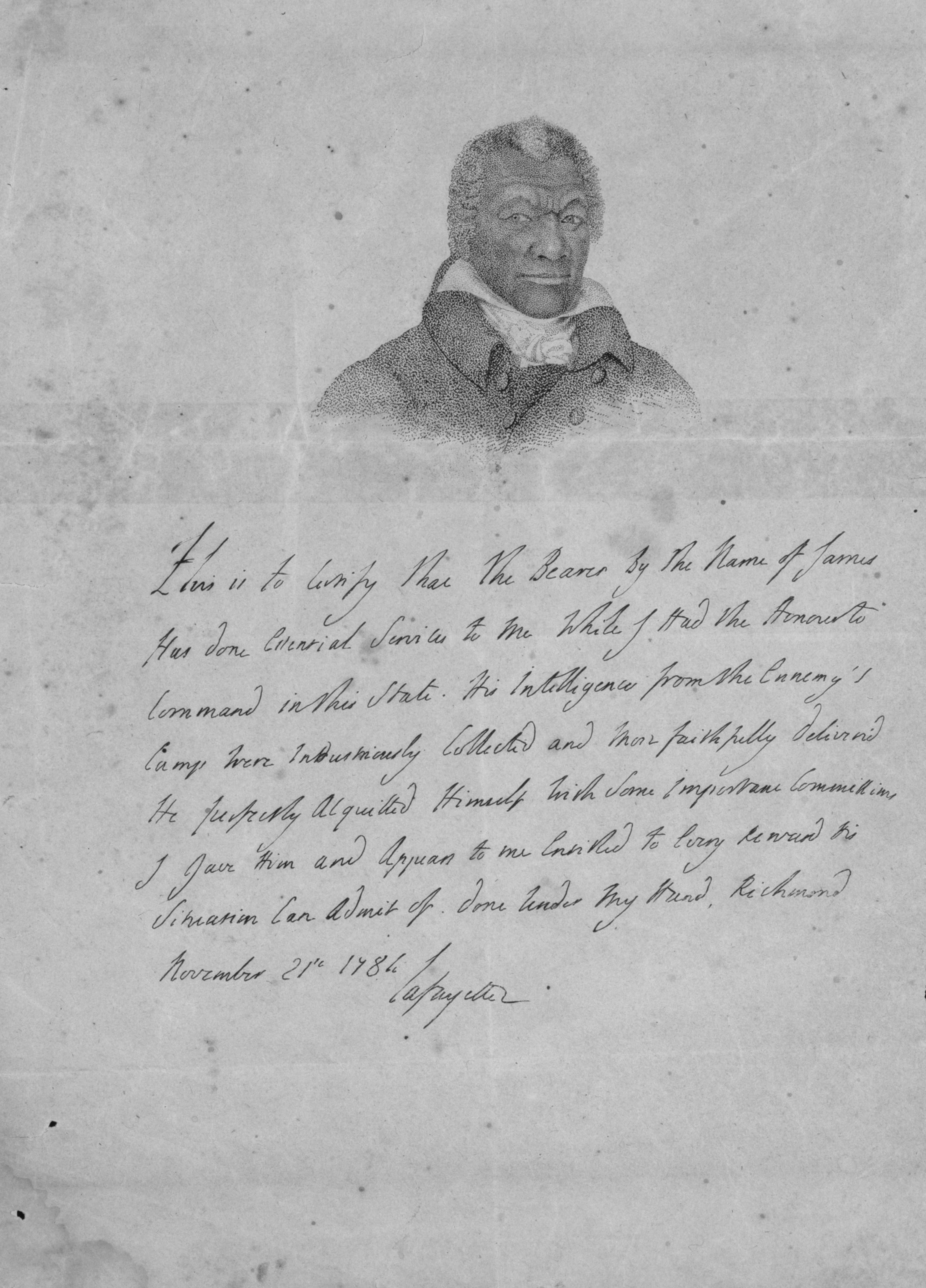
Armistead refused to accept this injustice and repeatedly petitioned the state government for his freedom. Navigating Virginia’s early political landscape proved incredibly challenging for an enslaved man, and his appeals were repeatedly ignored. The breakthrough finally came in 1784 when the Marquis de Lafayette returned to Virginia. Upon learning of Armistead’s plight, Lafayette wrote a glowing, handwritten commendation certifying his critical services to the allied cause.
With Lafayette’s influential endorsement, the Virginia General Assembly finally granted James Armistead his freedom in 1787. In honor of the French general who had championed his liberty, James adopted the surname Lafayette, living the rest of his life as a free farmer, husband, and father on his own 40-acre farm in Virginia.
Lesser-Known Facts About James Armistead Lafayette
- A Shocked General: Following the British surrender at Yorktown, Lord Cornwallis visited the Marquis de Lafayette’s headquarters. To his utter shock, Cornwallis ran directly into Armistead, realizing only then that the man he had trusted as his personal scout was actually the patriot spy who had engineered his downfall.
- An Emotional Reunion: Decades later, during Lafayette’s famous 1824 farewell tour of the United States, the aging general spotted Armistead in a massive crowd in Richmond. Lafayette halted his carriage, rushed into the crowd, and embraced his former spy in an emotional, public reunion.
Why His Legacy Matters Today
James Armistead Lafayette’s extraordinary journey represents both the triumph and the profound paradox of the American Revolution. He risked his life for the grand ideal of liberty while being legally held as property by the very nation he helped build. Today, his story serves as a crucial reminder of the diverse, unsung heroes whose contributions were vital to securing American independence, highlighting the complex, multicultural foundations of the nation’s history.
People Also Ask
Was James Armistead a double agent?
Yes, James Armistead Lafayette was a highly successful double agent. He gained the trust of British Generals Benedict Arnold and Lord Cornwallis by posing as a runaway slave, feeding them false information while transmitting accurate British troop movements back to the Marquis de Lafayette.
How did James Armistead Lafayette get his freedom?
After initially being denied freedom because he was a spy rather than a soldier, Armistead petitioned the Virginia legislature. He was finally emancipated in 1787 after the Marquis de Lafayette provided a powerful written testimonial certifying his invaluable service to the American cause.
What was James Armistead’s role in the Battle of Yorktown?
Armistead provided the critical intelligence that Lord Cornwallis was moving his forces to Yorktown, Virginia. This allowed George Washington and French forces to surround Cornwallis by land and sea, forcing the decisive British surrender.
Conclusion
The victory at the Battle of Yorktown is often remembered through the exploits of Washington, Lafayette, and Rochambeau. However, the foundation of that victory was laid in the shadows by James Armistead Lafayette. By outsmarting the most powerful military empire in the world, he proved that the fight for American independence relied on the courage, intellect, and sacrifices of all its people, regardless of their status.


