In the crucible of the American Revolution, the struggle of the 13 colonies for independence from Great Britain was not merely a localized dispute but a sprawling, globalized conflict. To secure their vast transatlantic empire, the British Crown turned to an unexpected source of military muscle: tens of thousands of professional German soldiers. Collectively labeled as ‘Hessians,’ these troops have long been vilified in traditional American lore as bloodthirsty, greedy mercenaries hired by King George III to crush the burgeoning spirit of liberty. Yet, the real history of these German auxiliary forces is far more complex, poignant, and human than the propagandistic grievances penned by Thomas Jefferson in the Declaration of Independence. Understanding why these men crossed the Atlantic, how they lived, and why thousands ultimately decided to call America their home is essential to understanding the full scope of the American Revolutionary War.
Historical Background: A Fragmented Germany and a Desperate Britain
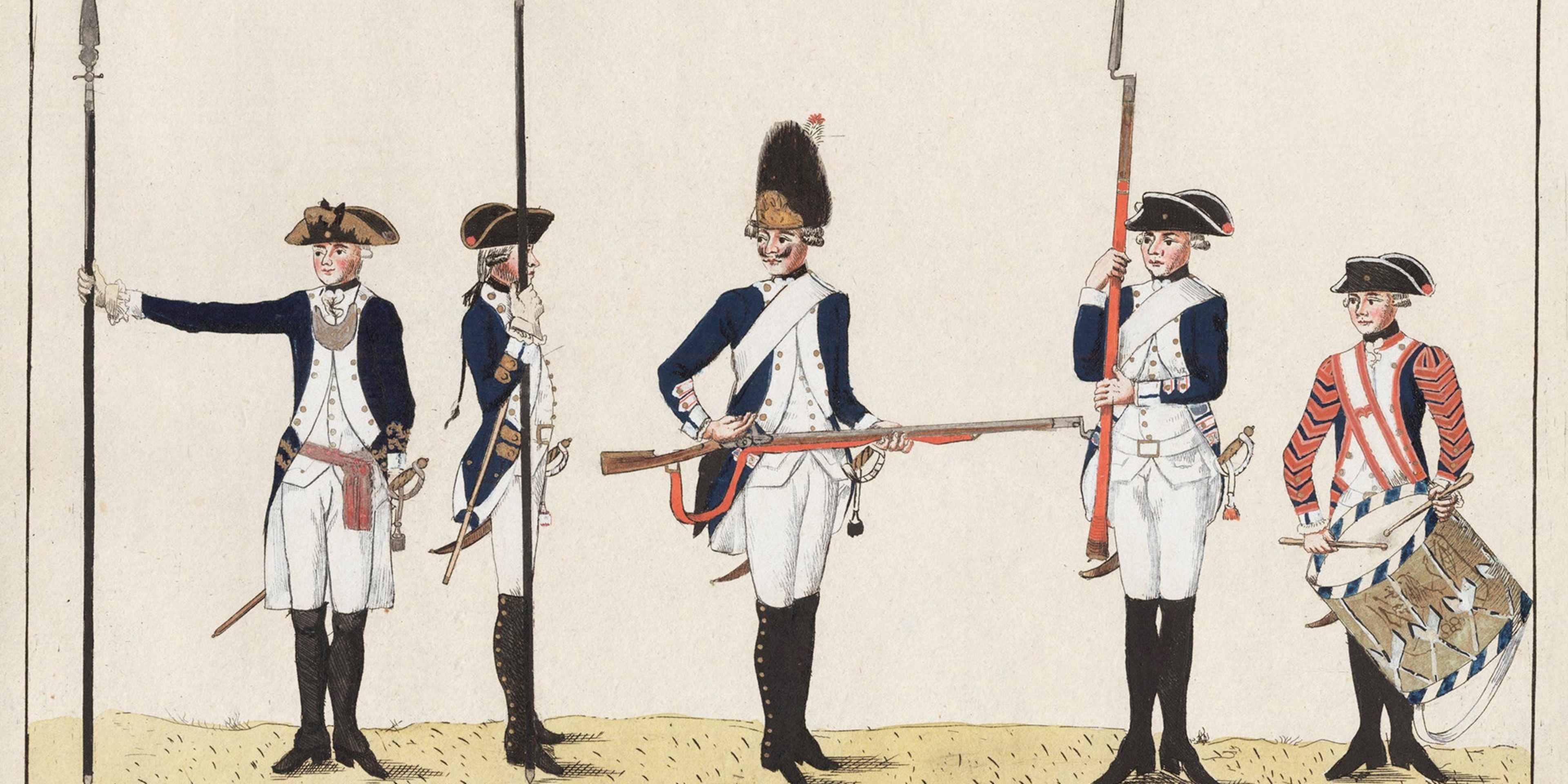
To understand why German soldiers fought in America, one must first look at the geopolitical landscape of Europe in the late 18th century. Germany was not yet a unified nation; instead, it existed as a fragmented collection of more than 300 sovereign territories, states, and free cities, each ruled by its own local nobility. While these regions shared a common ethnic heritage and language, their political allegiances and economic realities varied wildly. Meanwhile, when armed conflict erupted in North America in 1775, the British government faced a severe manpower crisis. King George III realized that raising a massive army from Great Britain and Scotland would take far too long. Desperate for experienced ground troops to deploy across the 13 colonies map, the British Crown began looking to continental Europe for help.
Hiring foreign military units was a standard, widely accepted diplomatic practice in Europe at the time. Britain had relied on German troops in previous conflicts, including the Seven Years War. When the Empress Catherine the Great of Russia rejected King George’s request for 20,000 Russian soldiers, Britain negotiated contracts with several German principalities. Six territories ultimately agreed to lease their armies: Hessen-Kassel, Hessen-Hanau, Braunschweig, Anhalt-Zerbst, Ansbach-Bayreuth, and Waldeck. Because more than half of the resulting 30,000 troops came from the Hesse region, Americans began referring to all German soldiers simply as Hessians.
Key Events Timeline: The German Campaign in America
The involvement of German auxiliary troops spanned almost the entire duration of the American Revolutionary War, marking major milestones across the continent. Here is a chronological breakdown of their journey:
- 1775: Following the battles of Lexington and Concord, British emissaries begin formal negotiations with German rulers to secure auxiliary forces.
- Early 1776: Treaties are signed, establishing the financial terms of the troop rental. The first massive wave of German soldiers departs for North America.
- August 1776: Hessian soldiers make their combat debut at the Battle of Long Island, playing a decisive role in the British victory and earning a fearsome reputation.
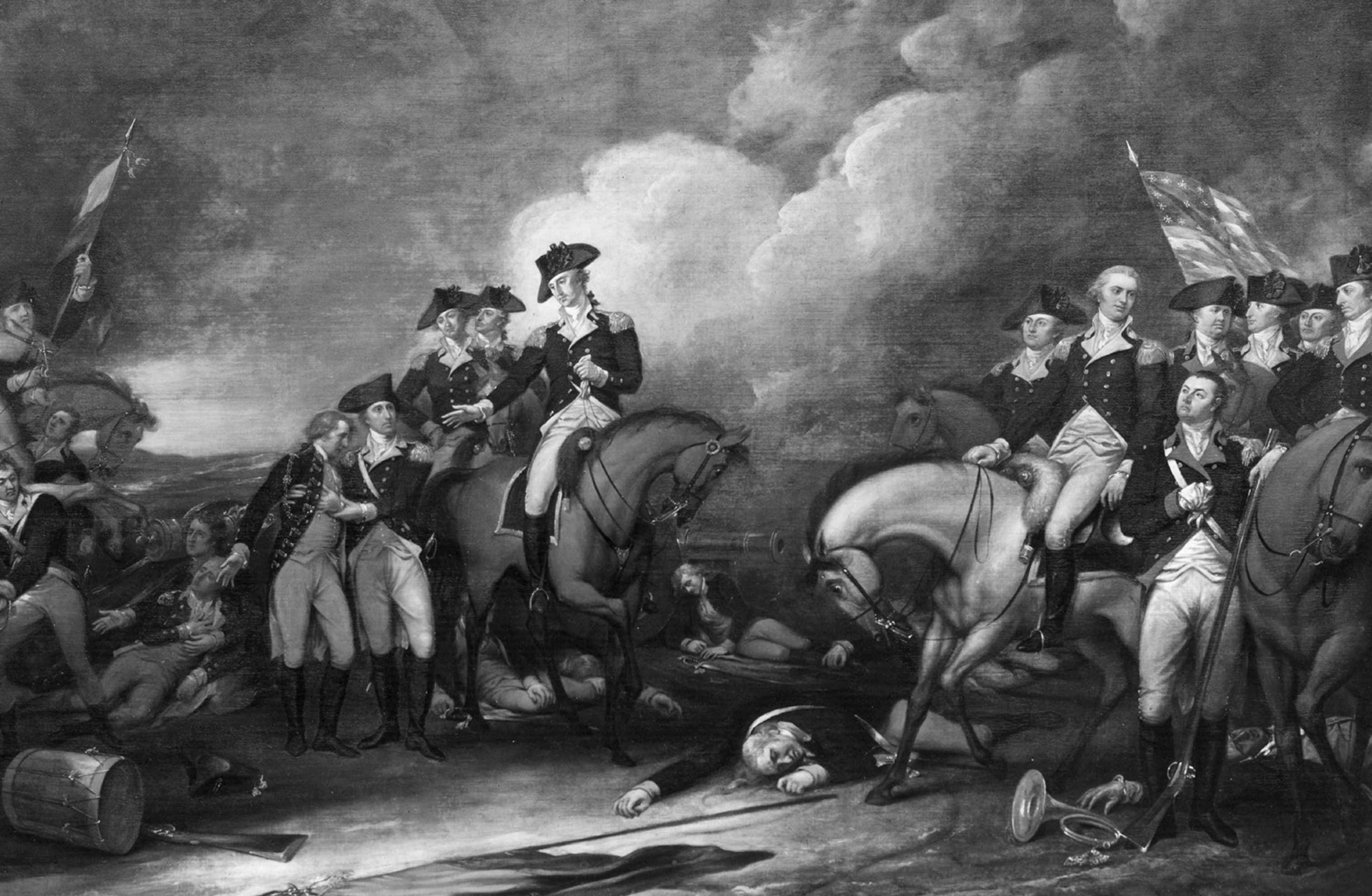
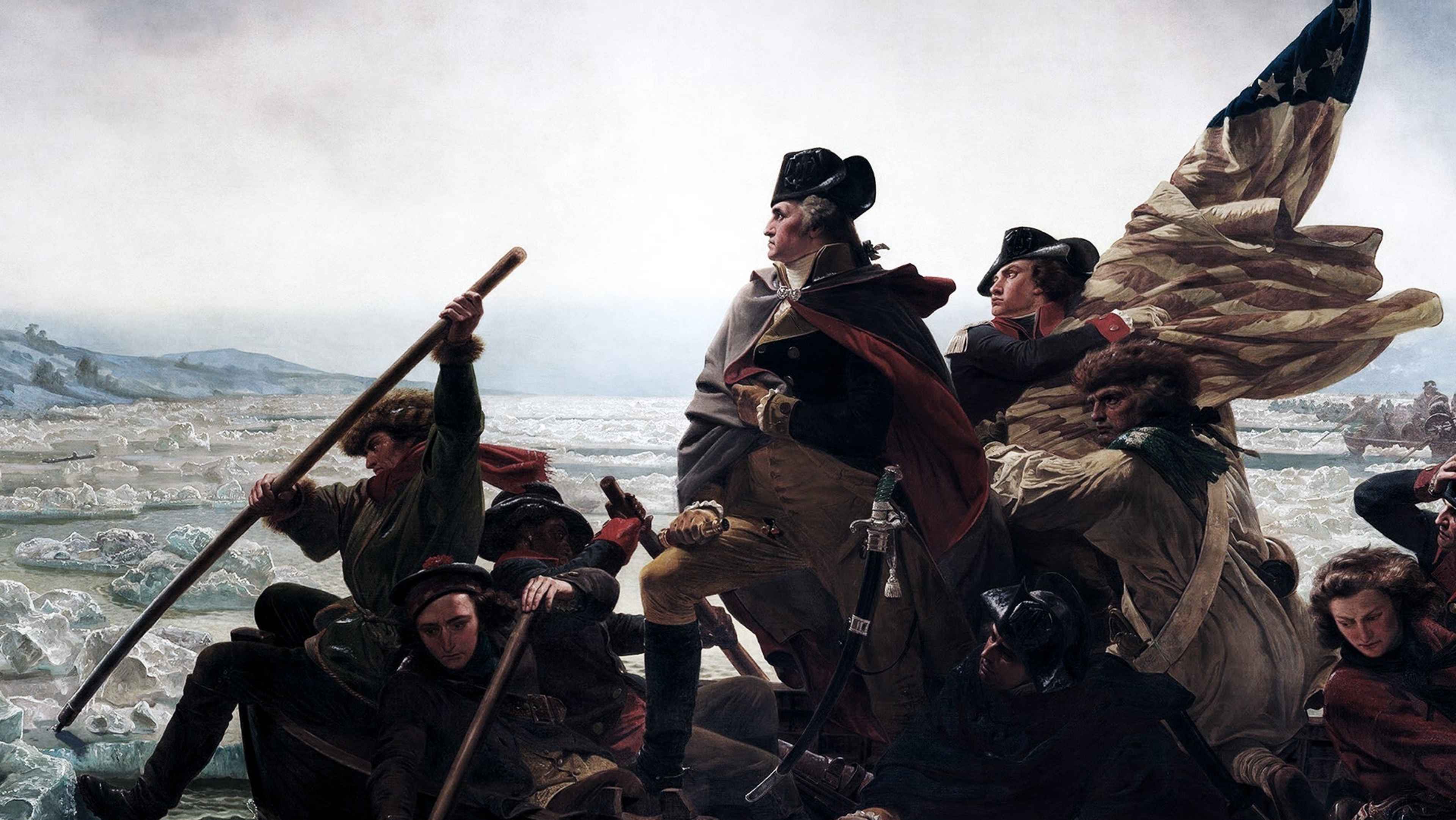
- December 26, 1776: General George Washington leads a surprise Christmas night crossing of the Delaware River, capturing nearly 1,000 Hessian soldiers at the Battle of Trenton. This event shatters the myth of Hessian invincibility.
- October 1777: At the Battle of Saratoga, a significant contingent of German troops under General John Burgoyne is captured, severely wounding British strategic plans.
- 1781: German regiments fight bravely alongside British forces during the Siege of Yorktown, which ultimately leads to the British surrender.
- 1783: Following the Treaty of Paris, the war officially ends. Approximately 5,000 to 6,000 German soldiers choose to desert or remain behind in the newly formed United States and British Canada instead of returning to Europe.
Key Figures of the German Auxiliary Force
Several prominent individuals played crucial roles in the deployment and command of German troops during this era:
- King George III of Great Britain: The monarch who initiated the controversial treaties. As a prince of the Holy Roman Empire himself (specifically of Hanover), George III had deep familial and political ties to the German states.
- Landgrave Frederick II of Hessen-Kassel: The wealthy ruler of the largest German territory involved. He used the substantial subsidies paid by Great Britain to fund public works, hospitals, and cultural institutions in his homeland, arguing that leasing his professional military was a legitimate state economic strategy.
- Colonel Johann Rall: The ill-fated Hessian commander at Trenton. Known as a brave and capable soldier, his failure to adequately fortify his positions and prepare for Washington’s desperate counterattack led to his death and a monumental turning point in the war.
- Lieutenant General Wilhelm von Knyphausen: A highly respected military strategist who assumed command of the primary Hessian forces in North America. He was known for his calm leadership and participated in major engagements, including the Battle of Brandywine.
The Mercenary Myth vs. Auxiliary Reality
In the rhetoric of the American Revolution, the term ‘mercenary’ was used as a deliberate slur. Thomas Jefferson and other colonial leaders used this framing to demonize the German soldiers and paint King George III as a tyrant who had unleashed heartless, greedy killers upon his own subjects. However, modern historical consensus, championed by scholars like Dr. Friederike Baer, paints a very different picture. The Hessians were not individual soldiers of fortune who signed up for personal profit. Instead, they were auxiliary forces: cohesive, highly trained state military units leased by their sovereign rulers under official treaties. The individual soldiers did not pocket the massive subsidy payments; those funds went directly to the treasuries of their home states.
For the average German soldier, service was rarely a matter of personal choice. While some were professional soldiers or enthusiastic volunteers eager for adventure across the ocean, many others were forcibly conscripted. Under the laws of various German territories, unemployed men, petty criminals, and individuals deemed ‘expendable’ by local authorities were drafted into military service. For these men, refusing to serve was simply not an option, making them victims of their own rulers’ political ambitions rather than greedy plunderers.
Major Turning Points and the Shift in American Perception
The legendary Battle of Trenton on December 26, 1776, represents the most significant turning point in how Americans viewed their German adversaries. Prior to Trenton, wartime propaganda portrayed Hessians as savage, subhuman beasts. However, when Washington’s forces captured nearly 1,000 German soldiers, the dynamic shifted from fear to curiosity and empathy. Paraded through the streets of Philadelphia, the captive Hessians were revealed to be ordinary, often terrified young men who had been dragged into a war they did not choose.
Recognizing this human element, the Continental Congress began utilizing a new strategy. Instead of demonizing the Hessians, they began actively encouraging them to desert. Broadside leaflets printed in German were circulated among the troops, offering free land, livestock, and full religious liberty to any soldier who abandoned the British army. This campaign was remarkably successful, convincing thousands of Germans that their futures lay not in Europe but in the fertile lands of America. To discover more about the socio-political dynamics of the era, check out these 13 facts about the 13 colonies history.
Lesser-Known Facts and Surprising Anecdotes
The history of the German auxiliary forces is rich with fascinating, often overlooked details that highlight the diverse lives of these soldiers:
- The Scientific Explorers: Many German soldiers were educated men of science. Christian Friedrich Michaelis volunteered for the Hessian corps specifically to search for mastodon fossils in the Hudson Valley, while Friedrich Adam Julius von Wangenheim spent his off-duty hours cataloging North American trees and shrubs, later publishing an influential botanical study on American forestry.
- The Specialized Jaegerkorps: These highly prized ‘hunters’ were elite marksmen recruited from the ranks of German foresters and gamekeepers. Armed with shorter, rifled firearms rather than smoothbore muskets, the Jaeger utilized advanced skirmishing tactics that deeply impressed and intimidated American forces.
- Observations of Slavery: In their personal diaries and letters home, many German soldiers expressed shock and horror at the brutal institution of chattel slavery in America. They noted the glaring hypocrisy of white colonists shouting for ‘liberty’ while keeping Black men, women, and children in cruel, lifelong bondage.
Long-Term Impact on America and Why It Matters Today
The legacy of the Hessians extends far beyond the battlefield. Of the roughly 30,000 German soldiers who served, approximately 7,500 died—with only a fraction of those deaths occurring in combat, as disease was the most lethal enemy. Of the survivors, over 5,000 chose to remain in North America, establishing deep roots in German-American communities in states like Pennsylvania, Maryland, and New York, as well as parts of British-ruled Canada. They brought with them valuable skills as artisans, farmers, and educators, enriching the cultural fabric of the young nation.
Today, re-evaluating the history of the Hessians allows us to appreciate the complex, global dimensions of the American founding. It challenges simplified ‘good versus evil’ narratives and reminds us that the American identity was built not only by those who rebelled, but also by those who were brought to its shores as adversaries and chose to stay as citizens.
People Also Ask
Were the Hessians mercenaries?
Historically, they are better classified as ‘auxiliary forces.’ Unlike traditional mercenaries who fought for individual profit, Hessians were regular soldiers of sovereign German states whose units were rented out to Great Britain through official treaties signed by their rulers.
How many Hessians stayed in America after the war?
Approximately 5,000 to 6,000 German soldiers chose to stay in North America after the war ended in 1783, settling primarily in the Mid-Atlantic states and Canada.
Why did the British hire German soldiers?
The British military lacked the manpower needed to quickly suppress a large-scale rebellion across the vast geography of North America, prompting King George III to lease experienced, professional forces from German rulers.
Conclusion: Redefining the German Contribution to the Revolution
Ultimately, the story of the Hessian soldiers in the American Revolutionary War is a tale of displacement, survival, and unexpected integration. Far from the ruthless mercenaries of colonial legend, these German troops were complex human beings caught in the gears of 18th-century empire-building. By examining their true history, we gain a deeper, more nuanced appreciation of the diverse forces that shaped the birth of the United States.


