When we think of the giants who forged the United States, names like Thomas Jefferson, John Adams, and Benjamin Franklin instantly command our attention. Yet, one of the most pivotal figures in the birth of the nation remains nearly anonymous to the general public. Caesar Rodney, a Delaware delegate to the Second Continental Congress, performed an extraordinary, life-threatening feat in July 1776 that quite literally saved the American Revolution. Stricken with debilitating asthma and advanced facial cancer, Rodney embarked on an exhausting 80-mile midnight ride through a torrential summer thunderstorm to cast Delaware’s deciding, tie-breaking vote for independence. Without his sheer grit and determination, the Continental Congress would have failed to achieve the unanimous consensus required to defy Great Britain, fundamentally altering the trajectory of world history. Today, Rodney’s legacy sits at a fascinating and complex crossroads, forcing modern Americans to grapple with the dualities of a man who secured national liberty while holding fellow human beings in bondage.
Historical Background: The Brink of Rebellion
In the tense, muggy summer of 1776, the future of the American colonies hung in a precarious balance. Inside the brick walls of the Pennsylvania State House in Philadelphia, delegates from across the Eastern Seaboard gathered to debate a radical, treasonous idea: a complete break from King George III and the British Empire. While Delaware was geographically the smallest of the original 13 colonies, its geopolitical leverage during this hot summer was monumental.
To present a unified, unbreakable front to the global superpower of Great Britain, the Continental Congress required a unanimous vote of all colonies. If even one colony dissented or remained divided, the political legitimacy of the revolution would be severely compromised, and European allies like France would likely withhold vital financial and military assistance. Delaware’s delegation to the Congress consisted of three key figures: Thomas McKean, George Read, and Caesar Rodney. While McKean was an ardent, vocal advocate for immediate independence, George Read remained a cautious moderate, deeply concerned about the economic and military repercussions of treason. The third delegate, Caesar Rodney, was absent from Philadelphia, tending to his duties as a Brigadier General of the Delaware Militia and handling local political affairs in Dover.
The Deadlock and the Call to Action
By July 1, 1776, the debate reached its absolute zenith. When a preliminary test vote was taken in the Committee of the Whole, the Delaware delegation found itself hopelessly deadlocked. Thomas McKean voted “yes” for independence, while George Read voted “no.” Without Rodney’s presence to break the tie, Delaware’s official vote would be recorded as divided, shattering the illusion of total colonial unity. Recognizing the existential threat of this stalemate, McKean quickly dispatched an express courier to ride 80 miles south to Dover and alert Rodney of the crisis.
When the courier reached Rodney on the evening of July 1, the Delaware statesman faced a monumental decision. He was already suffering from severe, agonizing health problems, including asthma and a spreading, painful facial cancer. Yet, understanding that the destiny of the American experiment rested on his shoulders, Rodney mounted his steed and prepared for a grueling, overnight journey through a violent, lightning-streaked summer storm.
Timeline of the Critical Ride: July 1–2, 1776
- Late Evening, July 1, 1776: Caesar Rodney receives Thomas McKean’s urgent letter at his home in Dover, Delaware. Despite being severely ill and exhausted, he immediately orders his horse saddled.
- Midnight, July 2, 1776: Rodney rides through the dark, muddy roads of Delaware on his 80-mile trek to Philadelphia. A massive, historic thunderstorm rages, turning the unpaved roads into thick, treacherous mires of mud.
- Early Morning, July 2, 1776: Battling exhaustion, breathing difficulties from his asthma, and the sheer physical agony of his facial tumor, Rodney presses on, occasionally switching horses to maintain speed.
- Mid-Morning, July 2, 1776: Rodney enters the outskirts of Philadelphia, his boots and spurs covered in mud, his clothes soaked through from the persistent downpour.
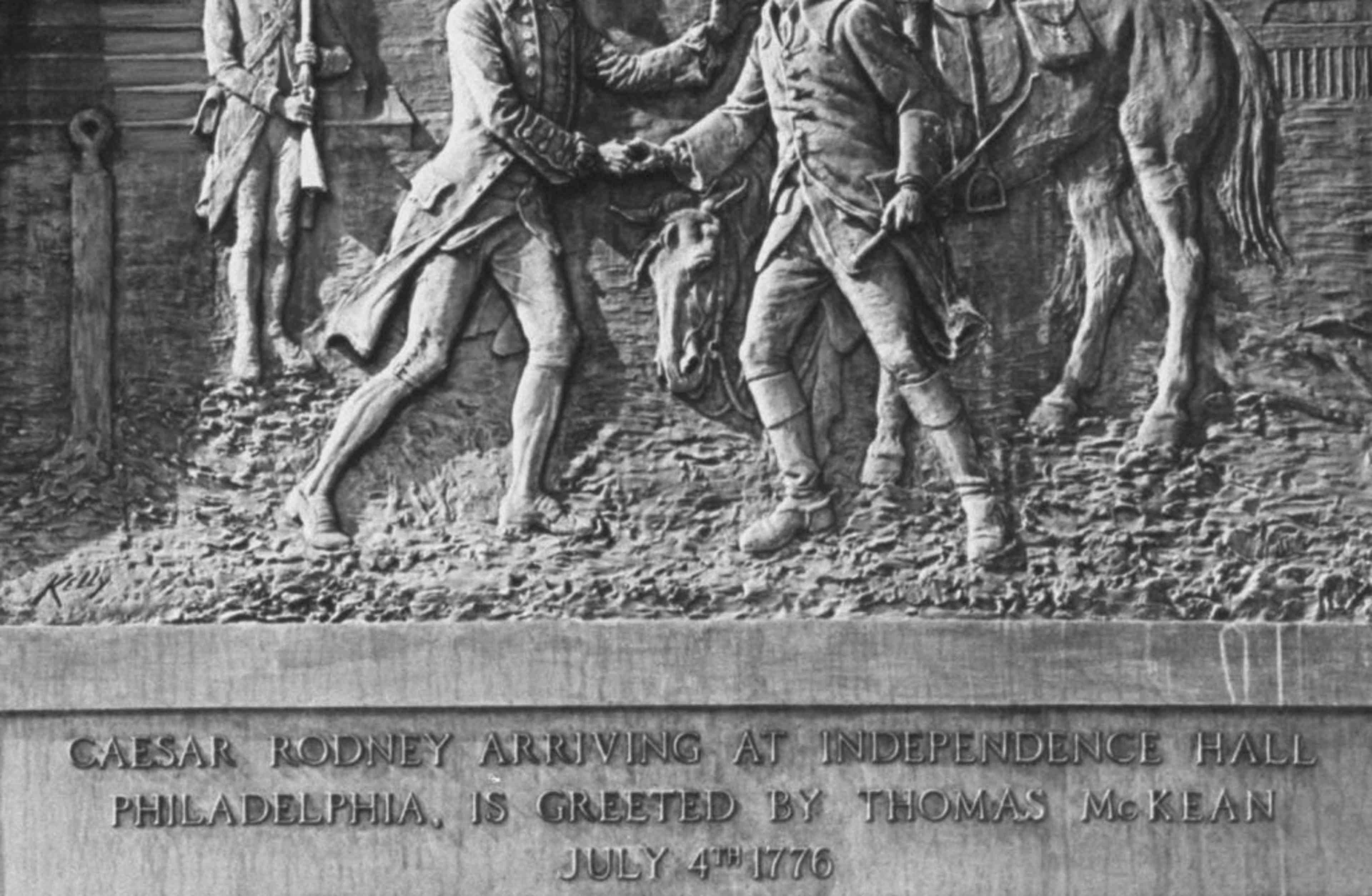
- Late Morning, July 2, 1776: Rodney arrives at the Pennsylvania State House (now Independence Hall). Thomas McKean greets him at the door just as the delegates are assembling for the historic vote.
- Afternoon, July 2, 1776: Still wearing his muddy riding boots, Rodney walks onto the convention floor and casts his deciding vote in favor of independence, officially breaking the Delaware deadlock and making the colonies’ decision unanimous.
Key Historical Figures and Their Roles
To fully grasp this crucial moment in American history, it is essential to understand the key individuals who shaped it:
- Caesar Rodney: The pragmatic leader, soldier, and statesman whose dramatic 80-mile ride secured the unanimity of the Declaration of Independence. He later served as the wartime President of Delaware.
- Thomas McKean: A fiery and resolute patriot who recognized the critical importance of Rodney’s vote and took the initiative to send the express courier, waiting anxiously at the Philadelphia State House doors to welcome his exhausted colleague.
- George Read: A cautious Delaware lawyer who initially voted against independence, believing the colonies were unprepared for war, but ultimately put aside his reservations and signed the Declaration along with his fellow delegates.
- General George Washington: As the military leader of the Continental Army, General George Washington maintained a deep, respectful correspondence with Rodney, relying heavily on Rodney’s logistical efforts to keep the Continental soldiers fed, clothed, and armed.
The Complex Legacy: A Portrait Hidden in Green
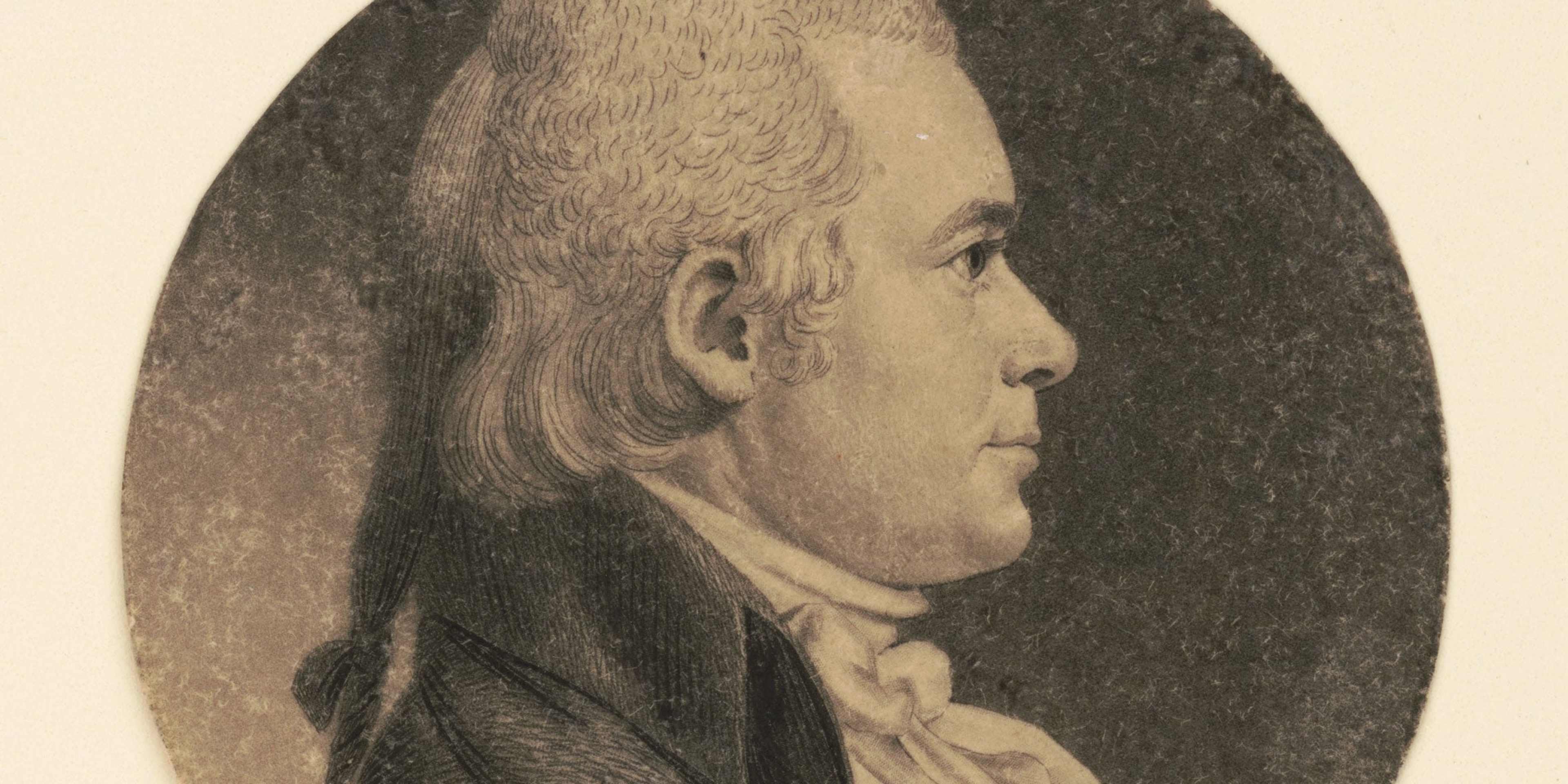
One of the most intriguing aspects of Caesar Rodney’s life is his physical appearance and how it contributed to his historical obscurity. John Adams famously described Rodney as “the oddest looking man in the world,” noting that he was “tall, thin and slender as a reed, pale; his face is not bigger than a large apple.” Rodney suffered from a severe facial deformity—likely skin cancer—on the right side of his face. To hide this painful and disfiguring condition, he wore a green silk scarf or handkerchief wrapped around his jaw and cheek.
Because of this deformity, Rodney rarely sat for portraits, leaving almost no authentic visual representations of his likeness. While other Founding Fathers were immortalized in oil paintings that graced the history books of future generations, Rodney’s face remained literally and figuratively obscured. This lack of visual history is a key reason why his massive contributions are frequently overlooked in popular American lore, overshadowed by figures like Paul Revere, whose famous ride was immortalized in poetry.
The Paradox of Freedom and Slavery
While Rodney played an indispensable role in securing political freedom from Great Britain, his personal life reflects the deep, painful contradictions of the founding era. A wealthy planter by trade, Rodney was an enslaver who held as many as 200 people in bondage on his Delaware plantations over his lifetime. His brother, Thomas Rodney, held fiercely racist views typical of the era’s pro-slavery faction.
However, Caesar Rodney’s own relationship with the institution of slavery was highly complex. Unlike the raucous, alcohol-filled assemblies often seen in other colonial American elections, Delaware’s political landscape during the transition was intensely pragmatic and focused on local security. In 1769, while serving in the Delaware Assembly, Rodney introduced a bill that sought to ban the importation of enslaved Africans into the colony. While some modern historians view this as an early anti-slavery effort, others argue it was a protectionist economic measure designed to maintain the high market value of the enslaved people already residing within Delaware.
Upon his death in 1784, Rodney’s final will and testament provided for the gradual emancipation of the enslaved people on his estate. Those who were 21 or older were to be freed within four years of his death, while younger individuals were to be freed upon reaching adulthood. This complicated legacy highlights the profound moral paradoxes of the American Revolution—a struggle for liberty led by men who denied that very liberty to others.
Why Caesar Rodney Matters Today
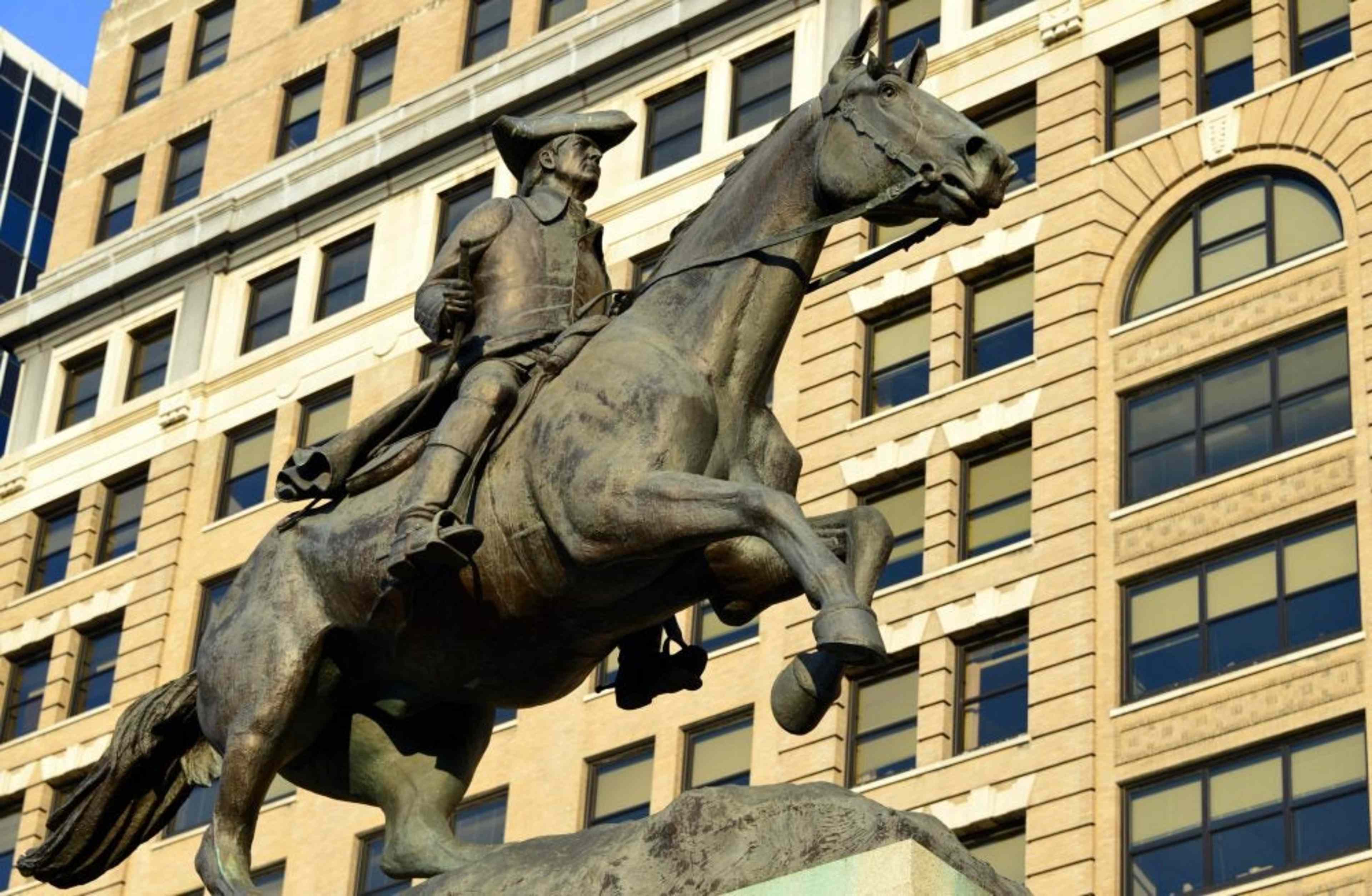
In recent years, the memory of Caesar Rodney has become a focal point of intense contemporary debate. For nearly a century, a grand bronze equestrian statue of Rodney on his midnight ride stood proudly in Rodney Square in Wilmington, Delaware. His likeness was even selected to represent Delaware on the state’s 1999 commemorative quarter, leading many modern Americans to ask, “Why did Delaware put Paul Revere on their coin?”
However, in June 2020, amid national protests over systemic racism and historical injustice, the city of Wilmington removed Rodney’s statue and placed it in storage to prevent vandalism and encourage a deeper, more inclusive dialogue about who the nation chooses to memorialize. Recently, as the United States celebrates its 250th anniversary, the debate has reignited with the temporary display of Rodney’s statue in Washington, D.C.’s Freedom Plaza, showcasing how the legacies of the Founding Fathers continue to provoke vital national discussions about freedom, equality, and the full scope of American history.
People Also Ask (FAQ)
Who was Caesar Rodney and why is he famous?
Caesar Rodney was an American Founding Father, lawyer, and military officer from Delaware. He is famous for his legendary, 80-mile overnight horse ride to Philadelphia on July 1–2, 1776, to break a deadlock in the Delaware delegation and cast the deciding vote for American independence.
What disease did Caesar Rodney have?
Rodney suffered from severe asthma and a debilitating facial cancer, likely skin cancer, which caused a prominent and painful deformity on his cheek. He famously concealed his face with a green silk scarf, which explains why there are almost no authentic portraits of him.
Did Caesar Rodney own slaves?
Yes, Caesar Rodney was an enslaver who held around 200 people on his Delaware plantations throughout his life. However, his will directed the gradual emancipation of all the enslaved people on his property following his death in 1784.
Why was Caesar Rodney’s statue removed?
In June 2020, Rodney’s equestrian statue in Wilmington, Delaware, was removed and placed in storage during nationwide protests against racial injustice, as communities reevaluated the public memorialization of historical figures who owned slaves.
Conclusion: The Legacy of a Pragmatic Patriot
Caesar Rodney’s story is a vivid reminder that history is rarely simple or painted in black and white. He was a man of extraordinary physical courage who, despite agonizing illness and the threat of British execution, rode through a dark, stormy night to help breathe life into a new nation. Yet, he was also a product of his time, bound to the tragic and cruel institution of slavery. By exploring the full, unvarnished history of figures like Rodney, we do not erase their achievements; rather, we enrich our understanding of the complex, imperfect humans who laid the foundations of the American republic.


