Historically, military victory is celebrated with grand monuments and heroic tales, while retreats are often relegated to the shadows of historical archives. However, some of the most profound turning points in global conflict have not been instances of glorious charges, but rather masterfully executed, brilliant military retreats. In the complex theatre of war, knowing when and how to withdraw is a strategic art form that requires immense courage, discipline, and foresight. A successful tactical retreat can preserve invaluable human lives, salvage precious military assets, and completely alter the long-term trajectory of a nation’s destiny. From the fog-shrouded waters of the East River during the American Revolution to the freezing mountain passes of North Korea, history’s greatest tactical withdrawals show that stepping back is often the only way to eventually leap forward. Understanding these strategic maneuvers provides a deep, authentic appreciation for the complexities of military leadership under the most dire, desperate circumstances.
The Strategic Art of the Tactical Retreat: Context and Causes
To understand why an army retreats, one must examine the broader sociopolitical and military landscapes that lead to encirclement or imminent defeat. Retreats are rarely planned as primary objectives; instead, they are dynamic responses to catastrophic failures, surprise counter-offensives, or overwhelming odds. In military doctrine, these maneuvers are formally known as retrograde operations. They require a delicate balance of deception, rear-guard defense, and logistical genius. Without these elements, a retreat easily devolves into a rout—a chaotic flight where soldiers are cut down systematically by an advancing foe. Historically, the catalysts for these maneuvers range from strategic intelligence failures to political mandates that forced commanders into unsustainable positions.
Chronological Timeline of Legendary Military Retreats
Throughout ancient and modern times, several key dates stand out as high-water marks of tactical salvation:
- 401 B.C. – The March of the Ten Thousand across the Persian Empire.
- August 29, 1776 – George Washington’s silent night evacuation at the Battle of Brooklyn.
- October 1877 – The Nez Perce Tribe’s final stand after a 1,400-mile fighting retreat.
- December 1915 – The Allied withdrawal from the bloody beaches of Gallipoli.
- October 1934 – October 1935 – Mao Zedong’s grueling Long March across China.
- May 27 – June 4, 1940 – The historic ‘Miracle of Dunkirk’ (Operation Dynamo) in World War II.
- November – December 1950 – The ‘Frozen Chosin’ breakout during the Korean War.
Key Figures Who Mastered the Art of Withdrawal
Executing a successful withdrawal under fire requires extraordinary leadership. Several key figures have carved their names into history through their masterly defensive actions:
General George Washington
Faced with total annihilation at the Battle of Brooklyn, Washington showed the cool-headedness that would define his command. While studying the leadership of this era, it is fascinating to examine who commanded the Continental Army before Washington took formal charge. Washington’s ability to coordinate a silent nighttime retreat saved the American Revolution in its cradle.
Chief Joseph of the Nez Perce
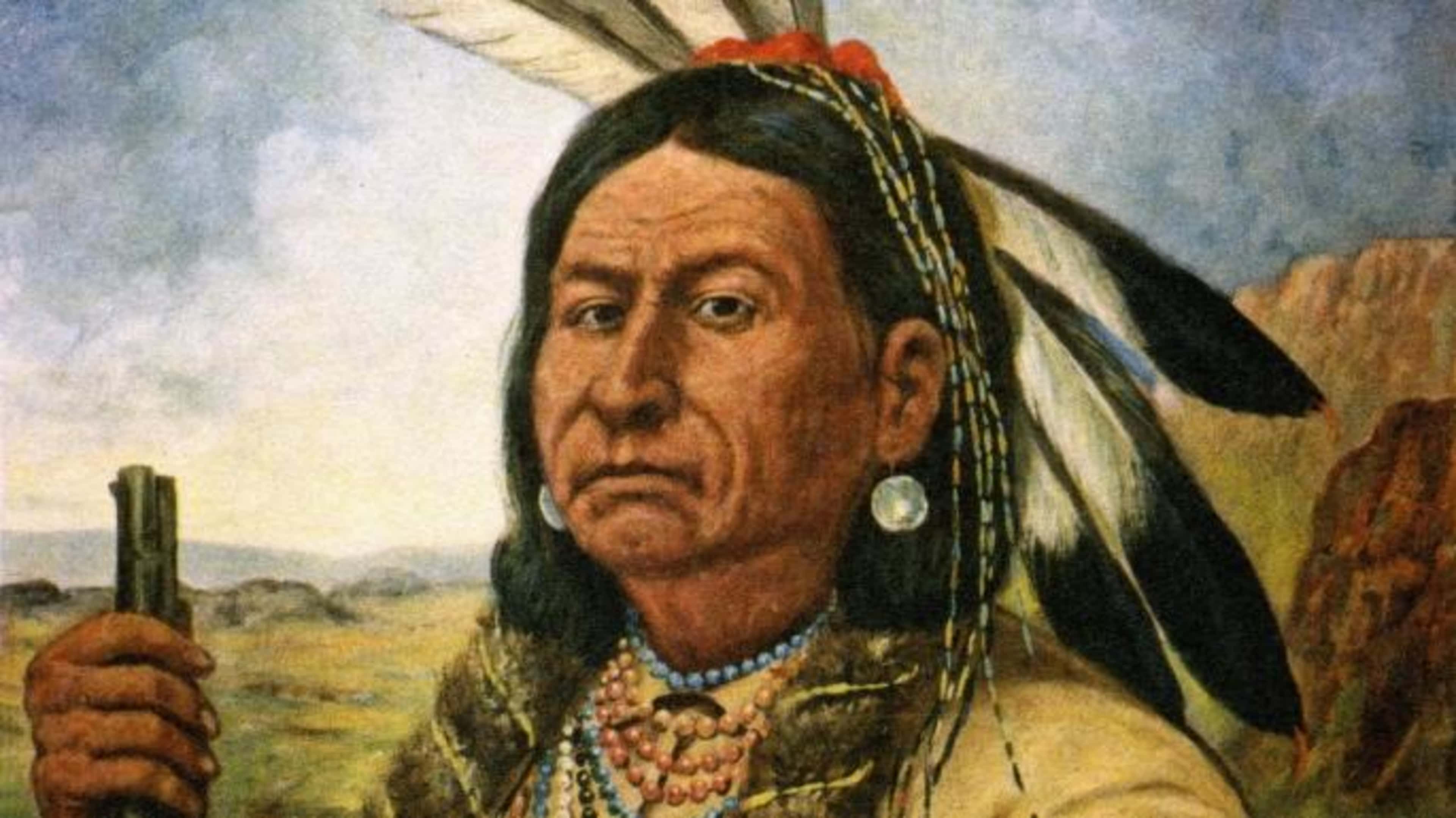
As the leader of the Wallowa band of the Nez Perce, Chief Joseph oversaw a spectacular 1,400-mile fighting retreat against the U.S. Army. His tactical genius earned him the respect of his adversaries, who marvelled at his use of advanced guards and sophisticated field fortifications.
Xenophon of Athens
An ancient Greek historian, soldier, and student of Socrates, Xenophon took command of the stranded ‘Ten Thousand’ mercenaries and guided them across treacherous terrain to safety, documenting the entire ordeal in his classic text, the Anabasis.
Major General Oliver P. Smith
Commanding the 1st Marine Division at the Chosin Reservoir, Smith famously declared that his men were not retreating, but simply ‘advancing in a different direction.’ His methodical leadership saved his division from being overrun by massive Chinese forces.
Deep Dive into Seven Legendary Retreats
1. Washington’s Great Escape from Brooklyn (1776)
Less than two months after the signing of the Declaration of Independence, the Continental Army was nearly wiped out. Pinned against the East River in Brooklyn by General Sir William Howe, Washington’s 9,000 troops faced a siege they could not win. Under the cover of darkness and drenching rain on August 29, Washington mobilized a flotilla of flat-bottomed boats manned by skilled Massachusetts fishermen. They muffled their oars with rags and kept campfires burning to deceive British lookouts. A morning fog—regarded as one of the most famous historical coincidences and lucky interventions in military history—masked the final stages of the evacuation. The entire force slipped away to Manhattan without losing a single life, preserving the revolutionary spark across the original 13 colonies map.
2. The March of the Ten Thousand (401 B.C.)
Hired by Cyrus the Younger to overthrow his brother, King Artaxerxes II, ten thousand Greek mercenaries found themselves stranded deep in hostile Persian territory near modern-day Baghdad after Cyrus fell in battle. Refusing to surrender, they elected new leaders, including Xenophon. Over nine grueling months, they fought their way across 1,500 miles of rugged mountains and freezing winter terrain. When they finally crested a ridge and saw the Black Sea, their joyous cries of ‘Thalatta! Thalatta!’ (‘The sea! The sea!’) echoed through history. Over three-quarters of the army survived to return home.
3. The Gallipoli Evacuation (1915)
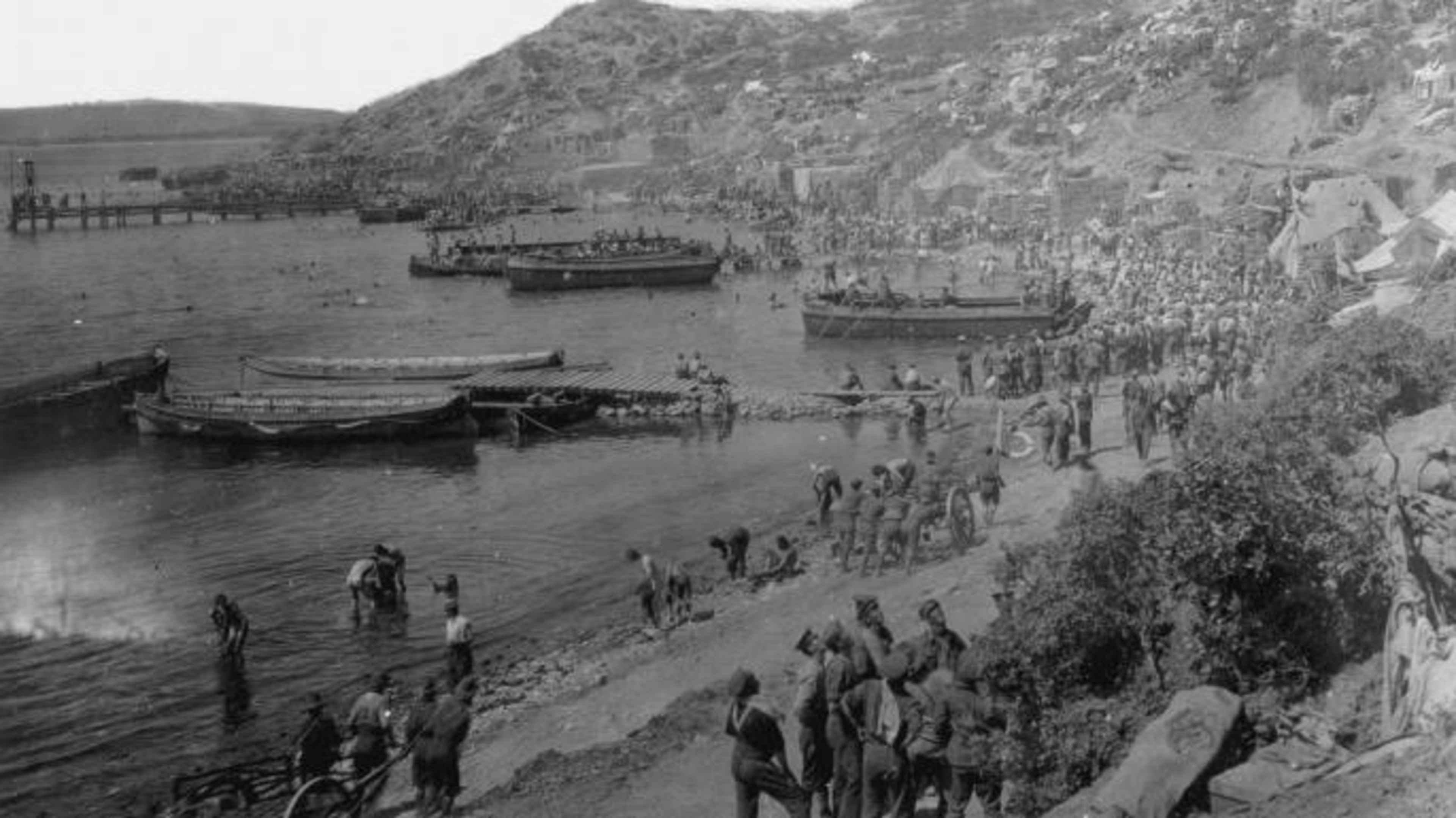
The Gallipoli campaign was a disastrous Allied blunder meant to knock the Ottoman Empire out of World War I, costing over 200,000 Allied casualties. Yet, the evacuation in December 1915 was a masterpiece of military deception. To fool the Turkish defenders, troops used dummy tents, kept campfires burning, and engineered ‘drip guns’—rifles rigged with water cans that fired automatically as the water slowly filled a lower container. The entire force of over 80,000 men slipped away under the cover of night with virtually zero casualties, defying predictions of a 50 percent loss rate.
4. The Epic Flight of the Nez Perce (1877)
When the U.S. government forcibly seized their ancestral lands, a small band of 700 Nez Perce, containing only about 200 warriors, undertook a monumental 1,400-mile fighting retreat toward sanctuary in Canada. Pursued by 2,000 U.S. cavalrymen, the Nez Perce repeatedly outmaneuvered and defeated their pursuers in multiple battles. They were finally cornered just 40 miles from the Canadian border at Bear Paw Mountain, where Chief Joseph delivered his immortal surrender speech: ‘From where the sun now stands, I will fight no more forever.’
5. The Miracle of Dunkirk (1940)
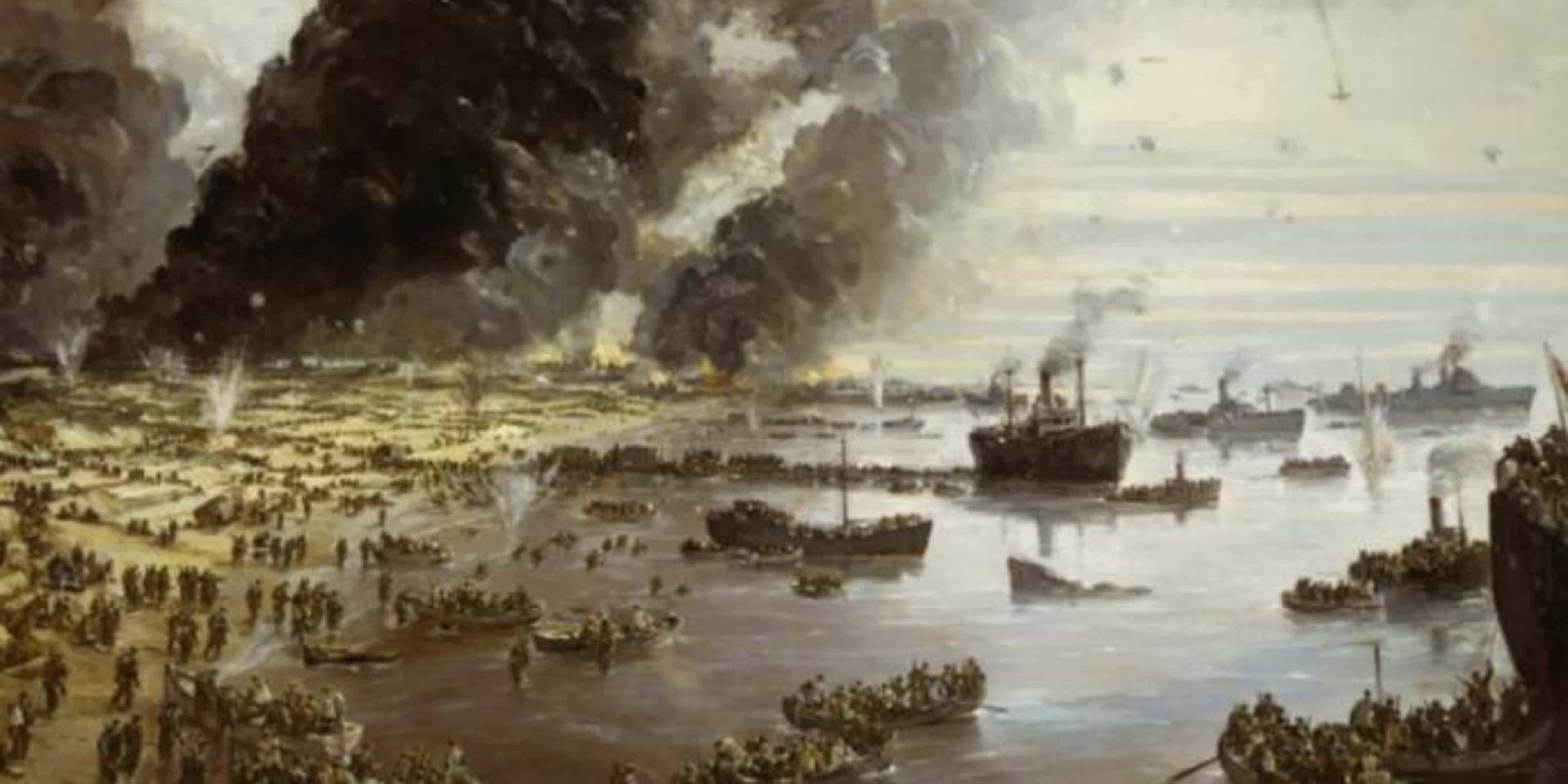
In May 1940, the British Expeditionary Force and their French allies were cornered on the beaches of Dunkirk by Nazi Germany’s blitzkrieg. Facing imminent destruction, a temporary halt in the German panzer advance allowed the British to initiate Operation Dynamo. Over nine days, a ragtag flotilla of over 900 naval vessels, commercial ferries, and civilian fishing boats crossed the heavily mined English Channel. Under constant Luftwaffe bombardment, this heroic effort evacuated 338,000 Allied soldiers, preserving the core of the British Army to fight another day.
6. The Frozen Chosin Reservoir (1950)
During the brutal winter of the Korean War, a United Nations force was surrounded by over 120,000 Chinese soldiers in the mountainous Chosin Reservoir. In temperatures plunging to 34 degrees below zero, the ‘Frozen Chosin’ fought a heroic 78-mile retrograde action to the port of Hungnam. Supported by combat engineers who assembled airdropped bridge sections over deep gorges, the UN forces successfully broke the encirclement, inflicting staggering casualties on the Chinese forces before executing a flawless sea evacuation.
7. Mao Zedong’s Long March (1934-1935)
Faced with encirclement by Nationalist forces, 86,000 Chinese Communists broke out of Jiangxi Province in October 1934. Over the course of a year, they traversed 6,000 miles of swamp, mountains, and hostile territory. Though nearly 90 percent of those who started the march perished from starvation, disease, or combat, the survival of the remnant solidified Mao Zedong’s leadership and created the founding myth of the modern Chinese Communist Party.
Lesser-Known Facts About Strategic Withdrawals
- The Phantom Drip Guns: During the Gallipoli retreat, British troops rigged empty tin cans. Water from an upper can dripped into a lower can attached to a rifle trigger. When the lower can became heavy enough, it pulled the trigger, firing shots and making the Turks believe the trenches were still fully manned.
- The Sky-Dropped Bridge: At the Chosin Reservoir, the Chinese blew up the vital bridge at Funchilin Pass, trapping the UN forces. In a stunning logistical feat, U.S. transport planes parachuted eight massive steel treadway bridge spans, allowing the troops and their heavy equipment to cross the chasm safely.
- Washington’s Silent Mariners: The escape across the East River was entirely dependent on the 14th Continental Regiment, comprised of tough fishermen from Marblehead, Massachusetts. Their seafaring skills allowed them to navigate the swift currents in complete silence.
The Long-Term Impact on America and Modern Warfare
The strategic lessons learned from these legendary retreats have deeply influenced modern military doctrines. In American military academies like West Point, withdrawals are no longer viewed as shameful defeats, but as highly complex ‘retrograde operations’ that require superior planning and discipline. Washington’s escape at Brooklyn taught the infant American nation that preserving the army was far more critical than holding specific geographical points. This strategic patience ultimately wore down the British Empire. Similarly, the Nez Perce flight highlighted the incredible tactical capabilities of Indigenous warriors, forcing the U.S. Army to modernize its cavalry tactics and showing the profound cost of the nation’s expansionist policies.
Why Tactical Retreats Still Matter Today
The concept of a brilliant retreat extends far beyond the battlefield. In modern business, politics, and daily life, knowing when to cut losses, pivot, and execute a strategic withdrawal is often the difference between temporary setback and permanent ruin. Just as Washington saved his army to fight another day, modern leaders must sometimes withdraw from failing ventures to preserve resources for future victories.
People Also Ask
What is the difference between a retreat and a rout?
A retreat is a disciplined, tactical withdrawal managed by commanders to preserve forces and maintain order. A rout is a chaotic, uncontrolled flight of defeated troops who have lost all organization and discipline, making them highly vulnerable to total destruction.
Why was George Washington’s retreat from Brooklyn so significant?
Had Washington failed to escape, the British would have captured his entire 9,000-man army, effectively ending the American Revolutionary War in August 1776. The successful evacuation saved the revolution and allowed the colonies to continue their fight for independence.
How did the ‘Drip Gun’ work at Gallipoli?
The drip gun was a delayed-firing mechanism. It used water dripping from one elevated tin can into a lower tin can attached to the trigger of a rifle. Once the weight of the water in the lower can was heavy enough, it pulled the trigger, firing the rifle and creating the illusion of active defense while the troops evacuated.
Conclusion
Throughout history, the ultimate test of military genius has often been measured not by how a general orchestrates a victory, but by how they manage a crisis. The brilliant military retreats of history—from the ancient mountain passes of Persia to the fog of the East River and the freezing shores of Dunkirk—prove that survival is its own form of victory. By saving their forces, these legendary leaders ensured that their causes lived on, proving that a strategic step backward can pave the way for a historic leap forward.


3 comments