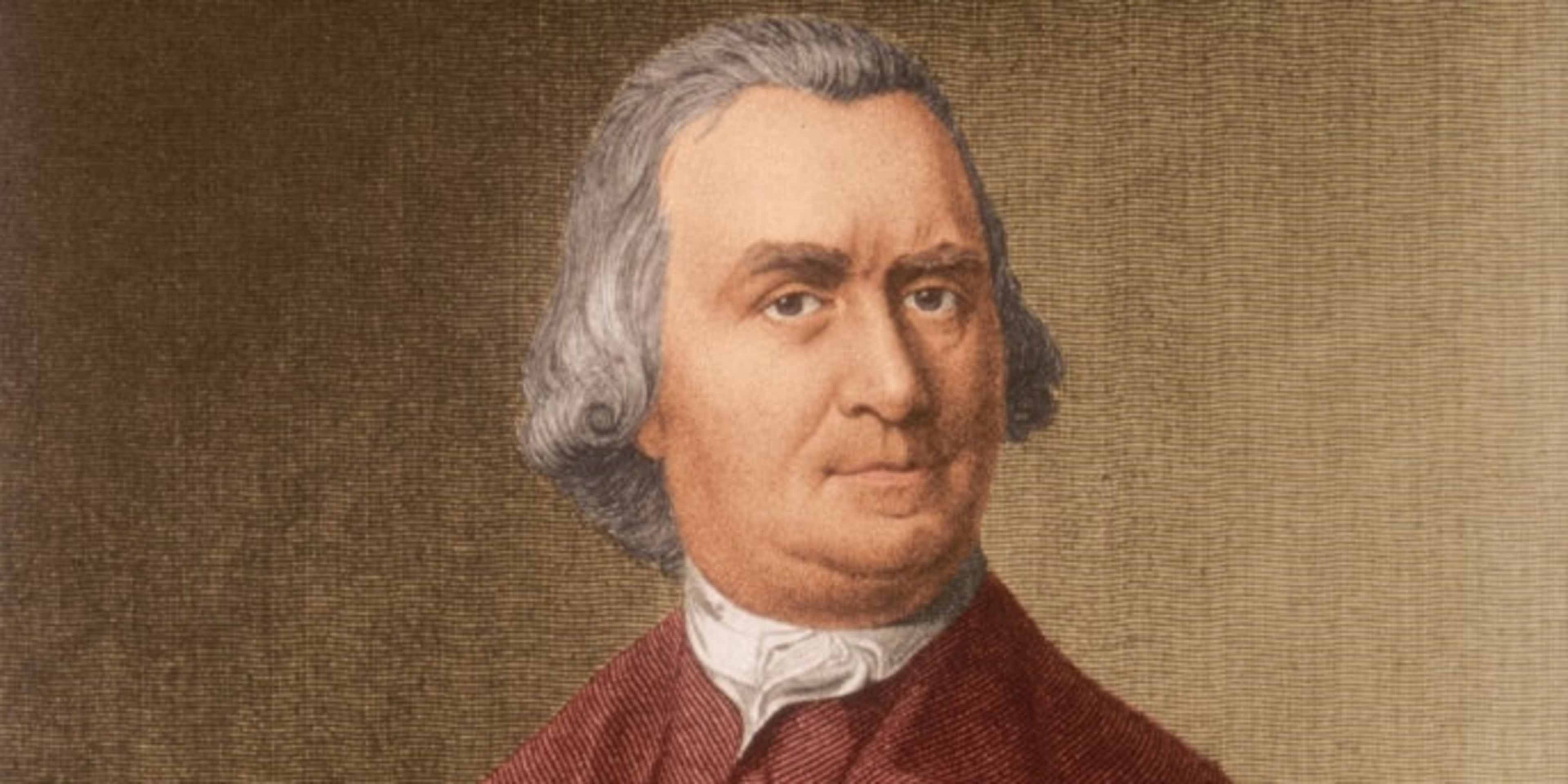
How did a man who failed miserably at private business and ran his family’s malt house into bankruptcy become the iconic face of American craft beer? Samuel Adams is remembered today as an unyielding revolutionary, a firebrand of liberty, and a key organizer of the Sons of Liberty. Yet, long before he helped orchestrate the Boston Tea Party, he struggled as a businessman. Today, millions of people associate his name with a refreshing, amber-colored Boston Lager rather than his fiery political treatises. The story of how this founding father became linked to beer is a captivating journey that spans centuries—from the smoke-filled colonial taverns of Boston to the birth of the modern craft brewing movement in 1985. It reveals how beer was not just a beverage, but a tool for political rebellion and economic independence. Exploring this unique connection offers a fascinating lens into the life of one of America’s most independent-minded founders.
Historical Background: The Adams Family and the Malt House
In the early 18th century, Boston was a bustling colonial port and a center of political discourse. Born in 1722, Samuel Adams grew up in a comfortable household. His father, Deacon Samuel Adams, was a prominent figure in local politics, a justice of the peace, and a member of the colonial legislature. Among the properties the elder Adams owned was a malt house located in the family’s backyard. In the colonial era, a maltster played a vital role in the community. One of the 6 common jobs in colonial America was working in agricultural processing, and malting barley was a key step in beer production. When Deacon Adams died in 1748, the young Samuel inherited this malting business along with the family estate. However, unlike his father, the future revolutionary lacked a mind for commerce and financial management.
Causes and Context: Taverns as the Cradle of Revolution
Colonial America was a drinking culture. Water was often unsafe, making weak beer and hard cider daily staples for men, women, and even children. Taverns and public houses were the epicenters of social life. To understand the political landscape of this era, it helps to explore what was it like to stay in a colonial-era inn or tavern, which served as community hubs where travelers, locals, and politicians mingled. Furthermore, alcohol was deeply integrated into political campaigns; during this period, elections in colonial America were huge booze-fueled parties where candidates routinely distributed free drinks to secure votes. Samuel Adams recognized that the local taverns, such as the famous Green Dragon Tavern in Boston, were the perfect laboratories for incubating rebellion. Here, Adams met with fellow patriots like Paul Revere and John Hancock, utilizing the conviviality of the public house to spread anti-British sentiment.
Key Events Timeline
- 1722: Samuel Adams is born in Boston, Massachusetts.
- 1748: Deacon Samuel Adams passes away; Samuel inherits the family estate and malt house.
- 1751: Adams advertises “Strong beer, or malt” for sale in the Boston Evening Post, confirming his active participation in the trade.
- 1756: Adams is elected tax collector but fails to manage public funds properly, plunging him into debt.
- 1765: The Stamp Act is passed; Adams helps organize the Sons of Liberty to protest British taxation.
- 1773: The Boston Tea Party takes place, solidifying Adams’s role as a premiere revolutionary organizer.
- 1985: On Patriots’ Day, Jim Koch introduces Samuel Adams Boston Lager to the public, initiating a modern craft beer revolution.
Important Figures and Their Roles
Deacon Samuel Adams
The industrious father of the revolutionary, Deacon Samuel Adams, established the family malt house. He was a successful minister, justice of the peace, and political leader who served as a major mentor to his son.
Samuel Adams
The fiery patriot who, despite failing as a maltster and being mocked as “Sam the Maltster” by loyalists, successfully channeled his energies into organizing colonial resistance and signing the Declaration of Independence.
Jim Koch
The co-founder of the Boston Beer Company. In 1985, Koch decided to launch his craft beer under Adams’s name, admiring the patriot’s rebellious and independent spirit.
Major Turning Points: From Bankrupt Businessman to Patriot Brand
The transition of Samuel Adams from a failed businessman to a revered historical figure—and eventually a beer brand—contains several critical turning points. The first was his bankruptcy. By the late 1750s, the family malt house was crumbling, and Adams was deeply in debt. Yet, this failure forced him to focus entirely on politics. The second turning point was his brilliant use of beer as an economic weapon. Adams organized boycotts of British imports and encouraged colonists to drink locally produced “October Beer.” He famously wrote advertisements urging New Englanders to buy American brews so they would not be beholden to foreign suppliers. The final turning point occurred in 1985. Jim Koch, utilizing an 1860s recipe from his own great-great-grandfather, chose to bypass his family name and instead adopt the name of Samuel Adams, linking the revolutionary legacy of the 18th century with the rebellious spirit of the craft beer movement.
Long-Term Impact on America
The connection between Samuel Adams and beer has had a profound impact on American culture and commerce. In the 18th century, Adams’s political organizing in taverns helped forge the democratic principles that led to the Declaration of Independence. In the 20th and 21st centuries, the launch of Samuel Adams Boston Lager catalyzed the American craft beer revolution. Before 1985, the American beer market was dominated by mass-produced, light lagers. The success of the Boston Beer Company paved the way for thousands of independent microbreweries across the nation, transforming America into one of the most diverse and innovative beer-producing countries in the world.
Lesser-Known Facts About Samuel Adams and Beer
- He Was a Maltster, Not a Brewer: Historical records indicate that Samuel Adams did not actually brew beer. Instead, he was a maltster, meaning he germinated and dried barley to sell to actual brewers.
- “Sam the Maltster” Was an Insult: Loyalists and political rivals frequently mocked Adams for his business failures, using the nickname “Sam the Maltster” to highlight his inability to run a successful enterprise.
- He Intimidated Real Estate Buyers: When his family estate and malt house were put up for public auction due to his debts, Adams successfully intimidated potential buyers through political threats, ensuring no one bid on the property.
Why It Still Matters Today
The story of Samuel Adams reminds us that history is made of complex, flawed individuals. Adams was a terrible businessman, yet his passion for independence changed the world. Today, when consumers buy a Samuel Adams beer, they are engaging with a legacy of American independence, local commerce, and the enduring power of grassroots organization. It highlights how cultural symbols are created and reshaped over time, transforming a colonial failure into a modern symbol of quality and independence.
People Also Ask
Was Samuel Adams actually a brewer?
No, there is no direct evidence that Samuel Adams brewed beer himself. He was a maltster, which means he produced malted barley, a key raw ingredient that he sold to local brewers in Boston.
Why is Samuel Adams the face of a beer brand?
In 1985, Boston Beer Company founder Jim Koch chose the name Samuel Adams for his new craft beer because he admired the revolutionary’s fiercely independent spirit and political activism, which aligned with the rebellious nature of the burgeoning craft beer movement.
Did Samuel Adams really drink beer in taverns?
Yes. Like most colonists of his era, Samuel Adams frequented taverns. He used these public spaces, such as the Green Dragon Tavern, to meet with fellow patriots, share intelligence, and organize the Sons of Liberty.
Conclusion
While Samuel Adams may have failed in the colonial malt trade, his legacy as a firebrand of the American Revolution remains unshakeable. The modern-day linkage of his name to craft beer is a fitting tribute to a man who advocated for American self-sufficiency and economic independence. Today, the smiling image on every bottle of Boston Lager serves as a reminder of how the spirit of rebellion can take many forms, from the battlefields of the Revolution to the pint glasses of today.


