The American Civil War remains the bloodiest and most transformative chapter in the nation’s history. Spanning from 1861 to 1865, this catastrophic internal struggle pitted the industrialized Union of the North against the agrarian, secessionist Confederate States of the South. What began as a constitutional crisis over states’ rights and the preservation of the Union quickly evolved into a moral crusade to dismantle the institution of slavery. Across four grueling years, more than 10,000 armed confrontations took place, permanently scarring the American landscape and costing the lives of an estimated 620,000 to 850,000 soldiers. Understanding these events requires studying the major American Civil War battles that served as the turning points of this existential struggle. These hallowed battlefields, from the cornfields of Maryland to the heights of Gettysburg, not only decided the military outcome but also redefined the very concept of American liberty and citizenship.
The Crucible of War: Historical Background and Causes
To comprehend the sheer scale of the American Civil War, one must examine the deep-seated divisions that fractured the young republic. For decades, the North and the South had been drifting apart economically, socially, and politically. The Northern economy was rapidly industrializing, fueled by manufacturing, wage labor, and a growing network of railroads. In contrast, the Southern economy was entirely dependent on king cotton, a system sustained by the brutal exploitation of enslaved African Americans. As the nation expanded westward, intense political debates erupted over whether slavery should be permitted in new territories.
The election of Abraham Lincoln in 1860 served as the ultimate catalyst. Viewing Lincoln’s presidency as an existential threat to their slave-based economy, South Carolina seceded from the Union in December 1860, followed shortly by ten other Southern states to form the Confederate States of America. On April 12, 1861, Confederate forces opened fire on the federal outpost of Fort Sumter in South Carolina, marking the official beginning of the war.
Important Figures Who Defined the Conflict
The trajectory of the Civil War was shaped by brilliant, complex, and sometimes flawed leaders on both sides of the conflict:
- Abraham Lincoln: The 16th President of the United States, whose unwavering resolve preserved the Union and whose moral clarity ultimately led to the abolition of slavery.
- Ulysses S. Grant: The relentless Union General-in-Chief whose aggressive war of attrition broke the Confederate military back and earned him the nickname “Unconditional Surrender.”
- Robert E. Lee: The aristocratic commander of the Confederate Army of Northern Virginia, revered for his tactical brilliance but ultimately defeated by the Union’s superior resources and strategy.
- Thomas “Stonewall” Jackson: Lee’s most formidable tactical lieutenant, whose fierce defensive stands and aggressive flanking maneuvers struck terror into Union commanders.
- William Tecumseh Sherman: The Union general who introduced the concept of “total war” to the South, destroying Confederate supply lines and morale during his famous March to the Sea.
Seven Pivotal Battles of the American Civil War
1. The First Battle of Bull Run (July 21, 1861)
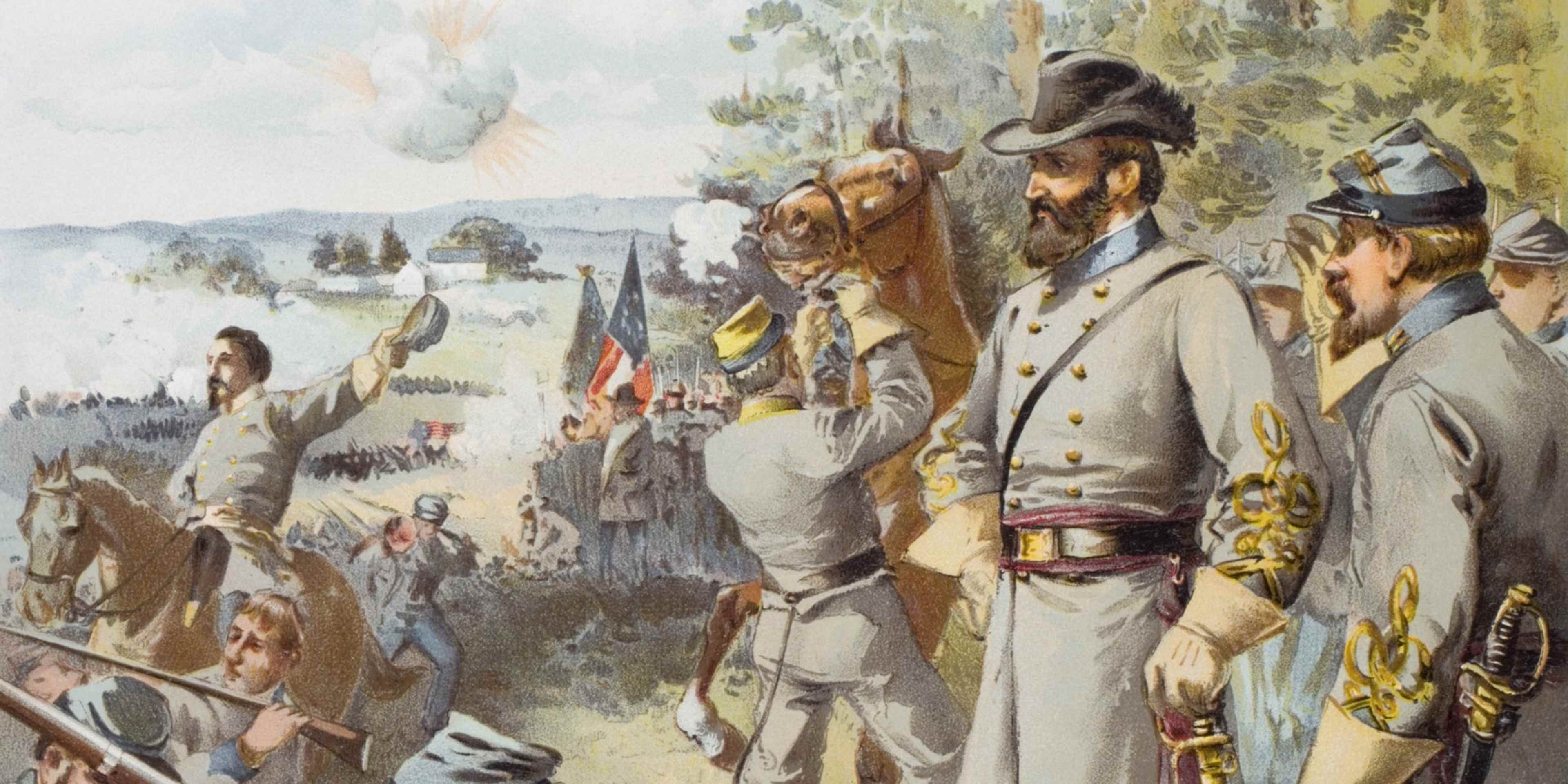
As the war began, both the North and South believed the conflict would be resolved in a single, decisive clash. Union General Irvin McDowell marched his inexperienced, 90-day volunteers out of Washington, D.C., aiming to seize the Confederate capital of Richmond. They encountered Confederate forces under General P.G.T. Beauregard defending a crucial railroad junction at Manassas, Virginia.
Initially, Union forces pushed the Confederates back, but a stubborn brigade under General Thomas Jackson held the line, earning him the legendary nickname “Stonewall.” Reinforced by fresh troops arriving by railroad, the Confederates launched a fierce counteroffensive, routing the Union army. While some battles feature tactical retreats that saved armies from annihilation, as seen in various brilliant military retreats throughout history, the retreat at Bull Run was a panicked, disorganized flight of soldiers and civilian onlookers back to Washington. The battle resulted in nearly 5,000 total casualties, shattering any illusions of a quick, bloodless war.
2. The Battle of Fort Donelson (February 11-16, 1862)
While the Eastern Theater stagnated, Union forces in the West began to make vital progress. Brigadier General Ulysses S. Grant targeted Fort Donelson, a strategic Confederate stronghold on the Cumberland River in Tennessee. Capturing the fort would open the gateway to the Confederate heartland.
After gunboat attacks failed, the Confederates launched a surprise breakout attempt. Although initially successful, the Confederate commanders hesitated, allowing Grant to identify a weak spot in their defensive line and launch a decisive counterattack. Rather than negotiating terms, Grant famously demanded “unconditional and immediate surrender.” The capture of Fort Donelson secured Grant’s national reputation, forced the surrender of 13,000 Confederate soldiers, and forced the rebel forces to abandon Kentucky and middle Tennessee.
3. The Battle of Antietam (September 17, 1862)
Seeking to bring the war to the North and secure European recognition, Confederate General Robert E. Lee invaded Maryland. He was met at Sharpsburg by Union General George B. McClellan’s Army of the Potomac. The resulting Battle of Antietam became the single bloodiest day in American military history, with over 22,000 casualties in just twelve hours of horrific combat.
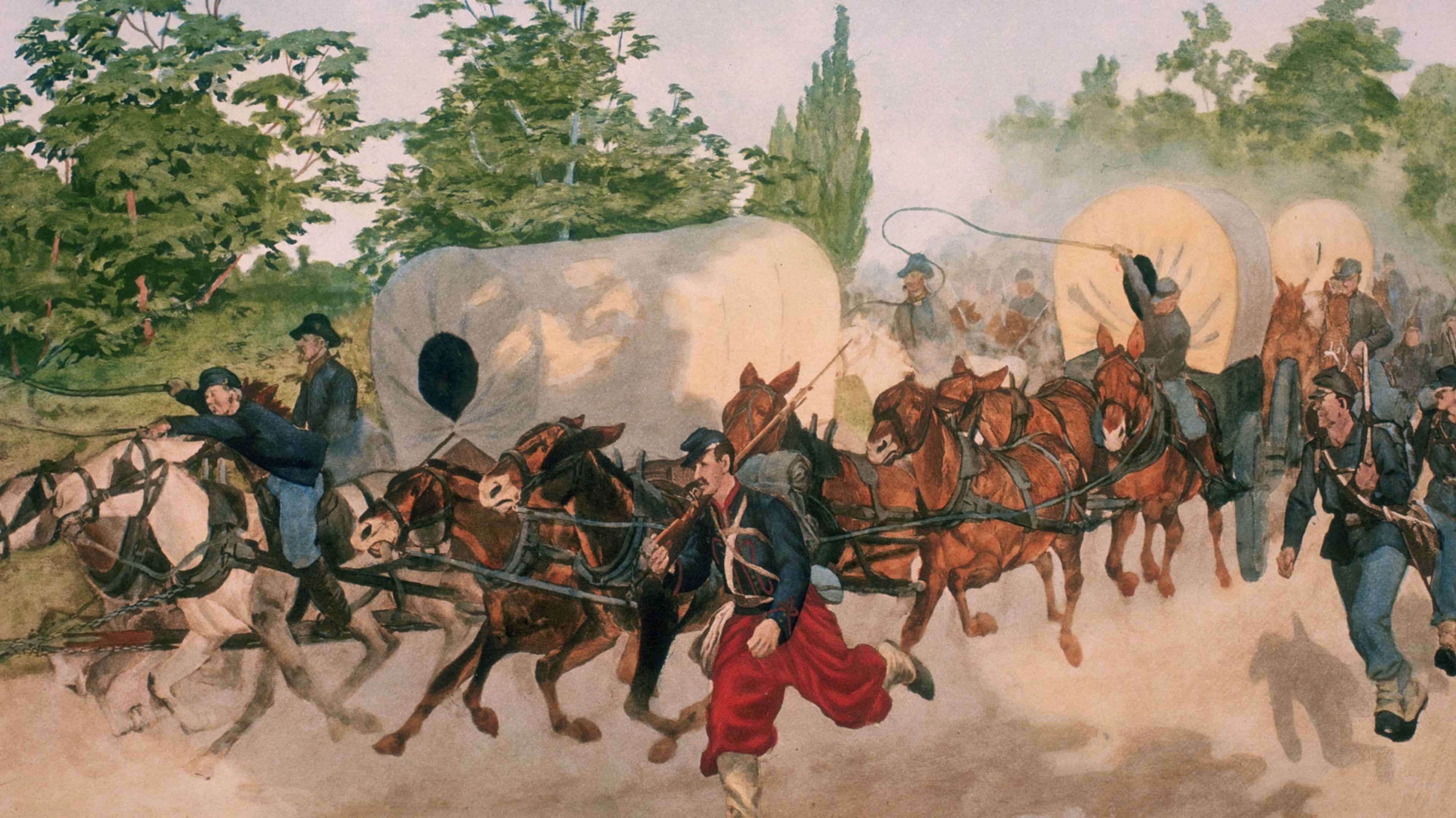
Fighting raged across a cornfield, along a sunken road known as “Bloody Lane,” and over a narrow stone bridge across Antietam Creek. Although McClellan failed to destroy Lee’s army, the battle was a strategic Union victory as it forced Lee to retreat back into Virginia. This crucial triumph gave President Lincoln the political leverage to issue the preliminary Emancipation Proclamation, transforming the war into a revolutionary struggle for human freedom. The proclamation officially welcomed African Americans into the Union armed forces, paving the way for the courageous deeds of black heroes throughout US military history.
4. The Battle of Chancellorsville (May 1-6, 1863)
Often considered Robert E. Lee’s “perfect battle,” Chancellorsville demonstrated his tactical audacity. Facing a Union army under General Joseph Hooker that outnumbered him more than two to one, Lee boldly divided his army. He sent Stonewall Jackson on a daring, day-long march through the dense Virginia forest known as the Wilderness to launch a devastating surprise attack on the Union flank.
The maneuver succeeded spectacularly, forcing Hooker into a humiliating retreat. However, the victory proved costly. While scouting ahead of the lines at dusk, Jackson was accidentally shot by his own men. He died of complications from pneumonia several days later. Lee had won a brilliant tactical victory, but he had lost his “right arm,” a blow from which the Confederate command structure would never truly recover.
5. The Siege of Vicksburg (May 18 – July 4, 1863)
Control of the Mississippi River was paramount to both sides. Confederate President Jefferson Davis called Vicksburg the “nail head that holds the South’s two halves together.” General Ulysses S. Grant spent months attempting to capture this heavily fortified cliffside city. After direct assaults failed, Grant settled into a brutal, 47-day siege.
Union artillery and gunboats bombarded the city constantly, forcing starving civilians and soldiers to live in hand-dug caves and eat mules, rats, and leather. On July 4, 1863, Confederate General John C. Pemberton surrendered his remaining 29,000 men. The fall of Vicksburg gave the Union complete control over the Mississippi River, effectively splitting the Confederacy in two and isolating the western states of Texas, Arkansas, and Louisiana.
6. The Battle of Gettysburg (July 1-3, 1863)
Simultaneous with the siege at Vicksburg, Robert E. Lee launched his second invasion of the North, hoping to pressure Lincoln into peace talks and gather supplies from the prosperous Pennsylvania countryside. The Army of Northern Virginia clashed with Major General George Meade’s Army of the Potomac at the small crossroads town of Gettysburg.
Over three legendary days, the two armies engaged in the largest and costliest battle ever fought in North America. After desperate fighting at places like Little Round Top and the Devil’s Den, the battle reached its climax on July 3 with “Pickett’s Charge.” Over 12,000 Confederates marched across open fields directly into devastating Union artillery and rifle fire. The charge failed catastrophically, forcing Lee to retreat. With over 51,000 total casualties, Gettysburg ended the South’s offensive capabilities. Months later, Lincoln delivered the Gettysburg Address at the site, immortalizing the battle as a dedication to “a new birth of freedom.”
7. The Battle of Atlanta (July 22, 1864)
By 1864, the Union had adopted a strategy of relentless pressure. General William Tecumseh Sherman pushed deep into Georgia, aiming for Atlanta, a vital railroad and manufacturing hub. Outside the city, Confederate General John Bell Hood launched desperate counterattacks, but Sherman’s superior numbers and strategic maneuvering eventually forced the Confederates to abandon the city on September 1, 1864.
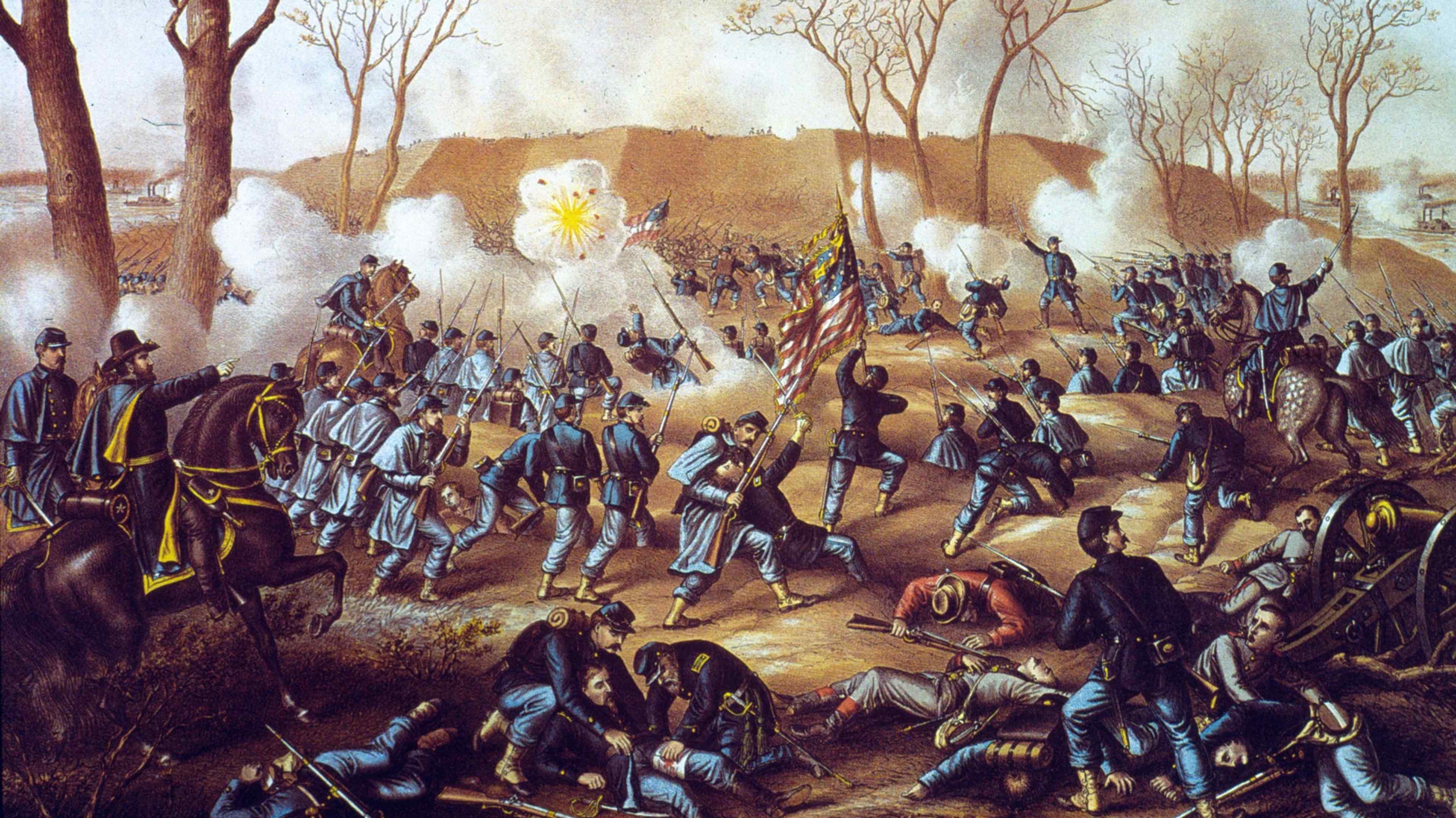
The fall of Atlanta was a devastating blow to Southern morale and economic capacity. More importantly, it had a massive political impact. President Lincoln was facing a difficult re-election campaign against Democratic candidate George McClellan, who ran on a platform to end the war through negotiation. This crucial victory quieted the growing peace faction in the North and represents a watershed moment in the broader timeline of US anti-war movements, which often peaked during prolonged conflicts. Atlanta’s capture secured Lincoln’s victory, ensuring the war would be fought to its unconditional conclusion.
The Long-Term Impact on the American Nation
The Union victory in the Civil War fundamentally reshaped the United States. Structurally, it established the supremacy of federal law over state sovereignty, ending the debate over secession. Constitutionally, the passage of the Reconstruction Amendments (the 13th, 14th, and 15th) abolished slavery, established birthright citizenship, and guaranteed equal protection under the law. Economically, the South’s plantation system was destroyed, while the North emerged as an industrial titan, paving the way for the Gilded Age and America’s rise as a global superpower.
Lesser-Known Facts of the Civil War
- Delayed Liberation: Although the Emancipation Proclamation was signed in 1863, it took over two years for the news of freedom to reach enslaved people in Galveston, Texas, on June 19, 1865—an event now celebrated nationally as Juneteenth.
- Diverse Soldiers: While the war is often viewed through a black-and-white lens, hundreds of Asian, Native American, and Hispanic soldiers fought and died on both sides of the conflict, displaying immense courage.
- Surrender Did Not End the War Instantly: Robert E. Lee’s surrender at Appomattox Court House on April 9, 1865, did not immediately stop the fighting. Confederate forces in North Carolina, Alabama, and Texas continued to clash with Union troops for weeks, and the final Confederate surrender did not occur until November 1865 at sea.
Why the Civil War Still Matters Today
The Civil War is not merely a historical event; its legacy directly shapes contemporary American life. Current national debates regarding voting rights, racial equality, and the balance of power between federal and state governments find their roots in the Reconstruction era. Furthermore, ongoing discussions about Confederate monuments and how we memorialize our past highlight that the Civil War remains a living part of the American consciousness, reminding us of the ongoing struggle to achieve “a more perfect union.”
People Also Ask (FAQs)
What was the bloodiest battle of the Civil War?
The Battle of Gettysburg was the bloodiest multi-day battle of the Civil War, resulting in over 51,000 casualties. However, the Battle of Antietam remains the single bloodiest day in American military history, with over 22,000 casualties occurring in a single 12-hour period.
Why was the Battle of Vicksburg so important?
The Siege of Vicksburg gave the Union complete control of the Mississippi River, which effectively cut the Confederacy in half. This restricted the South’s supply lines and isolated major Confederate states like Texas and Louisiana from the rest of the war effort.
How did the Battle of Atlanta influence the 1864 presidential election?
The capture of Atlanta by General Sherman provided a massive boost to Northern morale, proving to a weary public that victory was within reach. This success helped President Abraham Lincoln win re-election over George McClellan, who had run on a platform to negotiate a peace treaty with the Confederacy.
Conclusion: The Cost of Unity and Freedom
The American Civil War was an epoch-defining conflict that tested the endurance of the United States. Through the crucible of these seven major battles, the nation moved away from the compromises of its founding era and toward a truer realization of its democratic ideals. The sacrifices made on these battlefields ensured that the United States survived as a unified nation, dedicated to the proposition that all men are created equal. The legacy of these struggles continues to inspire and challenge Americans to this day.


