In the sweltering heat of August 1862, the fate of a fractured nation hung in the balance along the banks of a winding stream in Northern Virginia. The Second Battle of Bull Run, also known as the Second Battle of Manassas, stands as one of the most brilliant, high-stakes military campaigns in American history. Often overshadowed by the harrowing bloodshed of the Battle of Antietam that followed, this decisive Confederate victory was the true tactical turning point of the summer of 1862. It demonstrated the supreme strategic audacity of General Robert E. Lee, exposed the catastrophic command failures of Union Major General John Pope, and ultimately redefined the geopolitical and humanitarian goals of the Union war effort. Far from being a mere sequel to the 1861 clash on the same ground, Second Bull Run was a brutal, multi-day masterclass in maneuver warfare that brought the Confederacy to the height of its military power and forced President Abraham Lincoln to realize that saving the Union would require nothing less than the total destruction of southern slavery.
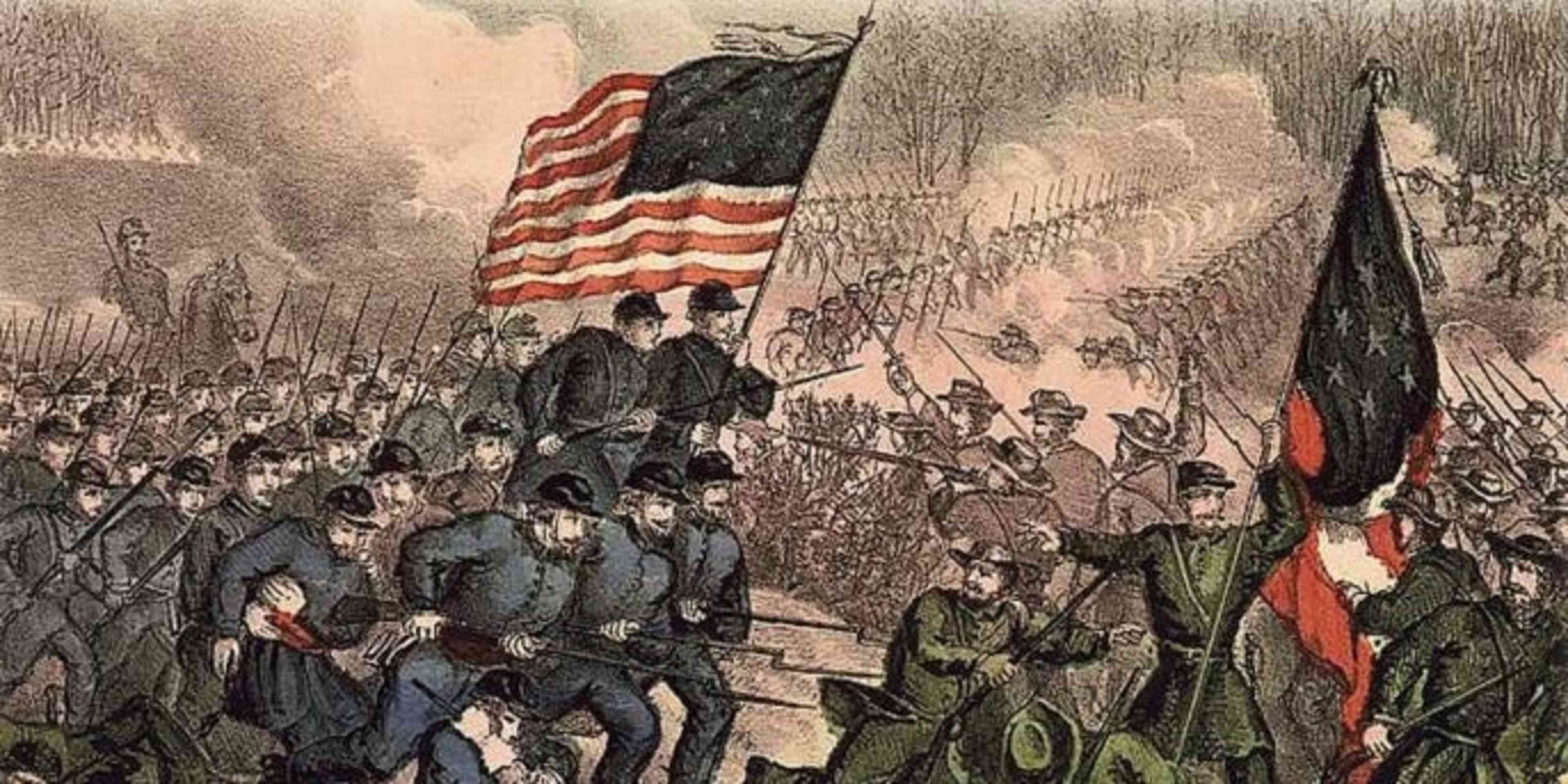
Historical Background and Strategic Context
To understand the road to the Second Battle of Bull Run, one must examine the military landscape of Virginia in the spring and summer of 1862. Earlier that year, Union Major General George B. McClellan had launched the ambitious Peninsula Campaign, transporting over 100,000 soldiers of the Army of the Potomac by water to the Virginia Peninsula with the goal of capturing the Confederate capital of Richmond. McClellan, notoriously cautious and prone to overestimating enemy strength, advanced to within six miles of Richmond. However, the command of the Confederate Army of Northern Virginia fell to General Robert E. Lee in June after Joseph E. Johnston was wounded. In a series of bloody engagements known as the Seven Days’ Battles (June 25 to July 1, 1862), Lee aggressively attacked McClellan, successfully unnerving the Union general and forcing a retreat.
Recognizing McClellan’s paralysis, President Lincoln and General-in-Chief Henry Halleck organized a new force, the Army of Virginia, and placed it under the command of Major General John Pope. Pope, who had achieved modest successes in the Western Theater, arrived in the East with a bombastic attitude that quickly alienated his officers and soldiers alike. Pope’s mission was to protect Washington, D.C., and draw Confederate forces away from Richmond by moving south toward the vital railroad hub at Gordonsville. Lee, realizing that McClellan’s army on the Peninsula was no longer an immediate threat, seized the initiative. He resolved to strike Pope’s army before the two Union forces could unite and crush him with sheer numerical superiority.
The Chronological Timeline of the Campaign
The campaign unfolded rapidly over several weeks, characterized by daring marches, massive logistics raids, and intense combat. Here is how the pivotal days of late August 1862 progressed:
- August 9, 1862: The Battle of Cedar Mountain. Confederate Major General Thomas J. “Stonewall” Jackson wins a hard-fought victory over a portion of Pope’s forces, halting the Union advance toward the railroad.
- August 25, 1862: Lee makes a daring decision to split his army. He sends Jackson and 24,000 men on a flanking march around Pope’s right wing, while General James Longstreet remains behind to distract the Union commander.
- August 26–27, 1862: Jackson’s “foot cavalry” completes an astonishing 54-mile march in under 36 hours. They capture and thoroughly loot the massive, lightly defended Union supply depot at Manassas Junction before burning what they cannot carry. Jackson then withdraws his men into the woods near an unfinished railroad cut near the old 1861 battlefield, effectively hiding them from Pope’s searching cavalry.
- August 28, 1862: The battle begins at Brawner’s Farm. Seeking to draw Pope into a fight before the Union army can escape north, Jackson orders his men to fire upon a passing, unsuspecting column of Union soldiers. A fierce, close-range gun duel ensues, ending in a bloody stalemate after midnight.
- August 29, 1862: Believing Jackson is isolated, Pope orders a series of disconnected, piecemeal frontal assaults against Jackson’s strong defensive position along the unfinished railroad. Jackson’s men hold their lines against desperate odds. By afternoon, James Longstreet’s wing of the Confederate army arrives on the field, taking up positions on Jackson’s right flank, unnoticed by Pope.
- August 30, 1862: Misinterpreting Confederate movements as a retreat, Pope launches a massive attack against Jackson’s line. The Union assault is bloodily repulsed. Seizing the moment, Lee orders Longstreet to launch a massive, synchronized counterattack on the Union left flank. The hammer blow shatters the Union line, forcing Pope’s army into a desperate defensive stand at Henry House Hill before retreating across Bull Run toward Washington.
Key Historic Figures and Their Impacts
The Second Battle of Bull Run was defined by the clashing personalities and contrasting strategic visions of its primary commanders:
General Robert E. Lee
Lee’s performance in this campaign is widely regarded by historians as a masterpiece of operational warfare. Defying standard military doctrine, Lee repeatedly divided his numerically inferior army in the face of a larger enemy. His trust in his subordinates, Stonewall Jackson and James Longstreet, allowed him to orchestrate a classic double-envelopment that thoroughly routed Pope’s forces and shifted the theater of war from the gates of Richmond to the doorstep of Washington, D.C.
Major General John Pope
Pope’s tenure in the Eastern Theater was marked by arrogance and poor battlefield intelligence. He consistently misread his opponent’s intentions, falsely believing that Jackson was retreating when, in fact, he was digging in. Pope’s refusal to heed warnings about Longstreet’s arrival left his left flank utterly exposed, leading to one of the most embarrassing Union defeats of the war.
Major General Thomas J. “Stonewall” Jackson
Jackson cemented his legendary status during this campaign. His rapid flank march, the destruction of the Manassas supply lines, and his stubborn defense of the unfinished railroad cut proved that his troops could endure extreme physical hardships and hold defensive lines against overwhelming numerical superiority.
Major Turning Points and Battlefield Drama
The turning points of the battle occurred on August 30, when Pope’s stubborn tunnel vision blinded him to the realities of the battlefield. Assuming Jackson’s forces were on the run, Pope ordered Major General Fitz John Porter’s corps to lead a pursuit. Porter’s men charged straight into the teeth of Jackson’s defensive lines at the Deep Cut of the unfinished railroad. The fighting was savage; some of Jackson’s men, having depleted their ammunition, resorted to hurling heavy stones down the railway embankment to keep the federal forces at bay.
As the Union attack withered, James Longstreet unleashed his artillery and ordered 25,000 men forward. This was the largest simultaneous mass assault of the entire Civil War. The Confederate tide swept across the rolling hills, completely overwhelming Pope’s left flank. The Union forces managed to execute a defensive holding action at Henry House Hill, a maneuver reminiscent of other brilliant military retreats throughout history, saving Pope’s army from total annihilation. Under the cover of night and heavy rain, the defeated Union army retreated across the Stone Bridge toward the defenses of Washington.
The Long-Term Impact on America
The fallout from the Second Battle of Bull Run shook the Union to its core. President Lincoln, deeply disheartened by Pope’s failure, relieved him of command and reluctantly merged his forces back into McClellan’s Army of the Potomac. The victory gave Robert E. Lee the strategic leverage and momentum he needed to launch his first invasion of the North, crossing the Potomac River into Maryland just days later.
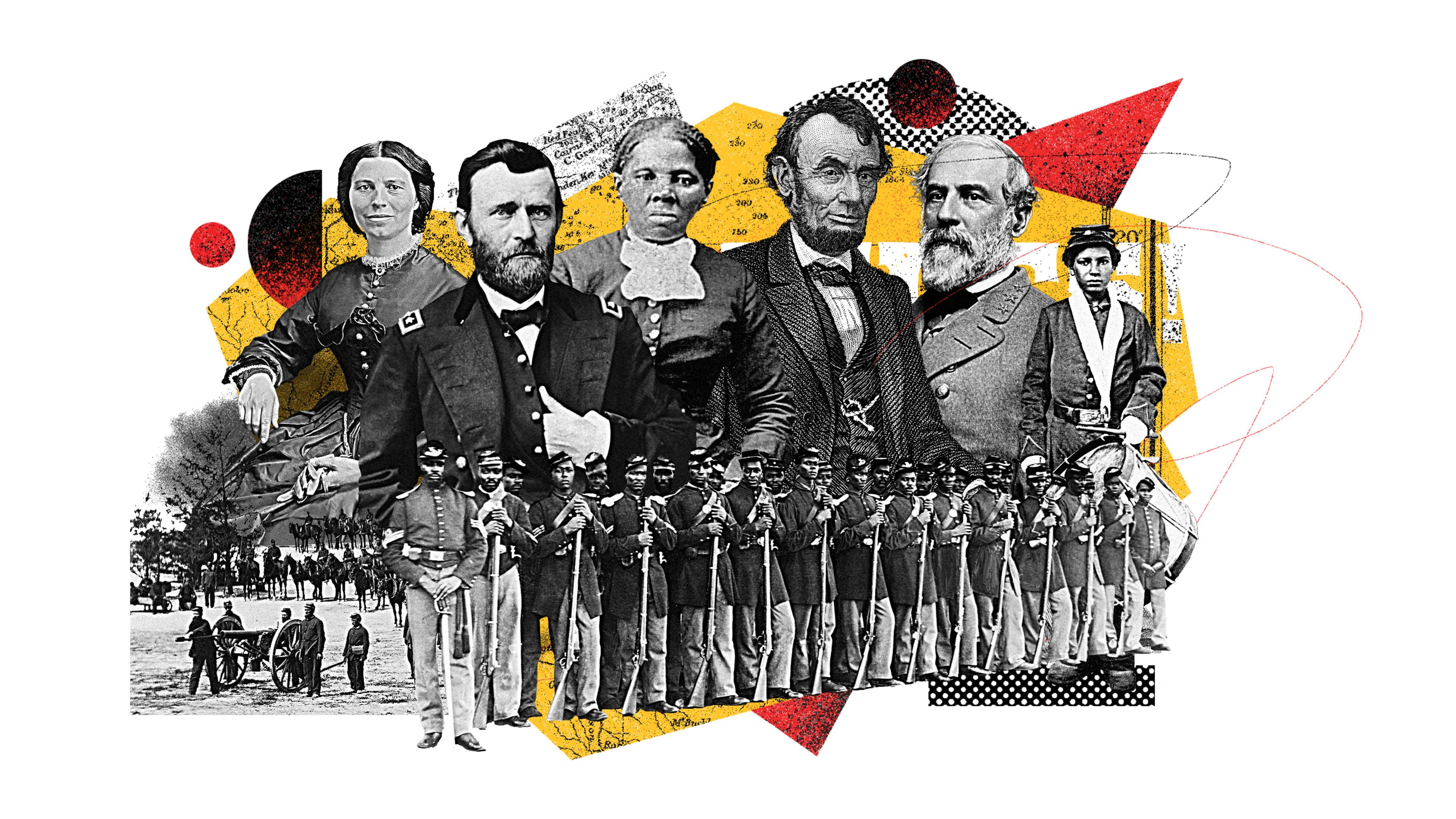
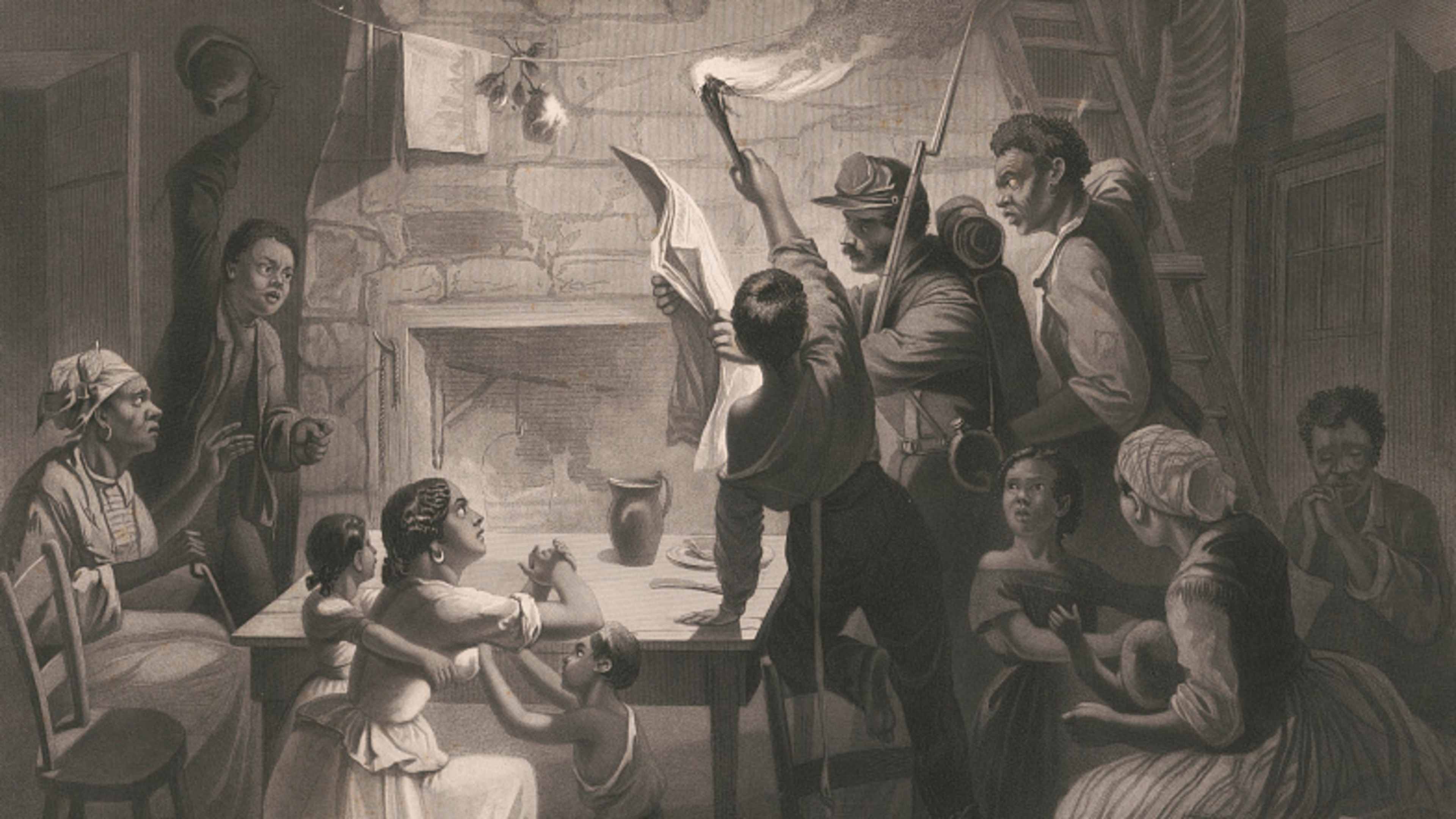
More importantly, the defeat had a profound political impact. Lincoln had already drafted a preliminary version of the Emancipation Proclamation, but his cabinet advised him to wait for a clear Union military victory before making it public, lest it look like a gesture of desperation. The loss at Bull Run delayed this announcement, raising the stakes for the upcoming clash at Antietam. Just as the American Revolution established the nation’s core ideals of liberty, the Civil War was the crucible in which those ideals were finally tested and expanded. Though Black regiments were not yet fully deployed in this battle, the shifting war aims would eventually open the door for Black heroes throughout US military history to take up arms for their own freedom, transforming the Civil War from a war of preservation into a war of liberation.
Surprising and Lesser-Known Facts
- The Great Feast at Manassas: When Jackson’s hungry and exhausted men captured the Union supply depot at Manassas Junction on August 26, they found a literal treasure trove. Soldiers who had been surviving on green corn and apples suddenly found themselves gorging on canned lobsters, oysters, pickled tongues, mustard, oranges, and fine wines.
- Fighting with Stones: During the height of the Union assault on August 30, Louisiana troops under Colonel Leroy Stafford ran out of ammunition along the unfinished railroad. Refusing to yield, they began throwing rocks at the advancing Union troops of the 24th New York, sparking a brief and bizarre melee of stone-throwing.
- The Court-Martial of Fitz John Porter: Following the battle, General Pope sought a scapegoat for his defeat. He targeted Major General Fitz John Porter, accusing him of disobeying orders on August 29. Porter was court-martialed, found guilty, and dismissed from the army, though he was fully exonerated decades later in 1886.
Why the Second Battle of Bull Run Matters Today
Today, the landscape of the Manassas National Battlefield Park serves as a quiet monument to the heavy cost of the war. Understanding the Second Battle of Bull Run helps modern Americans appreciate the complex, non-linear nature of the Civil War. It illustrates how tactical brilliance on the battlefield can shape grand geopolitical strategies, showing that the road to emancipation was paved with moments of profound military defeat. The preservation of this battlefield remains vital for ongoing discussions about national memory, military strategy, and the immense sacrifices required to redefine the United States as a nation dedicated to universal freedom.
People Also Ask
Who won the Second Battle of Bull Run?
The Confederate Army of Northern Virginia, led by General Robert E. Lee, won a decisive victory at the Second Battle of Bull Run, defeating Major General John Pope’s Union Army of Virginia.
What was the difference between the First and Second Battles of Bull Run?
While both battles took place on the same fields near Manassas, Virginia, and resulted in Confederate victories, they differed significantly in scale and strategy. The First Battle of Bull Run (July 1861) was a clash of green, poorly trained armies. The Second Battle of Bull Run (August 1862) was a much larger, multi-day engagement involving veteran forces and highly sophisticated maneuver warfare.
What were the casualties of the Second Battle of Bull Run?
The battle was highly destructive. The Union suffered approximately 14,500 casualties (killed, wounded, captured, or missing), while the Confederates suffered about 9,500 casualties, bringing the total cost of the three-day campaign to over 24,000 men.
Conclusion
The Second Battle of Bull Run remains a striking testament to the unpredictable nature of military conflict. Through a combination of Confederate audacity and Union command failures, the battle temporarily reversed the momentum of the war in the Eastern Theater. Yet, by pushing the Union to its absolute limits, the defeat at Bull Run ultimately accelerated the transformative shift toward total war and the eventual abolition of slavery, cementing its place as a painful but vital chapter in the American story.


