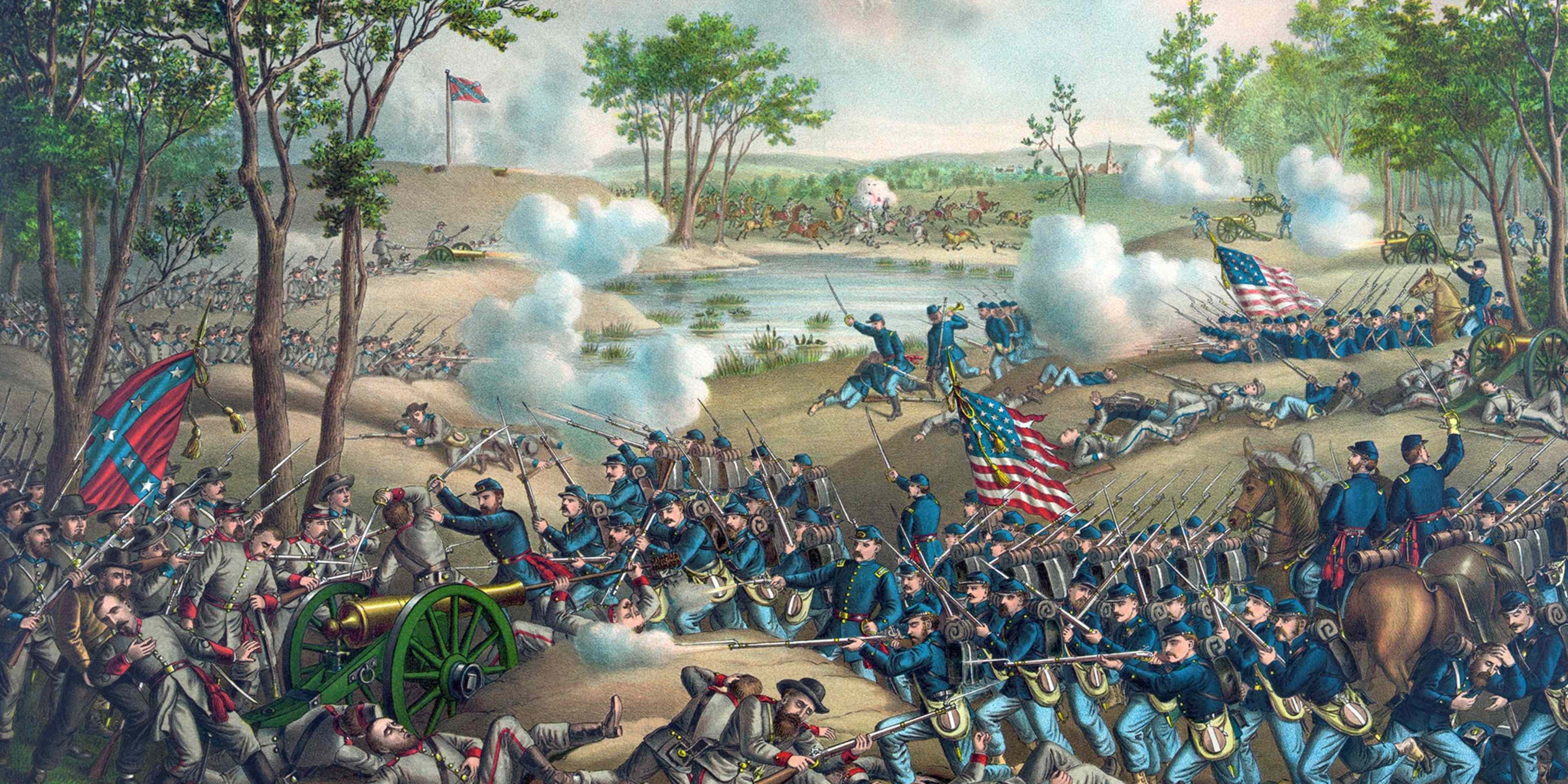
Few landscapes in the American Civil War bore witness to as much concentrated carnage as a sleepy Virginia crossroads known as Cold Harbor. Fought over the same dusty terrain in both 1862 and 1864, the Battles of Cold Harbor served as a grim testament to the evolving brutality of industrial-era warfare. For the Union, this strategic location northeast of Richmond became a symbol of missed opportunities, tactical catastrophes, and devastating loss of life. For the Confederacy, it represented tactical brilliance and a desperate, final series of defensive triumphs that ultimately could not halt the relentless momentum of the Union war machine. Understanding these clashes is essential to grasping the trajectory of the Civil War, the psychological toll on its leaders, and the painful transition from traditional Napoleonic maneuvers to the devastating trench warfare that foreshadowed the modern era.
Historical Background: The Strategic Value of Cold Harbor
Why was a simple tavern crossroads named Cold Harbor—which, despite its name, was miles away from any water harbor—so critical? Located a mere ten miles northeast of the Confederate capital of Richmond, Virginia, this intersection was the gateway to the rebel heartland. Controlling Cold Harbor meant controlling the network of roads leading directly to Richmond’s northern and eastern gates, as well as vital supply lines like the Richmond and York River Railroad.
During the conflict, this ground was contested twice. The first confrontation occurred during Major General George B. McClellan’s ambitious Peninsula Campaign in the summer of 1862. The second, far bloodier encounter occurred in the late spring of 1864, as Lieutenant General Ulysses S. Grant launched his unrelenting Overland Campaign. To understand why these battles are remembered with such distinct historical weight, one must also look at how they are named. Scholars often note why do some Civil War battles have two names, which usually stems from the Union naming battles after nearby bodies of water or geographical features, while the Confederacy named them after the nearest town or settlement. Thus, the 1862 engagement is alternately known as the Battle of Gaines’ Mill or the First Battle of Cold Harbor.
The First Battle of Cold Harbor: Gaines’ Mill (June 27, 1862)
The First Battle of Cold Harbor, or the Battle of Gaines’ Mill, was the third of the Seven Days’ Battles. It represented the dramatic climax of McClellan’s march toward Richmond. On June 27, 1862, Confederate General Robert E. Lee, who had only recently assumed command of the Army of Northern Virginia, went on the offensive.
Lee’s target was Brigadier General Fitz John Porter’s V Corps, which had established a formidable defensive line behind the marshy waters of Boatswain’s Swamp, north of the Chickahominy River. Throughout the blistering day, Porter’s well-fortified Union troops courageously repelled a series of disjointed Confederate frontal assaults. However, Lee refused to relent. By dusk, he had amassed approximately 32,000 soldiers for a massive, coordinated charge. This final surge successfully fractured the Union left flank, forcing Porter’s men to retreat across the Chickahominy under the cover of darkness.
Though Lee won the battle, the human cost was staggering. Out of 34,000 engaged Union troops, there were roughly 6,800 casualties [1]. The Confederates, despite their victory, suffered even worse, with nearly 8,700 casualties out of 57,000 to 65,000 men [1]. Yet, the psychological impact was the true victory for the South; a panicked McClellan abandoned his plans to capture Richmond and withdrew his entire army to the James River [1], prolonging the war by years.
The Second Battle of Cold Harbor (June 1–12, 1864)
Two years later, the armies returned to the same blood-drenched crossroads, but under vastly different strategic circumstances. In May 1864, Ulysses S. Grant initiated his Overland Campaign, a relentless war of attrition designed to grind down Lee’s forces [1]. After bloody stalemates at the Wilderness, Spotsylvania Court House, and North Anna [1], the two massive armies again raced to secure the crossroads of Old Cold Harbor [1].
On May 31, Union cavalry captured the vital intersection. Grant, sensing a golden opportunity to break Lee’s army and end the war before Richmond, ordered a major assault for June 2 [1]. However, logistical delays—specifically the late arrival of Major General Winfield Scott Hancock’s II Corps—forced Grant to postpone the attack until the morning of June 3 [1]. This delay proved fatal.
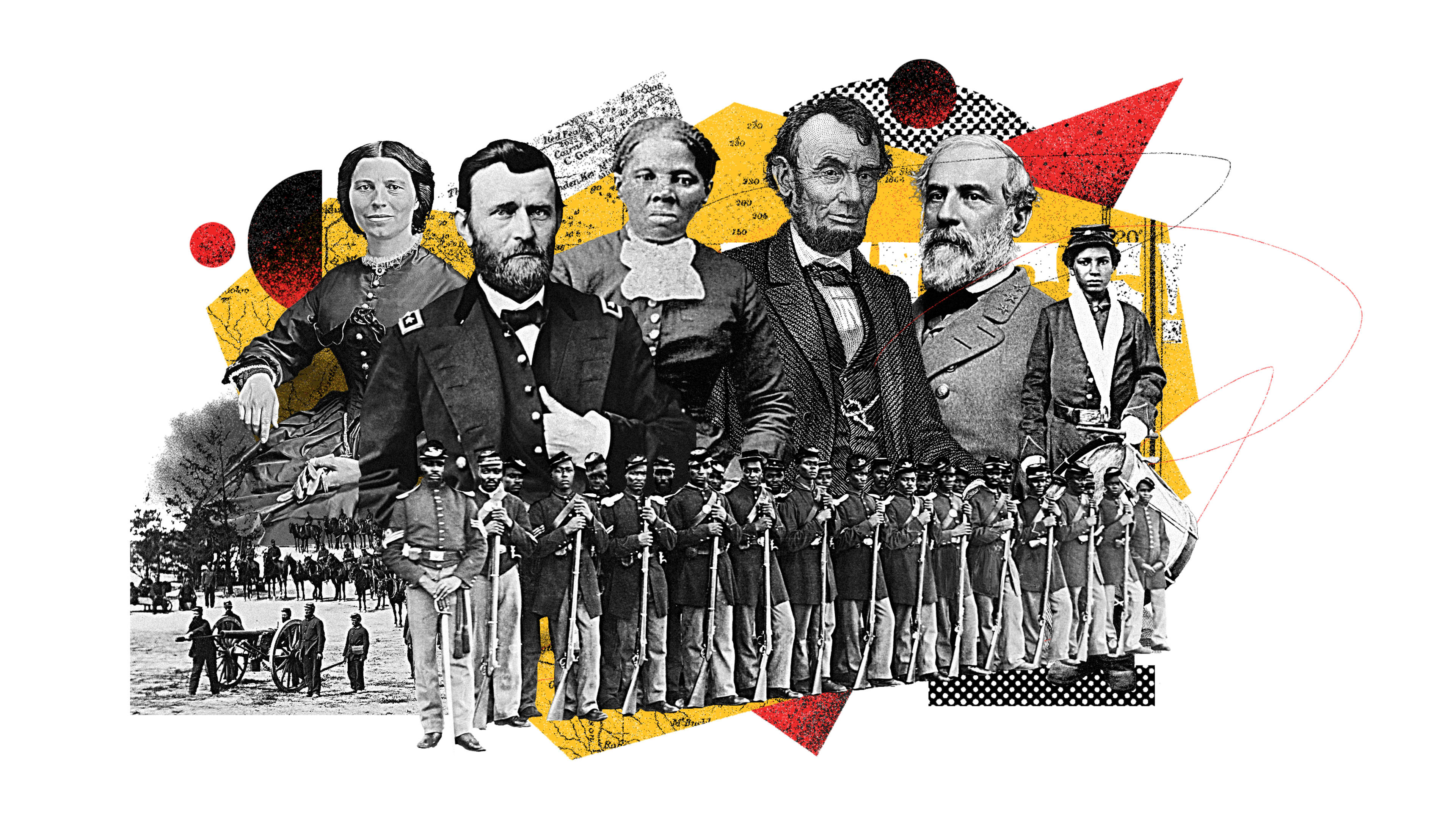
Given nearly thirty-six hours to prepare, Lee’s veteran soldiers constructed an incredibly sophisticated network of zigzagging trenches, reinforced breastworks, and artillery kill zones. When the Union infantry finally charged at 4:30 AM on June 3, they marched directly into a meat grinder [1]. The entrenched Confederates unleashed a devastating storm of musketry and canister fire. Within hours, thousands of Union soldiers fell [1]. Grant later wrote in his memoirs: “I have always regretted that the last assault at Cold Harbor was ever made… no advantage whatever was gained to compensate for the heavy loss we sustained.” [1]
While Grant’s aggressive nature is sometimes criticized, historians recognize his broader genius. Indeed, exploring the reasons Ulysses S. Grant was one of America’s most brilliant military leaders reveals how his persistent strategic pressure, even after tactical disasters like Cold Harbor, eventually broke the back of the Confederacy when previous Union generals had failed.
Chronology of the Cold Harbor Campaigns
- June 27, 1862: The Battle of Gaines’ Mill (First Cold Harbor). Lee secures his first major victory of the war, forcing McClellan to retreat [1].
- May 31, 1864: Union cavalry under Philip Sheridan seizes the strategic crossroads of Old Cold Harbor [1].
- June 1, 1864: Grant orders an initial assault that stabilizes the Union hold on the crossroads but fails to break Lee’s line [1].
- June 2, 1864: The planned Union grand assault is postponed due to the exhausted state of Hancock’s corps, allowing Confederates to dig massive entrenchments [1].
- June 3, 1864 (4:30 AM): The main Union assault begins. It is repelled with catastrophic Union casualties in less than an hour [1].
- June 4–12, 1864: A miserable, ten-day stalemate of trench warfare under intense heat, sniper fire, and decaying bodies.
- June 12, 1864: Grant skillfully slips away across the James River toward Petersburg, bypassing Lee’s defenses to initiate a historic siege [1].
Sociopolitical Context and Diverse Contributions
The military maneuvers of 1864 did not occur in a vacuum. President Abraham Lincoln was facing a highly contentious reelection campaign [1]. The staggering casualties of Grant’s Overland Campaign had shocked the Northern public, earning Grant the unfair moniker of “The Butcher.” Had Grant failed to keep the pressure on Richmond, the war-weary Northern electorate might have chosen George B. McClellan, the Democratic candidate who advocated for a negotiated peace with the Confederacy [1].
Additionally, the composition of both armies was evolving. While the conflict is often viewed through a binary lens, recent scholarship highlights the diverse fabric of the combatants. For instance, researchers have shed light on the overlooked role of Asian soldiers in the Civil War, who fought courageously on both sides of the conflict [1] despite facing intense societal prejudice. Their presence at key battles underscores how the struggle for freedom and national identity involved communities far beyond the traditional narratives.
Lesser-Known Facts and Surprising Anecdotes
The Death Tags of June 3
Aware of the suicidal nature of the upcoming assault on June 3, 1864, many Union soldiers did not expect to survive. In the dark hours before the attack, observers noticed soldiers pinning pieces of paper containing their names and home addresses to the inside of their coats. This early, makeshift precursor to modern dog tags was done so that their lifeless bodies could be identified and their families notified after the battle.
A Searing Truce Amidst the Stench
Following the disastrous June 3 assault, hundreds of wounded Union soldiers lay helpless in the no-man’s-land between the trenches. Because of pride and diplomatic posturing, Grant was reluctant to formally ask Lee for a truce to collect the wounded, as doing so was traditionally seen as admitting defeat. By the time a formal truce was finally negotiated on June 7, almost all of the wounded soldiers had died under the baking southern sun, leaving a horrific stench that plagued both armies.
Why Cold Harbor Still Matters Today
The Battles of Cold Harbor are not merely dusty chapters in a history textbook; they represent a fundamental turning point in the philosophy of warfare. The second battle, in particular, was a harrowing preview of the trench warfare that would define World War I fifty years later. It showed that modern, rifled muskets and rapid-fire artillery had rendered traditional infantry charges obsolete against fortified positions.
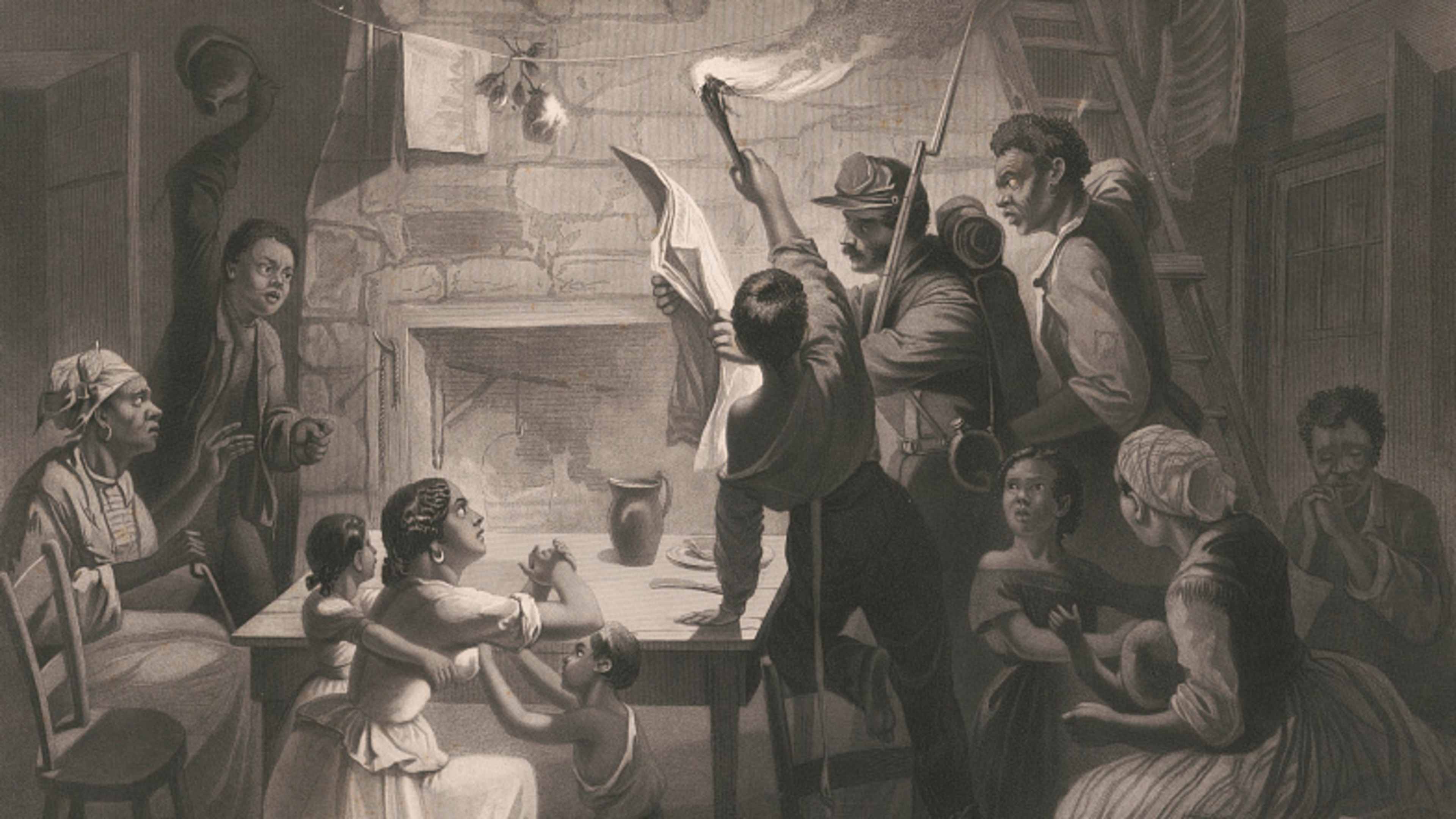
Today, Cold Harbor serves as a somber monument to the cost of national division. It challenges us to reflect on the immense sacrifices made to preserve the Union and destroy the institution of slavery. By studying the tactical missteps, the human suffering, and the strategic endurance demonstrated on these Virginia fields, we gain a deeper appreciation for the fragile nature of democracy and the heavy price of freedom.
People Also Ask (FAQ)
Who won the Battles of Cold Harbor?
Both the First Battle (Gaines’ Mill, 1862) and the Second Battle (1864) were decisive tactical victories for Confederate General Robert E. Lee [1]. However, the 1864 victory was a pyrrhic one, as it failed to halt Ulysses S. Grant’s ultimate strategic advance toward Petersburg and Richmond [1].
How many casualties occurred at the Second Battle of Cold Harbor?
During the Second Battle of Cold Harbor (June 1–12, 1864), the Union suffered approximately 13,000 casualties out of 108,000 troops, while the Confederates suffered roughly 2,500 casualties out of 62,000 troops [1]. Most of the Union casualties occurred during the disastrous assault on the morning of June 3 [1].
Why did Ulysses S. Grant regret the attack at Cold Harbor?
Grant regretted the June 3 assault because it was launched against heavily fortified, entrenched Confederate positions with virtually no chance of success [1]. It resulted in massive Union casualties within a matter of minutes without gaining any tactical advantage [1].
Conclusion
The Battles of Cold Harbor stand as two of the most emotionally charged and tactically instructive engagements of the American Civil War [1]. From the tactical breakthrough of Gaines’ Mill to the horrifying trench slaughter of 1864, these fields illustrated the tragic trajectory of a nation divided. While Robert E. Lee demonstrated masterful defensive tactics [1], Ulysses S. Grant’s relentless strategic vision ultimately bypassed the bloody crossroads to seal the fate of the Confederacy at Petersburg [1]. Today, the quiet fields of Cold Harbor remind us of the high cost of conflict and the resilient spirit of those who fought to forge a more perfect union.


