The aftermath of the American Civil War was not merely a period of physical rebuilding; it was a profound, revolutionary attempt to redefine American democracy. In the years following 1865, as the nation struggled to reintegrate the former Confederate states, formerly enslaved African Americans stepped forward not just as freed individuals, but as legislators, mayors, and national statesmen. This extraordinary chapter of American history, known as the Reconstruction Era, witnessed a remarkable flowering of Black political power that challenged centuries of systemic oppression. At the vanguard of this transformative movement were resilient, educated, and passionate pioneers who sought to shape a more perfect union. Chief among them was Hiram Rhodes Revels, who shattered racial barriers to become the first African American to serve in the United States Senate. By claiming the very legislative seats once held by white supremacists, these pioneers embarked on a courageous fight for civil rights, laying the groundwork for the modern struggle for equality.
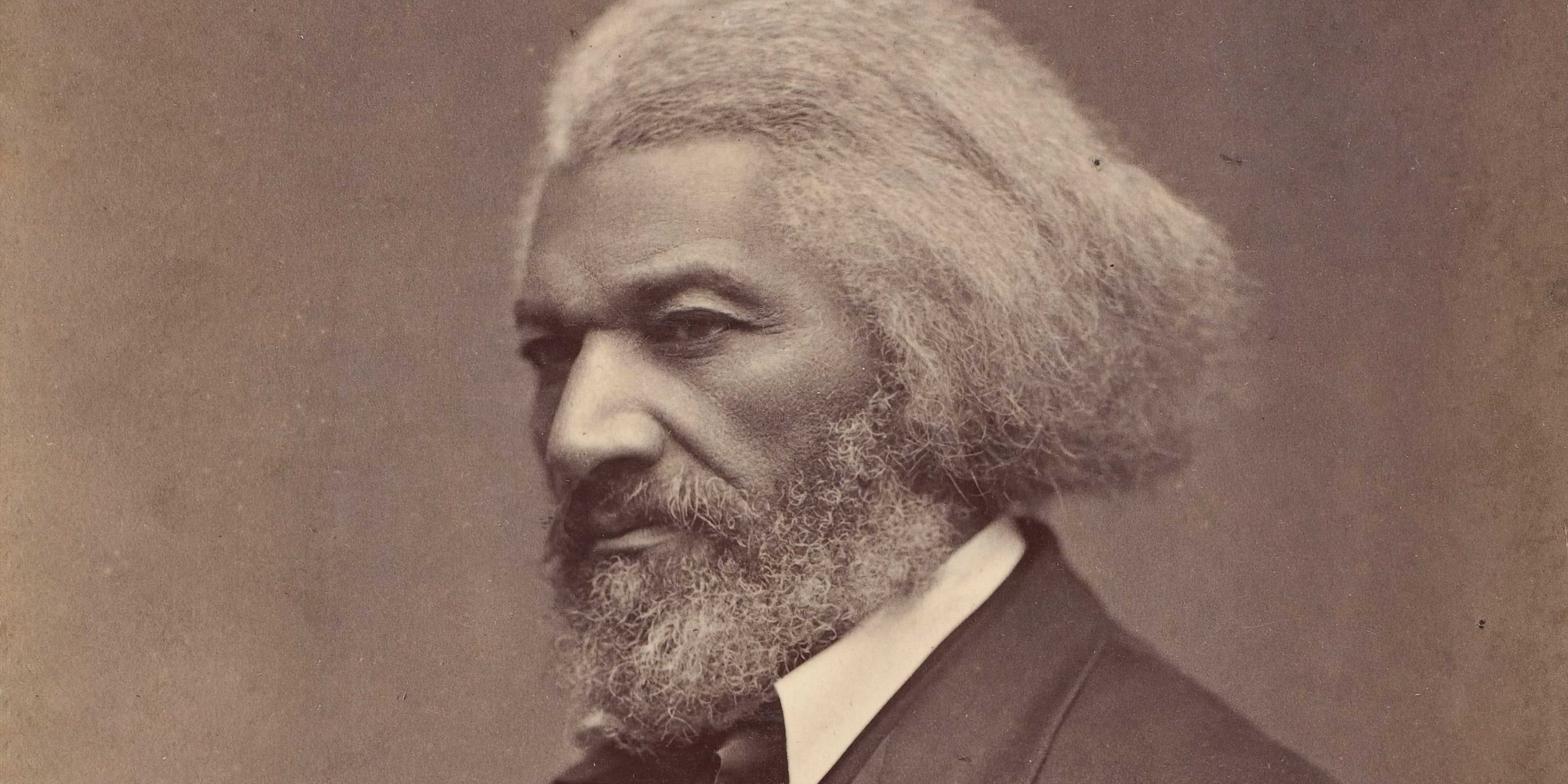
The Crucible of Reconstruction: Historical Background and Context
In the immediate wake of Confederate General Robert E. Lee’s surrender in April 1865, the United States faced an unprecedented political crisis: how to rebuild a shattered South while securing the rights of nearly four million newly emancipated Black citizens. Initially, President Andrew Johnson pursued a highly lenient policy toward the former Confederacy. This hands-off approach allowed Southern state legislatures to enact restrictive laws known as “Black Codes” designed to subjugate freed men and women, limiting their freedom of movement and reducing them to a status of near-slavery.
Outraged by these injustices, Radical Republicans in Congress seized control of the legislative agenda. They implemented the transformative policies of the Reconstruction Acts of 1867, which divided the South into military districts and mandated that new state constitutions grant Black men the right to vote. This legislative pivot initiated the period of Radical Reconstruction (1867–1877), turning the South into a crucible for progressive democratic experimentation and opening the doors for Black leadership.
Chronology of a Revolution: Key Events Timeline
To understand the rapid rise and tragic suppression of Black political agency during this era, it is essential to trace the key legislative and social milestones:
- April 1865: The Union victory ends the Civil War; the long process of rebuilding begins under President Andrew Johnson.
- Late 1865: Southern states pass restrictive Black Codes. In response, Black communities organize Equal Rights Leagues throughout the South to advocate for suffrage and equality before the law.
- 1867: Congress passes the Reconstruction Acts over President Johnson’s veto, launching Radical Reconstruction and registering hundreds of thousands of Black voters.
- 1868: The 14th Amendment is ratified, granting citizenship and equal legal protection to all persons born or naturalized in the United States.
- 1870: The 15th Amendment is ratified, prohibiting voting discrimination based on race, color, or previous condition of servitude. In February of this year, Hiram Revels is sworn in as the first Black U.S. Senator.
- 1875: Blanche K. Bruce is elected to the U.S. Senate. Congress also passes the Civil Rights Act of 1875, outlawing racial discrimination in public accommodations.
- 1877: The Compromise of 1877 results in the withdrawal of federal troops from the South, ending Reconstruction and paving the way for the disenfranchisement of Black voters under Jim Crow laws.
Pioneers of Liberty: Key Figures of the Reconstruction Era
During Reconstruction, approximately 2,000 Black men held public office at local, state, and federal levels. While they never achieved representation fully proportionate to their population, their leadership altered the course of American history. Three men stand out as exemplars of this era’s political courage:
Hiram Rhodes Revels (1827–1901)
Born free in Fayetteville, North Carolina, Hiram Revels was a man of deep faith and intellect. He attended college in Illinois and worked as an African Methodist Episcopal minister in the Midwest during the 1850s. During the Civil War, he assisted in raising two regiments of Black soldiers and served as a chaplain. Revels’ dedication to service made him a natural leader. In 1870, the Mississippi state legislature elected him to fill the U.S. Senate seat vacated by Jefferson Davis, the former President of the Confederacy. In the Senate, Revels was a moderate voice who advocated for education, reconciliation, and the political rights of Black Americans.
Blanche K. Bruce (1841–1898)
Unlike Revels, Blanche K. Bruce was born into slavery in Virginia but managed to obtain an education. After escaping to the North during the Civil War, he established a school for Black children in Missouri. He later moved to Mississippi, where he held various local offices before being elected to the U.S. Senate in 1875. Bruce became the first African American to serve a full six-year term in the Senate, focusing heavily on land reform, the treatment of Native Americans, and shipping improvements along the Mississippi River.
Robert Smalls (1839–1915)
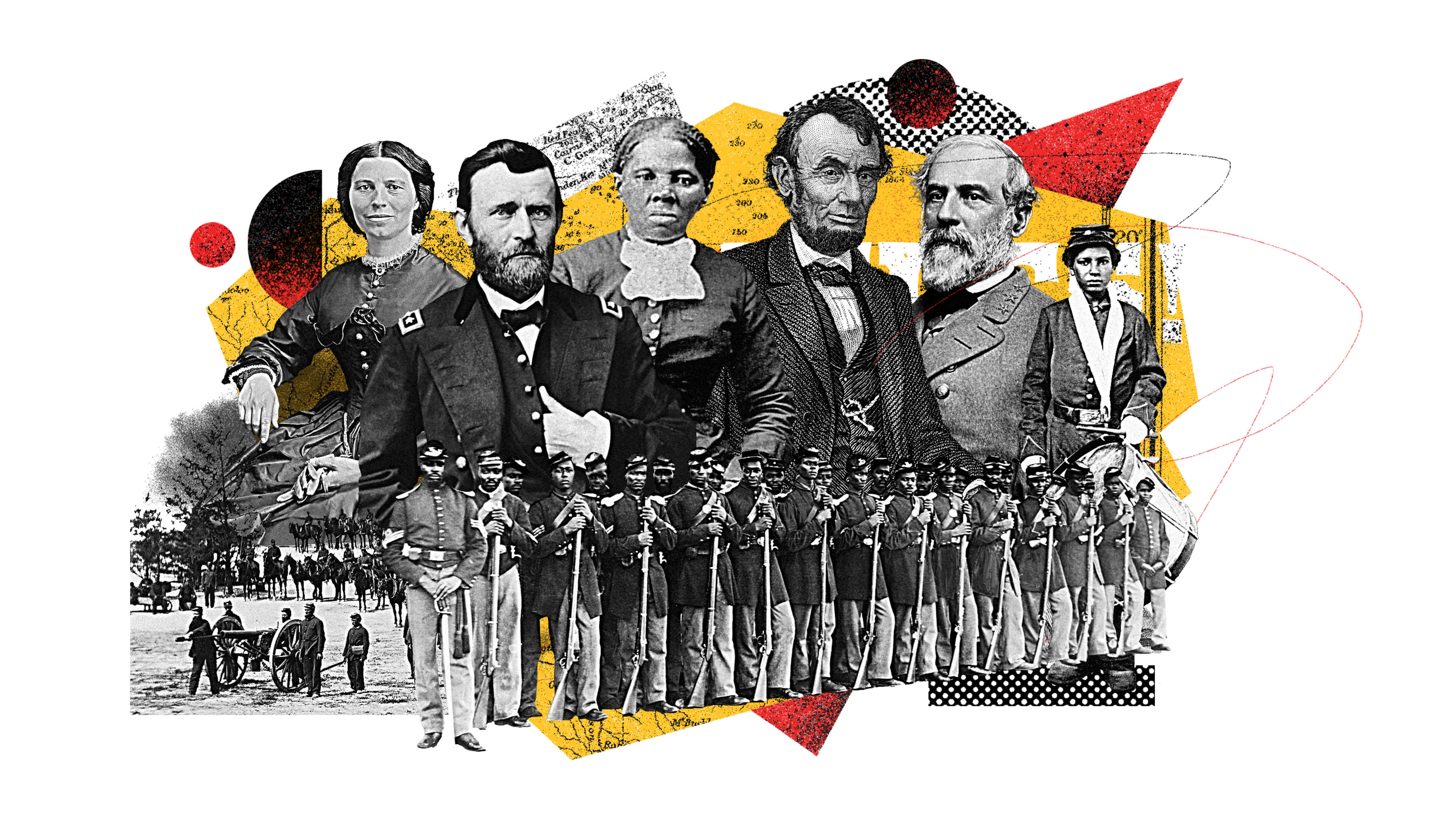
Robert Smalls achieved legendary status during the Civil War when he boldly commandeered a Confederate transport ship, the CSS Planter, and delivered it to the Union Navy, securing freedom for himself and his family. Following the war, Smalls used his political capital to serve five terms in the U.S. House of Representatives representing South Carolina. His leadership and military valor epitomized the bravery of African Americans, a spirit also seen in wartime regiments like the famed 54th Massachusetts Infantry. Smalls went on to help draft South Carolina’s progressive 1868 state constitution, which established the state’s first free public school system.
Major Turning Points and the Rise of Backlash
The zenith of Black political power occurred during the late 1860s and early 1870s. Black citizens made up the vast majority of Republican voters in the South, forming robust coalitions with northern newcomers (carpetbaggers) and southern white Republicans (scalawags). This political mobilization was bolstered by the courageous service of Black soldiers in the military, whose sacrifices earned them the moral authority to demand full citizenship.
However, this rapid rise of Black leaders generated intense, violent hostility from white supremacists who sought to restore the antebellum social order. Paramilitary groups like the Ku Klux Klan (KKK) embarked on a campaign of terror and political assassination. At least 35 Black elected officials were murdered during Reconstruction, and thousands of voters were terrorized at the polls. As northern political will faded and federal troops were withdrawn in 1877, southern white Democrats systematically dismantled Black political representation through poll taxes, literacy tests, and grandfather clauses.
Long-Term Impact on America
Though the Reconstruction experiment was cut short, its constitutional legacy remained indelible. The 13th, 14th, and 15th Amendments—often referred to as the Reconstruction Amendments—fundamentally transformed the U.S. Constitution from a document that protected slavery to one that guaranteed equality under the law. The progressive educational, economic, and civil rights policies championed by Black Reconstruction leaders laid the structural blueprints that activists would successfully build upon during the mid-20th century Civil Rights Movement.
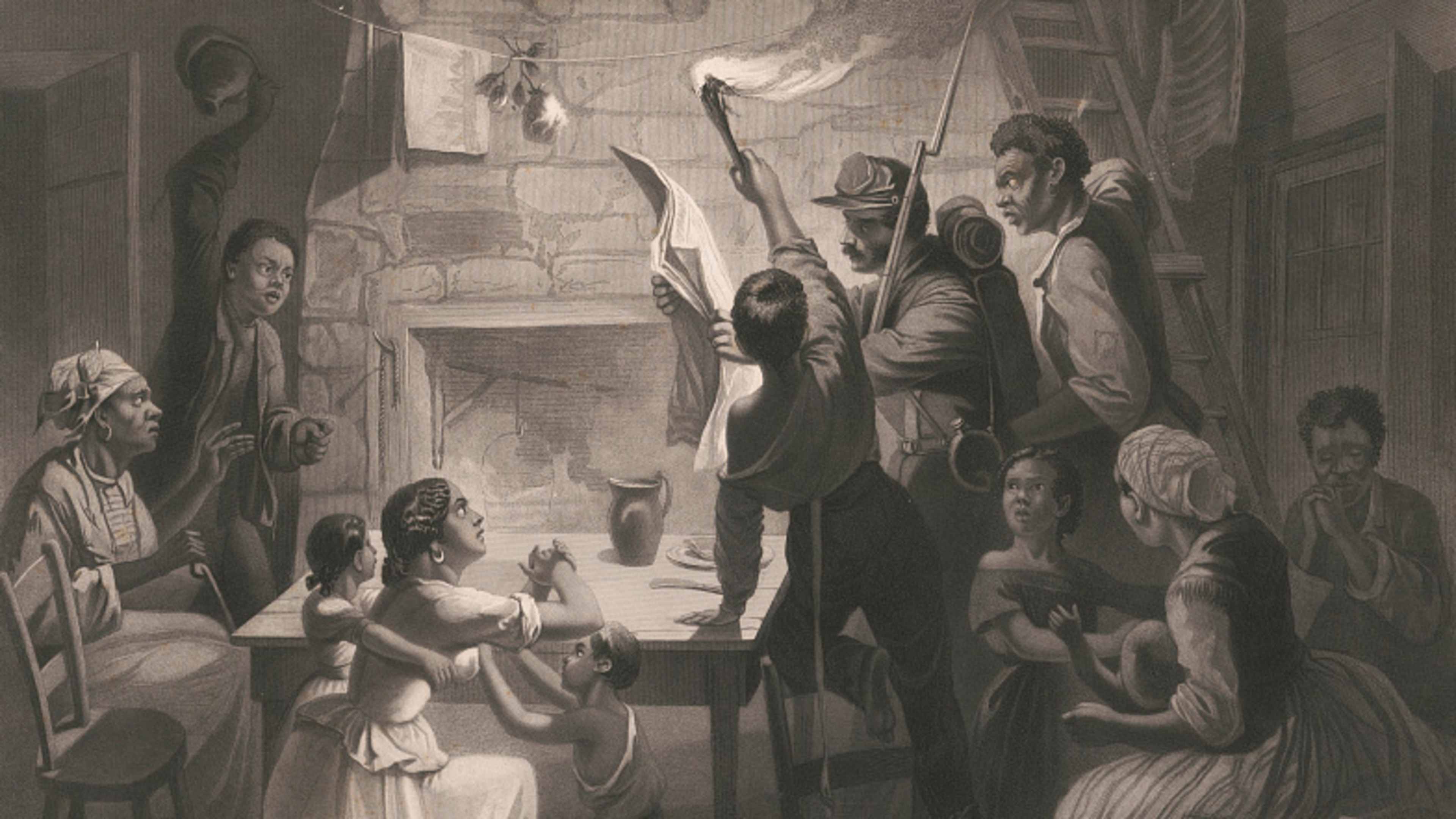
Lesser-Known Facts about Reconstruction’s Black Leaders
- The Supreme Irony of Senate Seating: When Hiram Revels was sworn into the U.S. Senate in 1870, he took the exact seat previously occupied by Jefferson Davis, the man who had left the Senate to lead the pro-slavery Confederate States of America.
- Buying Back His Own Past: After the war, Congressman Robert Smalls returned to his hometown of Beaufort, South Carolina, and purchased the mansion of his former enslaver. He lived in the home for the rest of his life and even took care of his former enslaver’s destitute widow.
- Pre-War Accomplishments: Contrary to the propaganda of the Jim Crow era which depicted Reconstruction leaders as uneducated and unfit for office, many Black leaders were highly literate. Many were skilled artisans, successful business owners, fluent in multiple languages, or ordained ministers.
Why Reconstruction History Matters Today
The history of the Reconstruction Era and its courageous Black leaders remains highly relevant today. It demonstrates both the resilience of American democratic institutions and the fragility of civil rights when they are not actively protected. Modern debates surrounding voting rights, political representation, gerrymandering, and systemic inequality are direct descendants of the battles fought by Hiram Revels, Blanche K. Bruce, and Robert Smalls. Understanding their triumphs and the backlash they faced provides critical context for contemporary discussions on justice, democracy, and equality in America.
People Also Ask
Who was the first Black Senator in U.S. history?
Hiram Rhodes Revels of Mississippi was the first Black Senator in U.S. history. He was sworn into office on February 25, 1870, representing Mississippi during the Reconstruction Era.
What did Black leaders accomplish during Reconstruction?
Black leaders helped draft progressive state constitutions, established the first state-funded public school systems in the South, integrated public transport and accommodations, championed labor rights, and worked to rebuild infrastructure damaged by the Civil War.
Why did Black representation in the South end after Reconstruction?
Black representation ended due to the withdrawal of federal troops in 1877, which allowed white Democrats to retake political control. They utilized systemic terror, violence from groups like the KKK, and voter suppression laws (Jim Crow laws) to disenfranchise Black voters for nearly a century.
Conclusion
The Reconstruction Era was a brief but luminous dawn of equality in American history. The rise of Black leaders like Hiram Revels, Blanche K. Bruce, and Robert Smalls proved that a multiracial democracy was not only possible but capable of passing progressive, forward-thinking legislation. Although their progress was met with a violent backlash that stalled civil rights for decades, their legacy survived. The constitutional amendments they helped shape eventually became the tools used to dismantle Jim Crow, proving that the struggle of these early pioneers was not in vain, but rather the foundation of modern American liberty.


