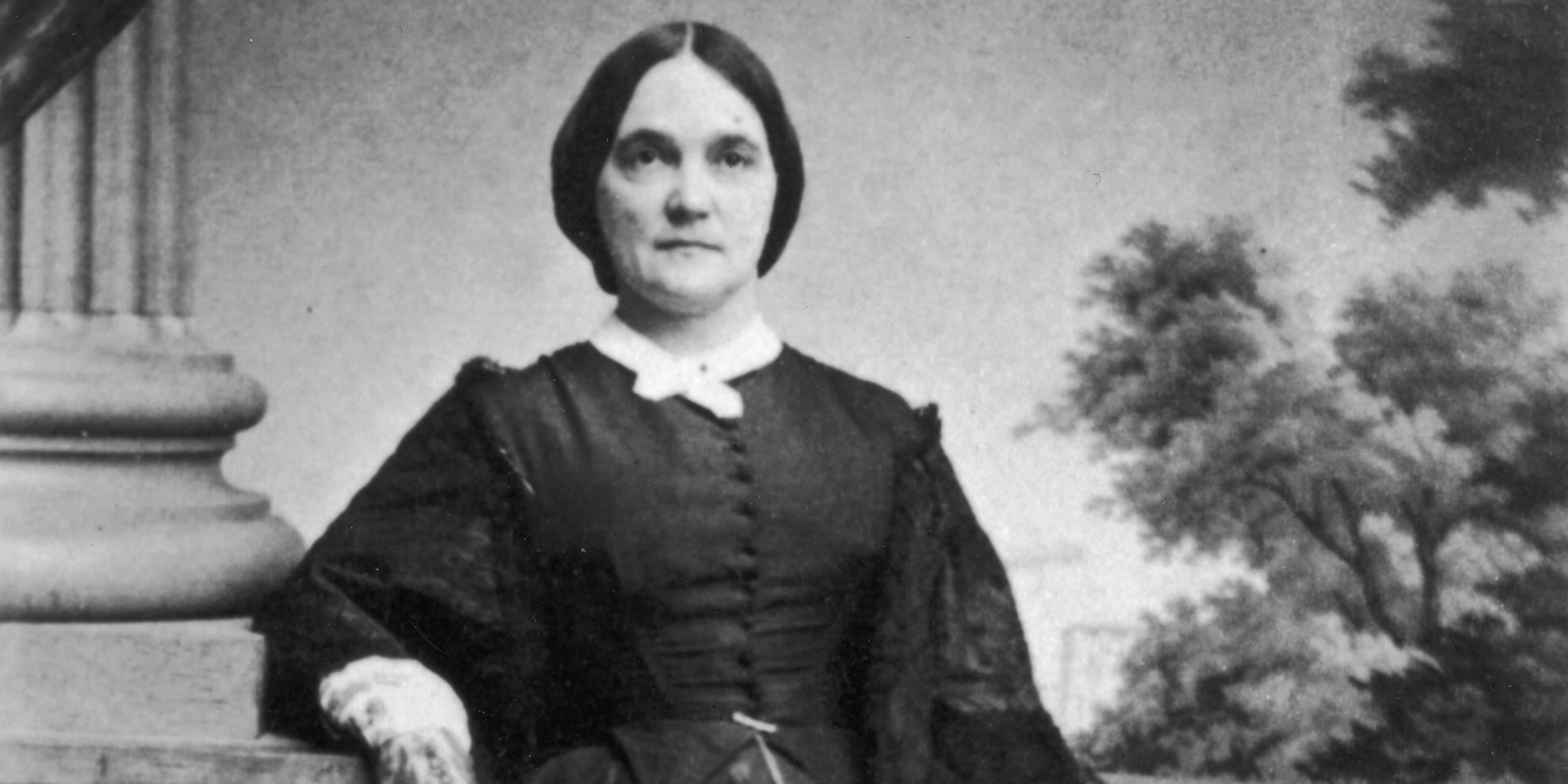
In the vast landscape of American historical literature, few primary sources offer as raw, intimate, and piercingly intelligent an account of the Confederate homefront as the writings of Mary Chesnut. An elite South Carolina woman with unparalleled access to the highest echelons of Southern political and military leadership, she documented the slow, excruciating unraveling of her society from the inside out. Her legendary journal, eventually published as A Diary from Dixie and later restored as Mary Chesnut’s Civil War, transcends simple historical record-keeping. Instead, it serves as a brilliant, literary masterpiece that exposes the profound contradictions, societal anxieties, and human tragedies of a nation at war with itself. By interweaving high-society gossip with the bleak, destructive realities of the battlefield, Chesnut provided modern readers with a front-row seat to the collapse of the Old South, making her one of the most critical and celebrated diarists in the history of the United States.
Historical Background: A Society on the Brink of War
To understand the depth of Mary Chesnut’s writings, one must first understand the volatile era in which she lived. Born Mary Boykin Miller on March 31, 1823, in the High Hills of Santee, South Carolina, she was the daughter of Stephen Decatur Miller, a prominent politician who served as governor of South Carolina and as a United States Senator. Raised within the highly privileged, slaveholding Southern planter society, Mary was educated at prestigious boarding schools in Charleston, where she became fluent in French and German and developed a keen, analytical intellect.
In 1840, at the age of seventeen, she married James Chesnut Jr., a wealthy lawyer and the heir to a massive South Carolina plantation. James Chesnut Jr. rose rapidly through the political ranks, eventually serving as a U.S. Senator from South Carolina. However, the election of Abraham Lincoln in November 1860 triggered an immediate crisis. James Chesnut became the first Southern senator to resign his seat, returning home to help orchestrate South Carolina’s secession from the Union. This political firestorm marked the birth of the Confederacy and plunged the nation into the American Civil War, setting the stage for Mary to begin her historic journal on February 15, 1861.
A Chronological Timeline of Mary Chesnut’s Civil War Journey
The diary kept by Mary Chesnut meticulously tracks the rise and fall of the Confederacy. Here is a chronological breakdown of her experiences during this turbulent period:
- March 31, 1823: Mary Boykin Miller is born in South Carolina, entering a life of extreme privilege in the Southern planter class.
- April 1840: She marries James Chesnut Jr., aligning two of the state’s most powerful political families.
- November 1860: Abraham Lincoln wins the presidential election, prompting James Chesnut’s resignation from the U.S. Senate and South Carolina’s secession.
- February 15, 1861: Mary begins her wartime diary, capturing the political maneuvering in Montgomery, Alabama, the provisional Confederate capital.
- April 12, 1861: From her rooftop in Charleston, Mary witnesses the bombardment of Fort Sumter, the catalyst that officially ignited the American Civil War.
- 1861–1865: Mary travels extensively between Richmond, Columbia, and her family’s Mulberry plantation, serving as a high-society hostess and recording private conversations with key Confederate generals and politicians.
- April 1865: General Robert E. Lee surrenders, Columbia is burned, and the Confederacy collapses. Mary flees in advance of Union forces, documenting the sheer panic and ruin around her.
- August 2, 1865: Mary pens her final wartime diary entry, marking the official end of her initial journal.
- 1870s–1880s: Despite crushing post-war poverty, Mary works tirelessly to revise, expand, and structure her diaries into a literary format in anticipation of publication.
- November 22, 1886: Mary Chesnut dies of a heart condition in Camden, South Carolina, without ever seeing her work published.
- 1905: Her heavily abridged diary is posthumously published as A Diary from Dixie, instantly captivating historians and the public.
- 1981: Renowned historian C. Vann Woodward publishes the fully annotated and restored edition, Mary Chesnut’s Civil War, which wins the Pulitzer Prize in U.S. history the following year.
The Key Players in Mary Chesnut’s Narrative
Mary Chesnut’s social standing allowed her to interact with the most influential figures of the Confederacy. Within her writings, several key players emerge, each performing a vital role in both her personal life and the broader geopolitical conflict:
- Mary Boykin Chesnut: The author herself. Intellectually superior, highly observant, and deeply conflicted, Mary was a product of the slaveholding South who nevertheless expressed private, intense disdain for the institution of slavery and the patriarchal constraints placed on women of her class.
- James Chesnut Jr.: Her husband. As a brigadier general in the Confederate Army and a key personal aide to Confederate President Jefferson Davis, his prominent positions granted Mary access to secret military planning and elite governmental circles.
- Jefferson and Varina Davis: The President and First Lady of the Confederate States. Mary was a close, personal confidante of Varina Davis, which allowed her to document the severe mental, emotional, and political strain experienced by the Confederate executive family.
- C. Vann Woodward: The prominent American historian who reconstructed her extensive notes, restoring her raw, unvarnished voice and highlighting the diary’s immense historical value. His efforts earned the 1982 Pulitzer Prize, elevating her work to the peak of academic recognition.
Causes and Context: The Fractured World of Southern Planter Society
The core catalyst for the American Civil War was the deep, irreconcilable division over the expansion and preservation of chattel slavery. While the Confederacy fought to sustain a system of racial subjugation, Mary Chesnut’s diary reveals a highly complex and fractured internal reality. She lived in a world where the wealth, political influence, and daily luxury of the planter class were funded entirely by the labor of enslaved people. Yet, her private writings contain sharp, biting critiques of the plantation system, which she famously called a “monstrous” institution and a curse to both Black and white households.
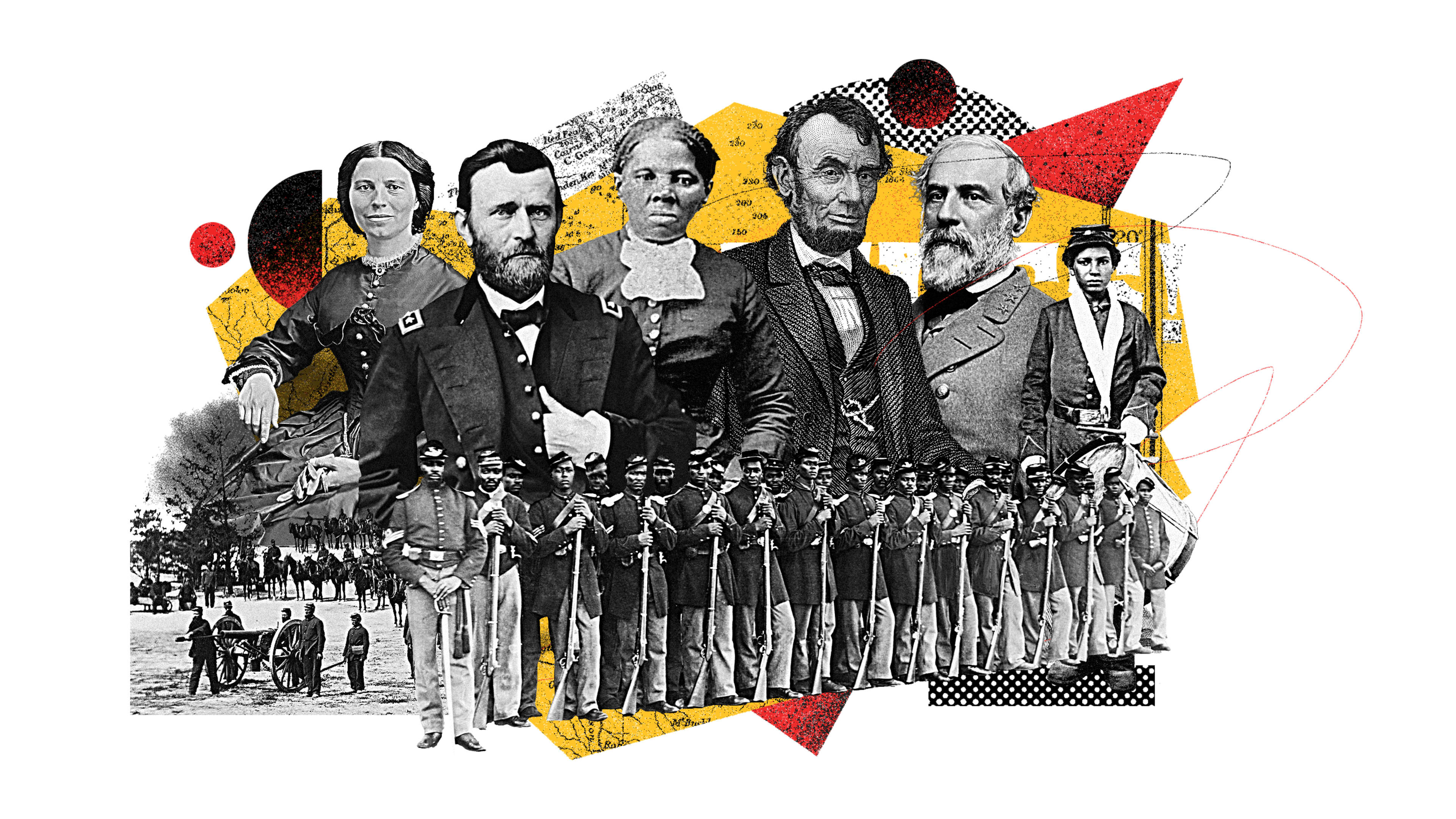
She was particularly vocal about the hypocrisy of Southern men who fathered children with enslaved women, noting the pain and humiliation this inflicted upon Southern wives. However, despite these progressive critiques, Mary never actively opposed the Southern war effort. Her loyalty lay with her family, her state, and her class, creating a fascinating, deeply human paradox that historians continue to study today. While Chesnut’s diary mostly captured the domestic perspective of elite white planters, the broader war effort was heavily reshaped by the contributions of Black heroes throughout US military history, who fought for true, uncompromised freedom.
Major Turning Points Recorded in the Diary
As a witness to history, Mary Chesnut documented several crucial turning points that shaped the course of the war. Her most famous entry occurs on April 12, 1861, during the bombardment of Fort Sumter. Her prose captures the agonizing suspense of that morning, noting the chime of St. Michael’s bells in Charleston before the heavy booming of the first cannon shook the city, forcing her to her knees in desperate prayer. This event signaled the definitive end of any hope for peaceful reconciliation.
Another major turning point detailed in her journal is the siege and eventual fall of Richmond, Virginia. At the start of the conflict, her entries are filled with high-spirited Southern triumphalism, fancy dinner parties, and optimistic declarations. However, as the war dragged on, her tone shifted dramatically. She captured the mounting grief as close friends and prominent generals fell in battle, the devastating inflation that made basic food items unaffordable, and the rising internal division. Her chronicle of Southern homefront fatigue echoes similar domestic divisions found throughout the legacy of American anti-war movements. Finally, her post-war entries from 1865 describe the complete social and economic collapse of South Carolina, portraying a defeated people coming to terms with the total destruction of their way of life.
Long-Term Impact on America and the Literary Landscape
The long-term impact of Mary Chesnut’s writings on American historiography cannot be overstated. Unlike traditional military histories that focus strictly on troop movements and political decrees, Chesnut’s diary provided an indispensable social history of the Civil War. It dismantled the simplistic, romanticized myth of the “Lost Cause” by showing that the Confederacy was not a monolithic, unified front, but rather a chaotic, anxious, and deeply divided society plagued by infighting, fear, and administrative failure.
Renowned literary critics, including Edmund Wilson, have praised her work as a literary masterpiece, comparing her narrative style to the great Victorian novelists of her era. In modern popular culture, her vivid accounts have introduced millions of Americans to the human side of the Civil War. Her words served as a primary narrative anchor in filmmaker Ken Burns’ landmark PBS documentary series, The Civil War, where her journal entries were brought to life for a new generation of viewers, cementing her status as the preeminent writer of the Confederacy.
Fascinating Lesser-Known Facts About Mary Chesnut
- She Attempted to Become a Novelist: Following the war, the Chesnut family lost their fortune, their plantation was in ruins, and they were saddled with massive debts. In an effort to generate income, Mary wrote several novels, including Manassas and The Captain and the Colonel, though she was never able to get them published during her lifetime.
- Her First Published Edition Was Heavily Censored: When A Diary from Dixie was first published in 1905, her editors removed many of her most controversial, cynical, and progressive opinions regarding Southern men, the realities of plantation life, and her critiques of the patriarchal structure. It was not until C. Vann Woodward’s restored edition in 1981 that her true, unvarnished voice was fully revealed.
- She Kept Her Journals Hidden in Secret Containers: During the chaotic final months of the war, as Union forces advanced through the South, Mary was terrified that her diaries would be confiscated or destroyed. She frequently hid her notebooks in specially designed travel trunks and secret compartments to ensure they survived the conflict. During an era when handwritten journals and letters were the primary means of communication, understanding how the US mail was delivered shows how vital written documentation was to families on both sides of the conflict who were desperate for news of their loved ones.
Why Mary Chesnut’s Diary Still Matters Today
Today, Mary Chesnut’s diary remains a vital touchstone for modern discussions surrounding race, gender, and memory in America. Her writings challenge us to confront the moral complexities of the past. She was a woman of extraordinary intellect who recognized the cruelty of slavery, yet she remained bound to and supported a system that actively perpetuated it. Her work forces modern readers to move away from historical caricatures and instead engage with the uncomfortable, complicated realities of human behavior during times of extreme crisis. Furthermore, her diary stands as a powerful monument to female agency, proving that women’s private domestic observations are just as critical to understanding history as the public declarations of generals and politicians.
People Also Ask (FAQ)
What is Mary Chesnut most famous for?
Mary Chesnut is most famous for her extraordinarily detailed and perceptive diary written during the American Civil War. Her journal, published posthumously, offers an unparalleled firsthand account of elite Southern society, political leadership, and the devastating social collapse of the Confederacy.
Did Mary Chesnut support slavery?
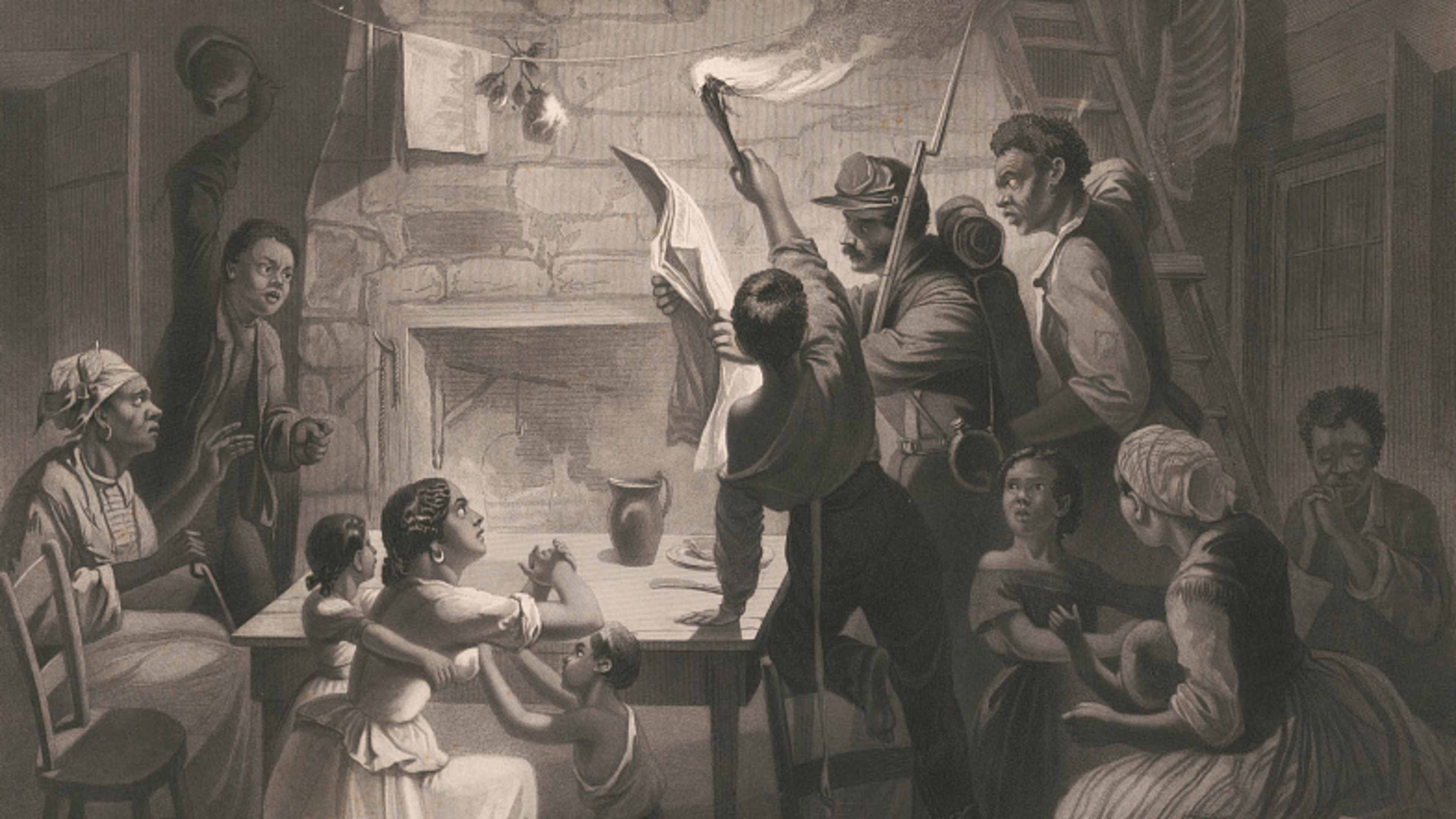
Mary Chesnut’s relationship with slavery was highly complex and paradoxical. In her private diary, she criticized the institution of slavery, calling it a curse and condemning the sexual exploitation of enslaved women by white owners. However, she was financially dependent on slave labor, lived a life of luxury supported by it, and ultimately supported South Carolina’s secession and the Confederate war effort.
What is the difference between “A Diary from Dixie” and “Mary Chesnut’s Civil War”?
A Diary from Dixie, published in 1905, was a heavily edited and abridged version of her writings that removed many of her controversial and critical opinions. Mary Chesnut’s Civil War, edited by C. Vann Woodward and published in 1981, is the fully restored, annotated edition that closely matches her original manuscript. This version won the 1982 Pulitzer Prize for History.
Did Mary Chesnut have children?
No, Mary Chesnut and her husband James Chesnut Jr. did not have any children. Because of this, she left her valuable wartime manuscripts to her closest friend, Isabella D. Martin, who preserved them and worked to ensure their posthumous publication.
Conclusion
Ultimately, Mary Chesnut’s life and writings provide a mesmerizing window into a world torn apart by war, ideology, and social upheaval. Her sharp intellect, literary flair, and unique social positioning allowed her to capture the tragedy of the American Civil War with a depth and honesty that few other historical figures could match. By preserving the voices, fears, and daily struggles of those who lived through the conflict, she left behind an enduring literary legacy that continues to educate, challenge, and captivate readers over a century after her death. Her diary remains not just a history of the South, but an essential chapter in the broader story of the American experience.


