The Petersburg Campaign (June 1864 – April 1865) represents the brutal, agonizing climax of the American Civil War. Spanning nine grueling months, this protracted military operation in southern Virginia pitted Union Lieutenant General Ulysses S. Grant against Confederate General Robert E. Lee in a relentless war of attrition. Known colloquially as the Siege of Petersburg, this campaign completely redefined the nature of American conflict, introducing complex trench systems that eerily foreshadowed the horrors of the Western Front in World War I. For the Union, capturing Petersburg was not merely a territorial objective; it was the ultimate strategic move to choke off Richmond, the heavily fortified capital of the Confederate States of America. As both armies dug in along a front that eventually spanned nearly forty miles, the campaign became a desperate struggle of logistics, human endurance, and military innovation. Understanding this historic siege is critical to grasping how the Union finally shattered the Army of Northern Virginia, leading directly to the surrender at Appomattox Court House and the subsequent reunification of the United States.
Historical Background: The Strategic Gateway to Richmond
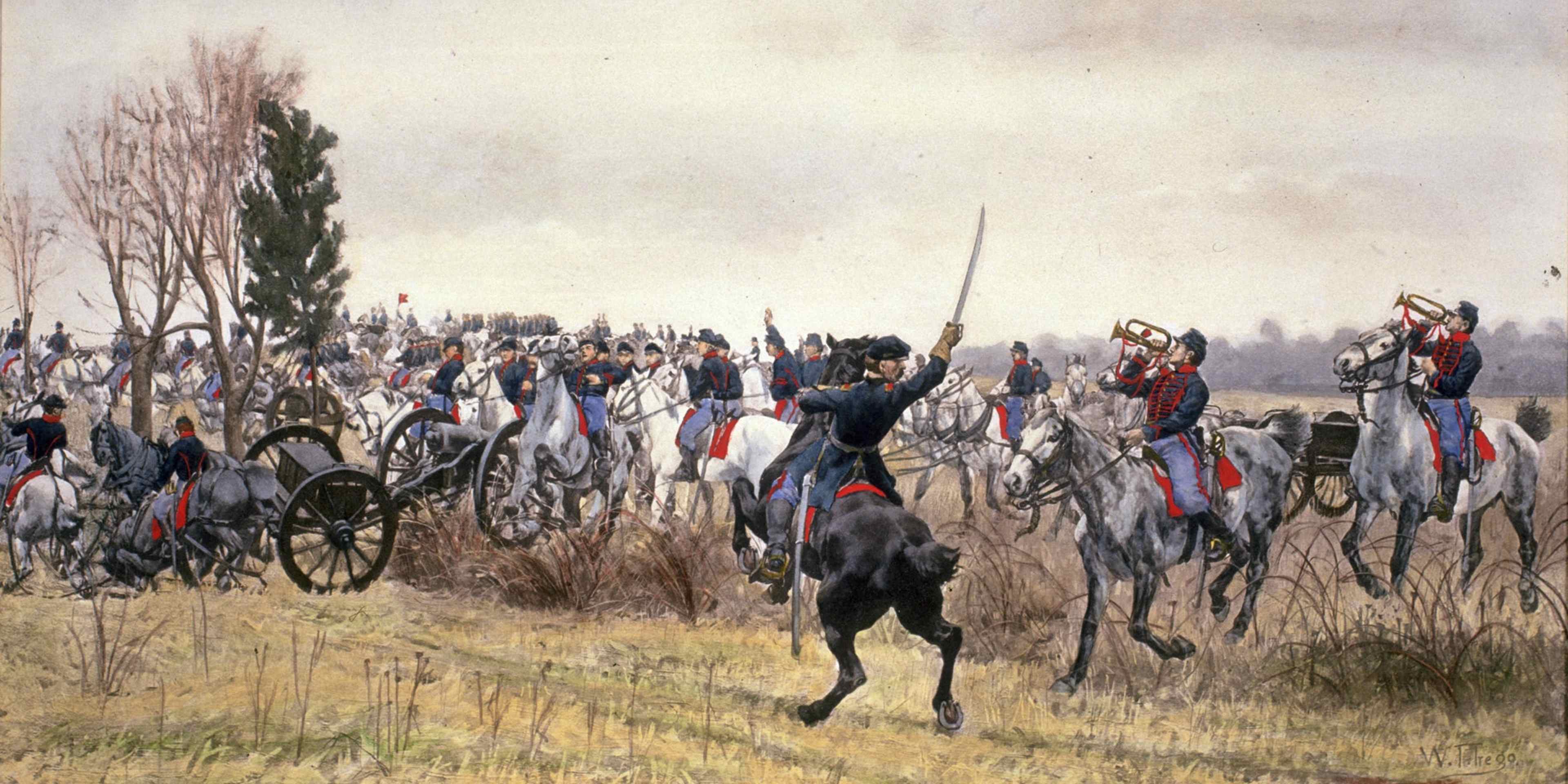
By the summer of 1864, the American Civil War had reached a bloody, exhausting stalemate. Lieutenant General Ulysses S. Grant, newly appointed to command all Union armies, launched the Overland Campaign in May 1864. This series of fierce, continuous battles—including the Wilderness, Spotsylvania Court House, and Cold Harbor—inflicted massive casualties on both sides but failed to yield a decisive Union victory. Recognizing the futility of further frontal assaults on the formidable defenses of Richmond, Grant executed a brilliant tactical pivot. He quietly slipped his massive army across the James River, aiming directly for Petersburg, a prosperous city located twenty-three miles south of the Confederate capital.
Petersburg was the logistical heart of the Upper South. Five major railroad lines converged in the city, carrying vital supplies, food, and reinforcements from the deep South directly to Lee’s army and the citizens of Richmond. Grant understood that if Petersburg fell, Richmond would quickly starve and collapse. This aggressive strategy was heavily supported by the steadfast partnership between Lincoln and Grant, which prioritized relentless pressure on all fronts over flashy, single-day victories.
The Timeline of the Siege: Nine Months of Grinding Conflict
The campaign unfolded in several distinct phases, shifting from rapid maneuver to stagnant siege, and finally to a dramatic breakout. Below is a chronological breakdown of the pivotal moments:
- June 15–18, 1864: The Opening Assaults – Union forces under General William F. Smith attacked the outer defenses of Petersburg, which were held by a meager force of old men, boys, and convalescent soldiers commanded by General P.G.T. Beauregard. Despite their overwhelming numbers, Union hesitation allowed Beauregard’s defenders to hold the line until Robert E. Lee’s reinforcements arrived, forcing Grant to prepare for a long siege.
- July 30, 1864: The Battle of the Crater – In a desperate attempt to break the stalemate, Union coal miners from Pennsylvania excavated a 511-foot tunnel under the Confederate lines and detonated four tons of gunpowder. The resulting explosion created a massive crater, but a poorly coordinated Union assault led to a disastrous bottleneck, turning the crater into a slaughter pen for Union troops.
- August 18–21, 1864: Battle of Globe Tavern – Grant launched a series of flanking maneuvers to cut the Weldon Railroad, one of Petersburg’s vital supply lines. Despite fierce Confederate counterattacks, the Union successfully severed this key railroad, forcing the Confederates to haul supplies via wagons from miles away.
- March 25, 1865: The Battle of Fort Stedman – Realizing his army was slowly suffocating, General Lee launched a desperate pre-dawn assault on the Union stronghold of Fort Stedman. Though initially successful, the attack was quickly crushed by Union artillery and counter-assaults, marking Lee’s final offensive action of the campaign.
- April 1, 1865: The Battle of Five Forks – Union Major General Philip Sheridan defeated Confederate forces under George Pickett, seizing control of the vital Southside Railroad. This victory effectively cut Lee’s last remaining supply line and left his right flank completely exposed.
- April 2, 1865: The Breakthrough and Evacuation – Grant ordered a massive assault along the entire Confederate line. The Union broke through, prompting Lee to evacuate both Petersburg and Richmond. One week later, on April 9, 1865, Lee surrendered at Appomattoms Court House.
Key Figures and Their Lasting Impact
The Petersburg Campaign featured a cast of legendary military and political leaders whose decisions shaped the future of the nation:
- Ulysses S. Grant: Demonstrating the tenacity that defined Ulysses S. Grant’s military leadership, the Union General-in-Chief refused to retreat after initial setbacks. He utilized his superior manpower, resources, and naval dominance to systematically squeeze the life out of the Confederate defense.
- Robert E. Lee: The revered commander of the Army of Northern Virginia displayed remarkable defensive genius, holding off an army nearly twice his size for nine months. However, the lack of reinforcements and dwindling supplies eventually rendered his position untenable.
- P.G.T. Beauregard: Often overlooked, Beauregard’s desperate, brilliant defense of Petersburg in mid-June 1864 with only a fraction of Lee’s army prevented an early Union victory and prolonged the war by nearly a year.
- Abraham Lincoln: The President spent substantial time at Grant’s headquarters at City Point during the final weeks of the campaign, offering moral support, meeting with his top generals, and preparing the nation for the difficult work of Reconstruction.
The Brutal Reality of Trench Warfare
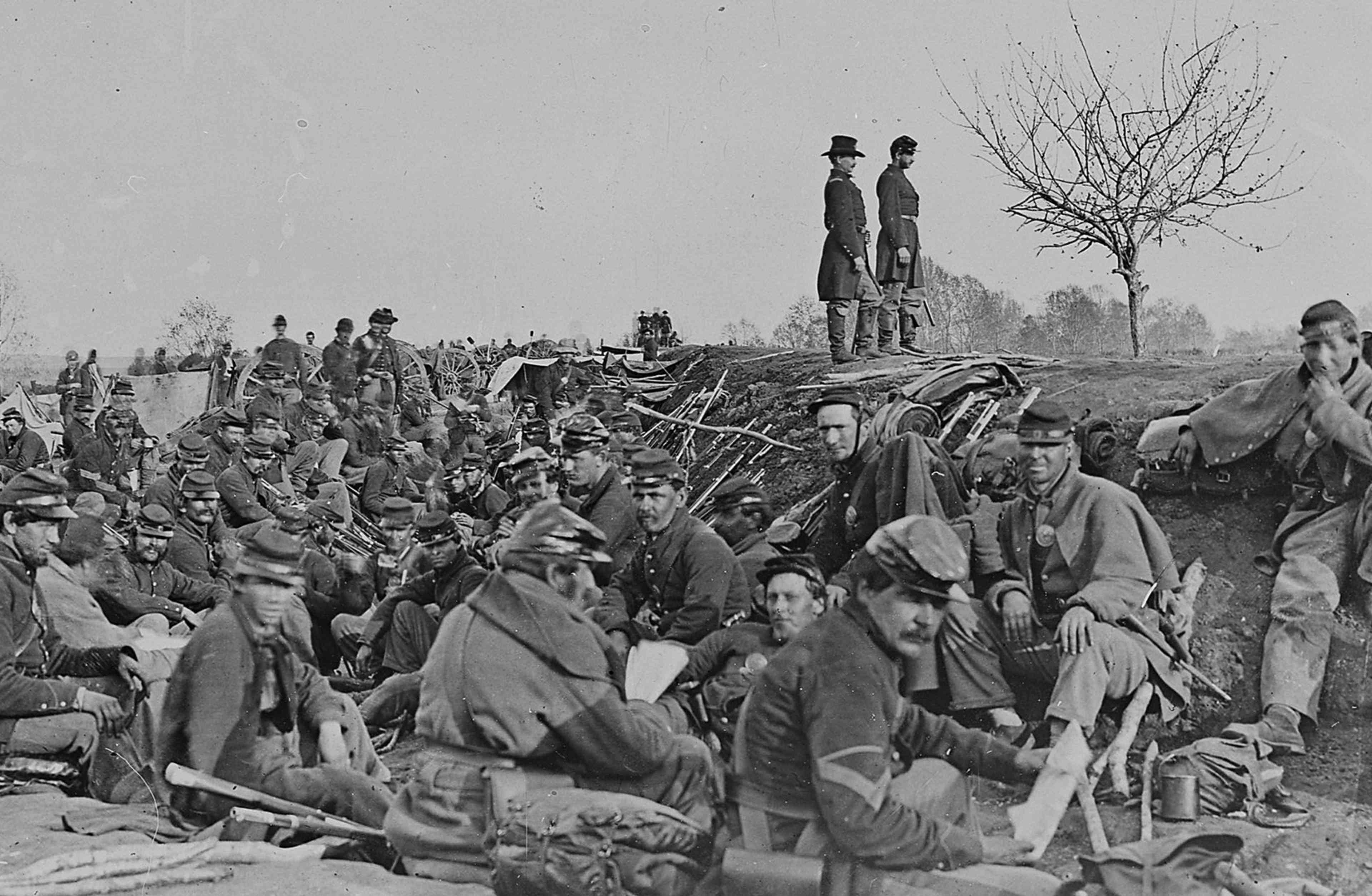
Long before the mud and barbed wire of the Western Front in World War I, the soldiers at Petersburg experienced the grim reality of trench warfare. The defensive fortifications, initially designed in 1862 by Confederate engineer Charles Dimmock, grew into a complex labyrinth of earthworks, bombproof shelters, redoubts, and rifle pits stretching for almost forty miles. For nine months, soldiers on both sides lived in squalor, exposed to the blistering summer heat, freezing winter snows, disease, and constant sniper fire.
The trenches were also a crucible for diverse forces. Among the combatants was the overlooked role of Asian soldiers in the Civil War, who, alongside thousands of United States Colored Troops (USCT), faced both the enemy and intense societal prejudice. These diverse regiments fought with immense valor, particularly during the Battle of the Crater and the subsequent assaults that ultimately broke the Confederate lines.
Long-Term Impact on America
The fall of Petersburg and the subsequent capture of Richmond directly catalyzed the end of the Civil War, leading to deep structural, constitutional, and societal transformations. First, it cemented the preservation of the Union and catalyzed the ratification of the Thirteenth, Fourteenth, and Fifteenth Amendments, permanently abolishing slavery and redefining American citizenship. Second, the heavy reliance on railroads, telegraphs, and mass-produced logistics during the siege accelerated America’s transition into an industrial superpower. Finally, the sheer scale of casualties forced the nation to confront unprecedented grief, fundamentally altering how Americans processed death and leading to the creation of the national cemetery system.
Lesser-Known Facts and Historical Anecdotes
- The Subterranean Coal Miners: The plan to blow up the Confederate lines at the Battle of the Crater was conceived not by high-ranking generals, but by Lieutenant Colonel Henry Pleasants, a mining engineer, and his regiment of coal miners from Pennsylvania (the 48th Pennsylvania Infantry). They dug the entire 511-foot tunnel using improvised tools and cracker boxes to carry out the dirt.
- The Floating City of City Point: During the siege, Grant’s headquarters at City Point, Virginia, transformed from a sleepy hamlet into one of the busiest ports in the world. It featured a massive wharf, a custom-built military railroad, and a telegraph station that allowed Lincoln and Grant to coordinate military actions across the continent instantaneously.
- The Desperate Diet: By the winter of 1865, the Confederate supply line was so severely disrupted that starving Southern soldiers resorted to eating “cush”—a mixture of dried beef, bacon grease, and cornmeal fried into a paste—while Union soldiers enjoyed relatively abundant rations supplied by their efficient logistics network.
Why the Petersburg Campaign Matters Today
The Petersburg Campaign remains a profound subject of study for military historians and modern strategists alike. It represents the transition from classic Napoleonic maneuvers of the early 19th century to modern, industrialized total war. The lessons learned in the trenches of Virginia directly influenced military doctrines worldwide ahead of the 20th century’s global conflicts. Furthermore, the battlefields of Petersburg serve as a solemn memorial to the high cost of division and the enduring struggle for human rights and national unity.
People Also Ask (FAQs)
Why was Petersburg so important in the Civil War?
Petersburg was the crucial transportation and supply hub for Richmond, the Confederate capital. Five major railroads passed through the city, supplying Robert E. Lee’s Army of Northern Virginia. Capturing Petersburg effectively cut off Richmond’s supply lines, forcing the Confederate government to flee and Lee to surrender.
How long did the Siege of Petersburg last?
The Petersburg Campaign lasted for nine and a half months, from June 15, 1864, to April 2, 1865. It was the longest continuous military campaign of the American Civil War.
What was the Battle of the Crater?
The Battle of the Crater (July 30, 1864) was a dramatic Union attempt to break the siege. Union troops detonated a massive underground mine beneath the Confederate lines, creating a large crater. However, tactical errors and poor leadership led to a chaotic Union charge into the crater itself, resulting in a disastrous Union defeat and heavy casualties.
Conclusion
The Petersburg Campaign stands as a testament to the tragic costs and ultimate triumph of the Union cause. Through months of bitter trench warfare, unmatched logistical execution, and strategic persistence, Ulysses S. Grant systematically dismantled the Confederacy’s ability to wage war. The fall of Petersburg on April 2, 1865, triggered the rapid collapse of the Confederate capital of Richmond and paved the way for Lee’s historic surrender at Appomattox. Today, the scarred landscapes of Petersburg remain a vital reminder of the immense sacrifices made to forge a more perfect, unified nation.


