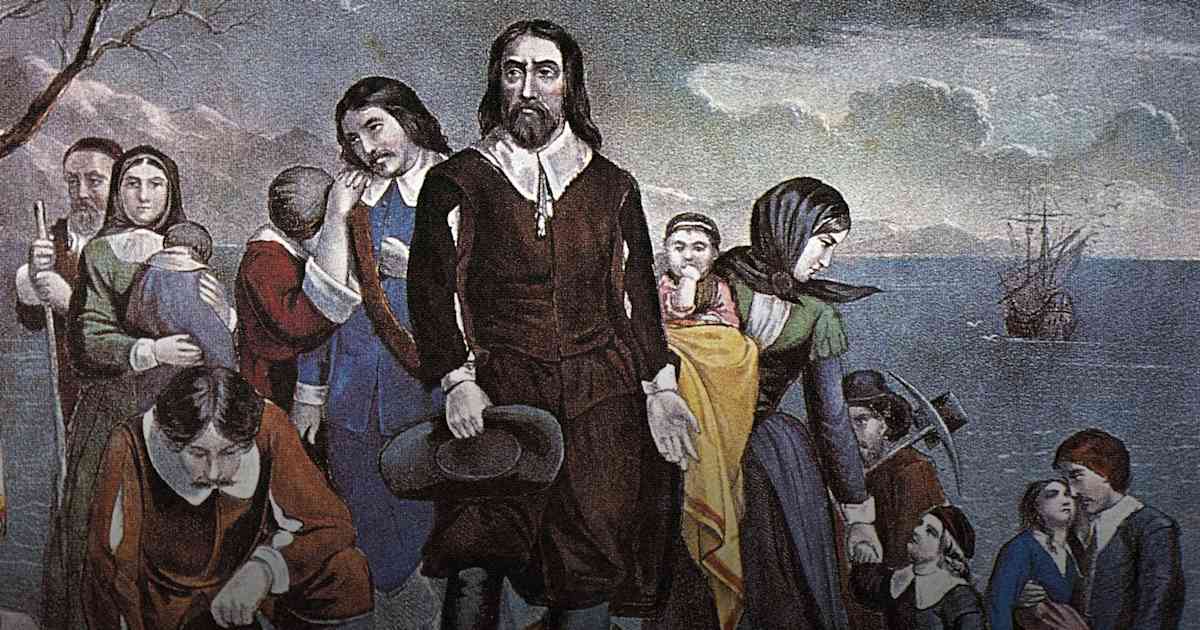
When we picture the Mayflower Pilgrims landing on the icy shores of New England in late 1620, we often envision solemn, devout, and pristine figures in black hats with silver buckles. However, historical reality presents a much more pungent truth. According to Native American accounts and modern historical scholarship, the early European settlers smelled absolutely horrific. Having completed a miserable 66-day journey across the Atlantic, these travelers arrived with layers of sweat, dirt, and grease that they had no intention of washing off. Rather than bathing, the Separatist Pilgrims and the Puritans who followed them possessed a fundamental distrust of water, believing that submerging the body was an invitation to illness and moral decay. This profound cultural aversion to bathing set the stage for a bizarre and tragic clash of cultures with the highly hygienic Indigenous populations of the Americas.
The Historical Background: Cleanliness in the 17th-Century Western World
To understand why the Pilgrims avoided water, one must look at the prevailing scientific and medical beliefs of 17th-century Western Europe. At this time, the medical community subscribed to the miasma theory of disease. It was widely believed that illnesses were contracted through noxious vapors in the air and that the skin’s pores acted as gateways for these dangerous “miasmas”. Submerging the entire body in water—especially warm water—was thought to expand and open these pores, allowing deadly pathogens and cold air to enter the vital organs. Consequently, bathing was viewed not as a routine hygienic practice, but as a dangerous health risk that could lead to sudden death or severe illness.
This water-phobia was not limited to religious extremists or the lower classes; it was shared by everyone from peasants to royalty. King Louis XIV of France famously took only three full baths in his entire life, and even those were performed strictly on the advice of his royal physician to treat specific medical convulsions. Instead of washing with water, people in the 17th century practiced what they termed “dry washing.” This involved rubbing the face and hands with a damp cloth on rare occasions, but leaving the rest of the body completely untouched by water. For the Pilgrims, who set sail due to several complex religious and socioeconomic reasons why the Pilgrims migrated to the New World, carrying these hygiene prejudices across the ocean was a matter of survival—or so they believed.
The Clash of Two Worlds: Wampanoag vs. Pilgrim Hygiene
When the English settlers established the settlement of the Plymouth Colony, they immediately encountered the Wampanoag people and other local Indigenous nations. The contrast in hygiene standards between these two groups could not have been more striking. The Wampanoag practiced daily bathing rituals, routinely washing themselves in fresh rivers, streams, and ponds. They possessed a deep connection to the natural environment and considered physical cleanliness to be an essential component of personal and communal well-being. They also applied natural, plant-based oils and greases to their skin to protect themselves from biting insects and harsh weather conditions.
To the Wampanoag, the arriving Europeans were shockingly filthy. The colonists’ lack of personal hygiene produced an odor so foul that it was remarked upon in several historical accounts. Furthermore, Indigenous people found many European habits to be downright repulsive. For example, they were horrified to see Europeans blow their noses into fabric handkerchiefs and then carefully fold them up and place them back into their pockets. The Native Americans viewed this as carrying around bodily waste, which they found incomprehensible and highly unsanitary.
The disparity in oral hygiene was equally vast. While the Pilgrims’ teeth were actively decaying due to a diet loaded with sticky, preserved hardtack biscuits and a complete lack of dental care, Native Americans possessed remarkably healthy teeth and gums. Indigenous people cleaned their mouths daily using “chew sticks” (twigs frayed on one end to act as a brush and sharpened on the other to act as a toothpick). They also rubbed charcoal on their teeth to whiten them and chewed on fresh herbs like mint, sage, and pine needles to naturally freshen their breath.
Tisquantum’s Failed Mission to Clean the Colonists
Among the most prominent historical figures in this era was Tisquantum, more commonly known as Squanto. A bilingual member of the Patuxet nation (a branch of the Wampanoag Confederacy), Tisquantum had a highly complex background, having been captured by English slave traders years prior and forced to live in Spain and England before finally returning home in 1619. Because of his time in Europe, he was uniquely positioned to act as a translator, guide, and diplomat for the early Plymouth settlers.
Recognizing the atrocious smell and poor health of his new neighbors, Tisquantum tried on multiple occasions to teach the Pilgrims basic survival and hygiene practices. According to historical biographies, he attempted to convince them to bathe regularly in local waters and to apply bug-repellent botanical oils to their skin. However, his efforts were entirely unsuccessful. The Pilgrims flatly refused to strip off their clothes and submerge themselves in the rivers.
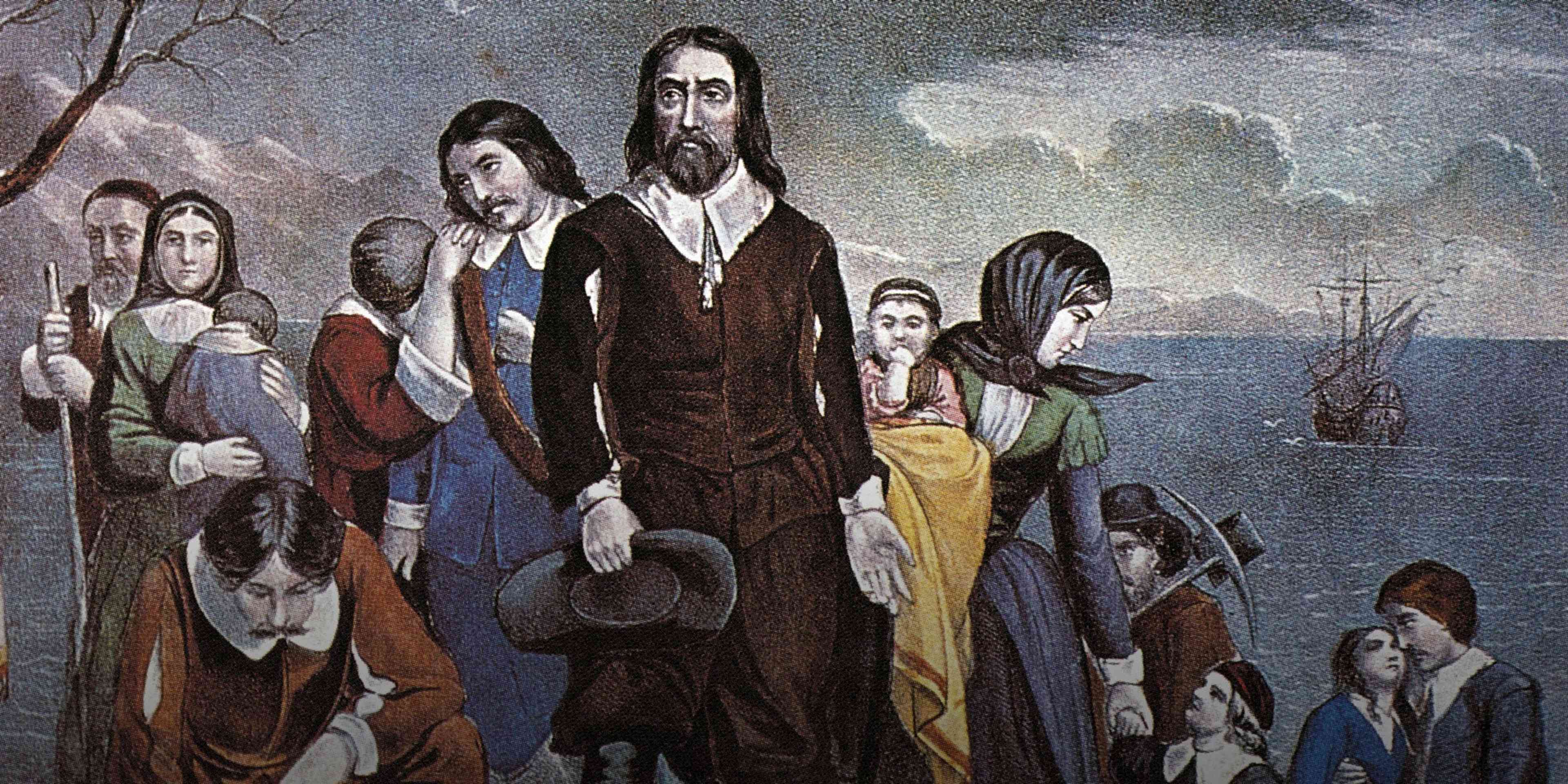
For the Puritans and Separatists, nudity was deeply associated with sin, shame, and moral corruption. Taking off all of one’s clothes to bathe openly in nature was viewed as an act of pagan immodesty. Thus, Tisquantum’s well-meaning advice ran headfirst into a wall of rigid European religious dogma, and the colonists chose to remain safely ensconced in their heavy wool clothes and body odor.
What Replaced Water? The Cult of White Underwear
If they didn’t wash with water, how did the colonists keep “clean”? The answer lies in their obsession with white linen undergarments. In 17th-century European thought, the primary agent of bodily cleanliness was not water, but linen. It was believed that linen possessed natural, sponge-like qualities that actively “drew out” sweat, dirt, oil, and impurities from the body.
As long as a person regularly changed their white linen undergarments, they were considered clean. This practice created a powerful social and moral hierarchy. Because keeping linens white required labor and money, clean, visible linen around the collar and cuffs became a marker of high social status and moral purity. A Puritan minister, for example, would prominently display his white linen collar to signal to his congregation that he was not only a gentleman of high standing but also a morally pure man of God. Conversely, wearing a dirty, stained collar was a public display of spiritual and physical laziness.
This association between clean linen and physical purity extended to the bedroom. Keeping bed linens pristine was considered a moral duty. Going to sleep without removing one’s outer garments was viewed as highly unhygienic because it soiled the precious bed sheets. In 1639, a Maine colonist went so far as to write a scathing letter accusing his maid of being “sluttish” because she went to bed wearing her daytime clothing and stockings, thereby ruining the cleanliness of the household linens.
Timeline of Hygiene Beliefs and Colonial Contact
- Late 16th Century: Plagues and epidemics ravage Western Europe. Medical authorities declare that public bathhouses are hotbeds of disease transmission, leading to a widespread shutdown of bathing facilities and a deep-seated cultural fear of water.
- 1614–1619: European fishermen and traders bring leptospirosis and other pathogens to coastal New England, wiping out up to 90% of the Indigenous Patuxet population, leaving the land cleared for future European settlers.
- November 1620: The Mayflower arrives at Cape Cod. The passengers, having spent over two months in cramped, unhygienic quarters with limited freshwater, establish Plymouth Colony.
- March 1621: Tisquantum (Squanto) makes contact with the Pilgrims, attempting to teach them agricultural methods and basic hygiene practices, which the settlers largely resist.
- Mid-18th Century: Slowly, attitudes begin to shift as medical pioneers start to suggest that cold water washing can strengthen the body, though regular full-body bathing remains rare.
- Late 19th Century: The germ theory of disease finally replaces the miasma theory, giving rise to the modern sanitation and public health movements that emphasize daily washing with soap and water.
The Deadly Consequences of Colonial Filth
The colonists’ lack of hygiene was far more than an unpleasant sensory experience for the Native Americans; it had catastrophic demographic consequences. By refusing to wash and living in highly crowded, unsanitary wooden dwellings, the Pilgrims and other early settlers became walking vectors for a multitude of infectious diseases. They carried microbes to which the Indigenous populations had absolutely no historical exposure or genetic immunity.
Pathogens such as smallpox, influenza, measles, typhus, and leptospirosis spread like wildfire through Native communities. Because the Wampanoag and other tribes frequently interacted with natural water sources and gathered closely, these new European diseases devastated their populations. Historians estimate that in the years leading up to and immediately following the Pilgrims’ arrival, European diseases wiped out more than 90% of the coastal Native American population in New England. This horrific loss of life shattered entire societies, broke up sophisticated political networks, and left vast stretches of land open to aggressive colonial expansion.
Lesser-Known Facts about Colonial Hygiene
- 28 Years Without a Bath: Elizabeth Drinker, an 18th-century Quaker woman living in Philadelphia, recorded in her diary that when her husband set up an outdoor shower for her, she “bore it better than expected,” despite not having been wet all over at once for twenty-eight years!
- Water was for Beer, Not Bathing: Because natural water sources in European cities were frequently contaminated with sewage, colonists brought a deep distrust of drinking plain water to America. Instead, they drank fermented beer and cider—even giving it to young children—as their primary daily beverage.
- The Mucus Debate: Native Americans viewed the European habit of blowing one’s nose into a handkerchief and storing it in a pocket as an act of absolute filth. In contrast, Native people blew their noses directly onto the ground or washed immediately, considering the European practice of “saving” bodily waste to be highly uncivilized.
Why It Still Matters Today
Understanding the history of colonial hygiene dismantles the romanticized myths of the Thanksgiving era and provides a more accurate, respectful view of early American history. For centuries, traditional historical narratives portrayed European colonists as “civilized” and Native Americans as “savages”. In truth, when it came to personal health, cleanliness, and ecological stewardship, Indigenous nations like the Wampanoag were centuries ahead of their European counterparts.
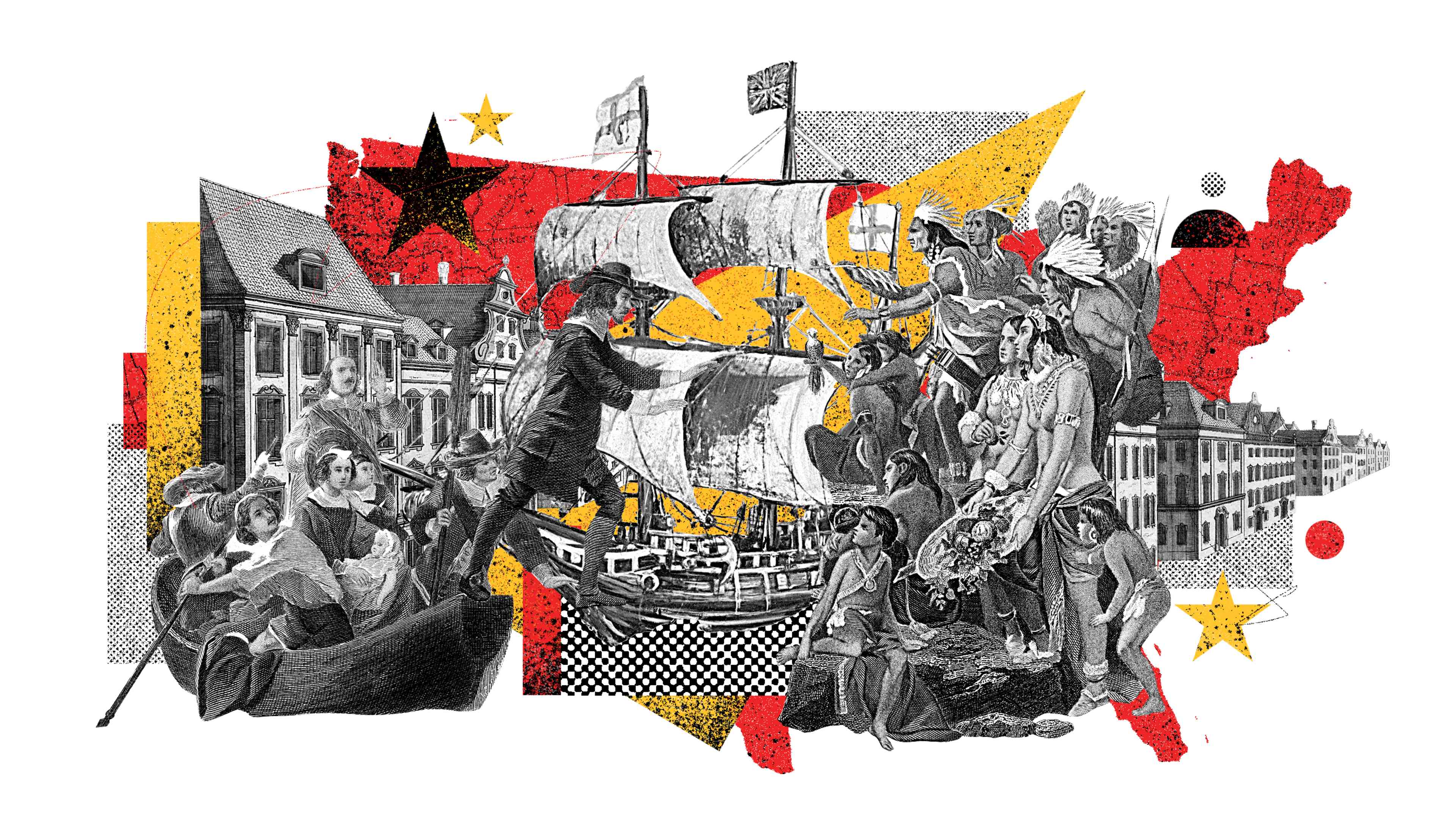
This history also highlights how cultural beliefs and scientific misconceptions can shape human behavior with devastating real-world consequences. The fear of water directly contributed to the spread of diseases that altered the course of American history. Today, as we navigate global health challenges, the lessons of the past remind us of the vital importance of sanitation, clean water, and respecting the environmental wisdom of Indigenous cultures.
People Also Ask (FAQ)
Why did the Pilgrims not bathe?
Pilgrims believed that submerging their bodies in water was highly dangerous. Guided by the medical theories of their time, they feared that water would open up their pores, allowing harmful diseases (or “miasmas”) to enter their bodies and cause death. Furthermore, their Puritan religious beliefs associated nudity with immodesty and sin, making public bathing culturally unacceptable.
How did Native Americans keep clean compared to the Pilgrims?
Unlike the European colonists, Native Americans like the Wampanoag bathed daily in rivers, streams, and lakes. They also practiced advanced oral hygiene using plant-based “chew sticks” and charcoal, and applied botanical oils to protect their skin from insects, whereas the Pilgrims rarely washed their skin and suffered from severe tooth decay.
What did early American colonists use instead of soap to clean themselves?
Instead of soap and water, early colonists relied on changing their white linen underwear. They believed that linen naturally absorbed sweat, dirt, and impurities from the skin. Changing into clean, white linen was considered the primary method of maintaining personal hygiene and moral purity.
Conclusion
The story of colonial hygiene reveals a fascinating irony at the heart of early American history. While the Pilgrims arrived seeking religious freedom and a new life, they brought with them a deep-seated cultural fear of water that left them filthy, smelly, and prone to spreading deadly diseases. Meanwhile, the Wampanoag people, who saved the colonists from starvation, practiced a highly sophisticated, clean, and respectful way of living that prioritized daily hygiene and dental care. By understanding this hygienic clash, we gain a deeper appreciation for the resilience and advanced practices of Indigenous peoples, while dispelling the clean-cut myths of early colonial America.


