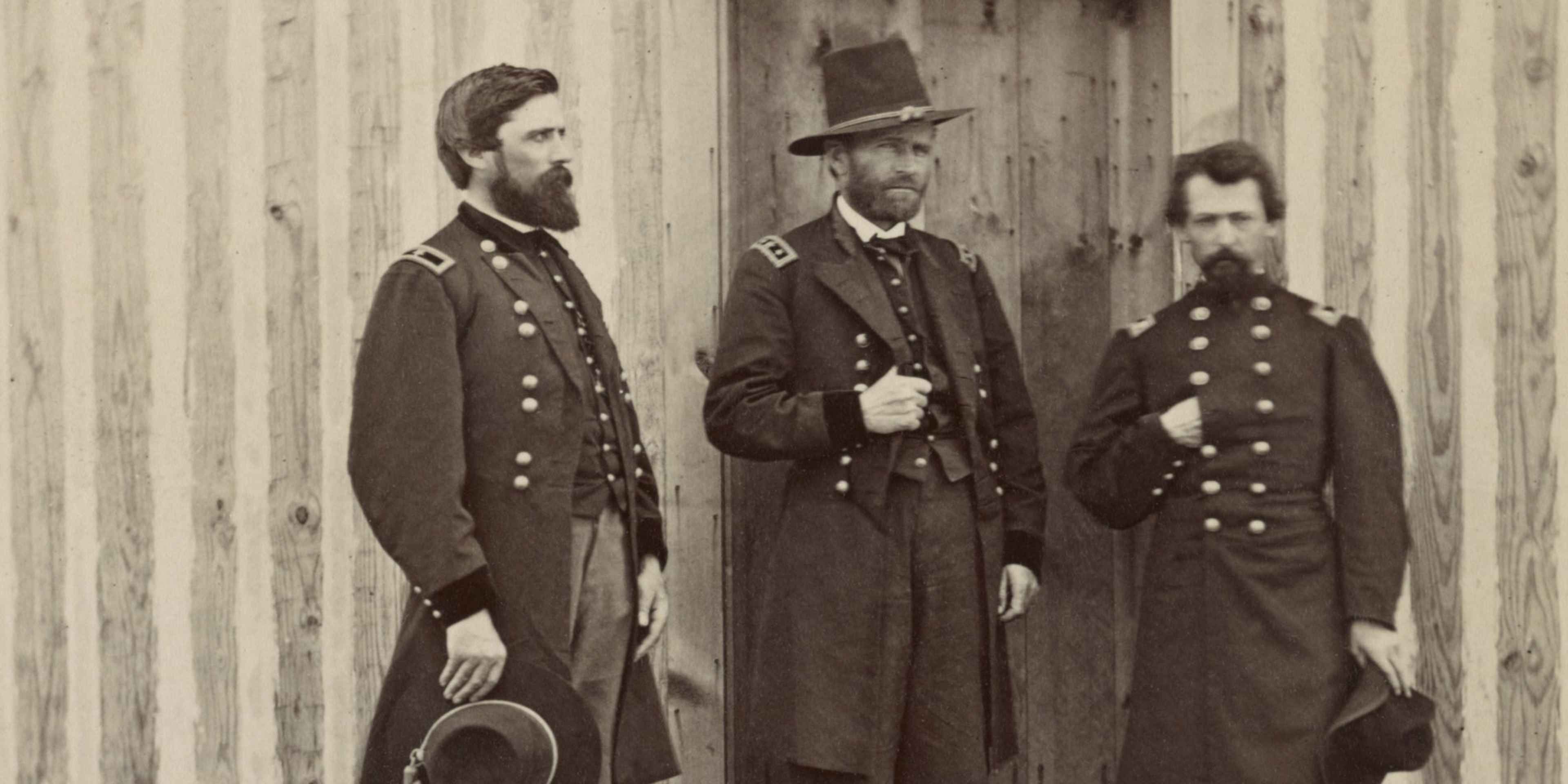
The American Civil War was an existential crisis that threatened to permanently tear the United States apart, and its resolution hinged on the strategic evolution of Union military leadership. At the heart of this transformation was Ulysses S. Grant, whose unconventional generalship and relentless determination reshaped modern warfare. While previous Union commanders struggled with hesitation, administrative paralysis, and overly theoretical strategies, Grant brought an unyielding, practical philosophy that focused on the total destruction of Confederate forces rather than the mere capture of geographic territory. His ascent from a struggling, retired captain to the Lieutenant General of all Union armies is one of the most remarkable chapters in American military history. By understanding the unique qualities of Ulysses S. Grant’s military leadership, we gain deep insight into how the Union was preserved, how the institution of slavery was dismantled, and how the modern American nation-state was forged under the crucible of total war.
The Historical Context of a Divided Nation
To understand the magnitude of Grant’s achievements, one must examine the state of the Union war effort before his ascension. When the war erupted in April 1861, the United States was deeply divided by socio-economic systems, with the industrial North clashing against the agrarian, slave-holding South. Despite possessing superior manpower, manufacturing capabilities, and railroad infrastructure, the Union repeatedly failed to secure decisive victories in the Eastern Theater. This failure was largely a crisis of command.
President Abraham Lincoln was plagued by a succession of generals who were brilliant on paper but paralyzed in the field. General George B. McClellan was a masterful organizer who built the formidable Army of the Potomac, yet his fear of failure made him chronically reluctant to engage Robert E. Lee’s forces. General Henry W. Halleck, known as “Old Brains,” was a preeminent military scholar who wrote Elements of Military Art & Science, yet he favored cautious maneuvers over decisive action. The early years of the war demonstrated that theoretical knowledge of military art meant little without the grit and tenacity required to execute it under pressure. Grant’s entry into the national spotlight forever changed this dynamic.
A Timeline of Grant’s Rise to Supreme Command
The journey of Ulysses S. Grant from obscurity to the highest military rank in the United States is marked by pivotal dates and campaign victories that proved his operational brilliance:
- June 1861: Grant is appointed Colonel of the 21st Illinois Volunteer Infantry Regiment, returning to active duty after years of civilian struggle.
- February 1862: Grant captures Fort Henry and Fort Donelson in Tennessee, demanding “unconditional and immediate surrender,” securing the Union’s first major strategic victories and earning the nickname “Unconditional Surrender” Grant.
- April 6–7, 1862: At the bloody Battle of Shiloh, Grant survives a massive Confederate surprise attack, rallies his troops, and launches a crushing counteroffensive the following day to secure victory.
- July 4, 1863: Following a brilliant, multi-month campaign of maneuver and siege, Grant captures the Confederate stronghold of Vicksburg, Mississippi, splitting the Confederacy in two and gaining control of the Mississippi River.
- November 1863: Grant breaks the Confederate siege of Chattanooga, Tennessee, opening the gateway to the deep South for Union forces.
- March 1864: President Lincoln commissions Grant as Lieutenant General, giving him command of all Union armies. Grant establishes his headquarters in the field with the Army of the Potomac.
- May 1864 – April 1865: Grant launches the Overland Campaign, engaging Lee’s forces in a relentless war of attrition through the Wilderness, Spotsylvania, and Petersburg, ultimately forcing the surrender of the Army of Northern Virginia at Appomattox Court House on April 9, 1865.
The Seven Pillars of Grant’s Military Genius
Grant’s success was not a matter of luck; it was the result of a unique set of leadership qualities that contrasted sharply with those of his contemporaries. Here are the seven reasons why Grant remains one of America’s most brilliant military minds:
1. Relentless Aggressiveness and the Rejection of Retreat
Unlike his predecessors, Grant believed that standing still or retreating was far more dangerous than moving forward. He consistently favored activity over passive defense. This was vividly demonstrated during the Overland Campaign in May 1864. After suffering heavy casualties at the Battle of the Wilderness, the soldiers of the Army of the Potomac fully expected to retreat north, as they had done after every major battle under previous commanders. Instead, Grant ordered them to march south, deeper into Confederate territory. The troops broke into cheers when they realized they were not turning back. While history features instances of tactical withdrawals, such as those analyzed in 7 brilliant military retreats, Grant recognized that in the American Civil War, constant retreats only prolonged the conflict, boosted enemy morale, and sapped Northern political will.
2. Psychological Fortitude and Demystification of the Enemy
Early in the war, while pursuing Confederate Colonel Thomas Harris in Missouri, Grant experienced a moment of intense anxiety. As he approached the enemy camp, his heart rose to his throat. However, upon discovering that Harris had already abandoned the position in fear, Grant realized a fundamental truth that guided him for the rest of his life: the enemy was often just as afraid of him as he was of them. This psychological clarity prevented him from being paralyzed by what the enemy might do out of his sight—a stark contrast to other Union generals who constantly overestimated Confederate strength.
3. Common-Sense Strategy and Simplicity of Command
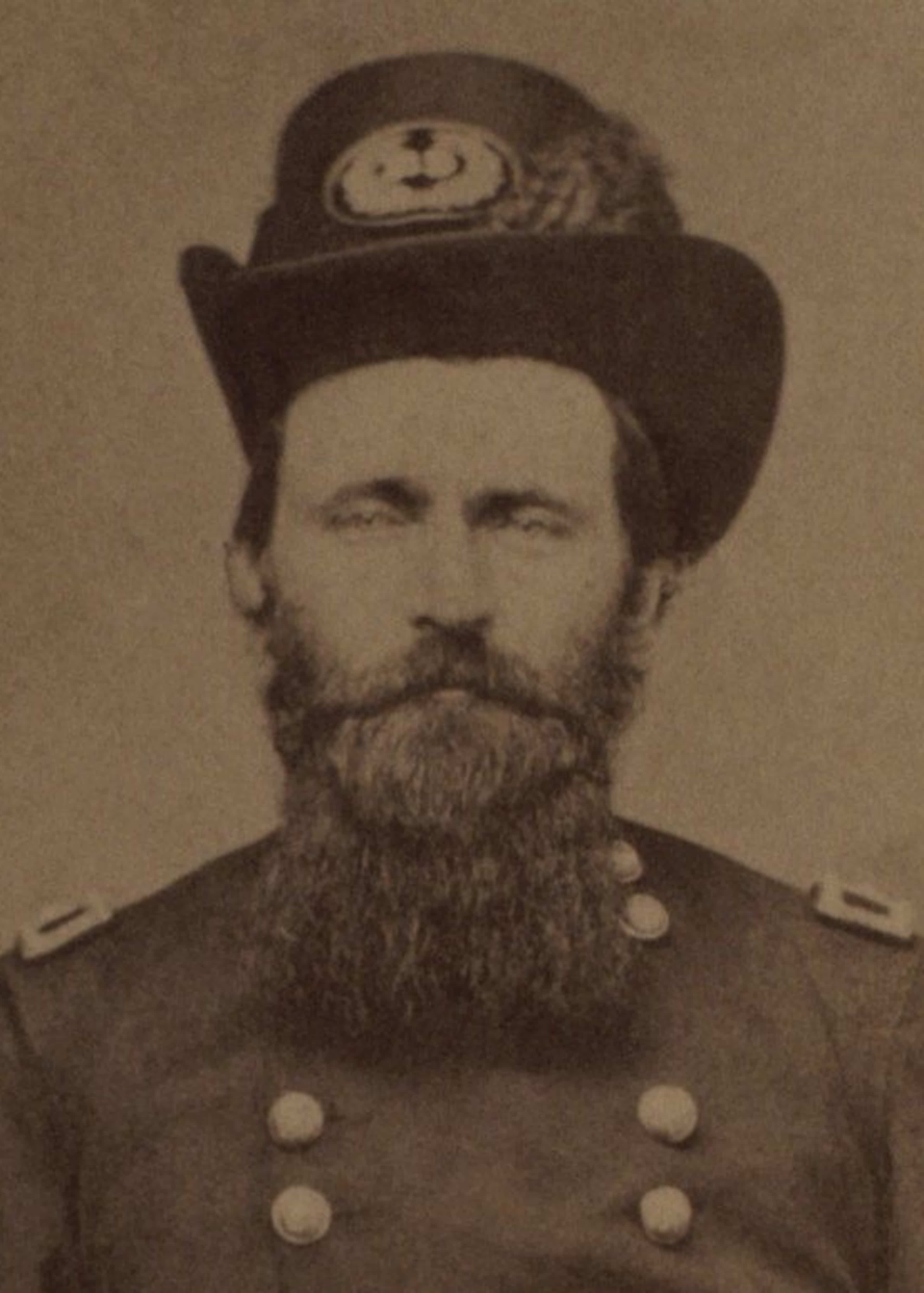
Grant was not an enthusiast of dense military textbooks. His loyal lieutenant, William Tecumseh Sherman, noted that Grant’s success came from his superb common sense and an unshakeable faith in victory. Grant avoided complex maneuvers that looked good on paper but failed in the chaos of battle. His orders were famously clear, direct, and impossible to misunderstand—a trait he learned by observing General Zachary Taylor during the Mexican-American War. This transition toward practical, democratic leadership marked a departure from the formalistic military traditions that had evolved since the early days of the Republic, when pioneers who commanded the Continental Army before Washington first began structuring the nation’s military hierarchy.
4. Topographical Mastery and Photographic Memory
Grant possessed an extraordinary, near-photographic memory for terrain. Staff officers remarked that after a single look at a map, he could navigate complex landscapes without ever referring to it again. Combined with his world-class horsemanship, this gift allowed him to quickly grasp the physical reality of a battlefield, identifying critical high ground, supply routes, and defensive vulnerabilities far more effectively than generals who relied solely on written reports.
5. Unified Global Strategy (Joint-Theater Warfare)
Before Grant took supreme command, Union armies in the East and West operated almost completely independently, allowing Confederate forces to use internal railway lines to shift troops between theaters. Grant changed this by implementing a unified, synchronized strategy. He instructed George Meade to keep Robert E. Lee constantly engaged in Virginia, while William T. Sherman marched through the Deep South, destroying Confederate infrastructure, and Philip Sheridan devastated the Shenandoah Valley. By applying pressure everywhere simultaneously, Grant prevented the Confederacy from reinforcing its depleted lines.
6. Alignment of Military and Political Objectives
Grant understood that a democracy cannot wage a prolonged, bloody war without the support of its citizens. He aligned his military strategy perfectly with President Lincoln’s political objectives, particularly after the Emancipation Proclamation of 1863. Grant recognized that to win the war, the Union had to destroy the economic foundation of the South—slavery. He actively supported the recruitment of United States Colored Troops (USCT), acknowledging that the Union’s eventual triumph was deeply intertwined with the courage and sacrifice of black heroes throughout US military history, who fought bravely for both their freedom and the preservation of the nation.
7. Unflappable Temperament Under Crises
Grant was at his absolute best during sudden emergencies. When he arrived to relieve the besieged Union forces at Chattanooga in late 1863, he sat quietly through chaotic, conflicting briefings from various officers. Instead of panicking, he absorbed the information, asked a series of sharp, targeted questions, and immediately drafted a coherent, theater-wide operational plan. His calm under pressure acted as an emotional anchor for his subordinates and his troops alike.
Lesser-Known Facts About Ulysses S. Grant
Beyond his famous battle victories, Grant was a complex individual with several surprising traits:
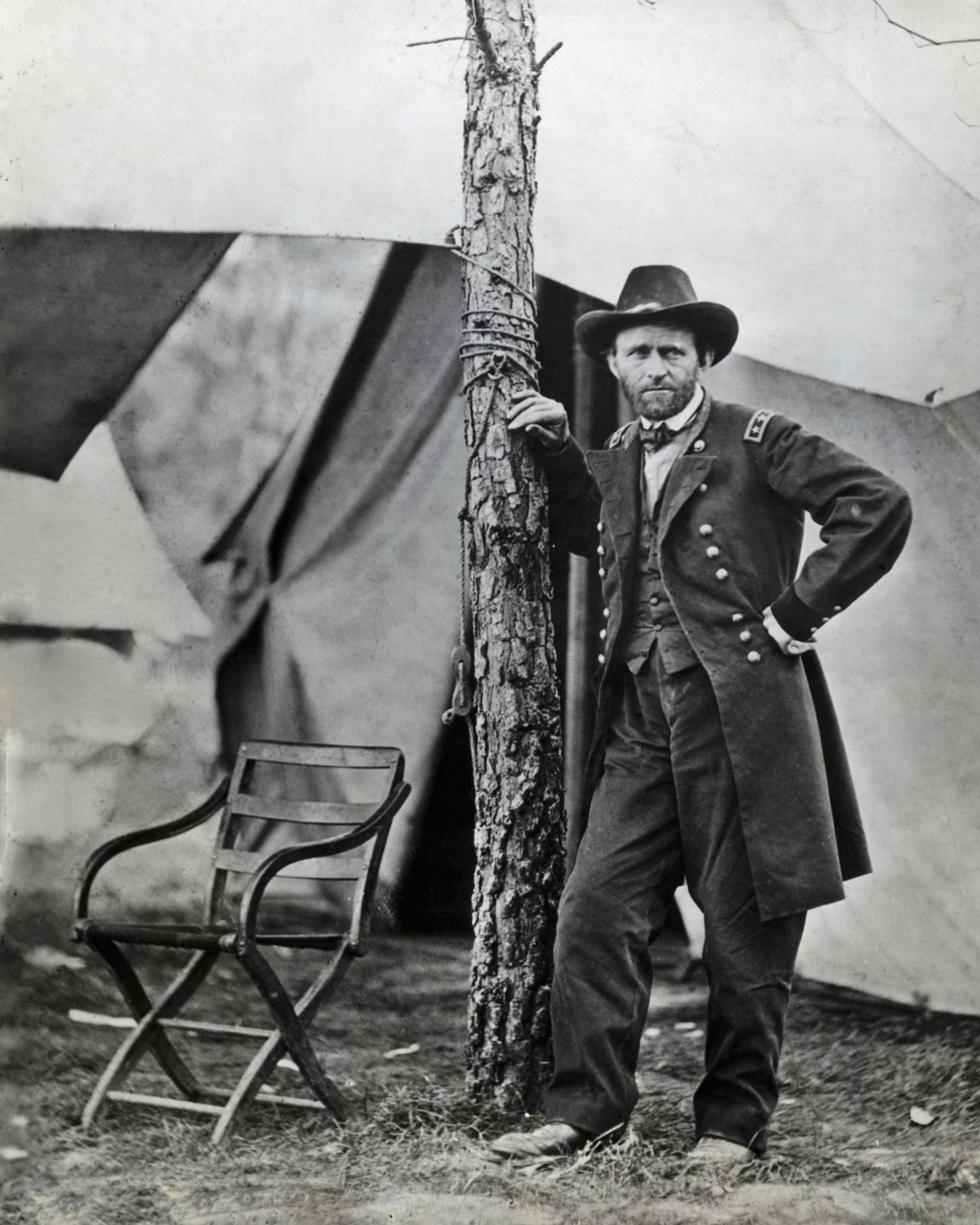
- He Could Not Stand the Sight of Blood: Despite being labeled a “butcher” by his political detractors, Grant detested the sight of blood. He insisted that all meat he consumed be cooked extremely well-done, and he expressed a lifelong aversion to hunting and violence.
- A Reluctant Soldier: Grant never wanted to make the military his career. He entered West Point reluctantly and hoped to leave the army to become a mathematics professor. He openly admitted that he disliked the military profession.
- A Literary Masterpiece: Suffering from terminal throat cancer and facing financial ruin, Grant wrote his Personal Memoirs in the final months of his life to secure his family’s future. Completed just days before his death in 1885, the book was a massive bestseller and is widely considered by historians to be the finest military memoir ever written in the English language.
Why Grant’s Legacy Matters Today
For decades after the Civil War, Grant’s reputation was unfairly tarnished by proponents of the “Lost Cause” myth, who painted him as a crude, brutal commander who only won through brute force and numerical superiority. Modern scholarship has thoroughly debunked this narrative, elevating Grant to his rightful place as an operational genius. Grant’s focus on joint operations, clear communication, and the synchronization of political and military goals remains the bedrock of modern military doctrine taught at institutions like West Point. His story is a powerful reminder that true leadership is defined not by rigid adherence to dogma, but by adaptability, resilience, and an unwavering commitment to a righteous cause.
People Also Ask
Was Ulysses S. Grant a better general than Robert E. Lee?
While Robert E. Lee was a brilliant tactical defender, modern historians increasingly view Grant as the superior strategic commander. Grant understood the global nature of the war and coordinated multiple theaters simultaneously, whereas Lee focused almost exclusively on defending Virginia, often at the expense of the wider Confederate war effort.
Why did Grant demand “unconditional surrender”?
At the Battle of Fort Donelson in 1862, Grant refused to negotiate terms of capitulation with Confederate General Simon Bolivar Buckner, stating that only “unconditional and immediate surrender” was acceptable. This firm stance boosted Northern morale, established his reputation for decisiveness, and set the standard for how the Union would prosecute the rest of the war.
Did Abraham Lincoln support Grant’s aggressive tactics?
Yes. Lincoln was deeply frustrated by the inaction of previous generals and famously defended Grant against critics who complained about his high casualty rates, stating: “I can’t spare this man; he fights.” Lincoln recognized that Grant’s aggressive pursuit of Lee was the only way to bring the bloody conflict to a definitive end.
Conclusion
Ulysses S. Grant’s military leadership saved the United States during its darkest hour. He looked past the rigid military dogmas of his era to forge a modern strategy based on relentless pressure, operational simplicity, and deep psychological resilience. From the muddy banks of the Mississippi to the final surrender at Appomattox, Grant’s common-sense brilliance and unwavering determination crushed the rebellion, preserved the Union, and permanently altered the course of American history.


