Throughout the annals of warfare, the timeless maxim ‘an army marches on its stomach’ has remained an absolute truth. From the far-reaching conquest campaigns of the Roman legions to the high-tech battlefields of the twenty-first century, the logistical nightmare of feeding millions of active combatants has shaped the rise and fall of empires, dictated the outcomes of world-altering conflicts, and spurred unprecedented technological innovations. Exploring the history of military rations reveals a fascinating journey of human ingenuity, shifting from simple survival tactics to engineering nutrient-dense, virtually indestructible meals capable of enduring extreme global climates. Understanding how soldiers fed themselves across different eras provides a unique lens into the physical demands, economic constraints, and psychological trials of wartime service. This evolutionary process did not just sustain troops on the front lines; it permanently transformed the landscape of modern food preservation, global supply chains, and civilian dietary habits.
Historical Background: The Roots of Military Food Preservation
Before the dawn of modern food science, the preservation of food was the ultimate hurdle for any military commander. Historically, long-term sustenance meant utilizing drying, salting, or fermentation to prevent spoilage. In the early American context, understanding how pickling helped early American colonists survive harsh winters provides a clear parallel to how ancient and early modern militaries managed their food stores. Without advanced preservation techniques, armies were forced to move slowly, remaining tethered to fertile regions, local markets, or vulnerable supply wagons. From antiquity through the early modern era, soldiers often faced a choice between eating spoiled food that could cause lethal diseases like dysentery, or starving on the march.
A Timeline of Military Rations Across Eras
Antiquity: The Roman Legionaries (1st Century BC – 4th Century AD)
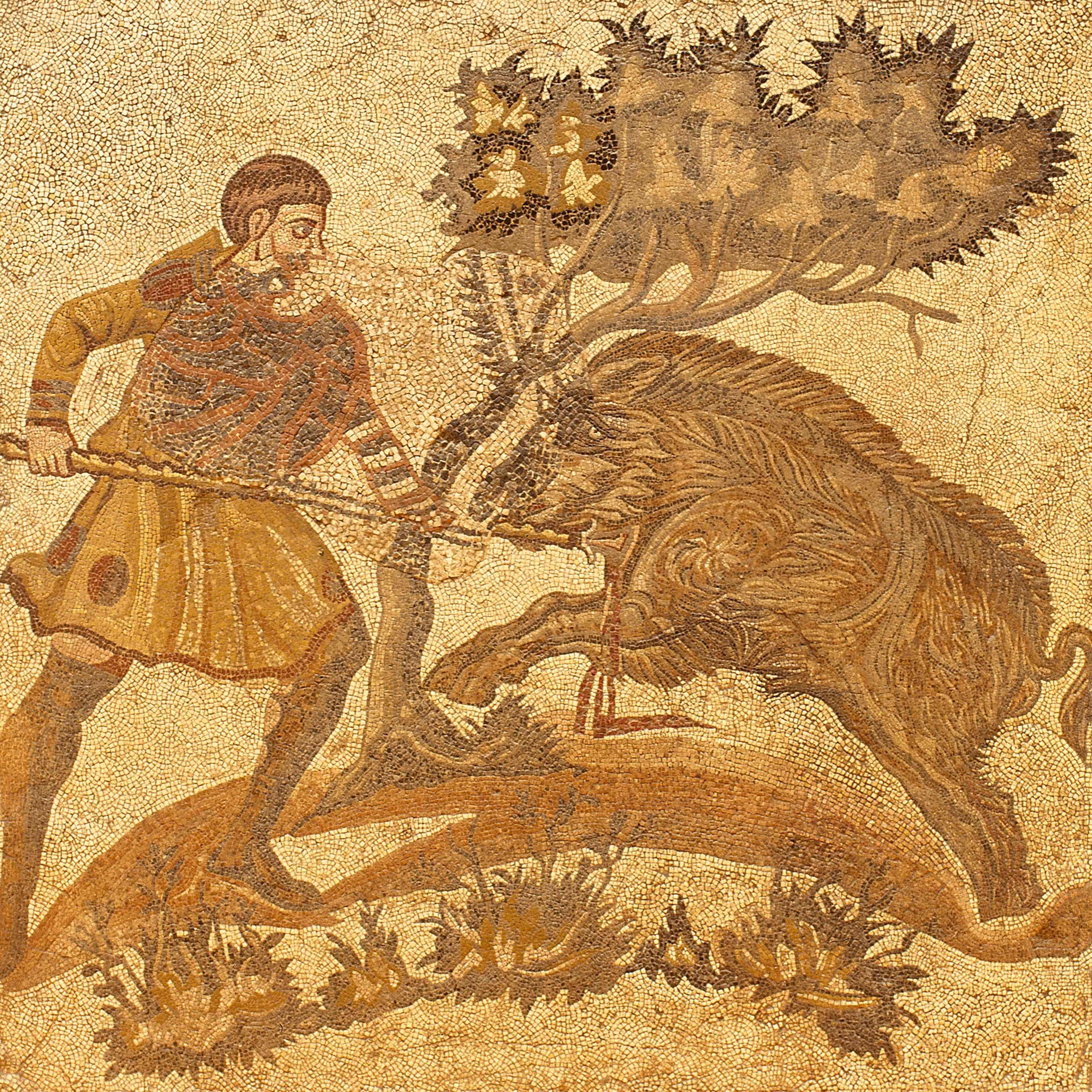
Roman soldiers, often described as ‘mules’ due to the immense gear they carried on their backs, relied heavily on simple, dense carbohydrates. The backbone of their daily diet consisted of barley and wheat, which they ground themselves to make bread or porridge. While some historical accounts suggest Roman soldiers were allotted meat, logistics required slaughtering up to 120 sheep or 60 hogs daily just to sustain a single legion on the move. To supplement this, soldiers relied on diluted sour wine or vinegar mixed with water—a beverage known as posca, which acted as a natural antibacterial agent. For essential fats, the Roman troops looked to olive oil, carrying it across the empire’s vast road networks.
The Medieval Crusades (11th – 14th Centuries)
During the Crusades, Christian forces faced massive logistical failures. In the First Crusade, soldiers were entirely self-funded, frequently mortgaging their lands just to buy dried meat, grains, and local cheese. If crusading armies breached an enemy camp, they often stopped fighting to gorge themselves on available food, a lack of discipline that cost them critical battles, such as during the Siege of Acre. In contrast, the forces of Sultan Saladin utilized highly organized camp kitchens, featuring massive cauldrons capable of boiling multiple cows’ heads at once, showcasing a superior culinary supply chain.
The Nomadic Mongol Horde (13th Century)
Genghis Khan’s warriors traveled light and fast. They did not carry heavy cooking equipment or rely on established supply lines. Instead, they traveled with herds of sheep and horses. When fresh meat was scarce, Mongol horsemen hunted wild game like marmots and rabbits. For daily sustenance, they turned to dried milk curd, cured meats, and airag (fermented mare’s milk). This high-protein, high-fat diet allowed the Mongols to move at a pace unmatched by any sedentary army of the period.
The Ottoman Janissaries (17th Century)
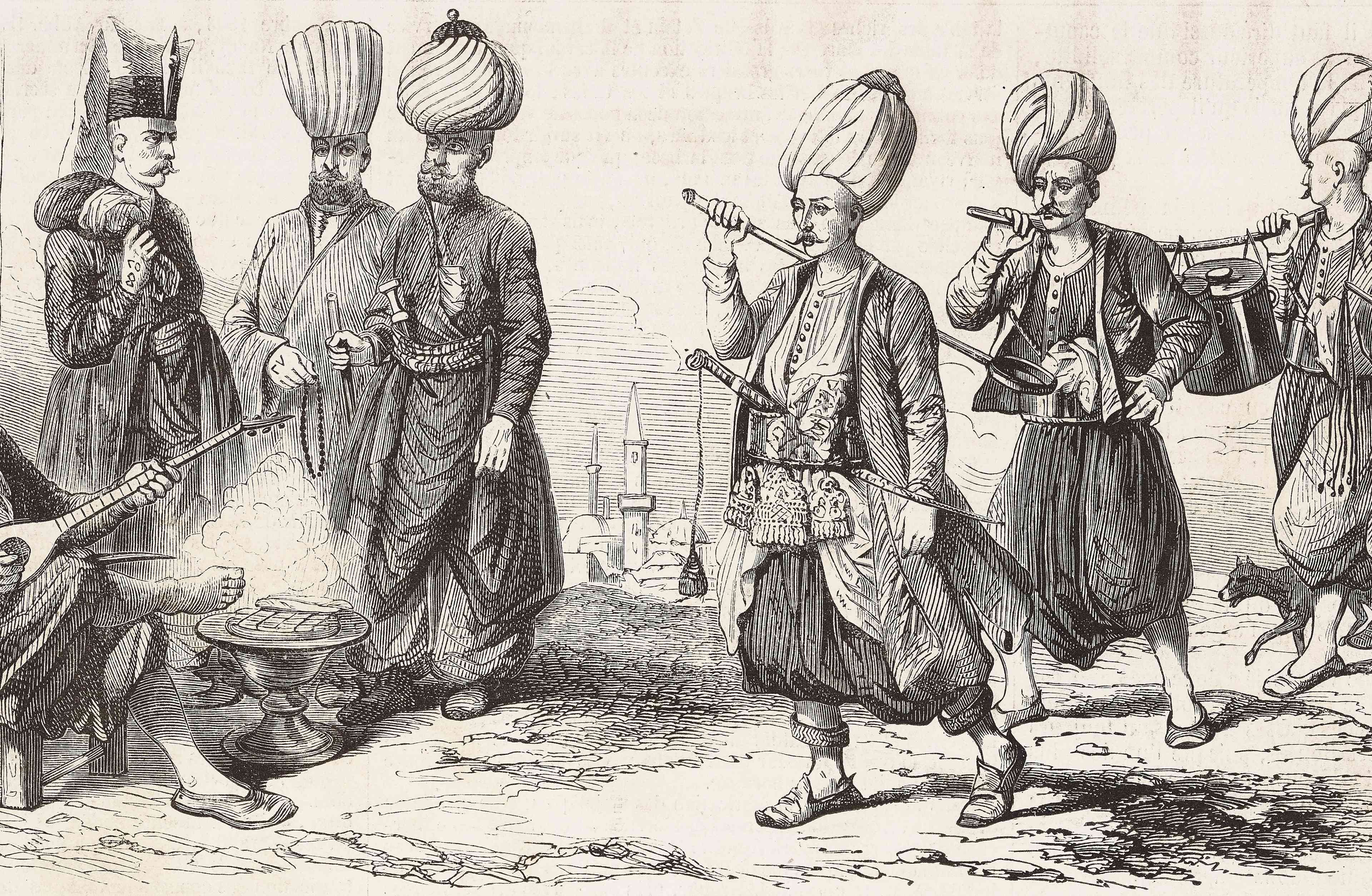
The Janissaries, Europe’s first modern standing army, were remarkably well-fed. Supported by a sophisticated state apparatus, their daily rations included fresh-baked bread, mutton or lamb, honey, coffee, rice, and bulgur. The military biscuit, baked in hundreds of dedicated state ovens in Istanbul, was the staple of their campaign diet. However, corruption occasionally plagued this system, with greedy bakers replacing flour with dirt, leading to illness and mutinies among the elite troops.
The American Revolution: A Logistics Nightmare (1775-1783)
During the Revolutionary War, the Continental Army faced a logistical disaster. With Congress lacking taxing authority, funds were virtually nonexistent, causing immense suffering for the troops. This supply chain collapse reached its peak during the winter encampments, most famously leaving starving soldiers at Valley Forge to survive on ‘firecakes’—simple, unpalatable mixtures of flour and water baked over open coals. While Congress officially mandated a daily ration of beef, flour, and spruce beer, the reality was starkly different. Those curious to eat like a colonist will find the stark contrast between early civilian foods and the grim battlefield reality of the Continental Army staggering, as soldiers were regularly forced to forage, beg, or go days without any food.
The Napoleonic Era (1799-1815)
Napoleon Bonaparte famously observed that ‘an army marches on its stomach,’ yet his own troops were often desperately hungry. French soldiers relied on foraging, which was made easier by the widespread cultivation of potatoes and corn across Europe. A standard French ration included bread, meat, dried beans, and wine. According to military lore, the iconic long, thin baguette was specifically developed during this era so that French soldiers could easily carry their daily bread ration down the leg of their trousers.
The American Civil War (1861-1865)
The Union Army attempted to supply its soldiers with substantial daily rations of meat, flour, and vegetables. However, active campaigning forced a shift to practical, non-perishable options. Soldiers became intimately familiar with hardtack—thick, dried flour-and-water biscuits also known as ‘salt cakes’—and salted pork. Soldiers frequently softened their hardtack by soaking it in coffee, which also helped float out any weevils or pests nesting inside the stale biscuits.
World War II: C-Rations and K-Rations (1939-1945)
World War II saw the introduction of scientifically formulated, pre-packaged rations. Combat troops relied on C-Rations, which consisted of canned meals like franks and beans, accompanied by biscuits, chocolate, instant coffee, cigarettes, and toilet paper. Airborne regiments and messengers used the lighter K-Ration, which provided three distinct meals containing processed meat, cheese, crackers, and candy, totaling roughly 3,600 calories per day to sustain high physical output.
The Vietnam War to the Modern MRE (1960s-Present)
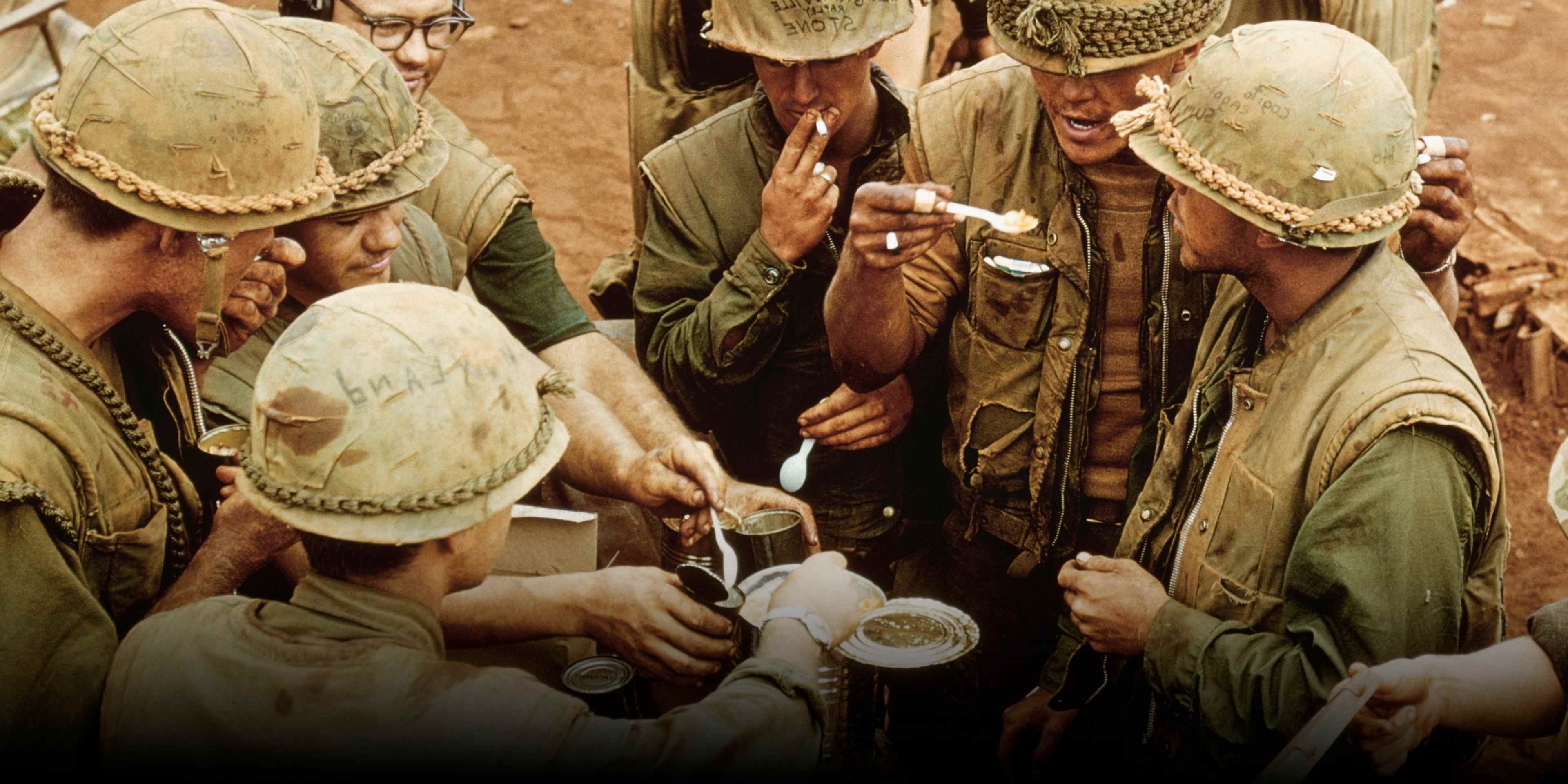
During the Vietnam War, the U.S. military transitioned to the Meal, Combat, Individual (MCI). Distributed in heavy tin cans, soldiers often carried these cans in socks tied to their packs to reduce noise and weight. Troops famously used small pinches of C4 plastic explosive to quickly heat their canned meals. In the early 1980s, the military officially replaced canned rations with the Meal, Ready-to-Eat (MRE). Modern MREs utilize advanced retort pouches and water-activated flameless ration heaters. To combat ‘menu fatigue’ and bolster morale, the military recently introduced high-tech, shelf-stable pizza designed to last up to three years without refrigeration.
Key Figures in Military Food History
- George Washington: As Commander-in-Chief of the Continental Army, Washington constantly battled supply shortages, refusing to systematically plunder American civilians to avoid alienating the public from the revolutionary cause.
- Napoleon Bonaparte: Championed food preservation, offering a 12,000-franc prize that led Nicolas Appert to invent the process of canning in 1809, revolutionizing global logistics.
- Sultan Saladin: The Ayubbid leader whose highly organized, mobile military kitchens provided hot, nutritious meals to his forces, outclassing the disorganized Crusaders.
Major Turning Points in Combat Feeding
The first major turning point was the invention of hermetic canning by Nicolas Appert in the early nineteenth century. This allowed food to be cooked and sealed in glass jars (and later tin cans), keeping it safe from bacteria for years. The second major turning point was the mid-twentieth-century development of the retort pouch and freeze-drying. By replacing heavy, rigid metal cans with lightweight, flexible, and durable plastic-and-foil laminates, modern militaries drastically reduced the load on soldiers’ backs while expanding menu variety.
Long-Term Impact on America and the World
The innovations born out of the necessity to feed armies have directly shaped civilian society. The commercial canning industry, freeze-dried instant coffee, processed cheese, and plastic packaging all originated as military projects designed to keep rations fresh on the battlefield. Today, the global processed food industry relies heavily on preservation techniques pioneered by the United States military’s research laboratories.
Lesser-Known Facts About Military Food
- Explosive Cooking: In Vietnam, soldiers discovered that a tiny, fingernail-sized piece of C4 explosive, when lit, would burn quickly and cleanly without exploding, making it the perfect makeshift stove to heat their canned meat loaf.
- The Vinegar Shield: Roman soldiers mixed sour vinegar with their drinking water not just for taste, but because the acidity killed off harmful pathogens in unfamiliar water sources.
- Baguette Pants: The French baguette’s elongated shape was rumored to have been mandated by Napoleonic officers so soldiers could slip the bread into special pockets along their trouser legs, keeping their hands free on long marches.
Why Military Food History Still Matters Today
The technology used to feed soldiers in the field is now the cornerstone of global humanitarian aid. When natural disasters strike, relief organizations distribute military-grade MREs and high-calorie food bars to survivors. Furthermore, as humanity looks toward long-term space exploration, the methods developed to combat menu fatigue and preserve food for years without refrigeration are actively helping scientists design meals for future missions to Mars.
People Also Ask (PAA)
What did Civil War soldiers eat?
Civil War soldiers primarily ate hardtack (a hard, dry flour biscuit), salted pork or beef, cornmeal, and seasonal vegetables forged from local farms. Coffee was also a crucial, highly prized staple of their daily diet.
How did ancient Roman soldiers preserve their food?
Roman soldiers preserved food using salt, drying, and acidic liquids like vinegar. They also carried raw grains like wheat and barley, which do not spoil quickly and could be ground into flour fresh daily on the campaign trail.
When did the US military switch to MREs?
The United States Armed Forces officially phased out canned combat rations and switched to the modern Meal, Ready-to-Eat (MRE) in the early 1980s to reduce weight and improve troop morale.
Conclusion
From the wild game hunts of the ancient Romans to the indestructible, three-year pizzas of today’s infantry, the history of military rations is a testament to human survival and engineering. It proves that battlefields are not just won with weapons, but with the complex, quiet logistics of the kitchen. As food technology continues to evolve, the innovations designed to sustain soldiers on the front lines will undoubtedly continue to find a place on civilian kitchen tables around the world.


