The American Civil War is often remembered for its massive battlefield clashes, thunderous artillery, and iconic military commanders. However, beneath the smoke of Gettysburg and Antietam lay a shadowy, silent conflict fought by a hidden army of operatives. In an era before the Central Intelligence Agency (CIA) or the modern Federal Bureau of Investigation (FBI), both the Union and the Confederacy relied on a decentralized, remarkably creative network of spies, scouts, and codebreakers. From elite socialites and former enslaved people to daring hot-air balloonists, these clandestine agents risked execution to secure secrets that fundamentally altered the course of American history.
The Historical Background: An Intelligence Vacuum
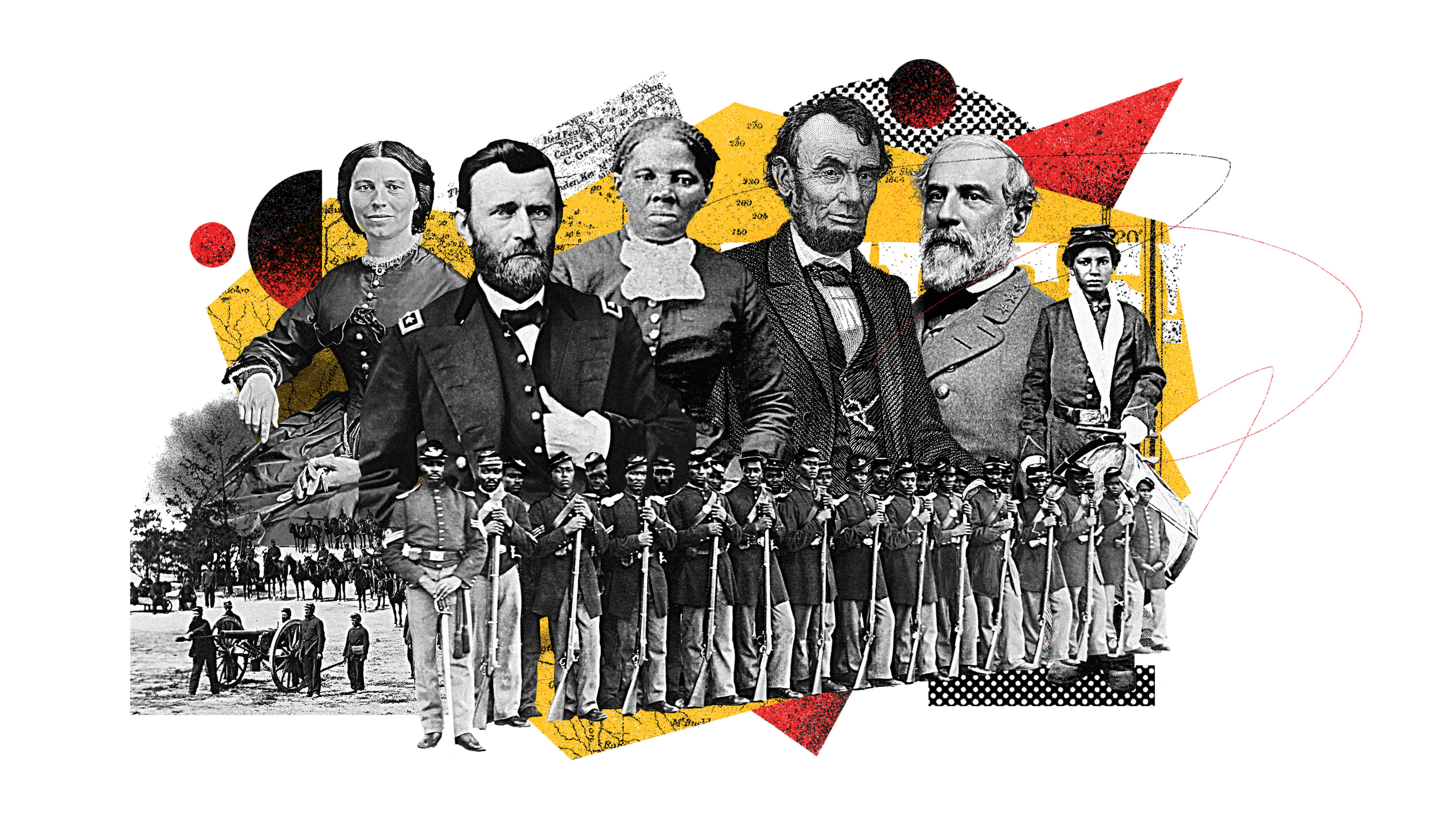
When the Civil War erupted in April 1861, neither President Abraham Lincoln’s Union nor Jefferson Davis’s embryonic Confederacy possessed a formal military intelligence department. This vacuum forced commanders on both sides to improvise. The geographic reality of the war made espionage highly accessible yet incredibly dangerous. Washington, D.C., lay a mere 60 miles south of the Mason-Dixon Line and was heavily populated by southern sympathizers. Similarly, Richmond, Virginia, the Confederate capital, was filled with Unionists, free Black citizens, and enslaved people who actively supported the Federal cause.
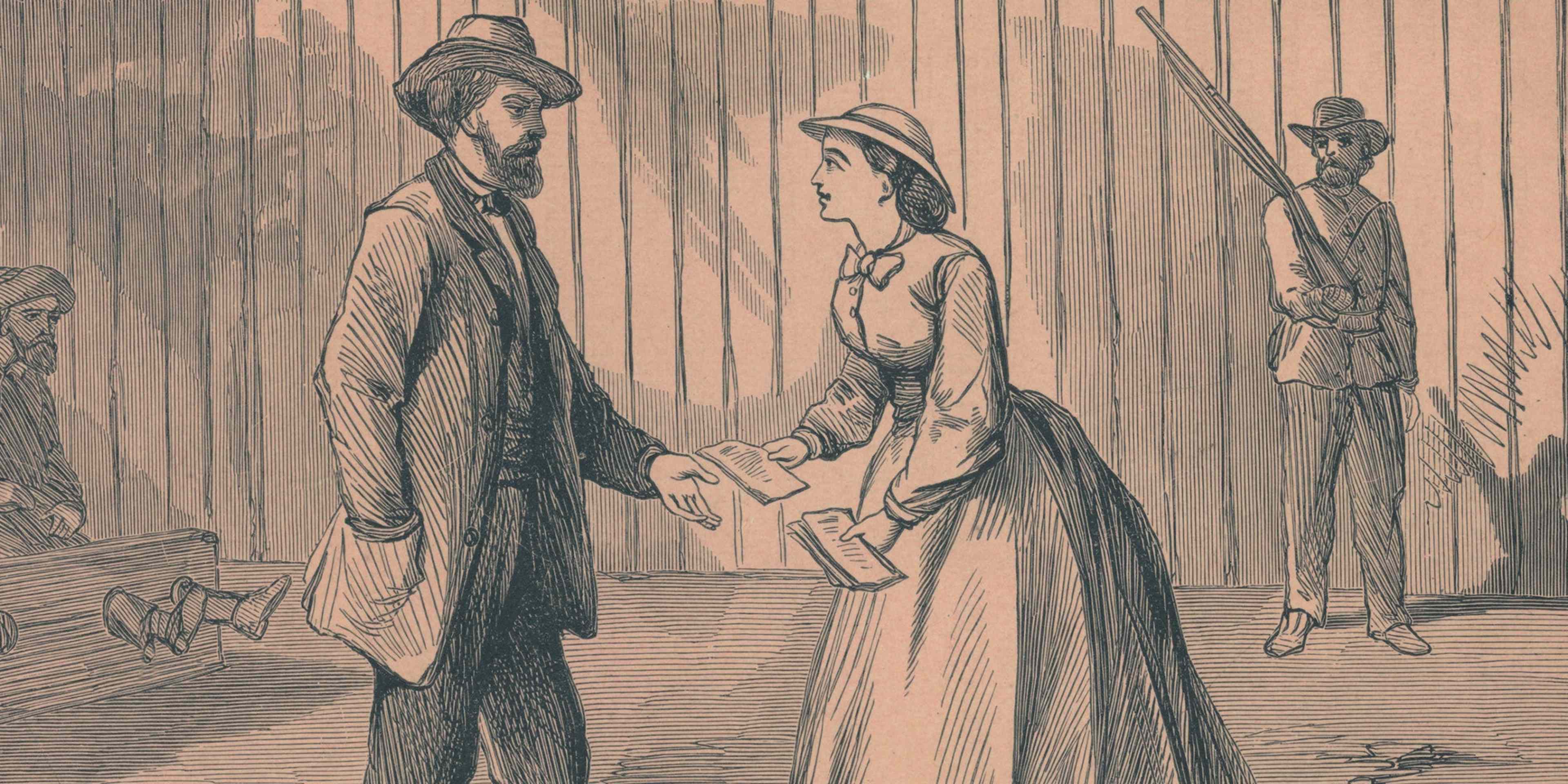
To exploit this proximity, the Confederacy quickly mobilized an informal spy ring in Washington. Virginia Governor John Letcher utilized his political connections to establish a network even before Virginia formally joined the Confederacy. Meanwhile, the Union relied on individual commanders to build their own intelligence-gathering apparatuses, leading to a highly decentralized, competitive, and sometimes chaotic espionage environment.
Timeline of Key Espionage Milestones (1861–1865)
- April 1861: Confederate sympathizer Thomas Jordan establishes a pro-South spy network in Washington, D.C., recruiting high-society widow Rose O’Neal Greenhow.
- July 1861: Greenhow sends coded intelligence across the Potomac River via courier Bettie Duvall, warning of Union movements. This directly leads to the Confederate victory at the First Battle of Bull Run.
- Mid-1861: Union General George B. McClellan hires detective Allan Pinkerton to manage intelligence for the Army of the Potomac, marking the first organized Union espionage effort.
- April 1862: Timothy Webster, the Civil War’s first prominent double agent, is caught and executed by Confederate authorities in Richmond.
- Spring 1862: Confederate Chief Signal Officer William Norris establishes the “Secret Service Bureau” to manage the legendary “Secret Line” communications.
- June 1863: Harriet Tubman guides Union forces in the Combahee River Raid, utilizing intelligence she gathered from local enslaved populations to destroy Confederate supplies and liberate over 700 people.
- April 1865: Lafayette C. Baker, head of the Union’s National Detective Police, directs the massive manhunt to capture Abraham Lincoln’s assassin, John Wilkes Booth.
Key Figures and Their Shadow Legacies
Allan Pinkerton: The Pioneer of Counterintelligence
Before the war, Allan Pinkerton had established a famous detective agency in Chicago. Hired by General George B. McClellan, Pinkerton adopted the alias “E.J. Allen” and built an extensive counterintelligence system in Washington. While he successfully arrested several Confederate spies, his tactical intelligence in the field was notoriously flawed. During the 1862 Peninsula Campaign, Pinkerton consistently overestimated Confederate troop strength by double or triple their actual numbers, paralyzing the cautious McClellan and prolonging the conflict.
Rose O’Neal Greenhow: The Confederate “Wild Rose”
Rose O’Neal Greenhow was a wealthy, influential Washington widow who used her social charm to gather intelligence from high-ranking Northern politicians. Her coded messages delivered the critical warning that allowed Confederate forces to reinforce their positions just before the First Battle of Bull Run. Though Pinkerton eventually placed her under house arrest and imprisoned her in the Old Capitol Prison, Greenhow remained defiant, continuing to smuggle out messages until she was exiled to the South in 1862.
Harriet Tubman: Scout, Spy, and Soldier
Famous for her heroic rescues on the Underground Railroad, Harriet Tubman played a vital, yet long-underappreciated, military role for the Union. Operating in South Carolina, Tubman organized a scouting network of local Black residents who mapped out Confederate positions and river mines. Her intelligence-gathering culminated in the historic Combahee River Raid, making her the first American woman to plan and lead an armed military assault.
Elizabeth Van Lew: “Crazy Bett” of Richmond
Operating directly under the nose of the Confederate government in Richmond, Elizabeth Van Lew ran one of the most successful Union spy rings of the war. A wealthy, highly educated abolitionist, Van Lew adopted a eccentric, disheveled persona to deflect suspicion, earning her the moniker “Crazy Bett.” She successfully placed her former slave, Mary Bowser, as a domestic worker in the Confederate White House, allowing Bowser to read highly sensitive documents on Jefferson Davis’s desk and pass them to Van Lew’s couriers.
Methods of Civil War Espionage
Spies of this era used an array of innovative techniques to transport sensitive intelligence. Messages were frequently written in invisible ink, encrypted using complex Vigenère ciphers, or rolled into tiny metal capsules hidden inside hollowed-out walking canes, buttons, and even ladies’ hair buns.
Communication also relied on high-tech advancements. Historians studying the conflict often explore how President Abraham Lincoln utilized the telegraph to bypass slow military hierarchies and receive direct, real-time intelligence from the front lines. Conversely, the Confederate Secret Service Bureau managed the “Secret Line,” an intricate system of safehouses and hidden river crossings that stretched from Washington, D.C., to Richmond, allowing couriers to pass documents through enemy territory undetected.
Aerial reconnaissance also made its debut. The Union Army Balloon Corps, led by Chief Aeronaut Thaddeus Lowe, utilized gas-filled balloons to spy on Confederate fortifications from thousands of feet in the air, transmitting tactical observations down to officers via telegraph wires.
The Double Agent: Timothy Webster
The high-stakes nature of Civil War espionage is best illustrated by Timothy Webster, a British-born New York police officer recruited by Allan Pinkerton. Sent to Richmond, Webster successfully infiltrated the Confederate Secret Service, gaining the absolute trust of Confederate Secretary of War Judah P. Benjamin. For months, Webster acted as a courier for the South, delivering documents to Maryland secessionists that he first showed to Pinkerton. When Webster fell ill and failed to report, Pinkerton sent two agents to find him, inadvertently exposing Webster’s identity. He was arrested, convicted of espionage, and hanged in Richmond in April 1862, becoming the war’s first executed spy despite Lincoln’s personal threats of retaliation.
Long-Term Impact on America
The shadow war of 1861–1865 profoundly shaped the future of American intelligence, national security, and military doctrine. The chaotic, decentralized nature of early-war spying highlighted the absolute necessity of centralized intelligence, ultimately paving the way for the creation of the Office of Naval Intelligence, the Military Intelligence Division, and eventually the modern intelligence community. The cryptography techniques perfected by both sides laid the foundational groundwork for early telecommunications security.
Furthermore, the war did not simply vanish overnight. Localized resistance and skirmishes continued to break out, illustrating how clashes persisted well after Appomattox. In these fractured regions, intelligence networks remained active to secure peace, combat insurgencies, and enforce the laws of Reconstruction.
Lesser-Known Espionage Facts
- The Charcoal Torpedo: The Confederate Secret Service invented a sabotage device called the “coal torpedo”—a hollow iron casting shaped like a lump of coal, filled with gunpowder, and covered in real coal dust. Smuggled into Union steamship coal bunkers, they caused devastating boiler explosions when shoveled into the furnaces.
- A Transgender Spy: Sarah Emma Edmonds disguised herself as a man named Franklin Thompson to enlist in the 2nd Michigan Infantry. She operated as a Union spy, frequently adopting various disguises, including dressing as an enslaved man and an Irish peddler, to infiltrate Confederate camps.
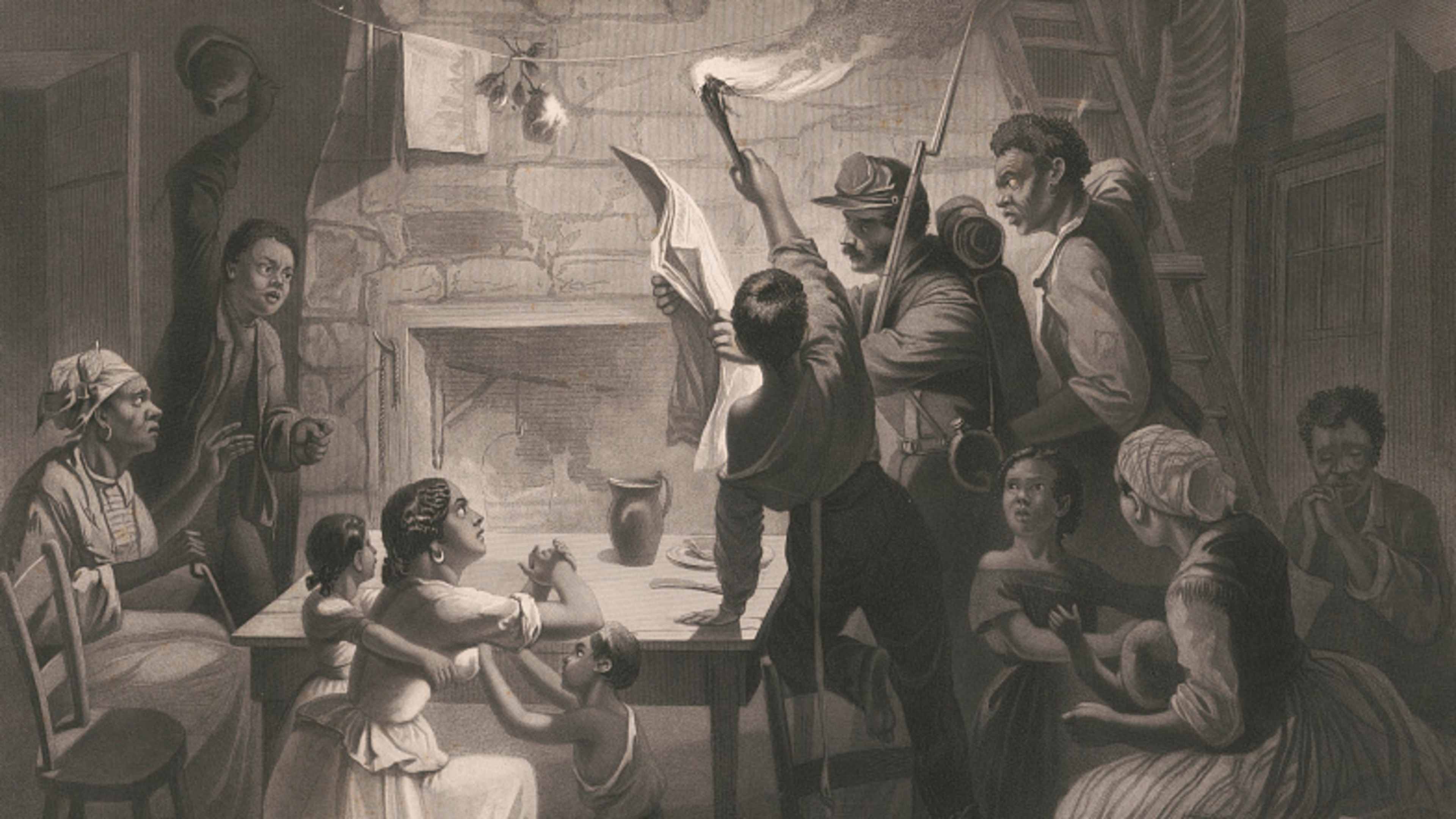
- The Laundress Code: Union sympathizers living in Confederate territories often used their laundry lines to signal troop movements. The color and arrangement of hung garments communicated vital information to watching scouts across riverbanks.
Why It Still Matters Today
The legacy of Civil War espionage resonates deeply in our modern digital landscape. The transition from physical couriers and hot-air balloons to secure telegraph networks mirrors today’s evolution from traditional human intelligence (HUMINT) to sophisticated cyber-intelligence. Moreover, the critical contributions of marginalized figures like Harriet Tubman, Elizabeth Van Lew, and Mary Bowser remind us that American history was shaped not only by those who led armies, but also by those who bravely fought in the shadows for freedom and preservation of the Union.
People Also Ask
Who was the most successful spy of the Civil War?
While success is subjective, Elizabeth Van Lew is widely regarded as one of the most effective Union spies. Her “Richmond Underground” ring successfully funneled highly accurate Confederate political and military secrets to Union commanders throughout the war without her ever being caught.
Did Lincoln have a personal secret service?
No, the official United States Secret Service was not created until July 1865, shortly after Lincoln’s death, and its original purpose was to combat widespread currency counterfeiting. During the war, Lincoln relied on individual detectives like Allan Pinkerton and Lafayette C. Baker for personal protection and intelligence.
How accurate were Civil War balloons?
Civil War reconnaissance balloons were surprisingly effective at mapping out defensive trenches and directing artillery fire. However, their usefulness was limited by weather conditions, wind, and the difficulty of transporting heavy hydrogen-generation equipment across muddy battlefields.
Conclusion
Ultimately, the story of Civil War espionage is a testament to human resourcefulness, courage, and tactical ingenuity. Long before satellites and digital encryptions, ordinary citizens stepped forward to defend their respective causes using nothing but their wits, ciphers, and sheer bravery. By unmasking the stories of these silent operatives, we gain a much deeper, more nuanced appreciation of the invisible forces that helped preserve the United States of America.


