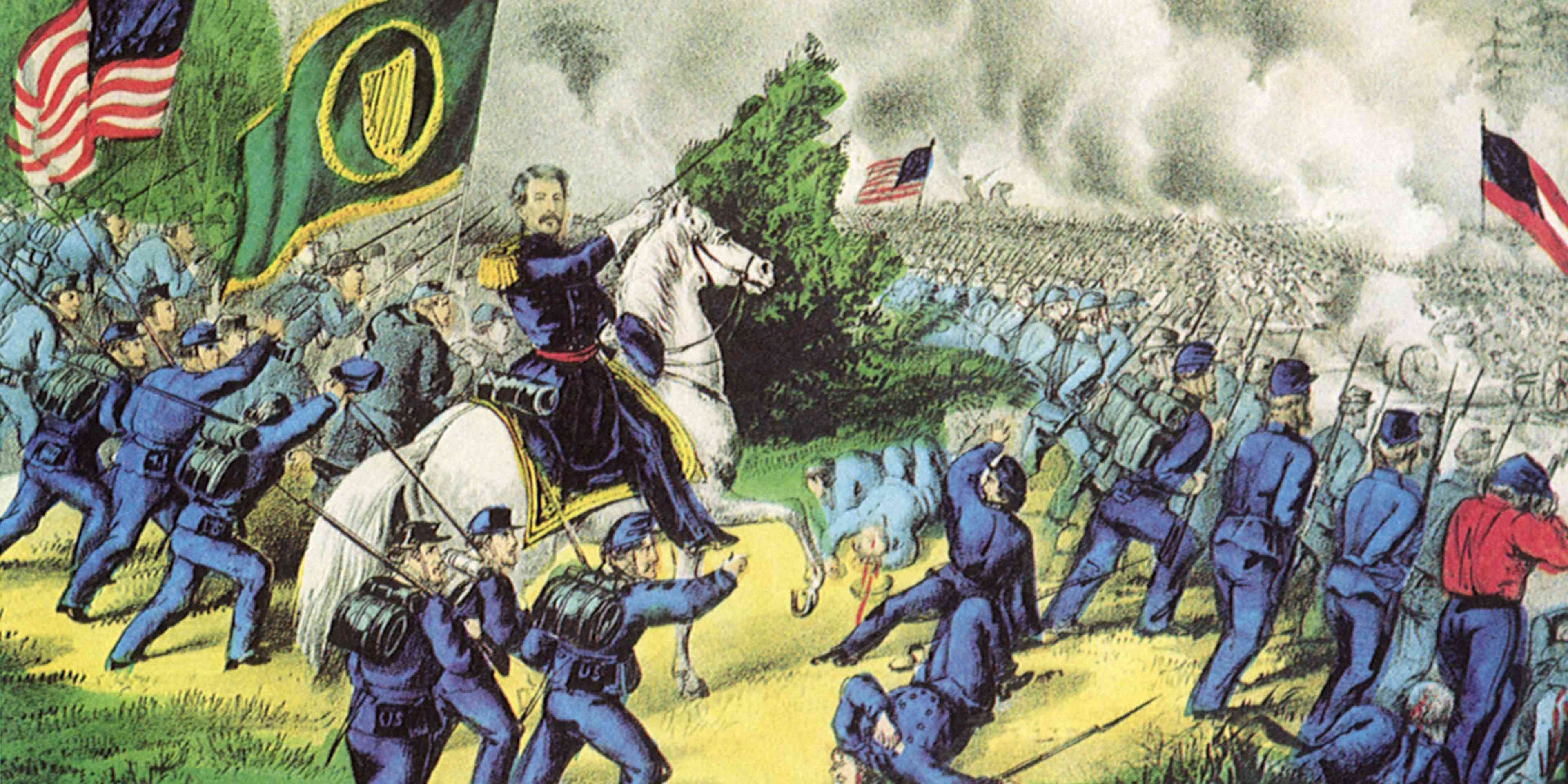
In the fiery crucible of the American Civil War, few combat units achieved a reputation for raw courage, ferocity, and tragic sacrifice as profound as the legendary Irish Brigade. Composed primarily of recent Irish immigrants, this voluntary infantry unit marched onto the nation’s bloodiest battlefields under emerald green banners, determined to prove their loyalty to their adopted home and carve out a respected place in an often-hostile society. Their saga is a complex tapestry of unmatched valor, profound political aspiration, and deep social contradiction that helped shape the trajectory of American Civil War history. From the horrific slopes of Fredericksburg to the turning points of Antietam and Gettysburg, the story of these immigrant soldiers remains one of the most compelling and bittersweet chapters in the annals of American military lore.
Historical Background: The Immigrant Crucible
In the decade preceding the Civil War, the United States experienced a massive influx of Irish immigrants fleeing the devastating Great Famine of 1845–1852. Arriving in ports like New York, Boston, and Philadelphia, these refugees faced rampant nativism, religious discrimination, and severe economic hardship. The anti-Catholic “Know-Nothing” political party openly campaigned against Irish immigrants, labeling them as lazy, untrustworthy, and loyal to the Pope rather than the American Constitution. When the Union fractured in 1861, Irish leaders saw a golden opportunity. By demonstrating conspicuous patriotism and shedding blood on the battlefield, they hoped to silence anti-Irish prejudice, secure a lasting place in the American social fabric, and acquire military training that could eventually be used to liberate Ireland from British rule.
The Formidable Leader: Brigadier General Thomas Francis Meagher
To understand the rise of the Irish Brigade, one must examine its enigmatic and charismatic commander, Thomas Francis Meagher. Born to wealth in Waterford, Ireland, Meagher became a radical nationalist leader in the “Young Ireland” movement of 1848. Arrested for sedition by the British government, he was sentenced to exile in the penal colony of Van Diemen’s Land (modern-day Tasmania). In 1853, Meagher made a daring escape, eventually arriving in New York City, where he became a prominent orator, attorney, and champion of Irish-American rights. At the outbreak of the war, Meagher recognized that a unified Irish unit would give the immigrant community immense political leverage. He tirelessly recruited volunteers, arguing that Irish sacrifice would earn them the respect of native-born Americans. In February 1862, Meagher was commissioned as a Brigadier General to lead the newly formed brigade, which originally consisted of the 63rd, 69th, and 88th New York Volunteer Infantries, later joined by the 29th Massachusetts and the 116th Pennsylvania.
Chronological Timeline of the Irish Brigade
- April 1861: Outbreak of the Civil War; Irish-Americans rush to enlist in local militias.
- February 1862: Thomas Francis Meagher is appointed Brigadier General, and the Irish Brigade is officially constituted.
- September 17, 1862: The Brigade suffers devastating casualties charging the Confederate positions at “Bloody Lane” during the Battle of Antietam.
- December 13, 1862: The legendary, tragic charge at Marye’s Heights during the Battle of Fredericksburg decimates the Brigade’s ranks.
- July 2, 1863: The Brigade fights bravely in the Wheatfield as the Battle of Gettysburg turned the tide of the conflict.
- July 13–17, 1863: Outrage over the draft triggers the violent New York City Draft Riots, revealing deep racial and class divides among the Irish working class.
- June 1864: Suffering from severe attrition and political disillusionment, the original Irish Brigade is officially disbanded, though many soldiers continue to serve.
Valor Amidst Slaughter: The Major Battlegrounds
The reputation of the Irish Brigade was forged in some of the most horrific engagements of the war. During the Peninsula Campaign and the Second Battle of Bull Run, they proved their mettle, but it was at Antietam in September 1862 that their legendary status was sealed. Tasked with storming a sunken road held by entrenched Confederates, the Brigade charged across open ground. Though they did not breach the line, their relentless assault severely weakened the Confederate position at a terrible cost: nearly 60% of the 63rd and 69th New York regiments were killed or wounded.
Just months later, at the Battle of Fredericksburg, the Brigade was ordered to attack a heavily fortified Confederate position atop Marye’s Heights. Charging across an open plain against a stone wall lined with Confederate riflemen, the Irish soldiers were cut down in waves. Despite the impossible odds, they charged repeatedly, drawing admiration from Confederate General Robert E. Lee, who remarked on their astonishing bravery. Of the 1,200 men who marched toward the stone wall, 545 became casualties. The field was literally covered with “Irish blood and Irish bones,” leaving the survivors deeply traumatized.
Disillusionment, the Draft Riots, and the Turning Point
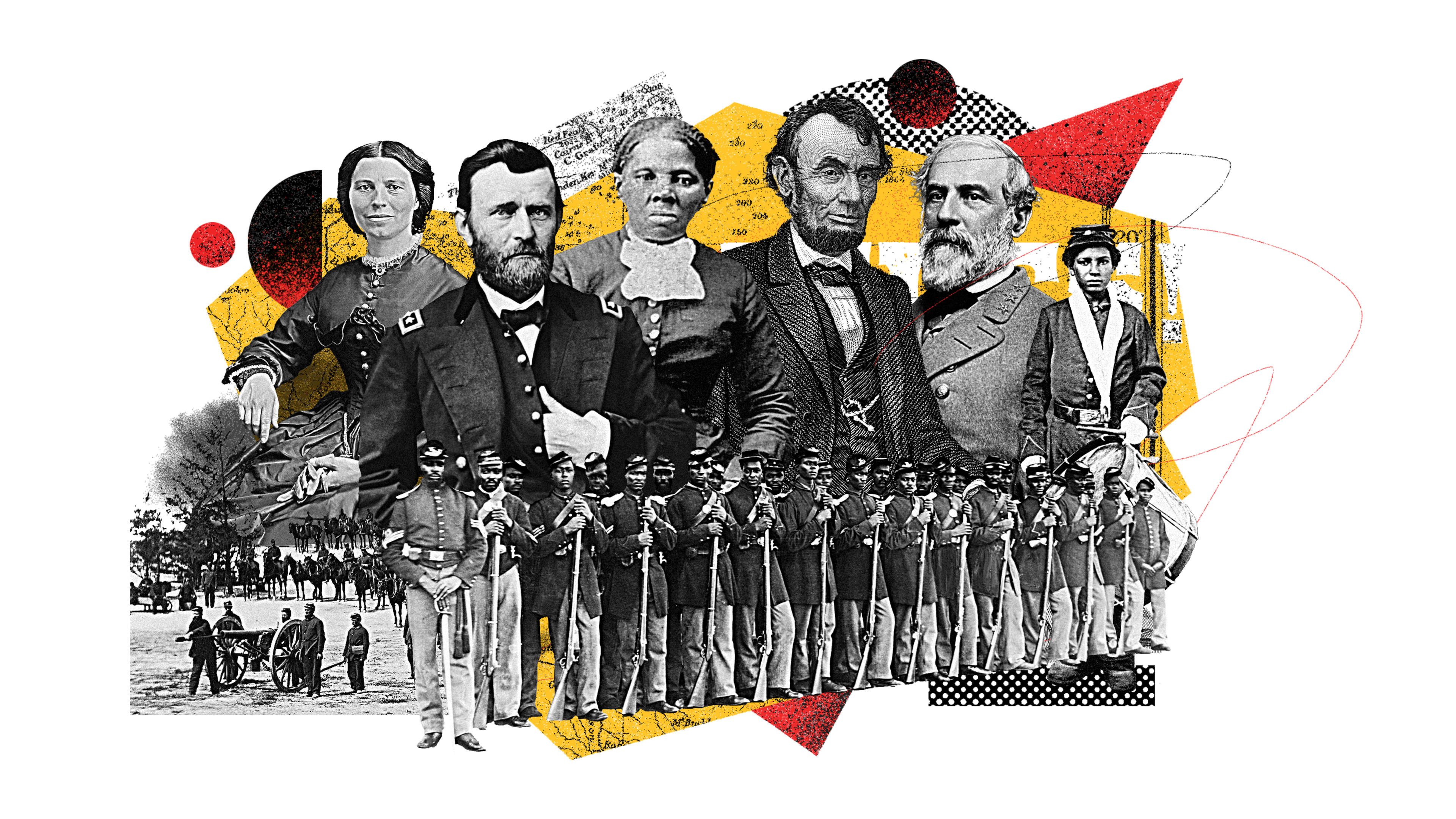
By the summer of 1863, the romantic fervor of the war had faded, replaced by bitter disillusionment. Many Irish soldiers and their families back home felt they were being used as “cannon fodder” by a government that did not truly value them. This resentment peaked with the passage of the National Conscription Act in March 1863. The law allowed wealthy citizens to buy their way out of the draft for $300—a sum far beyond the reach of impoverished Irish laborers, fueling the narrative that this was a “rich man’s war and a poor man’s fight.”
Furthermore, Abraham Lincoln’s Emancipation Proclamation shifted the Union’s war aims from preserving the Union to ending slavery. This shift alienated many Irish immigrants, who feared that millions of newly freed Black Americans would migrate north and compete for low-wage, unskilled jobs. In July 1863, just days after the Battle of Gettysburg, these boiling tensions exploded into the New York City Draft Riots. For five days, mobs of primarily working-class Irishmen wreaked havoc on the city, attacking African-American citizens, burning orphanages, and destroying property. This dark chapter marked the end of unified, enthusiastic Irish support for the Union cause.
Lesser-Known Historical Facts
- The Emerald Banners and the Boxwood: The regiments of the Irish Brigade famously carried green flags adorned with a golden harp, shamrocks, and the Gaelic phrase “Riamh Nar Dhruid O Spairn” (Who Never Retreated from the Clash of Spears). However, at Fredericksburg, their original green flags were so worn out that they had been sent back to New York for replacement. To maintain their identity, the men tucked sprigs of boxwood evergreen into their caps before charging Marye’s Heights.
- Irishmen Fighting Irishmen: At Fredericksburg, the Union’s Irish Brigade charged against a Confederate position defended in part by the 24th Georgia Infantry—a regiment composed largely of Irish immigrants who had settled in the South. This tragic encounter highlighted the complex, fratricidal nature of the conflict.
- The Loyal Wolfhound: The official monument to the Irish Brigade at Gettysburg features a bronze statue of an Irish Wolfhound resting at the foot of a Celtic cross. The dog represents the qualities of steadfastness, loyalty, and vigilance that characterized the soldiers of the Brigade.
Why It Still Matters Today
The legacy of the Irish Brigade is a stark reminder of the complexities of the immigrant experience in America. It highlights how newcomers have historically used military service as a pathway to citizenship, social acceptance, and political empowerment. Their story is not a simple fairy tale of patriotism; it is a nuanced historical narrative that encompasses both supreme sacrifice on the battlefield and the ugly realities of racial and economic strife on the home front. Today, their legacy is commemorated in monuments across the country, serving as a testament to the diverse forces that forged modern America.
People Also Ask
Who was the commander of the Irish Brigade?
The Irish Brigade was commanded by Brigadier General Thomas Francis Meagher, a famous Irish nationalist who had escaped British exile in Australia before becoming a prominent leader in New York.
What was the flag of the Irish Brigade?
The Irish Brigade famously carried distinctive green flags featuring a golden Irish harp, surrounded by shamrocks, with Gaelic slogans celebrating their heritage and courage.
Why did the Irish Brigade suffer so many casualties?
Because of their reputation for bravery and toughness, Union commanders often utilized the Irish Brigade to lead dangerous frontal assaults in major battles like Antietam and Fredericksburg, resulting in devastating loss of life.
Conclusion
The story of the Irish Brigade during the Civil War remains one of the most poignant narratives in American history. These immigrant soldiers, driven by a desire to escape discrimination and secure their future, fought with unparalleled ferocity under their green banners. Though their journey ended in exhaustion, political division, and tragedy, their incredible bravery forever altered the perception of Irish-Americans, securing their place in the heart of the American story.


