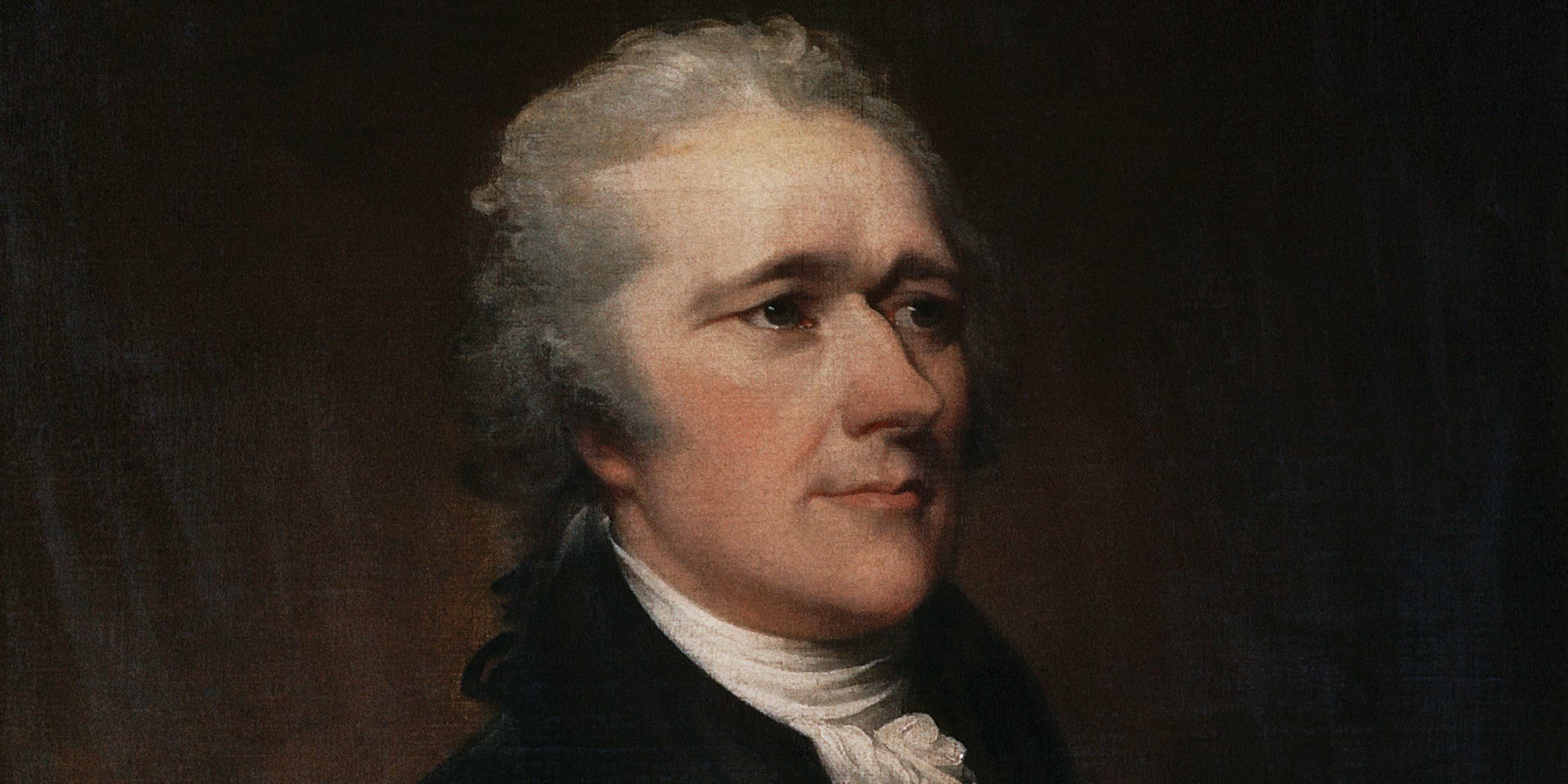
Alexander Hamilton remains one of the most mesmerizing and debated figures in early American history. Popularized in the modern consciousness as a progressive, forward-thinking visionary, Hamilton’s legacy is often painted in clean, heroic strokes. However, his relationship with the institution of slavery was deeply complex, riddled with systemic contradictions, compromised ideals, and historical blind spots. While he frequently expressed an intellectual abhorrence of human bondage and advocated for the capabilities of Black people, Hamilton’s personal, financial, and political actions repeatedly intersected with the slave trade. To understand the true depth of his character, one must look past the theatrical mythos and examine the sobering realities of his upbringing in the Caribbean, his strategic marriage into a wealthy slave-owning dynasty, and his role in a young nation built on compromise.
Historical Background: Born into the Caribbean Slave Machine
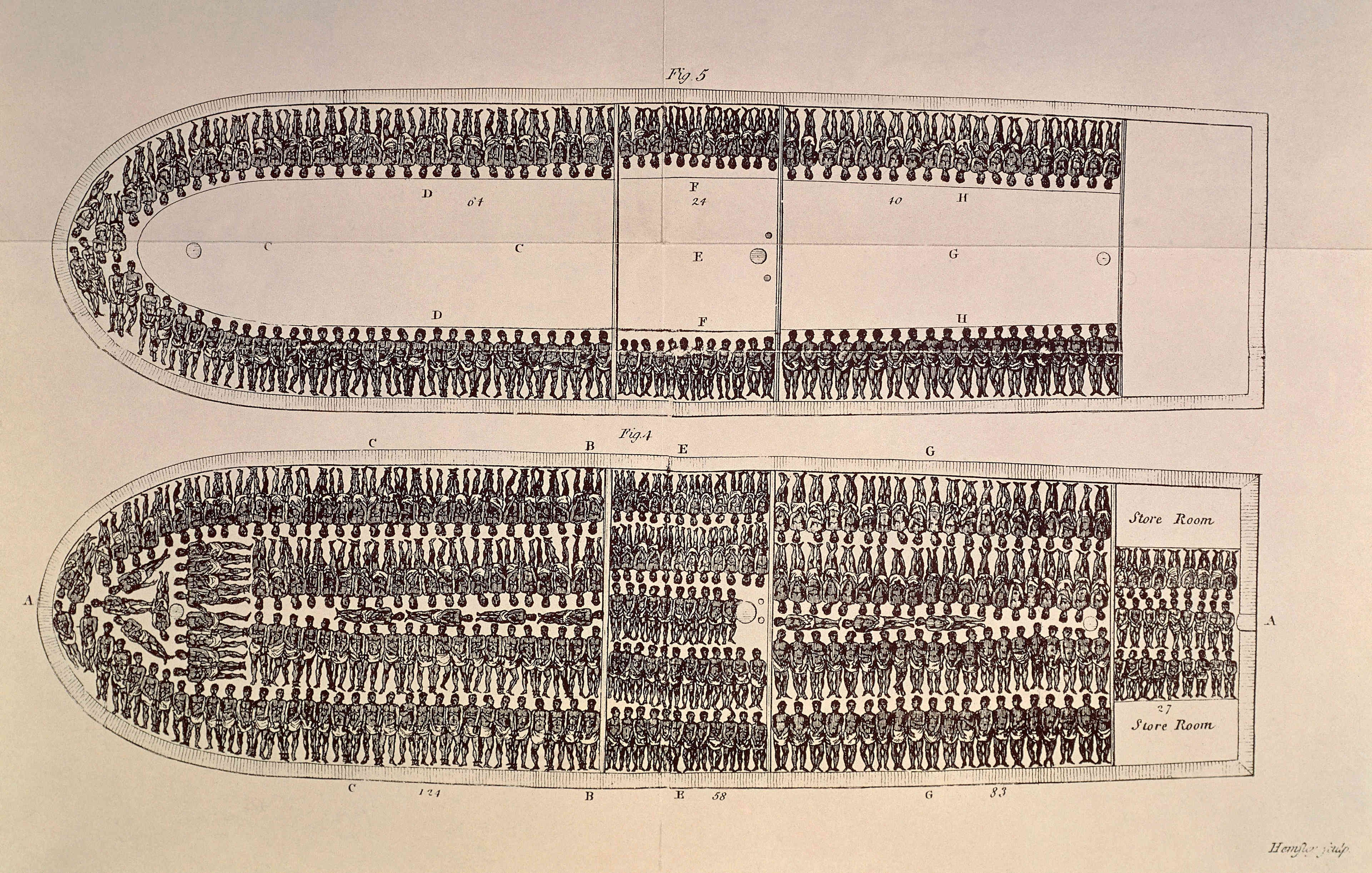
Alexander Hamilton’s early life was framed by the brutal mechanics of the transatlantic slave trade. Born out of wedlock on the island of Nevis, Hamilton grew up in an environment where human bondage was not a distant political debate, but a daily, visceral reality. While exploring the surprising aspects of his early life and career, historians emphasize how his Caribbean roots fundamentally shaped his worldview. In 1765, his family relocated to St. Croix, an island dominated by sugar cultivation—the lucrative ‘white gold’ of the 18th century. Out of the island’s 24,000 residents, roughly 22,000 were enslaved Africans enduring unfathomable cruelties on sugar plantations.
Even though the Hamilton family was far from wealthy, they were active participants in this slave-holding society. Hamilton’s mother, Rachel Faucette, owned several enslaved people. She hired out five enslaved individuals to supplement her income and kept four boys as domestic servants. Upon her death in 1768, she bequeathed an enslaved boy named Ajax to Hamilton. However, because of his illegitimate birth, local courts denied Hamilton his inheritance, and Ajax was instead awarded to Hamilton’s half-brother. This early exposure to the physical and administrative realities of slavery deeply marked the future Treasury Secretary.
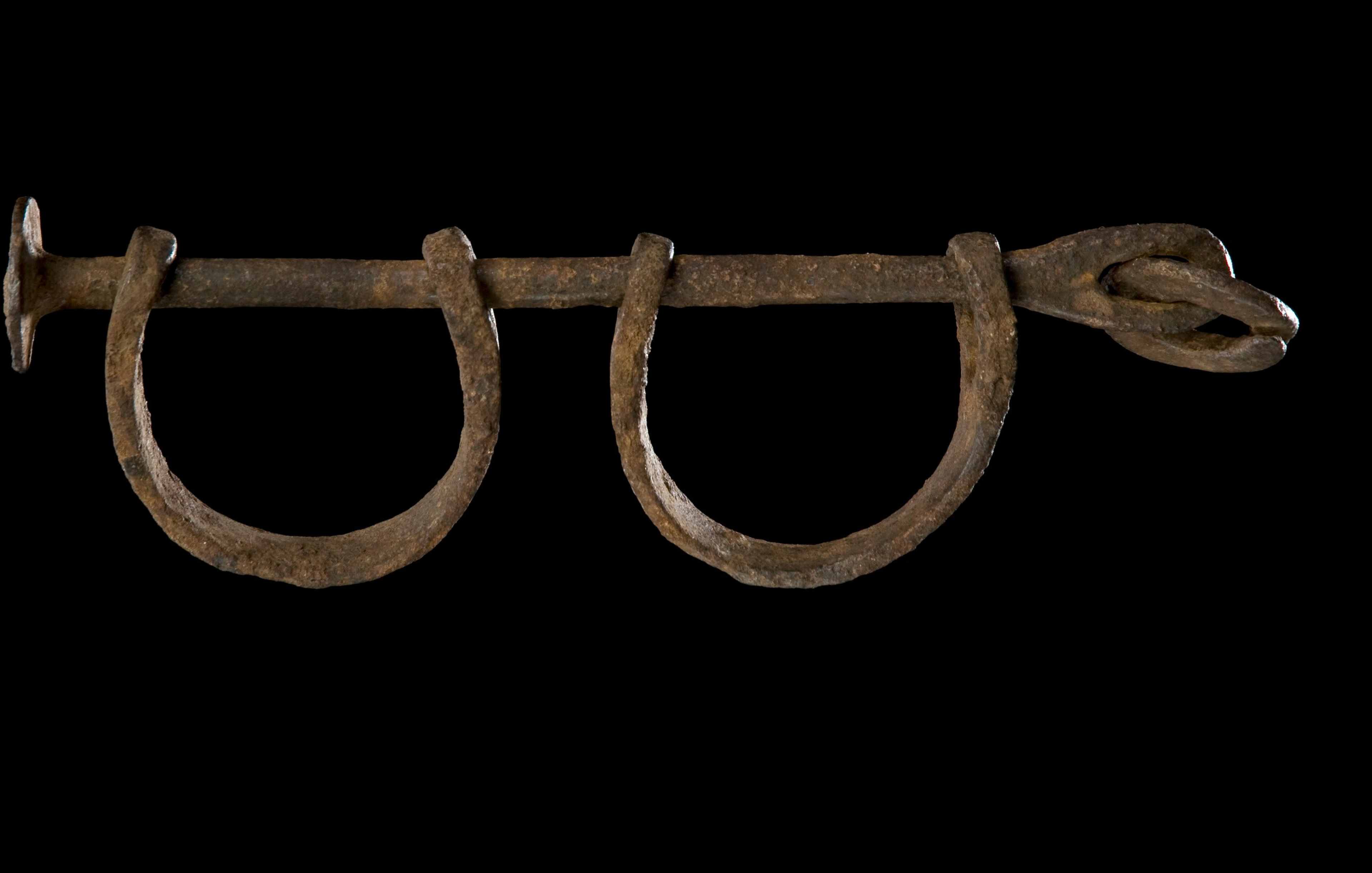
During his teenage years, Hamilton worked as a clerk for Beekman and Cruger, an international mercantile firm in St. Croix. This business imported essential goods for the plantation economy, including human cargo. Hamilton was responsible for tracking shipments, documenting cargo, and inspecting the physical condition of enslaved Africans arriving after the harrowing Middle Passage. His early writings, including a 1772 letter requesting the acquisition of ‘two or three poor boys’ to work on plantations, demonstrate that he was thoroughly integrated into the vocabulary and operations of human trafficking.
Causes and Context: The Price of Social and Political Ambition
Hamilton’s journey from a penniless Caribbean clerk to an American Founding Father is a classic tale of ambition, intellect, and strategic alliances. However, that climb to the top required navigating a colonial society where wealth and power were systematically tethered to slavery. When a group of wealthy St. Croix businessmen funded Hamilton’s education in the colonies, he entered King’s College (now Columbia University) in New York. There, he was surrounded by elite families whose fortunes were built on the slave trade. Many of his classmates brought enslaved personal servants to campus, and several university trustees were prominent slave merchants.
To establish himself among the American elite, Hamilton had to manage his personal beliefs carefully. While serving as George Washington’s aide-de-camp during the Revolutionary War, Hamilton witnessed firsthand how the commander-in-chief managed his massive estate at Mount Vernon, which enslaved over a hundred people. Hamilton was highly cautious about challenging Washington or other high-ranking southern officers on the morality of slavery, prioritizing military cohesion and his own advancement over moral crusades. This pattern of balancing personal distaste for slavery against practical political objectives would define his entire career.
Key Events Timeline: Hamilton’s Intersections with Slavery
- 1755/1757: Alexander Hamilton is born on the Caribbean island of Nevis, a hub of the transatlantic slave trade.
- 1765: The family moves to St. Croix, exposing Hamilton directly to the brutal sugar plantation economy.
- 1768: Following his mother’s death, Hamilton is denied the inheritance of an enslaved boy named Ajax due to his illegitimate birth.
- 1769–1772: Hamilton works as a clerk for Beekman and Cruger, managing shipping manifests that include enslaved laborers.
- 1779: Hamilton passionately supports John Laurens’ revolutionary proposal to recruit and free enslaved soldiers in South Carolina.
- 1780: Hamilton marries Elizabeth Schuyler, aligning himself with one of New York’s wealthiest slave-owning families.
- 1785: Hamilton co-founds the New York Manumission Society to advocate for the gradual abolition of slavery.
- 1787: At the Constitutional Convention, Hamilton supports the Three-Fifths Compromise to secure southern support for the federal union.
- 1796: Hamilton’s financial cash book records a $250 transaction to his father-in-law for ‘2 Negro servants,’ sparking historical debate over his personal slave ownership.
Important Figures and Their Historic Roles
Several key historical figures directly influenced Hamilton’s shifting positions on human bondage:
- John Laurens: A close friend and fellow military aide, Laurens was a radical abolitionist from South Carolina. He proposed arming enslaved men to fight the British in exchange for their permanent freedom. Hamilton was a vocal champion of Laurens’ plan, writing to the Continental Congress that Black soldiers possessed ‘natural faculties’ equal to white men. However, the plan was ultimately rejected by southern politicians, and Laurens was killed in battle in 1782, ending Hamilton’s most active abolitionist alliance.
- General Philip Schuyler: Hamilton’s powerful father-in-law, who enslaved up to 27 people at his estate in Albany, New York. Schuyler relied on enslaved labor for both agricultural wealth and domestic comfort. Through his marriage, Hamilton became financially entwined with the Schuyler estate, regularly managing transaction ledgers that included the buying and selling of human beings.
- Elizabeth Schuyler Hamilton: Hamilton’s wife, who grew up surrounded by enslaved domestic servants. In the decades following Hamilton’s tragic death in a duel, historians look closely at how his widow, Elizabeth Schuyler Hamilton, preserved his legacy. While she dedicated her life to charitable works, including founding New York’s first private orphanage, her family’s deep-seated reliance on enslaved labor remained an unaddressed aspect of their shared history.
Major Turning Points: Compromise and Contradiction
The duality of Hamilton’s career is best illustrated by two major turning points: his leadership in the New York Manumission Society and his actions during the 1787 Constitutional Convention. In 1785, Hamilton helped establish the New York Manumission Society, which pushed for gradual emancipation and founded the New York African Free School. This organization represented a genuine effort to challenge the legal basis of slavery in the North. However, the society was rife with hypocrisy; over half of its founding members were active slaveholders. When Hamilton proposed a rule requiring members to gradually free their own enslaved workers, the initiative was soundly defeated, demonstrating the limits of his reformist influence.
The ultimate turning point occurred during the Philadelphia Convention of 1787. To construct a durable federal government, Hamilton and his fellow delegates recognized that southern states would not join a union that threatened slavery. Consequently, Hamilton supported the notorious Three-Fifths Clause, which counted three-fifths of the enslaved population for representation and taxation. He justified this concession by arguing that without such compromises, no functional union could have been forged. This compromise highlights how the Founding Fathers structured the early American republic by prioritizing national stability and economic power over human rights, embedding systemic inequality into the nation’s founding charter.
Lesser-Known Facts About Hamilton’s Ties to Slavery
History is often filled with nuanced anecdotes that challenge simplified narratives. Here are three lesser-known facts about Hamilton’s relationship with slavery:
- The Financial Agent of the Schuyler Dynasty: Hamilton did not just tolerate slavery; he actively facilitated it for his family. His financial ledgers show that he brokered the purchase and sale of enslaved domestic servants for his sister-in-law, Angelica Church, and his father-in-law, Philip Schuyler.
- The Personal Slaveholder Debate: While many biographers historically claimed Hamilton never personally owned enslaved people, his own account books present a more complicated picture. A 1796 cash book entry records a payment of $250 to Philip Schuyler for ‘2 Negro servants purchased by him for me.’ While some argue these individuals were hired servants, his grandson, Allan McLane Hamilton, explicitly wrote in 1910 that Hamilton did indeed purchase enslaved people for his own household.
- The Denied Inheritance of Ajax: As a young teenager, Hamilton’s first legal interaction with the institution of slavery was losing ownership of a young enslaved boy named Ajax. Had the St. Croix courts not ruled Hamilton ‘illegitimate,’ he would have entered adulthood as a legal slave owner in the Caribbean.
Long-Term Impact on the American Story
Hamilton’s pragmatic approach to slavery set a precedent that would dominate American politics for nearly a century. By prioritizing economic growth, fiscal stability, and federal unity over immediate abolition, Hamilton and his contemporaries kicked the problem of slavery down the road. The gradual abolition model championed by the New York Manumission Society successfully ended slavery in the North over several decades, but it also allowed the South to deepen its reliance on cotton and slave labor. This growing economic and cultural divergence ultimately led to the catastrophic outbreak of the American Civil War.
Why This History Matters Today
In the modern era, Alexander Hamilton has been celebrated as an immigrant success story and an egalitarian hero. However, a rigorous analysis of his historical record reveals a far more complex figure. Understanding Hamilton’s compromised relationship with slavery forces us to confront the systemic nature of early American wealth. It reminds us that historical progress is rarely linear or pure. By examining both his anti-slavery ideals and his complicity in the slave system, we gain a more honest, mature, and complete understanding of the foundations of the United States.
People Also Ask (FAQ)
Did Alexander Hamilton own slaves?
While Hamilton was historically framed as a non-slaveholder, primary financial records and his grandson’s biography indicate he purchased and sold enslaved domestic workers for his family and likely owned enslaved servants within his own household.
What was the New York Manumission Society?
Founded in 1785 by Hamilton, John Jay, and other elites, the society advocated for the gradual emancipation of enslaved people in New York and established the African Free School, though many of its members continued to hold people in bondage.
How did Hamilton’s marriage affect his stance on slavery?
By marrying Elizabeth Schuyler, Hamilton gained access to immense wealth and political power, but he also became financially tied to one of New York’s largest slave-owning families, frequently managing transactions involving enslaved laborers on behalf of his in-laws.
Conclusion: The Pragmatic Idealist
Ultimately, Alexander Hamilton’s relationship with slavery was defined by a profound conflict between his moral ideals and his political pragmatism. He possessed a progressive view of racial equality that was rare for his era, yet he repeatedly compromised those beliefs to secure his social standing, personal fortune, and the survival of the United States. By acknowledging both his efforts to promote gradual emancipation and his active participation in the slave economy, we move closer to a truthful, nuanced appreciation of this complex Founding Father.


