The American Revolutionary War is traditionally remembered as a noble struggle for liberty and self-governance, yet this quest for freedom initially excluded an entire demographic: enslaved African Americans. As the Continental Congress and American patriots clamored for liberation from British tyranny, they simultaneously preserved a system of brutal chattel slavery. In this atmosphere of deep contradiction, thousands of enslaved men who fought for the British saw an alternative path to personal independence. Seizing upon the chaos of the conflict, upwards of 20,000 formerly enslaved people risked everything to align with the British Empire. This mass movement became not just a tactical military alignment, but one of the largest and most significant slave rebellions in early American history, permanently reshaping the socio-political landscape of the Atlantic world.
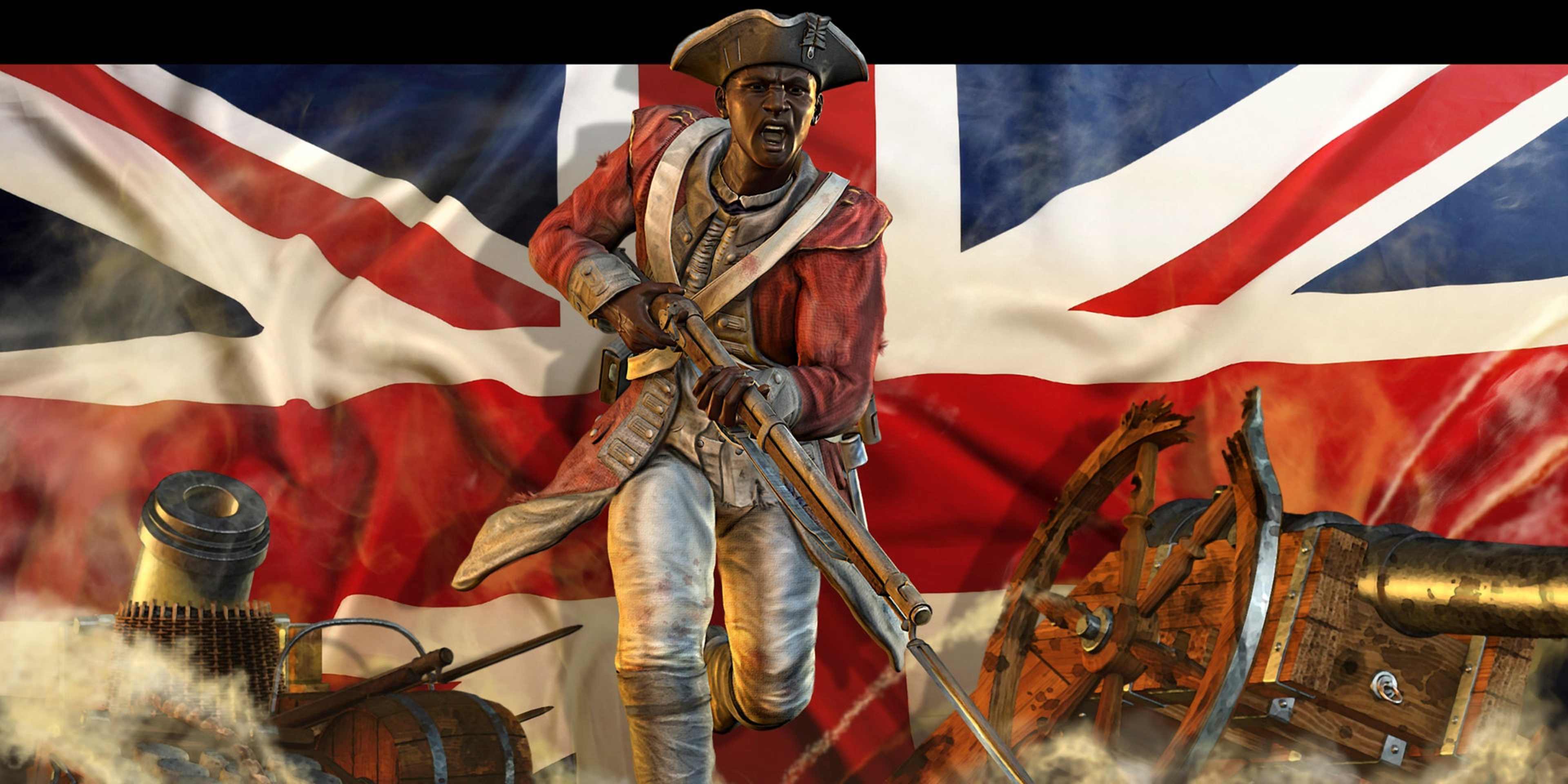
The Strategic Paradox: Liberty Banned and Liberty Offered
In the spring of 1775, as colonial militia forces clashed with British regulars at Lexington and Concord, African Americans—both free and enslaved—sought to join the fight. However, the American leadership was deeply hesitant. On November 12, 1775, General George Washington formally decreed that “neither negroes, boys unable to bear arms, nor old men” were permitted to enlist in the Continental Army. This decision was heavily influenced by Southern slaveholders who feared that arming Black men would trigger a massive slave insurrection.
Sensing a massive tactical vulnerability, Great Britain acted swiftly. The British high command realized that the colonial economy and war effort relied entirely on enslaved labor. By offering freedom to those who fled their rebel masters, the British could simultaneously bolster their own ranks and cripple the agricultural engine of the American rebellion. This tactic was part of the appalling way the British tried to recruit Americans and exploit local weaknesses to crush the insurrection.
Timeline of the Black Loyalist Struggle
The journey of the Black Loyalists unfolded through several critical moments during the Revolutionary War:
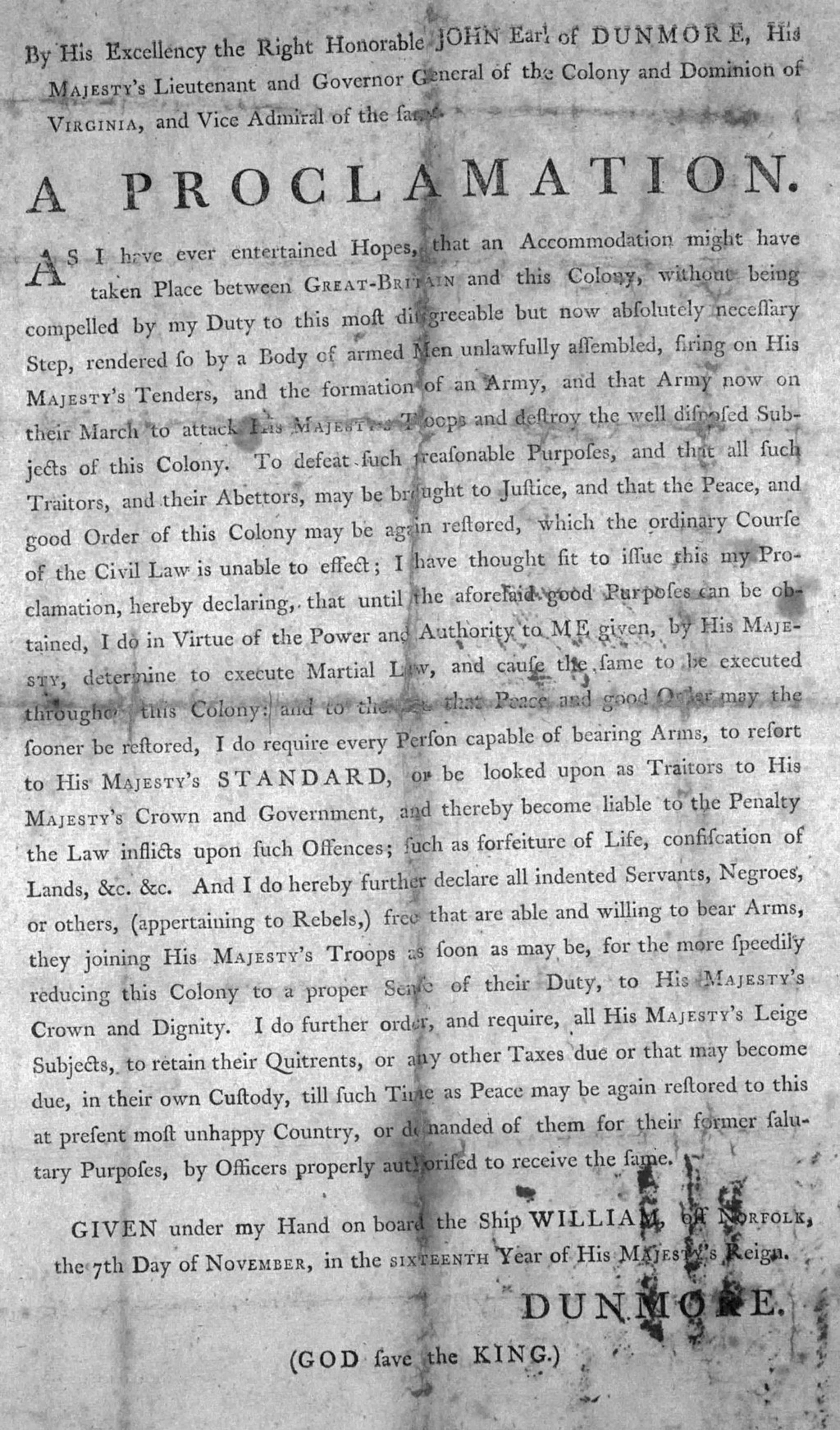
- November 7, 1775: Lord Dunmore, the royal governor of Virginia, secretly drafts his landmark proclamation.
- November 12, 1775: George Washington officially bans Black soldiers from enlisting in the Continental Army.
- November 14, 1775: Dunmore formally publishes the proclamation, offering freedom to any enslaved person owned by rebels who escapes and bears arms for the British.
- 1776: The formation of the “Ethiopian Regiment,” an all-Black Loyalist unit whose members wore uniforms emblazoned with the words “Liberty to Slaves.”
- June 30, 1779: General Henry Clinton issues the Philipsburg Proclamation, expanding Dunmore’s decree to grant freedom to all escaping enslaved people, regardless of whether they fought or performed labor.
- October 1781: The British defeat at the Siege of Yorktown throws the future of thousands of Black Loyalists into profound uncertainty.
- November 1782: Peace negotiations dictate that British forces must not carry away American property, including enslaved people, sparking an intense diplomatic standoff.
- 1783: The creation of the “Book of Negroes” and the subsequent evacuation of 3,000 Black Loyalists to Nova Scotia.
- 1792: Dissatisfied with their treatment in Canada, over 1,200 Black Loyalists migrate to Sierra Leone, establishing Freetown.
Prominent Historical Figures of the Black Loyalist Movement
The history of these freedom-seekers is illuminated by several extraordinary individuals who navigated the treacherous waters of the war:
Lord Dunmore (John Murray)
As the last royal governor of Virginia, Dunmore acted out of military pragmatism rather than humanitarian abolitionism. Needing to bolster his dwindling forces, his November 1775 proclamation was a desperate bid to maintain British control. Though he limited the offer only to enslaved people owned by active rebels, his decree set off an irreversible chain reaction.
Harry Washington
An African-born man enslaved by George Washington at Mount Vernon, Harry escaped in 1776 to join Dunmore’s forces. He rose to the rank of corporal in the Black Pioneers and participated in major campaigns. During the war, while George Washington was coordinating military strategies, how George Washington used spies to win the American revolution was central to his campaigns, but he could not prevent his own laborers from seeking freedom with the enemy. Harry eventually evacuated to Nova Scotia and later led a rebellion for democratic rights in Sierra Leone.
Colonel Tye (Titus Cornelius)
An escaped enslaved man from New Jersey, Titus Cornelius became the most feared guerrilla commander of the war. Operating under the name Colonel Tye, he led the Black Brigade in highly effective raids against rebel plantations, disrupting supply lines and liberating dozens of enslaved people before dying of a wound infection in 1780.
Wartime Context: A War Within a War
To understand why so many took this dangerous leap, one must examine the geopolitical forces at play. The British Empire was fighting a global war, stretched thin across multiple continents. Striking at the institution of slavery was a highly effective asymmetric warfare strategy. However, the British had to tread carefully. They did not want to alienate wealthy white Loyalists in the South who also held slaves. Consequently, both Dunmore’s and Clinton’s proclamations were carefully worded to apply only to the enslaved workers of rebel masters. Enslaved people who fled from Loyalist masters were routinely returned to their owners, demonstrating that British policy was dictated by military utility rather than a genuine moral opposition to slavery.
Turning Points: From Laborers to Armed Combatants
Initially, British commanders were hesitant to put weapons in the hands of Black men, fearing it would provoke extreme white backlash. Early on, runaway men, women, and children were primarily employed as laborers, blacksmiths, cooks, and nurses. However, as British casualties mounted, the tactical necessity of arming Black Loyalists became undeniable. The expansion of the policy through the Philipsburg Proclamation in 1779 marked a major turning point, legally protecting any escaped enslaved person and leading to the creation of armed combat units like the Black Pioneers, which proved crucial in the Southern campaigns.
The Legacy of the Exodus and the Diaspora
The choice made by these brave men and women left a deep, enduring mark on the Atlantic world. When the war ended, American negotiators like John Adams and Henry Laurens demanded the return of all “escaped property.” However, British commander Sir Guy Carleton refused, arguing that delivering people who had trusted British promises back into chattel slavery would be a dishonorable act. This stand led to the compilation of the Book of Negroes, the first massive historical ledger of Black people in North America. The evacuation of thousands of Black Loyalists to Nova Scotia, London, and later Sierra Leone represented one of the earliest modern strides for freedom in American history, laying the foundations for the global Pan-African movement.
Fascinating and Lesser-Known Facts
- Patrick Henry’s Runaways: Patrick Henry, famous for his impassioned cry of “Give me liberty, or give me death!”, ironically had several of his own enslaved workers escape to the British forces to claim the very liberty he spoke of.
- The Epidemic in the Floating Cities: Thousands of runaways who reached Dunmore’s ships on the Chesapeake Bay were struck down by a devastating smallpox epidemic. Despite the horrific conditions, the stream of escaping people did not stop.
- A Royal Return to Africa: Nearly a decade after the war ended, over 1,200 Black Loyalists in Nova Scotia gathered to sail to West Africa, successfully establishing the colony of Sierra Leone and becoming pioneers of self-governance.
Why This History Matters Today
The story of the Black Loyalists exposes the complex, often contradictory foundations of American democracy. It challenges the simplistic binary narrative of the Revolutionary War by showing that for thousands of people, the “enemy” was the source of liberation, and the “patriots” were the oppressors. Understanding this history is essential for modern discussions around systemic inequality, historical memory, and the diverse ways individuals have defined and fought for their personal freedom.
People Also Ask (FAQ)
Did the British actually free the slaves who fought for them?
Yes, the British did grant certificates of freedom to thousands of escaped enslaved people who had reached their lines before November 30, 1782. However, this freedom was often accompanied by extreme economic hardship and racial discrimination in post-war settlements like Nova Scotia.
What was the Ethiopian Regiment?
The Ethiopian Regiment was a military unit formed by Lord Dunmore in 1775, consisting of escaped Black Loyalists. They wore sashes reading “Liberty to Slaves” and served as both combatants and construction forces during the early phase of the war.
What was the Book of Negroes?
The Book of Negroes was an official British registry created in 1783. It recorded the names, ages, and escape details of approximately 3,000 Black Loyalists to verify their eligibility for evacuation and protect them from being reclaimed by American slaveholders.
Conclusion
The history of the enslaved men who fought for the British is a powerful testament to the human desire for self-determination. By seizing on Dunmore’s and Clinton’s proclamations, these individuals staged one of the most remarkable acts of rebellion in early American history. Their journey from the plantations of the American South to the shores of Canada and the forests of Sierra Leone remains an inspiring, complex chapter in the global pursuit of human rights.


