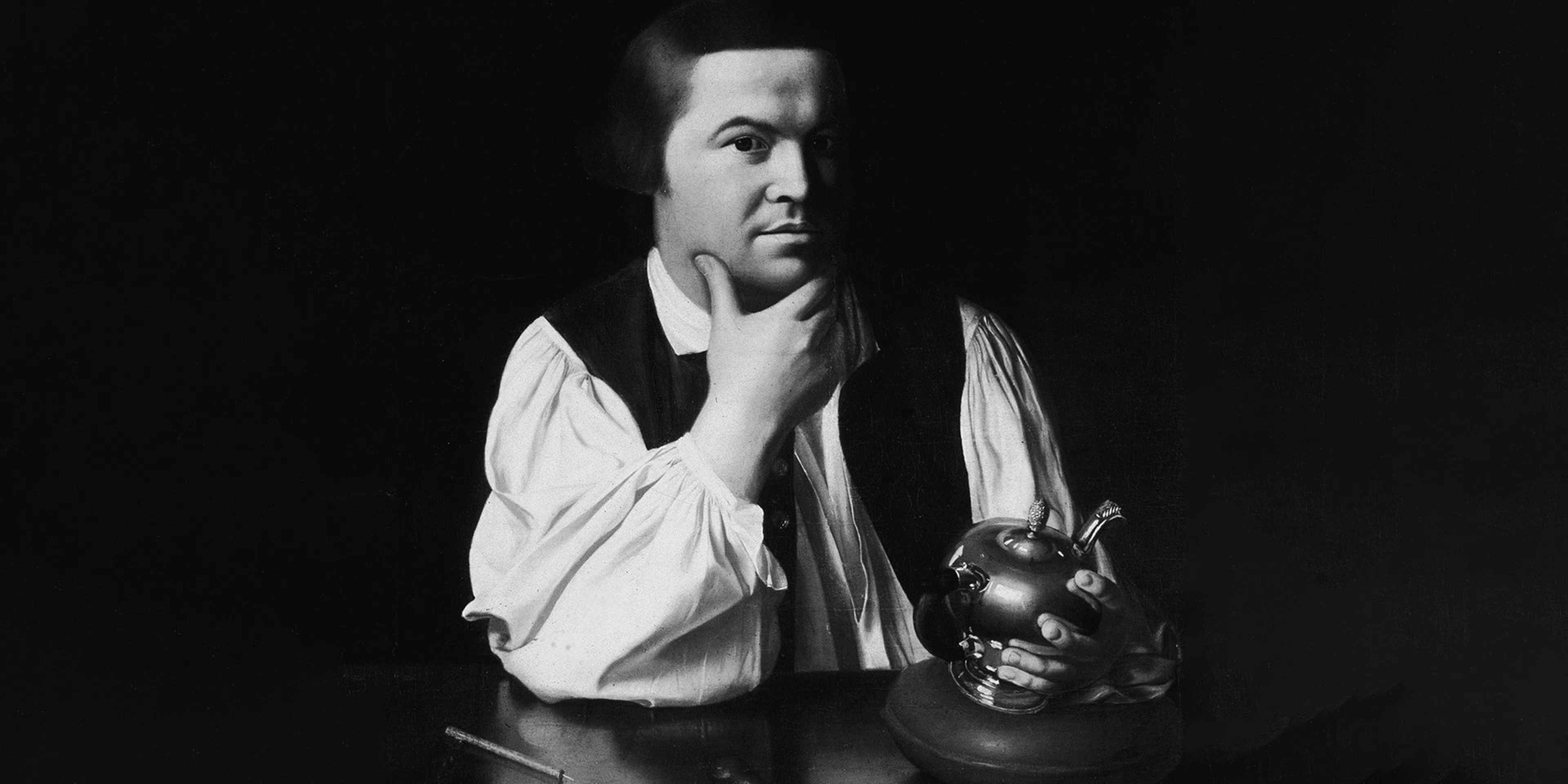
Paul Revere remains one of the most recognizable figures of the American Revolution, immortalized in history as the lone, heroic horseman who woke the countryside with warnings of a British invasion. Yet, the real-life Paul Revere was far more complex than the myth created by nineteenth-century poets. A master silversmith, dental pioneer, resourceful industrialist, and brilliant political propagandist, Revere’s contributions went far beyond his legendary midnight ride. Living in the pressure cooker of colonial Boston, he helped ignite a rebellion that would forever alter the course of human history. To understand Revere is to understand the raw, volatile nature of early American resistance, where local communities fought to secure their liberties from an overbearing empire. Let’s peel back the layers of myth to explore the actual events, the political intrigue, and the historical reality of Paul Revere’s extraordinary life and legacy.
Historical Background and the Spark of Rebellion
At the close of the French and Indian War in 1763, Great Britain found itself burdened with immense national debt. Seeking to offset these costs, the British Parliament enacted a series of aggressive taxation acts upon the American colonists. As tensions boiled across the thirteen American colonies, Boston quickly transformed into the epicenter of colonial resistance. The slogan “no taxation without representation” became a rallying cry for colonists who felt stripped of their constitutional rights as Englishmen.
Born in Boston’s North End in late 1734, Paul Revere was the son of a French Huguenot silversmith. After completing an apprenticeship under his father and briefly serving in the French and Indian War, Revere returned to run the family business. Gifted with immense resourcefulness, he expanded his trade to engraving, casting church bells, and even practicing early dentistry. However, it was his growing association with local political activists, including Samuel Adams and Dr. Joseph Warren, that cemented his path. Revere joined the rebellious Sons of Liberty, a clandestine group dedicated to undermining British authority and rallying popular support for independence.
The Boston Massacre and the Power of Propaganda
On March 5, 1770, long-simmering hostilities erupted on Boston’s King Street. A hostile crowd of colonists confronted a small detachment of British soldiers guarding the Customs House. In the ensuing chaos, the soldiers opened fire, killing five unarmed citizens, including a dockworker named Crispus Attucks. The event, quickly dubbed the Boston Massacre, shocked the colonies.
Recognizing the political power of this tragedy, Revere acted as a master propagandist. He acquired a drawing of the event by Henry Pelham, engraved it onto a copper plate, and quickly distributed hundreds of hand-colored prints. Revere’s engraving deliberately depicted the British soldiers standing in an organized line, firing a coordinated volley into an orderly, helpless crowd. Before the advent of modern newspapers and when early colonial communication networks were relies of word-of-mouth, this stark visual propaganda was incredibly effective in fueling anti-British outrage and uniting the colonies in shared grief and fury.
Chronology of a Revolution: The Midnight Ride of April 18, 1775
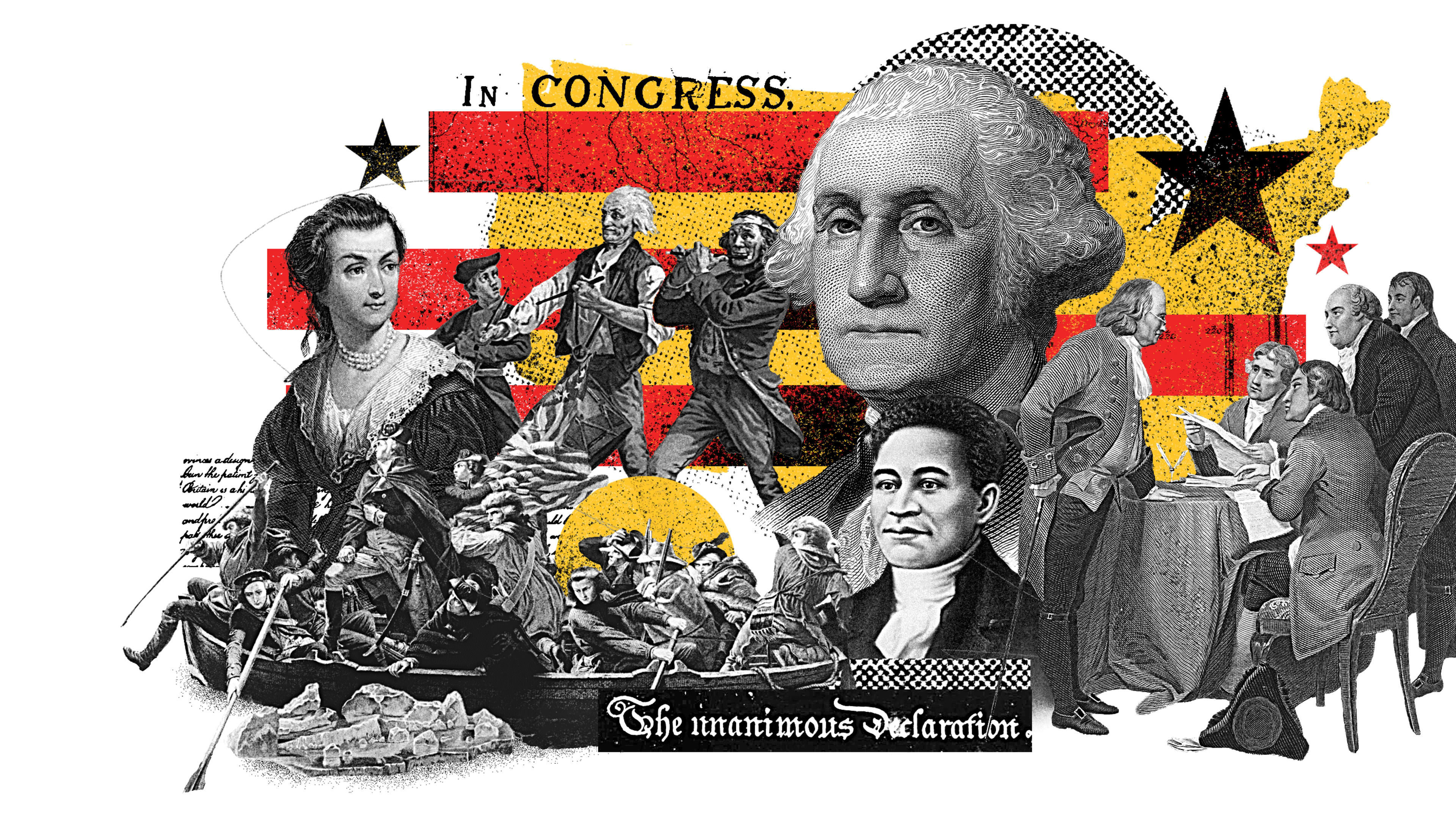
By the spring of 1775, Massachusetts was on the brink of war. The British military governor, General Thomas Gage, received orders to disarm the colonial rebels and arrest their chief instigators, Samuel Adams and John Hancock, who were hiding in Lexington.
The Signal in the Steeple
Anticipating the British army’s moves, Revere set up an ingenious early warning system. He instructed the sexton of the Old North Church to hang lanterns in the steeple to signal the route of the British advance: “one if by land, two if by sea.” When British troops began crossing the Charles River on the night of April 18, two lanterns flickered in the dark night sky, alerting watchers across the water in Charlestown.
The Ride of the Couriers
At approximately 10:00 PM, Revere slipped past British warships in a rowboat to Charlestown, where he secured a horse. Simultaneously, William Dawes took a longer land route through Boston Neck. Riding hard through the night, Revere successfully navigated past British patrols and reached Lexington by midnight. He warned Adams and Hancock, allowing them to escape certain arrest and giving local minutemen valuable hours to assemble.
Capture on the Road to Concord
After being joined by Dawes and a young physician named Dr. Samuel Prescott, the riders set off for Concord to secure the colony’s hidden weapons. However, the trio was ambushed by a British patrol. While Dawes was thrown from his horse and escaped on foot, and Revere was temporarily captured and questioned, only Dr. Prescott successfully eluded the soldiers and reached Concord to deliver the warning. Despite his capture, Revere’s early actions had successfully given the colonial militia a critical defensive advantage.
Key Figures of the Midnight Ride and Their Roles
- Paul Revere: The primary organizer and courier who coordinated the signal system, rode the northern route, and successfully warned Lexington before being captured.
- William Dawes: A lesser-known but equally brave patriot courier who rode the southern land route to ensure the warning reached Lexington.
- Dr. Samuel Prescott: A local doctor who met Revere and Dawes on the road and was the only rider to successfully reach the weapons cache in Concord.
- Dr. Joseph Warren: The leader of the Committee of Safety in Boston who uncovered the British plans and dispatched the riders.
- Samuel Adams and John Hancock: Key revolutionary leaders whose escape from Lexington prevented the British from dismantling the intellectual core of the rebellion.
The Paul Revere House: A Living Piece of Colonial History
In 1770, Revere purchased a spacious wooden home at 19 North Square to accommodate his growing family. Living in the North End, which was one of the major hubs of the three historic colonial towns that shaped early America, Revere managed his business and raised his family. After his first wife, Sarah Orne, passed away, Revere married Rachel Walker. In total, he fathered sixteen children, making his three-story home a bustling center of activity.
Built around 1680, this structure survived the devastating Boston fires and stands today as the oldest remaining building in downtown Boston. Preserved by his great-grandson in the early twentieth century, the Paul Revere House now operates as a museum, offering visitors an authentic glimpse into the daily, domestic lives of the patriots who built the nation.
From Artisan to Folk Hero: Longfellow’s Mythmaking
Surprisingly, Paul Revere was not widely celebrated as a national hero during his lifetime. His wartime record after 1775 was largely lackluster, marked by a disastrous expedition to Maine (the Penobscot Expedition) that led to court-martial hearings, from which he was eventually cleared. He lived out his post-war years as a highly successful businessman, opening a copper mill and casting bronze bells.
Revere’s transformation into an American legend occurred nearly a century later. In 1860, on the eve of the American Civil War, poet Henry Wadsworth Longfellow penned “Paul Revere’s Ride.” Published in 1861, the poem was intended as a patriotic rallying cry for the Union, emphasizing individual courage in the face of tyranny. While the poem contained numerous historical inaccuracies—such as omitting Dawes and Prescott, and claiming Revere successfully rode alone to Concord—it permanently established Revere as a beloved folk hero in the American consciousness.
Lesser-Known Facts About Paul Revere
- He Never Shouted “The British Are Coming!”: This famous phrase is entirely fictional. At the time, colonists still considered themselves culturally British. Shouting this openly would have easily alerted loyalist neighbors and British patrols. Revere actually moved stealthily, telling households, “The Regulars are coming out.”
- He Was a Forensic Dentistry Pioneer: Revere practiced amateur dentistry to earn extra income. Following the Battle of Bunker Hill, he was able to identify the body of his close friend, Dr. Joseph Warren, by recognizing the custom silver-and-ivory dental bridge he had crafted for him—marking one of the earliest recorded cases of forensic identification.
- He Cast the First Bell in Boston: Revere was an exceptionally skilled metallurgist. In 1792, he established a foundry that cast the very first church bell in Boston, a trade that paved the way for his highly lucrative copper manufacturing business.
Why Paul Revere’s Legacy Still Matters Today
The story of Paul Revere remains highly relevant to modern civic life. It serves as an enduring symbol of grassroots activism, community organization, and the power of individual initiative. Revere’s multi-layered life proves that revolutions are not just fought on battlefields by generals; they are forged by everyday citizens—artisans, merchants, and working-class families—who leverage their unique talents for a collective cause. His mastery of visual propaganda and local networks highlights the timeless importance of strategic communication in shaping public consciousness and fighting for liberty.
People Also Ask
Did Paul Revere ride alone on his midnight ride?
No, Paul Revere did not ride alone. He was accompanied by William Dawes, and they were later joined by Dr. Samuel Prescott. Revere was captured before reaching Concord, and it was Prescott who ultimately completed the journey to warn the town.
Why did Henry Wadsworth Longfellow write the poem about Paul Revere?
Longfellow wrote “Paul Revere’s Ride” in late 1860 to inspire patriotism and courage on the eve of the American Civil War. He used Revere’s historical ride as a metaphor for the urgent need to defend the Union and preserve American liberty.
Is the Paul Revere House still standing?
Yes, the Paul Revere House, located at 19 North Square in Boston’s North End, is still standing. Built around 1680, it is the oldest surviving wooden building in downtown Boston and is open to the public as a historic house museum.
Conclusion
Paul Revere’s journey from a working-class Boston silversmith to an immortalized American patriot is a testament to the power of citizen-led resistance. While Henry Wadsworth Longfellow’s poem created a simplified myth, the historical truth reveals a far more fascinating individual. By utilizing his artistic talents for political propaganda during the Boston Massacre, establishing crucial early warning systems, and risking his life on the night of April 18, 1775, Revere played an indispensable role in securing American independence. Today, his legacy and his preserved home remind us of the immense personal sacrifices that laid the foundation for modern American democracy.


