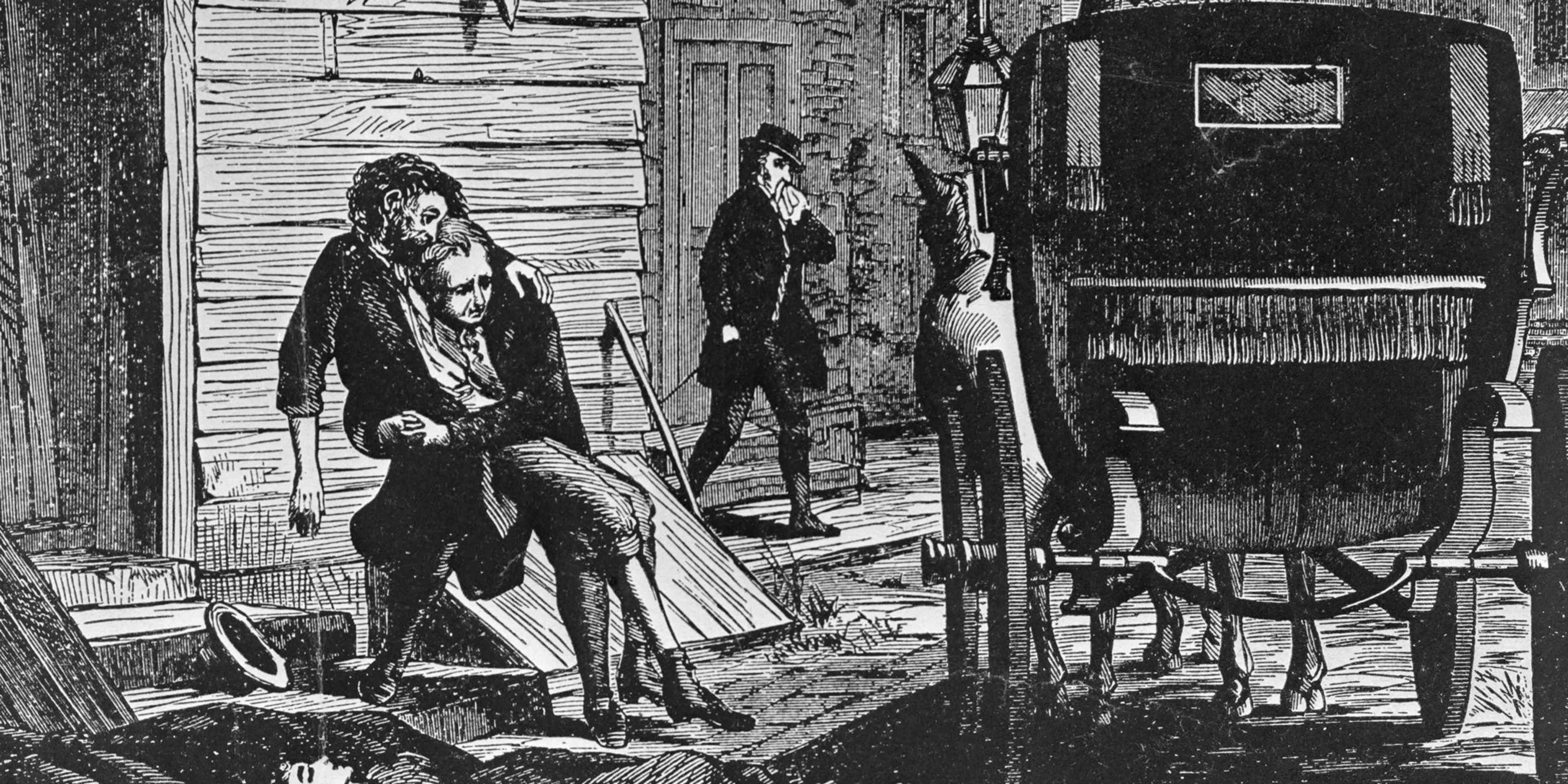
During the sweltering, humid summer of 1793, the bustling streets of Philadelphia—then the temporary capital of the newly born United States—were struck by a horrifying, invisible killer. The Yellow Fever Outbreak of 1793 descended upon the city with relentless fury, plunging its citizens into a state of absolute terror. Within weeks, thousands of residents were afflicted with agonizing chills, high fevers, jaundiced skin, and the distinct, terrifying symptom of vomiting black, coagulated blood. As panic gripped the city, a sharp societal divide emerged: those with financial means abandoned their homes in droves, while the marginalized, particularly Philadelphia’s free Black community, stayed behind to keep the dying city functioning. This catastrophic event became much more than a medical crisis; it was a profound trial that tested the moral fiber, political stability, and public health infrastructure of the young American republic.
The Historical Background of Philadelphia in 1793
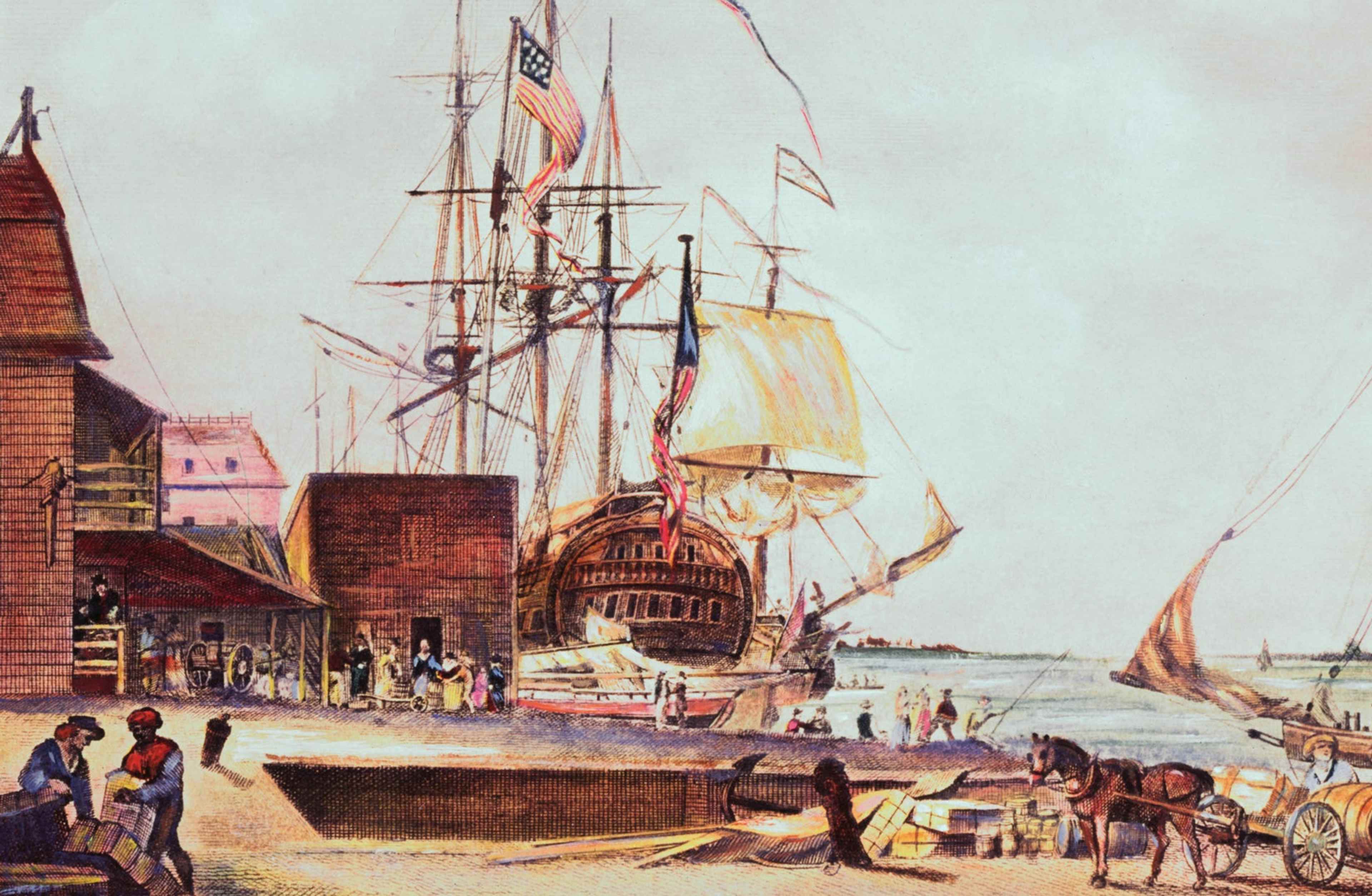
At the close of the 18th century, Philadelphia was the crown jewel of the United States. It was the nation’s political, cultural, and financial capital, boasting a population of approximately 50,000 people. However, the city was also plagued by poor sanitation, open sewers, and a stagnant waterfront that became a breeding ground for insects during hot weather. While the colonists had long struggled with various environmental challenges, such as the pests that plagued early America, nothing could have prepared them for the devastation of yellow fever.
The outbreak began in late July and early August 1793, centered around the Arch Street Wharf. At first, physicians were baffled by the sudden surge of highly lethal cases. The disease spread with terrifying speed. In a matter of weeks, the daily death toll climbed from a handful of cases to dozens, and eventually, hundreds. By September, the city was in the grip of a full-scale humanitarian disaster.
A Chronological Timeline of the 1793 Crisis
- July 1793: Stagnant water, extreme humidity, and the arrival of ships carrying French refugees fleeing a slave rebellion in Santo Domingo (modern-day Haiti) set the stage for the outbreak.
- August 19, 1793: Dr. Benjamin Rush officially identifies the first cases of yellow fever in the city. Panic begins to spread among the populace.
- Late August 1793: The great exodus begins. Wealthy citizens, government officials, and even local physicians flee Philadelphia.
- September 1793: Secretary of State Thomas Jefferson and President George Washington leave the city. Dr. Benjamin Rush enlists the help of the Free African Society to care for patients and bury the dead.
- October 1793: The epidemic reaches its deadly peak. Hundreds of people die daily. Mathew Carey publishes a pamphlet criticizing the Black community, sparking a massive controversy.
- November 1793: A sudden cold front and hard frost arrive in Philadelphia, killing off the mosquito population. The epidemic rapidly subsides, and residents slowly return.
Key Historical Figures and Their Roles
The tragedy of 1793 brought out both the worst and the best in human nature, highlighting several key figures whose actions shaped the course of the epidemic:
Dr. Benjamin Rush
As one of the nation’s most prominent physicians and a signer of the Declaration of Independence, Dr. Benjamin Rush chose to stay behind while other doctors fled. Rush worked tirelessly, but his medical theories were dangerously flawed. Believing the disease was caused by “miasma” (foul air) arising from rotting coffee on the docks, he prescribed aggressive treatments. These included heavy bloodletting and “Mercurial Sweating Powder” (calomel), which often weakened patients further rather than curing them.
Richard Allen and Absalom Jones
Richard Allen (co-founder of the African Methodist Episcopal Church) and Absalom Jones (the first African-American Protestant Episcopal priest) were leaders of Philadelphia’s Free African Society. When Rush mistakenly asserted that Black people were biologically immune to yellow fever, Allen and Jones mobilized their community. Black volunteers performed the essential, hazardous tasks of nursing the sick, transporting bodies, and burying the dead, demonstrating unparalleled heroism in a city that routinely discriminated against them.
Alexander Hamilton and Dr. Edward Stevens
Treasury Secretary Alexander Hamilton contracted the fever early in the epidemic. Rejecting Rush’s harsh treatments, Hamilton was treated by his childhood friend, Dr. Edward Stevens. Stevens utilized a milder regimen of cold baths, Madeira wine, and quinine (Peruvian bark). Hamilton’s recovery publicized a major division in early American medical philosophy, pitting the aggressive “depleting” methods of Rush against gentler, supportive treatments.
Causes and Context: The Battle of Medical Theories
In 1793, the concept of vector-borne transmission—specifically, that mosquitoes carry yellow fever—was entirely unknown. Instead, the medical community was divided into two major factions: the importationalists and the localists.
The importationalists believed the disease was a foreign contagion brought by French refugees escaping the Haitian Revolution. Conversely, localists like Dr. Rush argued that the fever originated from local unsanitary conditions, particularly a pile of rotting coffee left on the Arch Street Wharf. Because they did not understand how the virus spread, citizens resorted to desperate preventative measures. They avoided shaking hands, burned gunpowder in the streets to clear the air, and walked around with sponges soaked in vinegar pressed to their faces.
This panic-driven response to disease foreshadowed the challenges of public health containment and quarantine that would recur throughout American history, such as the later controversies surrounding quarantining and isolating sick populations in dedicated medical colonies.
The Racial Politics of the Epidemic
One of the most profound aspects of the 1793 epidemic was the exploitation and subsequent vindication of the free Black community. White authorities, desperate for laborers to manage the dying, appealed to Black leaders on the false premise of racial immunity. Despite the danger, Allen, Jones, and their congregations answered the call out of a deep sense of civic duty and Christian charity.
Unfortunately, their heroism was met with betrayal. In late 1793, publisher Mathew Carey released a popular pamphlet accusing Black nurses of extortion and theft. Outraged by this slander, Richard Allen and Absalom Jones published their own response in early 1794: A Narrative of the Proceedings of the Black People, During the Late Awful Calamity in Philadelphia. This became the first copyrighted pamphlet written by Black authors in U.S. history, utilizing meticulous financial records and eyewitness testimony to completely debunk Carey’s claims. Their defense of their community was a landmark moment for early African-American civil rights, mirroring the battles fought in early American newspapers and publications over representation and truth.
Lesser-Known Facts About the Outbreak
- The Presidential Dilemma: President George Washington found himself in a constitutional bind when he fled. The Constitution did not explicitly grant the president the authority to convene Congress outside the official capital, causing a political headache until the crisis abated.
- The Ghost Town Capital: At the height of the epidemic, approximately 20,000 people—nearly half the city’s population—had fled. The streets were so quiet that the sound of footsteps could be heard blocks away.
- The “Frost Cure” Mystery: When the epidemic abruptly ended in November, citizens attributed it to divine mercy. In reality, the arrival of autumn frosts killed off the Aedes aegypti mosquitoes that were transmitting the virus, a scientific fact that would not be proven until Dr. Walter Reed’s research in 1900.
Why the Yellow Fever Outbreak of 1793 Still Matters Today
The Yellow Fever Outbreak of 1793 serves as a stark historical mirror for modern public health crises. It illustrates how epidemics can expose underlying societal fractures, drive economic disparity, and fuel racial scapegoating. The courage of the Free African Society remains a testament to the vital role marginalized communities have historically played in keeping American cities alive during times of disaster. Understanding this history reminds us that public health is not merely a matter of medicine, but of social equity, civic responsibility, and transparent communication.
People Also Ask (FAQ)
How did the yellow fever outbreak of 1793 end?
The epidemic ended abruptly in November 1793 when temperatures dropped and a hard frost hit Philadelphia. This cold weather killed the local population of Aedes aegypti mosquitoes, which were the unknown vectors carrying and transmitting the yellow fever virus.
How many people died in the 1793 Philadelphia yellow fever epidemic?
Approximately 5,000 people died during the outbreak, which represented about 10% of Philadelphia’s total population at the time. Thousands of others were infected but managed to survive.
Why did the wealthy flee Philadelphia during the outbreak?
Those with financial means, including politicians, merchants, and wealthy families, fled to their country estates or neighboring towns to escape the foul air and high contagion rates of the crowded city. The poor, who could not afford to leave, were left to suffer the brunt of the epidemic.
Conclusion
The Yellow Fever Outbreak of 1793 was a defining tragedy for the young United States. It tested the limits of early American medicine, shattered the illusion of social cohesion in the nation’s capital, and highlighted the deep-seated racial prejudices of the era. Yet, out of the ashes of this public health disaster arose incredible stories of selflessness, resilience, and literary resistance. By remembering both the clinical failures and the human triumphs of 1793, we gain invaluable insights into the enduring relationship between society, government, and medicine.


