The Revolutionary War had dragged on for six grueling years by the summer of 1781, leaving both the Continental Army and the British Empire on the brink of absolute exhaustion. Amid dwindling morale, severe supply shortages, and a divided British public, General George Washington knew that only a sudden, spectacular victory could salvage the American cause. That defining moment would materialize in the Tidewater region of Virginia, culminating in the monumental siege of Washington at Yorktown. Facing down the formidable forces of Lord Charles Cornwallis, Washington orchestrated a masterstroke of military deception and international cooperation, permanently altering the course of world history and forging a new, independent nation out of the embers of colonial rebellion.
The Road to Revolution: Historical Background and Catalyst
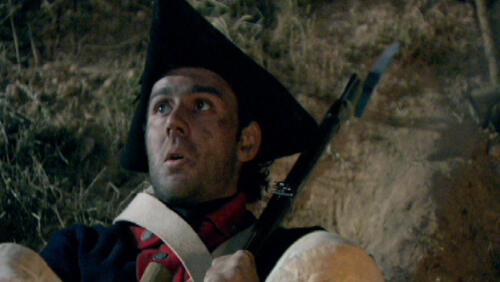
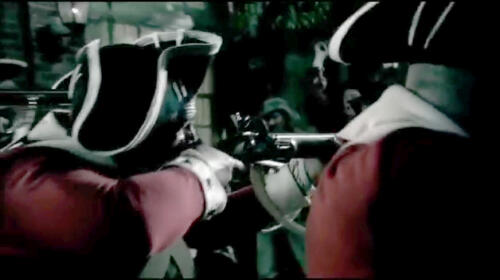
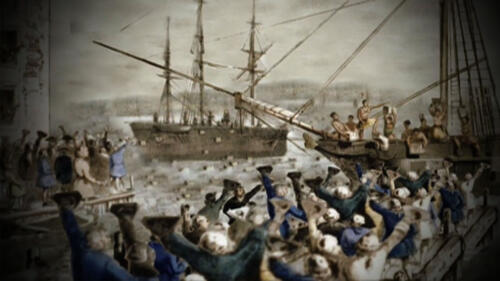
To fully understand the dramatic showdown of Washington at Yorktown, one must trace the deep-seated tensions that initially ignited the American Revolution. For over a decade, British policies had steadily alienated the colonists. The initial sparks of active rebellion began with physical clashes on the cobblestone streets of New England, most notably the Boston Massacre in 1770 and the iconic Boston Tea Party in 1773. These explosive events were direct protests against years of escalating British economic oppression, rallying the diverse citizens of the original 13 colonies into a unified front against the Crown.
What began as localized protests in Massachusetts quickly transformed into a continental struggle. Colonial leaders drafted the Declaration of Independence in 1776, outlining the profound grievances of the American colonies. However, declaring independence was far easier than winning it. Facing the professional, highly disciplined forces of the British Army, General George Washington spent years keeping his fragile Continental Army alive through strategic retreats, winter hardships at Valley Forge, and occasional, brilliant counterstrikes. By 1781, the theater of war had shifted drastically to the Southern states, setting the stage for a final, decisive encounter in Virginia.
Causes and Global Context of the Yorktown Campaign
By 1781, Great Britain was fighting a costly global conflict. France and Spain had entered the war as American allies, stretching the British military thin across multiple continents. In North America, British Lieutenant General Charles Cornwallis had embarked on an aggressive campaign through the Carolinas. Though Cornwallis achieved tactical successes, his forces suffered heavy attrition. Exhausted and in dire need of resupply and reinforcements, Cornwallis marched his army north to the deep-water port of Yorktown, Virginia, expecting protection and evacuation by the Royal Navy.
Meanwhile, General George Washington was positioned outside British-controlled New York City alongside his French counterpart, Lieutenant General Jean-Baptiste-Donatien de Vimeur, Comte de Rochambeau. While Washington initially favored a massive siege to recapture New York, Rochambeau recognized a golden opportunity in the South. When word arrived that French Admiral Francois Joseph Paul de Grasse was sailing his formidable fleet from the West Indies directly to the Chesapeake Bay, Washington decisively abandoned his New York plans. In a breathtaking logistical feat, the allied Franco-American land forces marched over 300 miles south, executing a masterclass in military deception that left the British completely blind to their true destination.
A Chronological Timeline of the Siege of Yorktown (1781)
The siege was not a single, abrupt battle but a meticulously planned and executed military operation. Here is how the dramatic events unfolded:
- August 30: Admiral de Grasse arrives in the Chesapeake Bay with 28 French warships, establishing a strict naval blockade that cuts off Cornwallis’s maritime escape route.
- September 5: The Battle of the Chesapeake. The French fleet successfully repels a British naval force under Admiral Thomas Graves, sealing Cornwallis’s isolation.
- September 28: The combined allied army of approximately 17,000 to 20,000 American and French troops arrives outside Yorktown, officially beginning the siege.
- October 6: Under the cover of darkness and heavy rain, allied forces begin digging the first siege parallel, a mere 600 yards from the British lines.
- October 9: Allied heavy artillery begins a relentless, devastating bombardment of the British fortifications. Legend has it that George Washington himself fired the ceremonial first American gun.
- October 14: Elite American and French columns execute a daring, nighttime bayonet assault, capturing the pivotal outer defenses known as Redoubts 9 and 10.
- October 16: A desperate British counter-attack fails to disable the allied artillery, and a sudden midnight squall ruins Cornwallis’s attempt to evacuate his troops across the York River.
- October 17: Realizing his position is entirely untenable, Cornwallis sends out a lone drummer boy and an officer with a white flag to request a cease-fire.
- October 19: The British army officially surrenders at Surrender Field, effectively ending major combat operations in North America.
The Crucial Figures of Yorktown
The ultimate triumph of Washington at Yorktown was achieved through the collaborative brilliance of several key military commanders, each playing an irreplaceable role:
- General George Washington: As Commander-in-Chief, Washington exhibited profound strategic adaptability. His decision to pivot his entire army to Virginia and his ability to hold the multinational coalition together demonstrated his peerless leadership.
- Comte de Rochambeau: The highly experienced French general served as Washington’s equal partner. Rochambeau’s tactical wisdom and willingness to defer to Washington’s supreme command were critical to the campaign’s success.
- Marquis de Lafayette: The young, charismatic French aristocrat had been harassing Cornwallis’s forces in Virginia for months, successfully preventing the British from escaping inland before the main allied army arrived.
- Alexander Hamilton: Serving as a lieutenant colonel, Washington’s former aide-de-camp eagerly sought battlefield glory. Hamilton personally led the fierce, successful bayonet assault on Redoubt 10.
- Lord Charles Cornwallis: The capable but ultimately trapped British commander whose fateful decision to fortify an easily surrounded peninsula cost Britain its American empire.
Major Turning Points Within the Battle
Two critical turning points turned the siege from a standard standoff into an inescapable trap for the British. The first was the Battle of the Chesapeake. In a rare and devastating naval defeat for Great Britain, the French navy drove off the British relief fleet. Without control of the sea, Cornwallis was stripped of any hope of rescue or evacuation.
The second turning point was the dramatic storming of Redoubts 9 and 10 on the night of October 14. To complete a second, closer trench line that would allow allied artillery to pound the British at point-blank range, these two outer fortresses had to be taken. To maintain absolute stealth, the soldiers unloaded their muskets and charged using only cold steel bayonets. The French quickly secured Redoubt 9, while Hamilton’s American troops overwhelmed Redoubt 10 in under ten minutes. With these positions captured, Cornwallis’s inner defenses were completely exposed, rendering further British resistance suicidal.
Lesser-Known Facts and Historical Anecdotes
Behind the grand strategies of the siege lie fascinating, human-interest stories that bring the history of Yorktown to life:
- The Proxy Surrender: Citing a sudden, convenient illness, General Cornwallis refused to attend the formal surrender ceremony on October 19. Instead, he sent his second-in-command, Brigadier General Charles O’Hara. O’Hara initially attempted to surrender his sword to the French Comte de Rochambeau, who politely refused and pointed toward Washington. Washington, maintaining strict military protocol, directed O’Hara to surrender to his own second-in-command, Major General Benjamin Lincoln.
- The Double Agent Patriot: James Armistead, an enslaved African American, served as a highly effective double agent for the Marquis de Lafayette. Armistead posed as a runaway slave to infiltrate Cornwallis’s camp, providing critical intelligence about British troop movements and fortifications that helped shape the allied siege strategy.
- Silenced Huzzahs: As the defeated British marched out to lay down their arms, the victorious American soldiers began to cheer loudly. Sensing the profound weight of the moment, General Washington immediately silenced them, famously stating, “Posterity will huzzah for us, let us not huzzah for ourselves”.
The Long-Term Impact on America and the World
While the Treaty of Paris was not formally signed until 1783, the victory of Washington at Yorktown was the definitive military climax of the Revolutionary War. The surrender of one-third of Britain’s occupational forces broke the political will of the British Parliament. Prime Minister Lord North reportedly collapsed upon hearing the news, crying out, “Oh God! It is all over!”
The long-term legacy of Yorktown cannot be overstated. It secured the independence of the United States, allowing the young republic to draft its Constitution and pioneer a modern democratic system. Geopolitically, the victory shifted the global balance of power, severely weakening British colonial dominance and paving the way for the French Revolution. Furthermore, Washington’s willing resignation of his military commission shortly after the war established a vital American precedent: the absolute subordination of military power to civilian authority.
Why the History of Yorktown Still Matters Today
Today, the Siege of Yorktown serves as a powerful reminder of the importance of diplomacy, international alliances, and strategic perseverance. The United States was not built in isolation; its very existence was secured through a profound, cross-cultural partnership with France. In an era marked by complex global challenges, Yorktown highlights how shared values and coordinated efforts can overcome seemingly insurmountable odds, embodying the enduring American spirit of unity and resilience.
People Also Ask (FAQ)
Why did the British surrender at the Battle of Yorktown?
The British surrendered because they were completely surrounded by land and sea. The French navy successfully blockaded the Chesapeake Bay, preventing any maritime escape or reinforcement, while the combined Franco-American army battered their defenses with relentless artillery fire, leaving them with no viable military options.
How long did the Siege of Yorktown last?
The siege officially began on September 28, 1781, and concluded with the formal British surrender on October 19, 1781, lasting exactly three weeks.
What role did George Washington play at Yorktown?
George Washington was the Commander-in-Chief of the allied forces. He made the pivotal strategic decision to march his army south from New York, coordinated seamlessly with French military and naval leaders, and oversaw the entire siege operation to its victorious conclusion.
Conclusion
The triumph of Washington at Yorktown stands as one of the most brilliant chapters in the American story. It was a victory forged not merely through raw firepower, but through strategic genius, remarkable international cooperation, and the unyielding determination of soldiers who refused to abandon the dream of liberty. By understanding the intricate details of this historic siege, we gain a deeper appreciation for the sacrifices that shaped the foundations of modern American democracy.


