The United States was forged in a revolutionary fire that directly rejected the tyranny of monarchical rule, yet its Constitution grants the president a power that mirrors the absolute authority of a king: the presidential pardon. Enshrined in Article II, Section 2, this executive privilege allows the commander-in-chief to forgive federal crimes, commute sentences, and completely clear an individual’s legal record without congressional or judicial oversight. This “kingly” power has sparked intense debate since the dawn of the nation. While the Articles of Confederation purposely avoided a strong central executive to prevent tyranny, the Constitutional Convention of 1787 recognized that a nation needs a mechanism of mercy and swift conflict resolution. This article explores the rich history, the critical figures like Alexander Hamilton, the historical crises like the Whiskey Rebellion, and the enduring legacy of this unique constitutional mechanism.
Historical Background: The Roots of the Royal Prerogative of Mercy
The concept of executive clemency did not originate in America; it was directly borrowed from the British “royal prerogative of mercy.” In Great Britain, the monarch held the absolute authority to pardon crimes against the Crown, acting as the ultimate arbiter of justice. When the Framers gathered in Philadelphia in 1787, they were tasked with building a stable republic. To prevent a return to monarchy, the Framers initially sought to distribute authority, a process that is deeply linked to how the founding fathers divided power between states and federal governments. However, Federalists argued that a government without a mechanism for mercy would appear unnecessarily cruel and rigid. Consequently, they incorporated the pardon power into Article II of the Constitution, granting the president the unilateral right to issue reprieves and pardons for federal offenses, except in cases of impeachment.
Chronological Timeline of the Pardon Power’s Evolution
The evolution of the presidential pardon is marked by critical turning points that have tested the limits of American democracy. Below is a chronological breakdown of how this executive privilege developed over the centuries:
- 1781 – The Articles of Confederation: The first U.S. constitution leaves out any centralized executive power, including pardons, out of fear of autocratic rule.
- Summer 1787 – The Constitutional Convention: Delegates debate the executive branch. Proposals to require Senate approval for presidential pardons are rejected to keep the executive independent and capable of acting swiftly.
- 1788 – The Federalist Papers: Alexander Hamilton writes Federalist No. 74, arguing that the pardon power is essential to mitigate the harshness of the law and restore peace during rebellions.
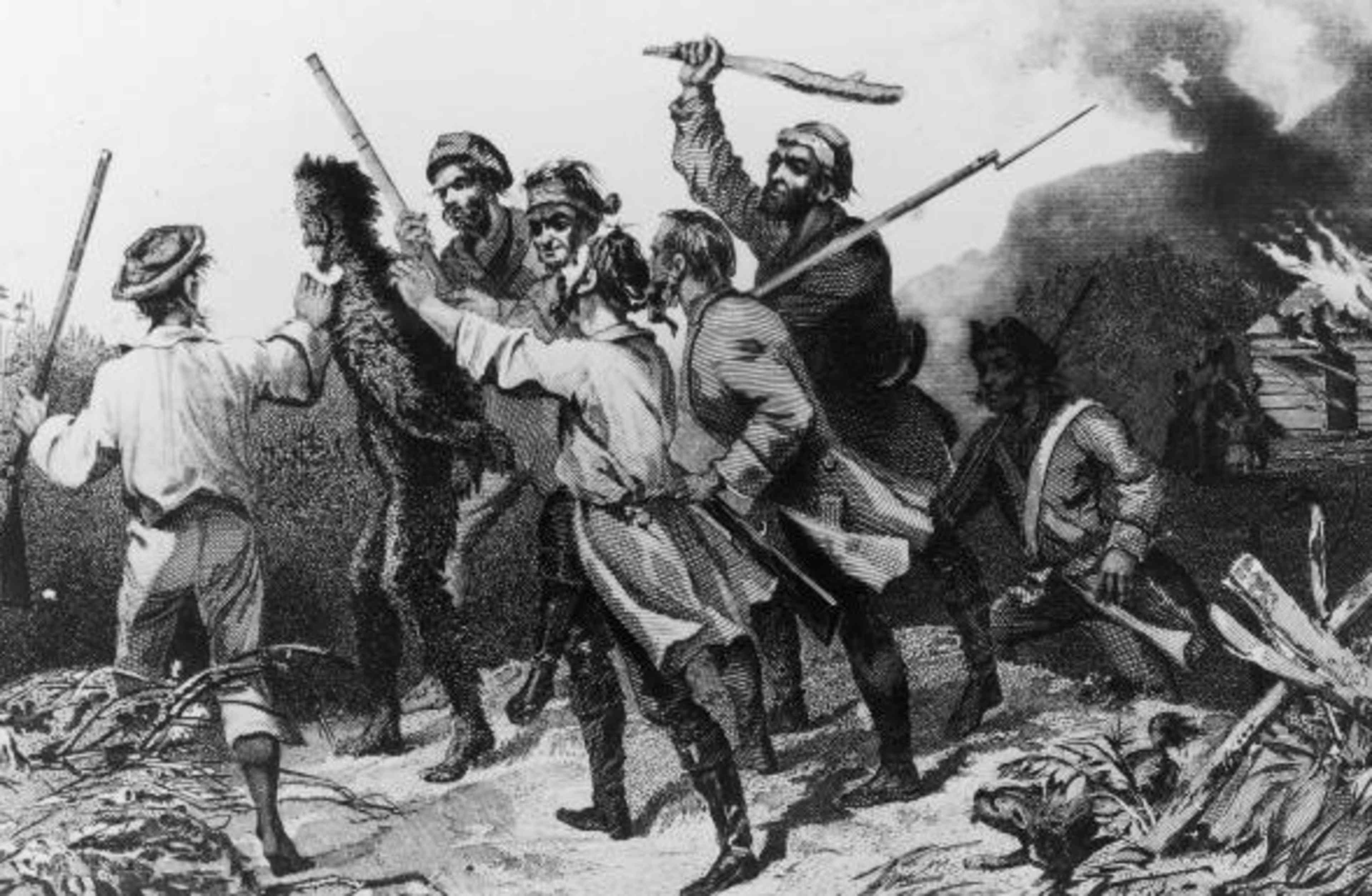
- 1795 – The First Presidential Pardon: President George Washington exercises the power for the first time, pardoning two leaders of the Whiskey Rebellion to restore national tranquility.
- 1865 – Post-Civil War Amnesty: President Abraham Lincoln and later President Andrew Johnson issue sweeping amnesty proclamations for former Confederate soldiers to heal a fractured nation.
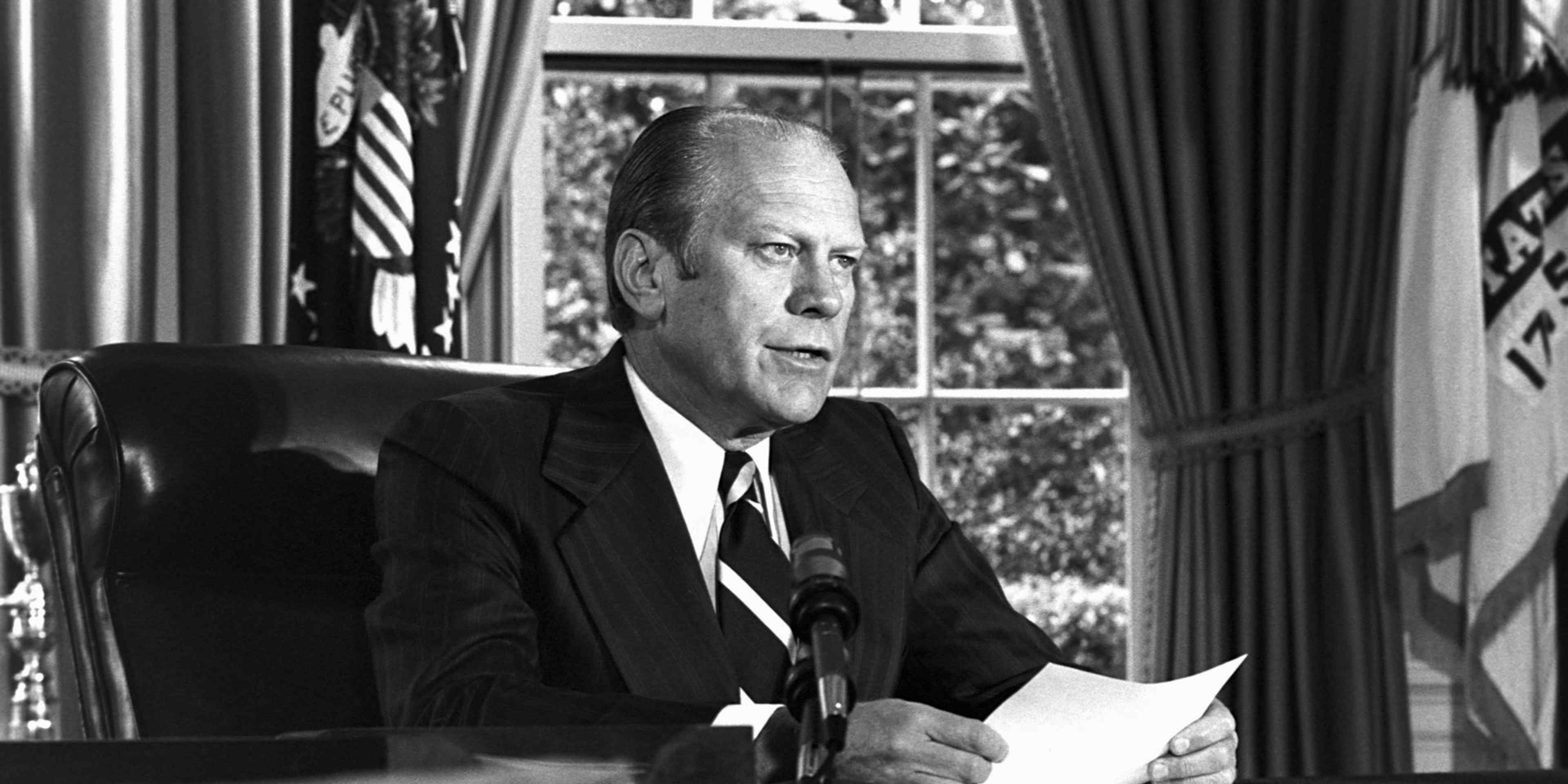
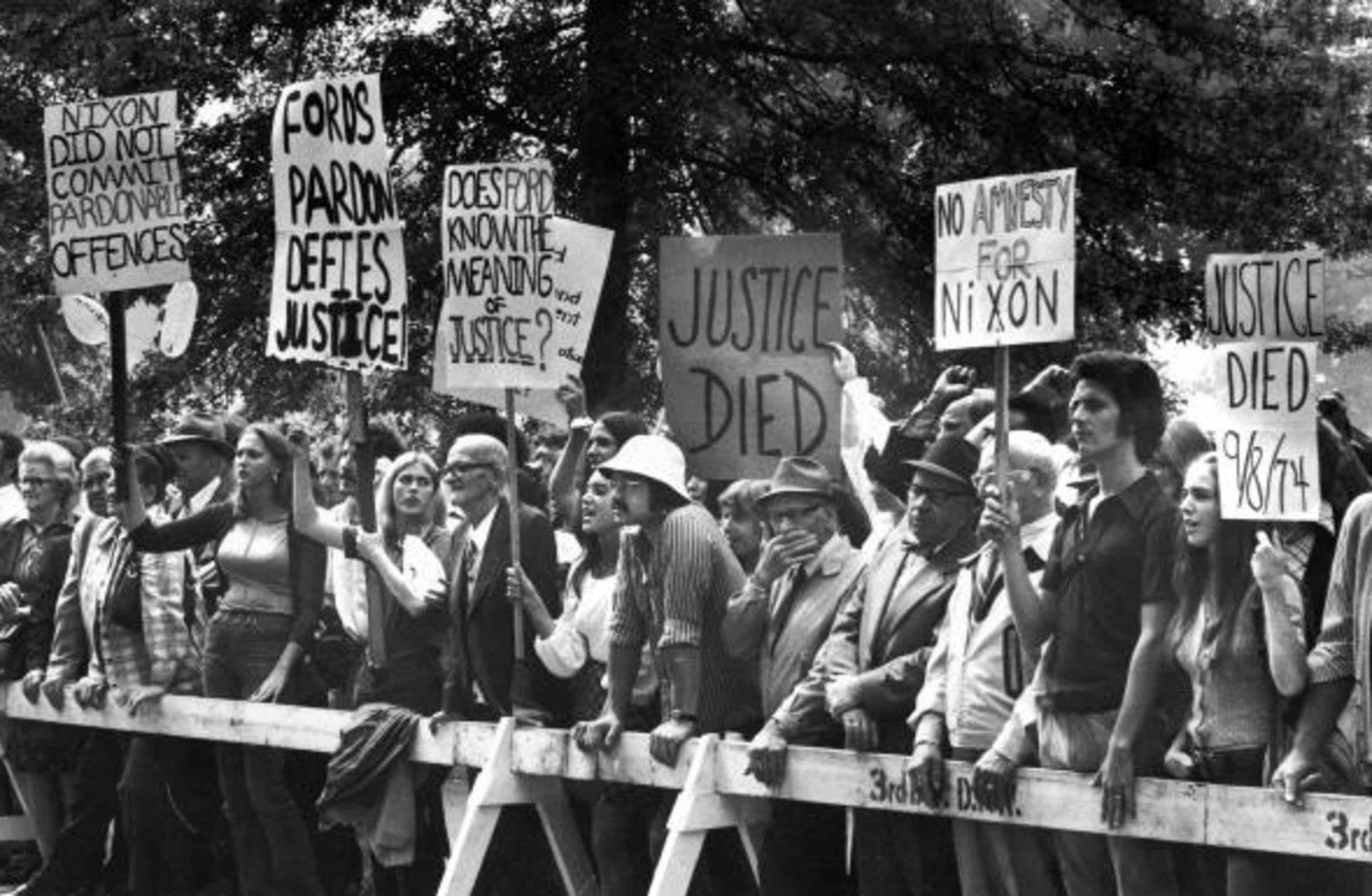
- 1974 – The Nixon Pardon: President Gerald Ford pardons former President Richard Nixon following the Watergate scandal, triggering immense public outrage and forever changing public perception of executive clemency.
Important Historical Figures and Their Crucial Roles
Several key figures played pivotal roles in shaping how the presidential pardon was written, defended, and ultimately executed throughout American history:
- Alexander Hamilton: Hamilton was the primary champion of a strong executive branch. To discover more about his life, achievements, and unique personal history, explore five things you may not know about Alexander Hamilton. His defense of the pardon in Federalist No. 74 laid the theoretical framework for its modern usage, asserting that justice without mercy is overly cruel.
- George Washington: By pardoning the Whiskey Rebellion insurgents, Washington demonstrated that the pardon could be used as a political tool for national reconciliation rather than just an act of individual mercy.
- George Clinton: Writing under the pseudonym “Cato,” the future Vice President and leading Anti-Federalist warned that the pardon power would pave the way for a corrupt, “vile and arbitrary” aristocracy.
- Gerald Ford: His pardon of Richard Nixon established a precedent that the pardon could be used proactively to protect a former president from criminal prosecution, illustrating the power’s immense, unchecked reach.
Underlying Causes and the Context of 1787
The main catalyst for giving the president this authority was the fear of instability and the rigidity of the law. Under the Articles of Confederation, the federal government was virtually powerless to stop internal uprisings, such as Shays’ Rebellion. The Framers realized that strict adherence to the letter of the law could sometimes perpetuate conflict. By vesting the power of mercy in a single individual—the president—the government could act decisively to defuse rebellions by offering amnesty. This was seen as a necessary compromise between maintaining public order and ensuring that the federal government possessed the flexibility required to govern a large, diverse nation.
Major Turning Points in Presidential Pardon History
A major turning point occurred during the 1787 Constitutional Convention when George Mason proposed that the Senate should have a veto over presidential pardons. This proposal was ultimately rejected because the delegates believed a legislative body would be too slow to respond to national crises, especially during times of war or active domestic rebellion. Another critical turning point was the Supreme Court’s 1915 decision in Burdick v. United States, which ruled that accepting a pardon carries an imputation of guilt, meaning a pardon cannot be forced upon an individual who wishes to maintain their innocence. Finally, Gerald Ford’s controversial pardon of Richard Nixon in 1974 redefined the political consequences of the power, proving that while a president cannot be legally overruled, they will be held accountable by the electorate.
Long-Term Constitutional and Societal Impact
Over the centuries, the presidential pardon has evolved from a tool of quiet reconciliation into a highly politicized instrument. It serves as a vital constitutional check on the judicial branch, allowing presidents to correct judicial errors or excessively harsh sentencing. However, because it is an absolute power that cannot be overturned by Congress or the courts, it remains one of the most controversial features of the American presidency. This unchecked authority raises ongoing questions about the rule of law, the principle of equality under the law, and the limits of executive power in a democratic republic.
Lesser-Known Facts About Presidential Pardons
Beyond the famous political pardons, the history of executive clemency contains several fascinating and surprising anecdotes:
- The Whiskey Rebels and Tarring: During the Whiskey Rebellion, tax collectors were routinely tarred and feathered by angry citizens protesting a tax meant to pay off the national debt. Despite this violence, George Washington pardoned the rebellion’s leaders to promote national unity.
- The “Sanguinary” Argument: Alexander Hamilton argued that without a pardon power, American justice would wear a countenance “too sanguinary and cruel.” He believed that a government must have a heart, or it would lose the support of its citizens.
- Pardoning a President: Gerald Ford’s pardon of Richard Nixon in 1974 is widely believed to have cost him the 1976 presidential election against Jimmy Carter, demonstrating that the ultimate check on the pardon power rests with the voters.
Why the Pardon Power Still Matters Today
In the modern political era, the presidential pardon remains a flashpoint of constitutional debate. Recent discussions have focused on whether a president has the authority to issue a “self-pardon” to avoid prosecution after leaving office. As the nation grapples with deep political division and debates over the scope of executive authority, the pardon power continues to test the delicate balance of powers that the Framers sought to establish over two centuries ago. It serves as a reminder that the constitutional framework is a living document, subject to interpretation and political reality.
People Also Ask
Can a presidential pardon be overruled?
No, a presidential pardon cannot be overruled by Congress or the federal courts. However, if a president attaches unconstitutional conditions to a pardon, the federal courts may intervene. The primary check remains congressional impeachment or the democratic voting process.
What offenses can a president pardon?
The president can only pardon federal offenses. Crimes prosecuted under state laws are completely outside the president’s jurisdiction; only state governors have the authority to pardon state-level crimes.
Can a president pardon themselves?
The Constitution does not explicitly forbid or permit a self-pardon. This remains an unresolved constitutional question that has never been tested in court, though many legal scholars argue it violates the principle that no one should be a judge in their own case.
Conclusion
The presidential pardon is a fascinating constitutional relic that bridges the gap between monarchical authority and republican governance. Conceived by Alexander Hamilton and refined by historic crises, it remains a powerful reminder of the ongoing struggle to balance mercy, justice, and executive power in the United States.


