Of all the complex figures who shaped the outcome of the American Civil War, few have been as profoundly misunderstood or as unfairly overshadowed as Major General George G. Meade. Thrust into supreme command of the Army of the Potomac a mere three days before the most consequential clash on North American soil, Meade successfully coordinated the defense that broke the back of the Confederate invasion. Yet, history has often relegated him to a secondary role, dwarfed by the aggressive legend of Ulysses S. Grant and the tragic brilliance of Robert E. Lee. Understanding George Meade is not just about dissecting a tactical victory; it is about exploring the intricate intersection of military strategy, intense media scrutiny, and political pressure during America's darkest hour.
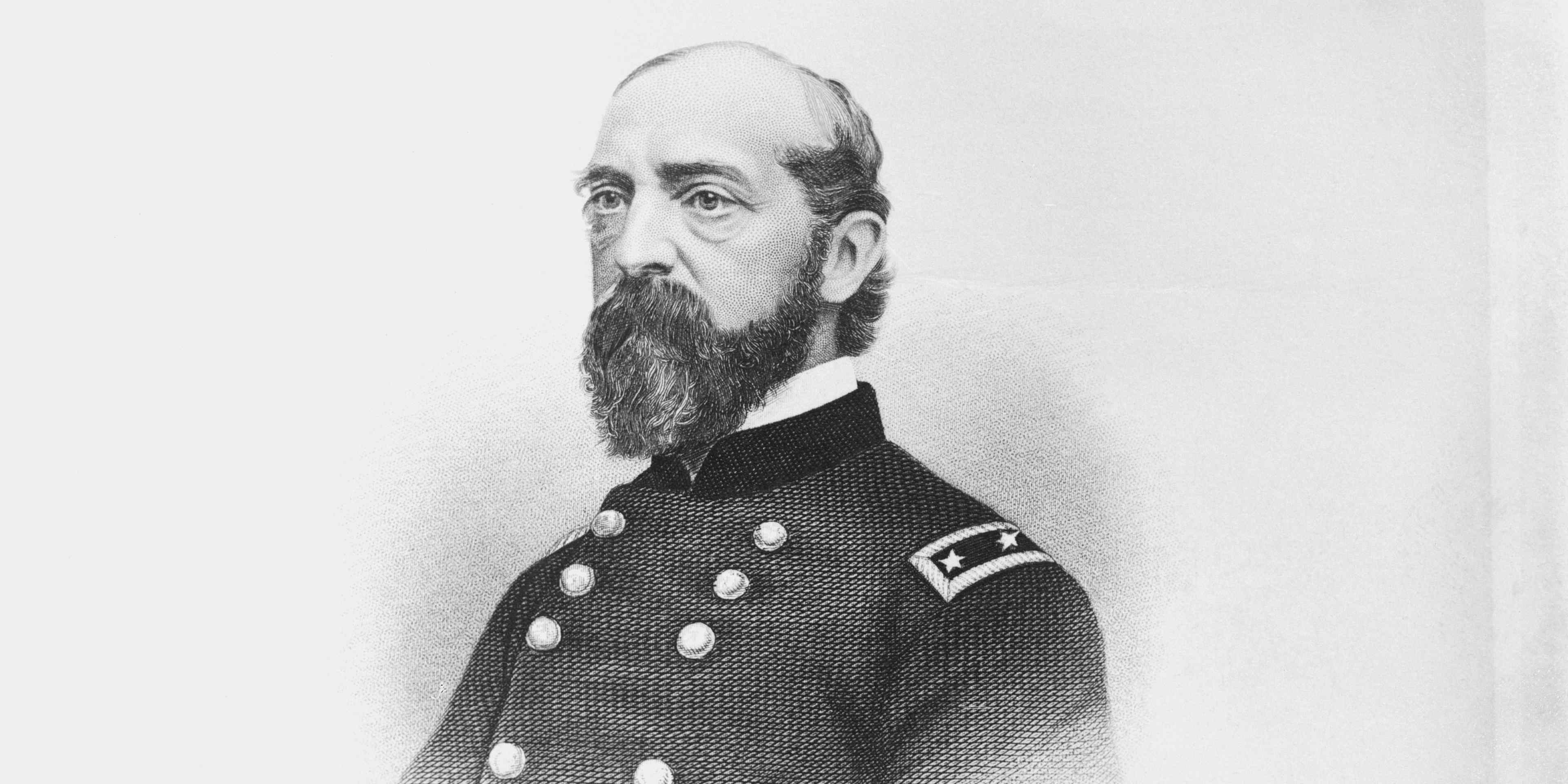
Early Life and Pre-War Engineering Career
George Gordon Meade was born far from the battlefields of Pennsylvania. He was born on December 31, 1815, in Cadiz, Spain, where his father, Richard Worsam Meade, served as a wealthy U.S. naval agent and merchant. Following his father's untimely death in 1828, the family was plunged into severe financial distress, prompting their return to the United States. Facing a bleak financial future, young Meade entered the United States Military Academy at West Point in 1831, primarily for the free education. He was a diligent student, graduating 19th out of 56 cadets in the Class of 1835.
Meade initially had very little passion for a long-term military life. He resigned his commission in 1836 to pursue civil engineering, working on early railroad projects and helping survey national borders. However, finding civilian opportunities volatile, he re-entered the U.S. Army in 1842 as a second lieutenant in the Corps of Topographical Engineers. He served with distinction in the Mexican-American War (1846–1848), earning a brevet promotion for gallantry at the Battle of Monterrey. During the peacetime years of the 1850s, Meade's engineering skills shone. He designed and constructed numerous lighthouses along the Atlantic coast—some of which still stand today—and led the first comprehensive geodetic survey of the Great Lakes.
The Outbreak of the Civil War and Early Campaigns
When the nation fractured in 1861, Meade chose loyalty to the Union, receiving a commission as a brigadier general of Pennsylvania volunteers. He was assigned to the defense of Washington, D.C., before being thrust into active combat during General George B. McClellan's Peninsula Campaign in 1862. It was during this campaign that Meade proved his tactical mettle and personal bravery, particularly at the Seven Days Battles.
At the Battle of Glendale on June 30, 1862, Meade was severely wounded, taking musket balls to his arm and torso. Despite the gravity of his wounds, his determination was unmatched; he returned to active duty just months later to command a division at the Second Battle of Bull Run. Meade continued to build a stellar reputation for dependable leadership during the Maryland Campaign, performing exceptionally well at South Mountain and the bloody Battle of Antietam.
His star rose higher during the otherwise catastrophic Union defeat at the Battle of Fredericksburg in December 1862. Meade's division of Pennsylvania Reserves achieved the only successful breakthrough of the heavily fortified Confederate lines on Marye's Heights. Though the breakthrough was not reinforced and his men were eventually forced to withdraw, Meade's aggressive leadership earned him a promotion to major general of volunteers. He went on to command the V Corps during the Chancellorsville Campaign in May 1863, where he grew increasingly frustrated by the hesitation of his superior, General Joseph Hooker.
The Ultimate Turning Point: The Battle of Gettysburg
In late June 1863, Confederate General Robert E. Lee marched his Army of Northern Virginia into Maryland and Pennsylvania, threatening major Northern cities and hoping to force a peace agreement. Amidst this crisis, Joseph Hooker abruptly resigned after a series of disputes with Washington leadership. On June 28, 1863, President Abraham Lincoln unexpectedly appointed George Meade as the new commander of the Army of the Potomac.
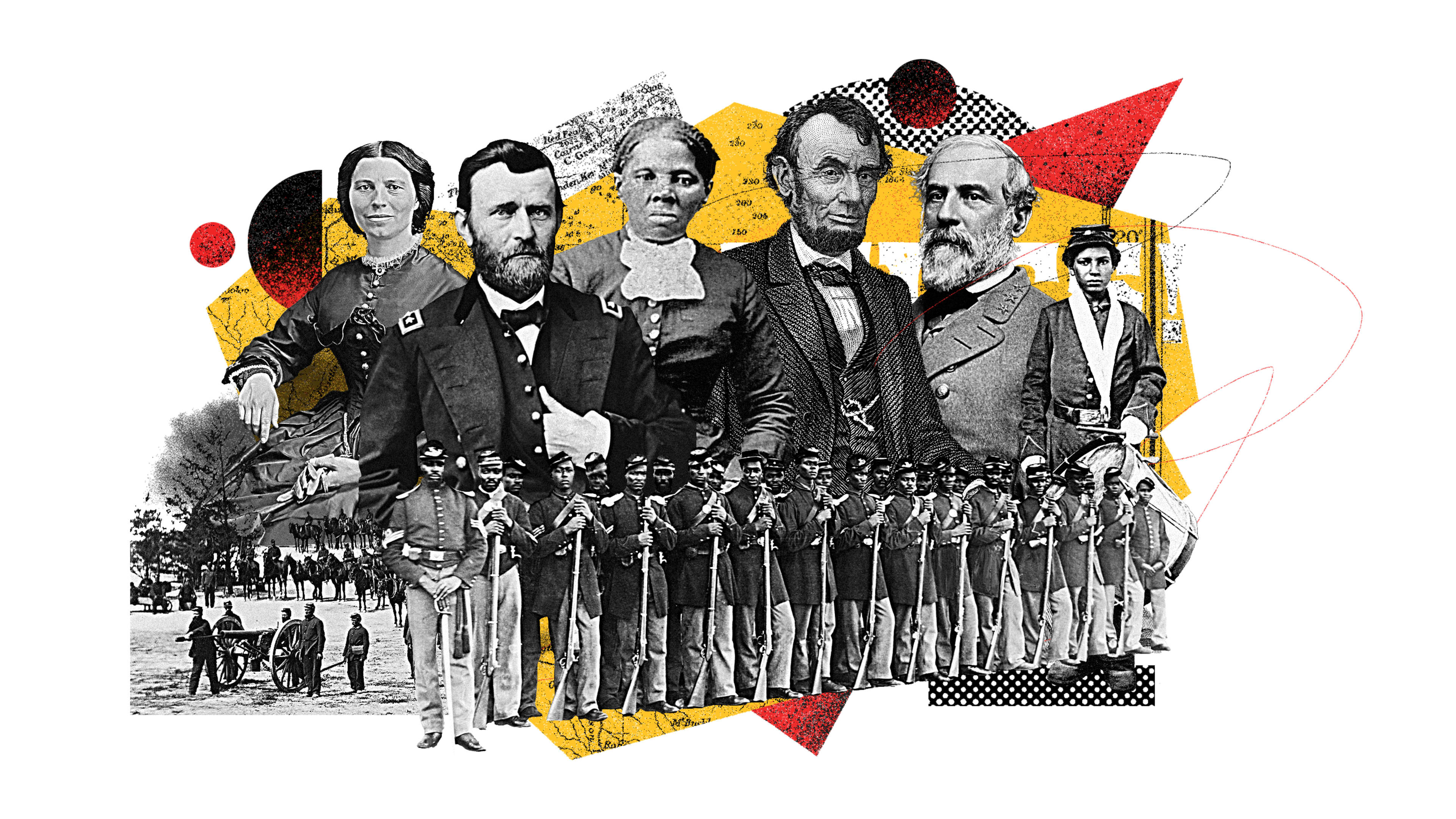
Meade had only three days to organize his forces, assess Lee's movements, and plan a defense. On July 1, the vanguard of both armies collided unexpectedly in the small crossroads town of Gettysburg, Pennsylvania. Though the first day saw heavy Union casualties and the death of one of Meade's trusted commanders, Major General John Reynolds, Meade quickly recognized the defensive advantages of the high ground south of the town.Over the next two days, Meade displayed masterclass tactical defense. On July 2, he expertly shifted reinforcements to hold the Union line against furious Confederate assaults on Little Round Top, the Peach Orchard, and Culp's Hill. On July 3, correctly anticipating that Lee would attempt to strike the center of the Union line, Meade prepared his forces for what would become known as Pickett's Charge. The resulting repulse of the Confederate advance shattered Lee's offensive capabilities and forced a chaotic Southern retreat. Through this decisive action, Meade helped determine how the Battle of Gettysburg turned the tide of the Civil War, saving the Union from potential collapse.
The Aftermath: Lincoln's Criticism and the Shadow of Grant
Despite securing the most crucial victory of the war, Meade immediately found himself in the crosshairs of intense political criticism. Lee's defeated army was trapped against the swollen Potomac River for several days during its retreat. Meade, dealing with a battered army of his own and wary of a desperate counterattack, pursued cautiously. Lee eventually escaped back into Virginia, infuriating President Abraham Lincoln, who believed that a swift, aggressive pursuit could have ended the war then and there.
Devastated by the criticism, Meade offered his resignation, which Lincoln refused. However, Meade's reputation for caution led the administration to look for a more aggressive commander. In the spring of 1864, Lieutenant General Ulysses S. Grant was promoted to general-in-chief of all Union armies. Grant chose to make his headquarters in the field with the Army of the Potomac. This awkward arrangement meant that while Meade remained the tactical commander of the army, he was continually in Grant's shadow. The evolving dynamic between political leadership and field commanders reflected the complicated relationship between Lincoln and Ulysses S. Grant, which ultimately shaped the final campaign strategies of the war.
Under Grant's strategic direction, Meade led the Army of the Potomac through the brutal Overland Campaign of 1864, including the bloody engagements at the Wilderness, Spotsylvania Court House, and Cold Harbor. Meade was also central to the nine-month Siege of Petersburg, which eventually broke the Confederate supply lines and forced the evacuation of Richmond. Throughout these grueling campaigns, Meade handled the complex logistics and tactical maneuvers, even as the northern press largely credited Grant for the victories.
Post-War Service and the Reconstruction Era
Following Lee's surrender at Appomattox, Meade remained in the regular army. He was assigned to command the Division of the Atlantic, but was temporarily reassigned to the South during the Reconstruction era. In 1868, he served as the military governor of the Third Military District, overseeing Georgia, Alabama, and Florida. In this role, Meade was praised for his fairness, moderation, and adherence to civil law during an incredibly turbulent socio-political period.
Meade spent his final years in Philadelphia, serving as the commissioner of Fairmount Park, helping design and expand one of the nation's premier urban green spaces. His health, compromised by his wartime wounds and the immense stress of his military career, deteriorated rapidly. On November 6, 1872, George Meade died of pneumonia at the age of 56. He was buried in Philadelphia's Laurel Hill Cemetery, honored by thousands of veterans and citizens who recognized his monumental contribution to preserving the Union.
Lesser-Known Facts About George G. Meade
- The “Old Snapping Turtle”: Meade was famous for his explosive temper and blunt personality. His staff and subordinates nicknamed him “the Old Snapping Turtle” due to his low tolerance for incompetence, political maneuvering, and press interference. This abrasive attitude often cost him positive coverage in the Northern newspapers.
- Born Outside the United States: Meade is one of the very few prominent Civil War generals who was born abroad. Because he was born in Spain while his father was working for the U.S. government, his American citizenship was secure, but his European birth remained a unique footnote in his biography.
- A Pioneer of Coastal Safety: Before the war, Meade designed several highly advanced lighthouses using the innovative French Fresnel lenses. His engineering masterpiece, the Barnegat Lighthouse on Long Beach Island, New Jersey, is still an iconic historical landmark today.
Why George Meade's Legacy Matters Today
George G. Meade's life and career serve as a powerful reminder of the unsung heroes of history. While figures like Grant and Lee dominate the textbooks, it was Meade's meticulous organization, engineered defense, and cool-headedness under pressure that saved the Union at its most vulnerable moment. His post-war work in Reconstruction also highlights the complex transition from military conflict to civil peace. Meade demonstrates that success is not always defined by flashy charisma, but by the steady, unyielding dedication to duty in the face of immense pressure.
People Also Ask (FAQs)
Did George Meade win the Battle of Gettysburg?
Yes, Major General George Meade was the overall commander of the Union Army of the Potomac during the Battle of Gettysburg and is credited with the decisive strategic victory over General Robert E. Lee's Confederate forces.
Why did Abraham Lincoln criticize George Meade?
Lincoln was deeply frustrated that Meade did not aggressively pursue and destroy Lee's retreating army after Gettysburg. Lincoln believed that Meade had a golden opportunity to end the Civil War in July 1863 by trapping Lee against the flooded Potomac River.
What was George Meade's relationship with Ulysses S. Grant?
The relationship was professional but strained. When Grant was promoted to general-in-chief, he chose to ride with Meade's army, effectively eclipsing Meade's authority and taking much of the public credit for the Overland Campaign, though Meade remained the tactical head of the Army of the Potomac.
Conclusion
George G. Meade was a soldier of duty and an engineer of victory. Stepping into supreme command in the midst of a national crisis, he executed a defensive masterpiece at Gettysburg that changed the course of world history. Though his temper and the shadow of more famous generals kept him from achieving the legendary status of his peers, his steadfast service preserved the United States. Today, his legacy stands as a testament to the quiet, methodical patriotism that often wins the most difficult battles.


