The American Revolution is often remembered as a series of grand battles fought by men in bright uniforms marching in neat lines across open fields. However, beneath the smoke of musketry and the booming echoes of cannons lay a silent, deadly, and highly sophisticated war of shadows. Recognizing that the Continental Army was severely outmatched in numbers, training, and resources, General George Washington knew that physical force alone could not defeat the global might of the British Empire. To tip the scales, Washington constructed an intricate network of secret agents, informants, and double agents who risked their lives to feed him vital military intelligence. These shadow warriors operated in the dark, constantly under the threat of the gallows, to secure the birth of a new nation. From the tragic execution of Nathan Hale to the brilliant undercover exploits of an enslaved double agent, the stories of these five patriot spies reveal the covert intelligence operations that secretly turned the tide of the Revolutionary War.
The Historical Context of Revolutionary Espionage
To fully appreciate the courage and ingenuity of these secret agents, one must understand the desperate situation of the American colonies in the early stages of the war. Following the declaration of independence in 1776, the Continental Army faced near-disaster. The British military machine quickly captured New York City, turning it into their primary headquarters and bottling up Washington’s forces. Lacking a centralized intelligence agency, the patriots had to rely on impromptu reconnaissance units. Washington quickly realized that standard military maneuvers were insufficient against the professional Redcoats. To survive, the patriots needed to know what the British were planning before they acted. This fundamental shift in strategy birthed America’s first organized espionage rings. To gain a deeper understanding of this strategic shift, read about how George Washington used spies to win the American Revolution to outmaneuver the British military.
A Chronological Timeline of the War in the Shadows
The war of shadows evolved rapidly over the course of the conflict. Below is a chronological breakdown of the most critical milestone events in patriot espionage:
- September 1776: Nathan Hale is captured in New York City and executed by the British, demonstrating the high stakes and extreme dangers of wartime espionage.
- Late 1776: Enoch Crosby is accidentally recruited by John Jay as a counterintelligence operative, successfully dismantling multiple loyalist loyalist militia rings.
- Late 1777: Lewis Costigin is captured but strategically paroled, allowing him to observe British movements in New York City under a diplomatic guise.
- Late 1778: Major Benjamin Tallmadge organizes the Culper Spy Ring, creating the most secure and sophisticated espionage network of the war.
- Summer 1780: The Culper Ring successfully intercepts British plans to ambush newly arrived French forces in Newport, Rhode Island, saving the critical alliance.
- Summer 1781: James Armistead infiltrates the camp of General Charles Cornwallis, providing the crucial intelligence that allowed General Lafayette and Washington to trap the British at Yorktown.
Profiles of the 5 Legendary Patriot Spies
1. Nathan Hale: The Tragic Icon of Patriot Sacrifice
Often celebrated as “America’s first spy,” Nathan Hale was a brilliant Yale graduate and schoolteacher who joined the Continental Army’s Knowlton’s Rangers. When British forces trapped Washington on Manhattan Island in September 1776, Hale answered a call for a volunteer to gather intelligence behind enemy lines. Posing as a simple schoolmaster seeking employment, Hale slipped into British-occupied Huntington, Long Island. While his bravery was unquestionable, Hale lacked formal training in espionage. Within days, his suspicious questioning and unfamiliar presence drew the attention of local loyalists. He was lured into a trap by a British agent pretending to be a fellow patriot spy. Upon his arrest, incriminating sketches of British fortifications were found hidden under the soles of his shoes. Deemed an illegal combatant, the 21-year-old was hanged on September 22, 1776. His legendary final words, “I only regret that I have but one life to give for my country,” immortalized him as a symbol of ultimate patriotism.
2. James Armistead Lafayette: The Enslaved Double Agent Who Trapped Cornwallis
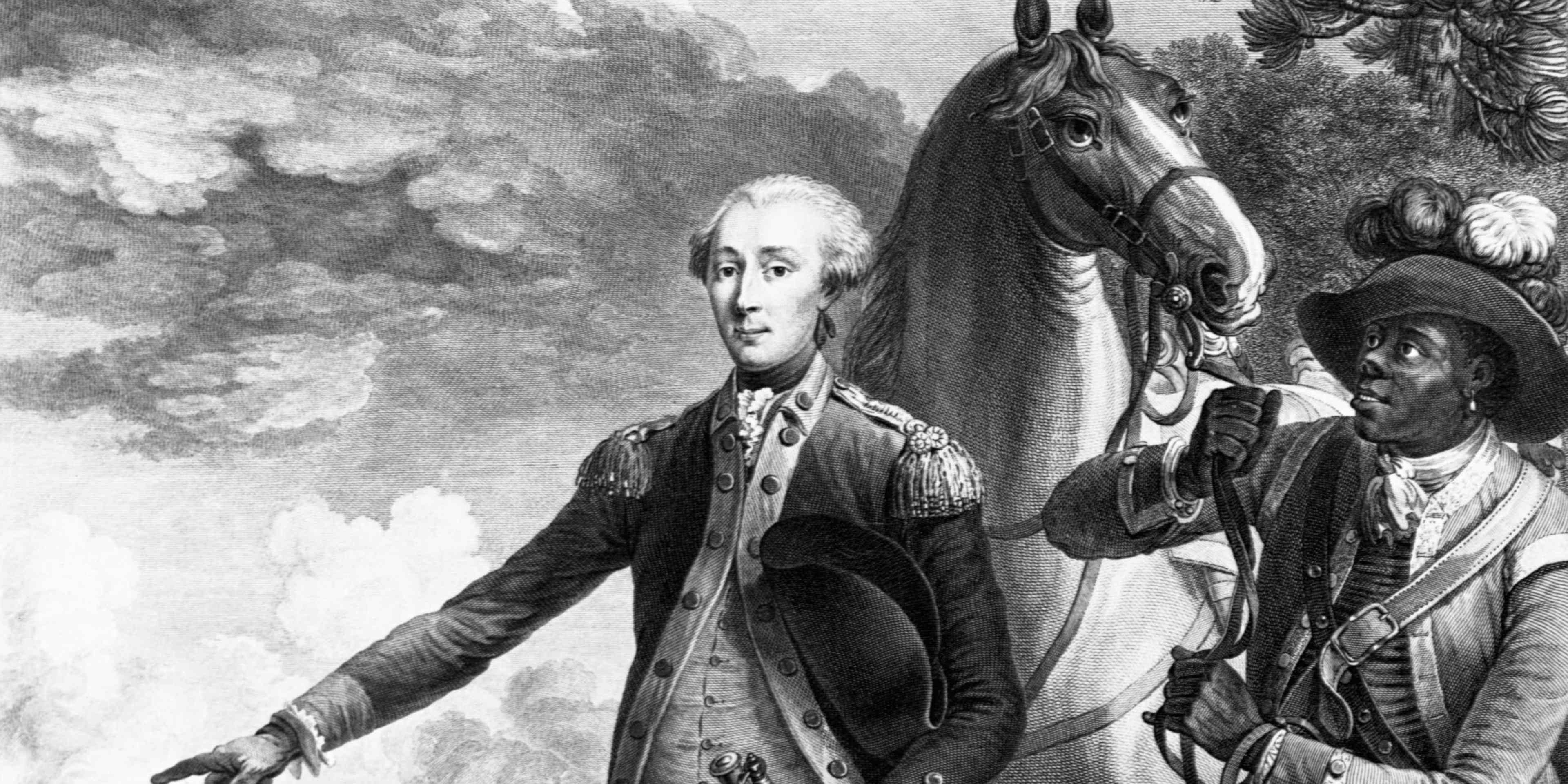
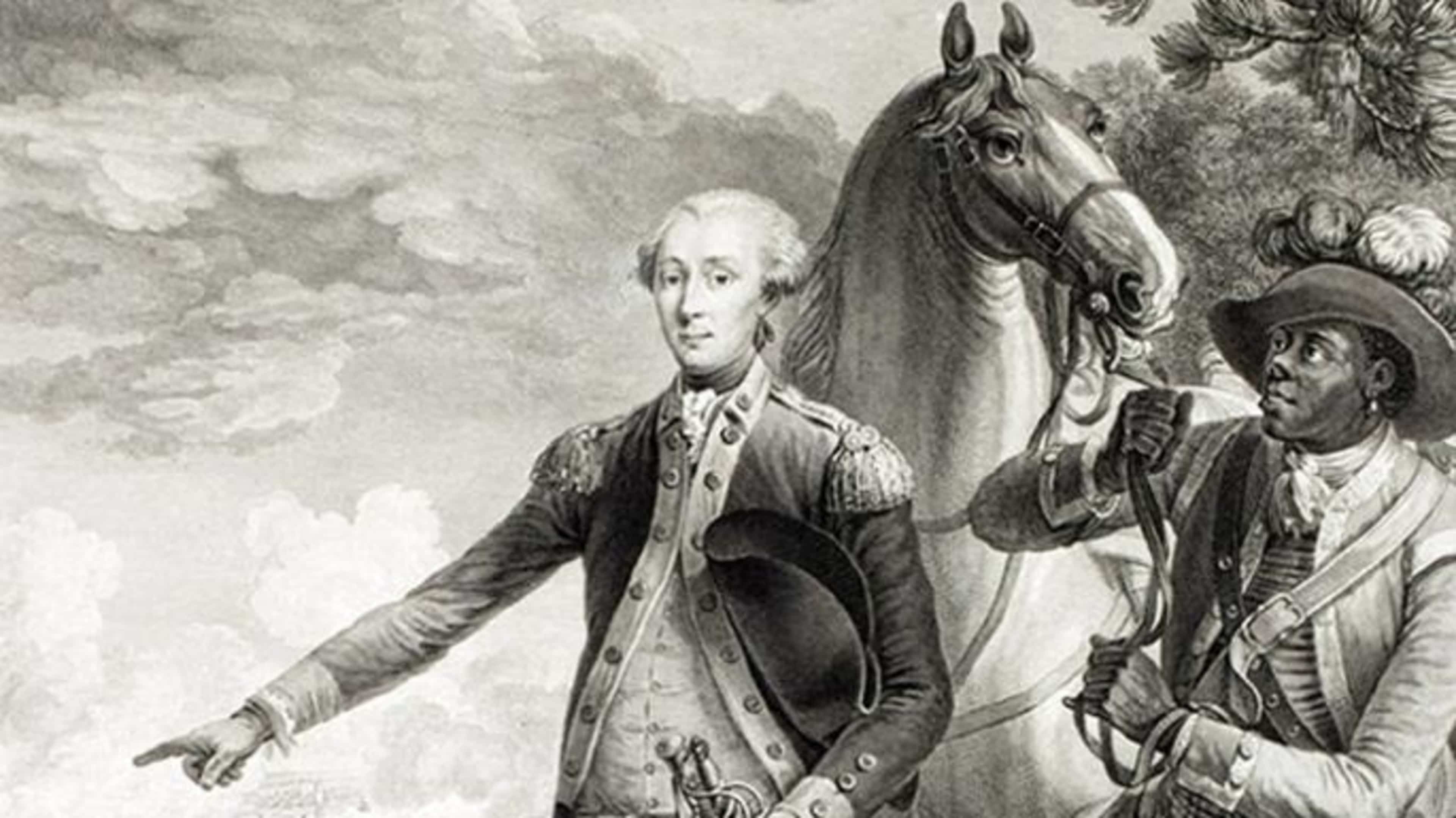
During the pivotal Yorktown campaign, the Marquis de Lafayette recruited James Armistead, an enslaved African American who received permission from his master to aid the patriot cause. Armistead began as a simple courier, but his extraordinary intelligence and poise soon led to a far more dangerous assignment: infiltrating the camp of British General Charles Cornwallis. Posing as a runaway slave eager to serve the British, Armistead gained the trust of Cornwallis, who eventually recruited him to spy on the patriots. Working as a double agent, Armistead fed Cornwallis carefully crafted misinformation provided by Lafayette, such as reports detailing massive, nonexistent Continental units. Simultaneously, Armistead gathered precise details of British troop movements. In July 1781, he was among the first to alert Lafayette that the British were massing at Yorktown. This vital intelligence directly set the stage for the siege that won the war. Despite his heroic contributions, Armistead was returned to slavery after the war. He finally secured his freedom in 1787 with the help of a letter written by Lafayette himself, later adopting the surname Lafayette in honor of his commander. This incredible collaboration highlights the critical ways the French helped win the American Revolution and secure American independence.
3. Benjamin Tallmadge: The Mastermind of the Culper Spy Ring
As a dragoon officer who fought in major battles like White Plains and Germantown, Benjamin Tallmadge understood the chaos of open warfare. However, his greatest contribution was his organizational genius behind the Culper Spy Ring. Established in late 1778 under Washington’s direct orders, Tallmadge (using the pseudonym John Bolton) built a highly secure intelligence network utilizing childhood friends from Long Island, including Abraham Woodhull and Robert Townsend. Tallmadge pioneered advanced espionage techniques, including dead drops, complex alphanumeric codes, and invisible ink formulated by James Jay. This ink, which required a specific chemical reagent to become visible, ensured that intercepted letters appeared completely blank to British eyes. The Culper Spy Ring successfully operated for five years in the heart of enemy territory without losing a single agent. Their biggest triumph came in 1780, when they discovered a planned British attack on French troops at Newport, Rhode Island, allowing Washington to successfully reinforce the area.
4. Enoch Crosby: The Pioneer of Counterintelligence
Enoch Crosby’s career in espionage began entirely by accident in 1776. While traveling to enlist in the Continental Army in New York, the Connecticut-born shoemaker was mistaken for a British sympathizer and invited to a secret meeting of loyalist militiamen. Realizing the strategic value of this mistake, Crosby went along with the ruse and promptly reported the meeting to patriot leader John Jay. Recognizing Crosby’s natural talent, Jay recruited him as one of America’s very first counterintelligence agents. To protect his identity, Crosby’s handlers staged his arrest alongside loyalist conspirators, allowing him to escape and continue his work deep undercover. Crosby successfully infiltrated at least four loyalist groups, mapping out their structures before they were rounded up in patriot raids. His double life was so convincing that even his own parents believed he was a traitor to the American cause, illustrating the intense personal toll paid by early American spies.
5. Lewis Costigin: Spying in Plain Sight
Lieutenant Lewis Costigin executed one of the most audacious espionage operations of the war by gathering intelligence while wearing his official Continental Army uniform. Sent by Washington to New Jersey in 1777, Costigin was captured by the British. Because he was in uniform, he was treated as a prisoner of war rather than a spy, avoiding the immediate execution that befell Nathan Hale. Paroled in New York City, Costigin was allowed to walk the streets freely on his honor that he would not take up arms. When he was officially exchanged for a British officer in late 1778, he chose to remain in New York as a civilian spy. Because the British were so accustomed to seeing him around town, they paid him no mind. Clad in his enemy uniform, Costigin openly recorded British troop movements, shipping logs, and supply rations, sending highly detailed reports to Washington under the pseudonym “Z” until January 1779.
Major Turning Points and the Threat of Treason
The shadowy struggle between patriot spies and loyalist agents also required robust counterespionage. No event highlighted the extreme danger of betrayal more than the defection of Benedict Arnold. To safeguard the revolution, Washington’s spy networks had to remain vigilant against internal threats. To fully understand how close the revolution came to failing from within, you can explore the dark details of why Benedict Arnold betrayed America and how his plans to surrender West Point were thwarted.
The Long-Term Impact on America
The covert actions of these five spies did more than just help win the Revolutionary War; they established the blueprint for modern American intelligence agencies. The sophisticated tradecraft developed by Tallmadge, the strategic disinformation used by Armistead, and the counterespionage methods of John Jay laid the foundational tradecraft that would eventually evolve into the Central Intelligence Agency (CIA) and military intelligence structures. Washington’s focus on intelligence proved that a young, underfunded nation could successfully defend itself through superior information and strategy.
Lesser-Known Facts about Revolutionary Spies
- The Invisible Ink Formula: The “sympathetic stain” used by the Culper Ring was so secret that even Washington did not know the exact chemical recipe, which was kept entirely by its creator, James Jay (brother of John Jay).
- The Laundry Code: A Culper Ring operative named Anna Strong reportedly used her clothesline to transmit messages. By hanging a black petticoat alongside a specific number of handkerchiefs, she signaled the location of the hidden courier Caleb Brewster.
- Costigin’s Legal Loophole: Lewis Costigin’s parole terms technically forbade him from taking up arms or communicating with the military while a prisoner, but once he was formally exchanged, his parole ended. However, because the British did not realize he was no longer a prisoner on parole, he was able to walk among them and spy legally under military custom.
Why It Still Matters Today
In the modern digital era, where cybersecurity, surveillance, and information warfare dominate global politics, the legacy of the Revolutionary War spies remains highly relevant. It teaches us that intelligence is often more powerful than raw military might. Furthermore, acknowledging figures like James Armistead Lafayette emphasizes the diverse and often overlooked heroes who fought for American freedom despite facing systemic injustice, enriching our understanding of the nation’s complex path toward liberty.
People Also Ask
Who was the most successful spy in the American Revolution?
While individual spies excelled, the Culper Spy Ring, led by Benjamin Tallmadge, is widely considered the most successful and organized espionage network of the war.
How did Nathan Hale get caught?
Nathan Hale was captured because he lacked training in espionage tradecraft. His unusual questioning aroused suspicion, and he was tricked into revealing his identity by a British officer posing as a patriot.
Did George Washington have a spy ring?
Yes, George Washington personally funded and managed several intelligence operations, most notably the Culper Spy Ring, which operated in New York and Long Island.
Conclusion
The American Revolution was won not only on the blood-soaked battlefields of Saratoga and Yorktown, but also in the quiet shadows of occupied towns and British military camps. The daring exploits of Nathan Hale, James Armistead Lafayette, Benjamin Tallmadge, Enoch Crosby, and Lewis Costigin proved that information, strategy, and sheer courage could overcome the greatest military empire on Earth. Their legacy remains an enduring testament to the power of the human spirit and the foundational role of intelligence in securing American independence.


