Among the many towering figures who shaped the trajectory of the American South during the nineteenth century, few possessed a legacy as vast, complex, and intensely polarizing as Wade Hampton III. Born into extraordinary privilege as the heir to one of the wealthiest antebellum plantation dynasties, Hampton would transition from a prominent South Carolina aristocrat into a legendary Confederate cavalry commander, and ultimately, into the political mastermind of the post-war Southern “Redemption” movement. His life serves as a stark historical window into the rise and fall of the planter class, the brutal realities of the American Civil War, and the bitter racial and political battles that defined the Reconstruction era. By examining Hampton’s rise, his military exploits, and his controversial political career, we can better understand the deep-seated cultural forces that continue to influence American memory and political discourse today.
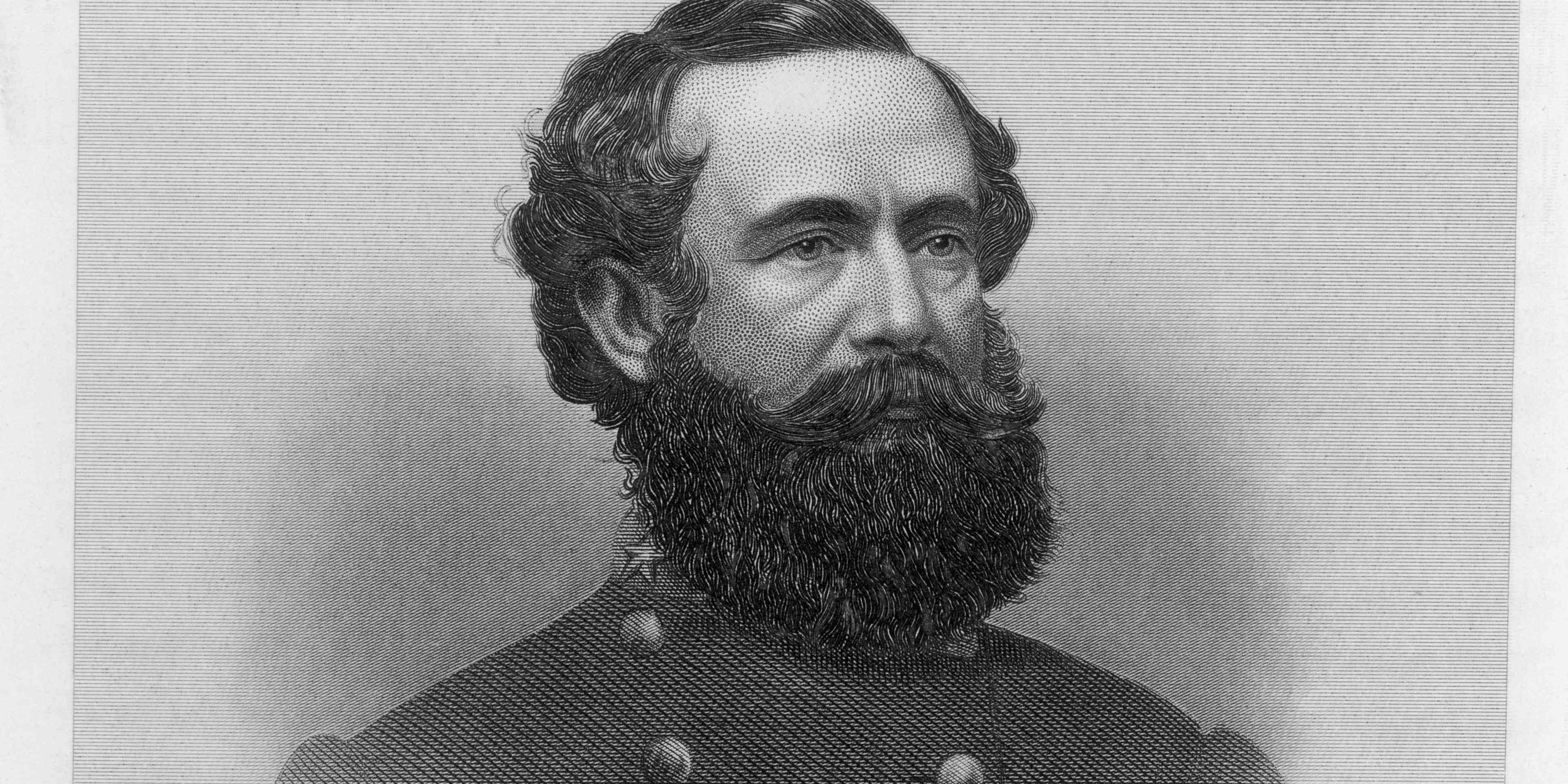
The Antebellum Dynasty: Wealth, Power, and the Institution of Slavery
To understand the political and military motivations of Wade Hampton III, one must first understand the immense socio-economic empire into which he was born. He was born on March 28, 1818, in Charleston, South Carolina. His grandfather, Wade Hampton I, had been a Revolutionary War officer, a brigadier general in the War of 1812, and a wealthy member of the U.S. House of Representatives. His father, Wade Hampton II, was similarly distinguished as an officer and a highly successful planter who expanded the family’s holdings into Mississippi. The Hamptons did not merely belong to the Southern aristocracy; they were among its absolute vanguard.
Hampton grew up on sprawling estates, most notably Millwood, near Columbia, South Carolina. He received an elite private education and graduated from South Carolina College (now the University of South Carolina) in 1836. He spent the subsequent years studying law, though he never actively practiced. Instead, he took over the management of his family’s massive cotton plantations in South Carolina and Mississippi. Following his father’s death in 1858, Hampton became one of the largest slaveholders in the entire American South, with his wealth anchored directly in the labor of hundreds of enslaved African Americans.
Though deeply committed to the planter lifestyle, Hampton’s early political career in the South Carolina General Assembly (serving as a representative from 1852 to 1856 and a state senator from 1856 to 1861) was characterized by a degree of caution. Unlike the radical “Fire-Eaters” who passionately advocated for immediate secession from the Union, Hampton was a moderate unionist who feared that a war would devastate the Southern economy and destroy his family’s fortunes. However, when South Carolina became the first state to secede in December 1860, Hampton’s loyalty to his home state and his class interests overrode his initial reservations. He resigned his Senate seat and threw his immense wealth and prestige entirely behind the newly declared Confederate States of America.
The Civil War Era: The Rise of an Untrained Cavalry Genius
When the Civil War erupted in the spring of 1861, Wade Hampton III lacked any formal military training or education from institutions like West Point. Yet, what he lacked in textbook military strategy, he more than made up for in natural horse riding skills, charismatic leadership, and sheer financial resourcefulness. He personally financed and organized the Hampton Legion, a highly versatile force composed of six companies of infantry, four of cavalry, and one battery of light artillery. Utilizing his personal wealth, Hampton ensured his troops were outfitted with top-tier arms and equipment.
From Bull Run to the Cavalry Corps
The Hampton Legion received its trial by fire in July 1861 at the First Battle of Bull Run. Positioned near the critical Henry House Hill, Hampton’s men stood firm against a ferocious Union onslaught, buying precious time for Confederate reinforcements to arrive and secure a victory. Hampton himself was wounded in the forehead during the heavy fighting, marking the first of several combat injuries he would sustain throughout the war.
By May 1862, Hampton was promoted to brigadier general and took command of an infantry brigade in the Army of Northern Virginia. He fought bravely during the Peninsula Campaign and suffered his second wound at the Battle of Seven Pines. Recognizing his extraordinary horsemanship, Confederate high command reassigned Hampton to the cavalry in July 1862, placing him under the command of the legendary Major General J.E.B. Stuart. Over the next year, Hampton participated in Robert E. Lee’s most daring campaigns, including the Maryland invasion and the dramatic Chambersburg Raid in Pennsylvania.
The Pivotal Turning Point: Gettysburg and Stuart’s Succession
Hampton’s military reputation reached its zenith during the summer of 1863. He commanded a brigade at the Battle of Brandy Station—the largest predominantly cavalry engagement ever fought on the North American continent—before marching north into Pennsylvania. During the climactic Battle of Gettysburg, Hampton’s cavalry engaged in brutal hand-to-hand combat against Union horsemen led by George Armstrong Custer. Hampton was severely wounded during the fighting on July 3, receiving multiple saber slashes to his head and a deep shrapnel wound to his hip. His recovery was slow, but his valor earned him a promotion to major general in August 1863.
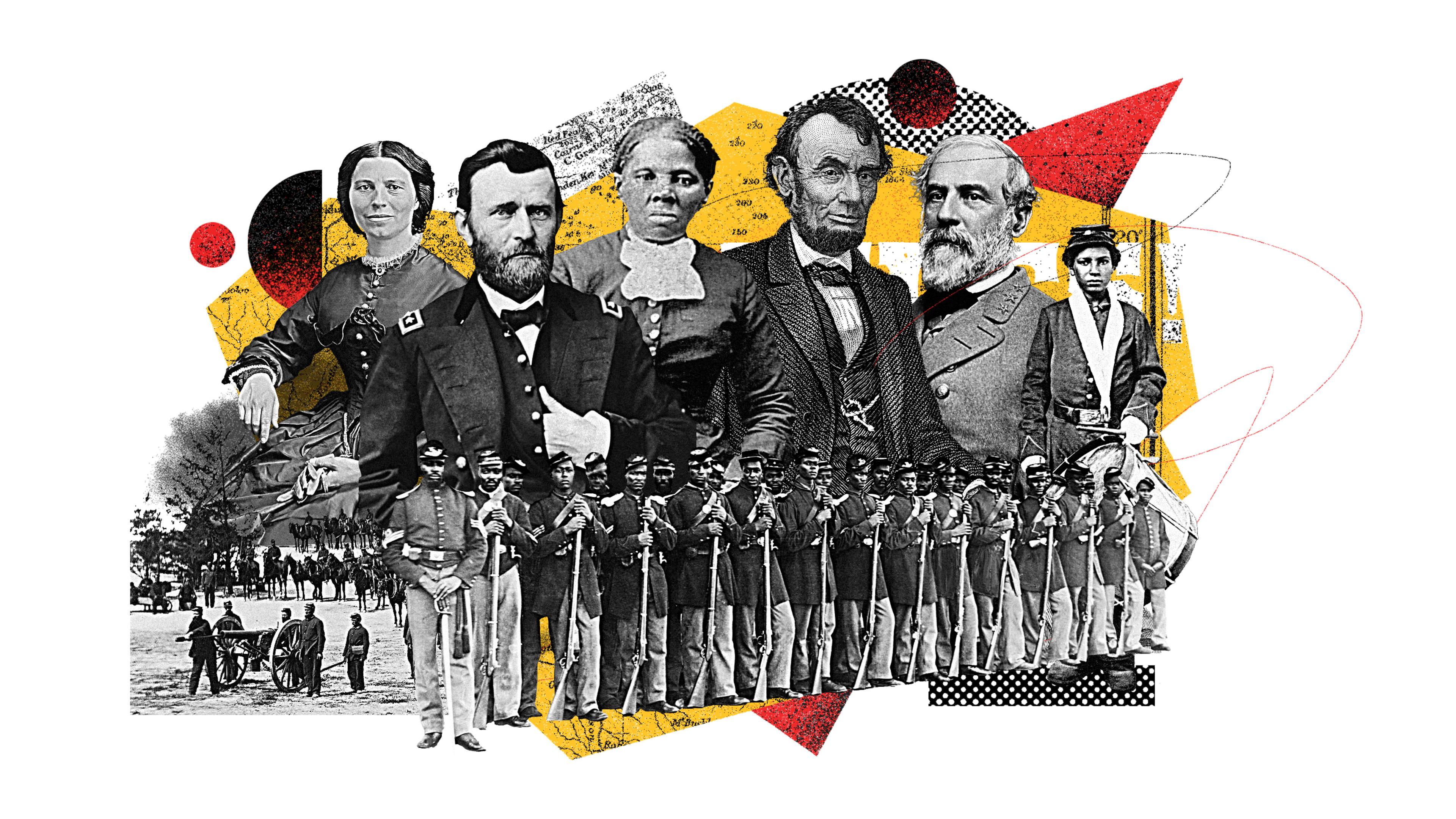
Following J.E.B. Stuart’s mortal wounding at the Battle of Yellow Tavern in May 1864, Robert E. Lee selected Wade Hampton to assume command of the cavalry corps of the Army of Northern Virginia. Hampton immediately proved his strategic brilliance. In June 1864, at the Battle of Trevilian Station, Hampton successfully repelled a massive offensive by Union General Philip Sheridan, protecting vital Confederate supply lines and the Virginia Central Railroad. In September of that same year, he executed the famous “Beefsteak Raid,” slipping behind enemy lines to capture over 2,400 head of cattle to feed Lee’s starving army at Petersburg.
In the final months of the war, Hampton was promoted to lieutenant general—one of only three men without a West Point education to achieve this rank in the Confederacy. Sent south to defend his home state, he witnessed the devastating capture and burning of Columbia by General William T. Sherman’s forces. He eventually surrendered alongside General Joseph E. Johnston in North Carolina in late April 1865.
The Post-War Era: The Fight Against Reconstruction and the “Redeemer” Movement
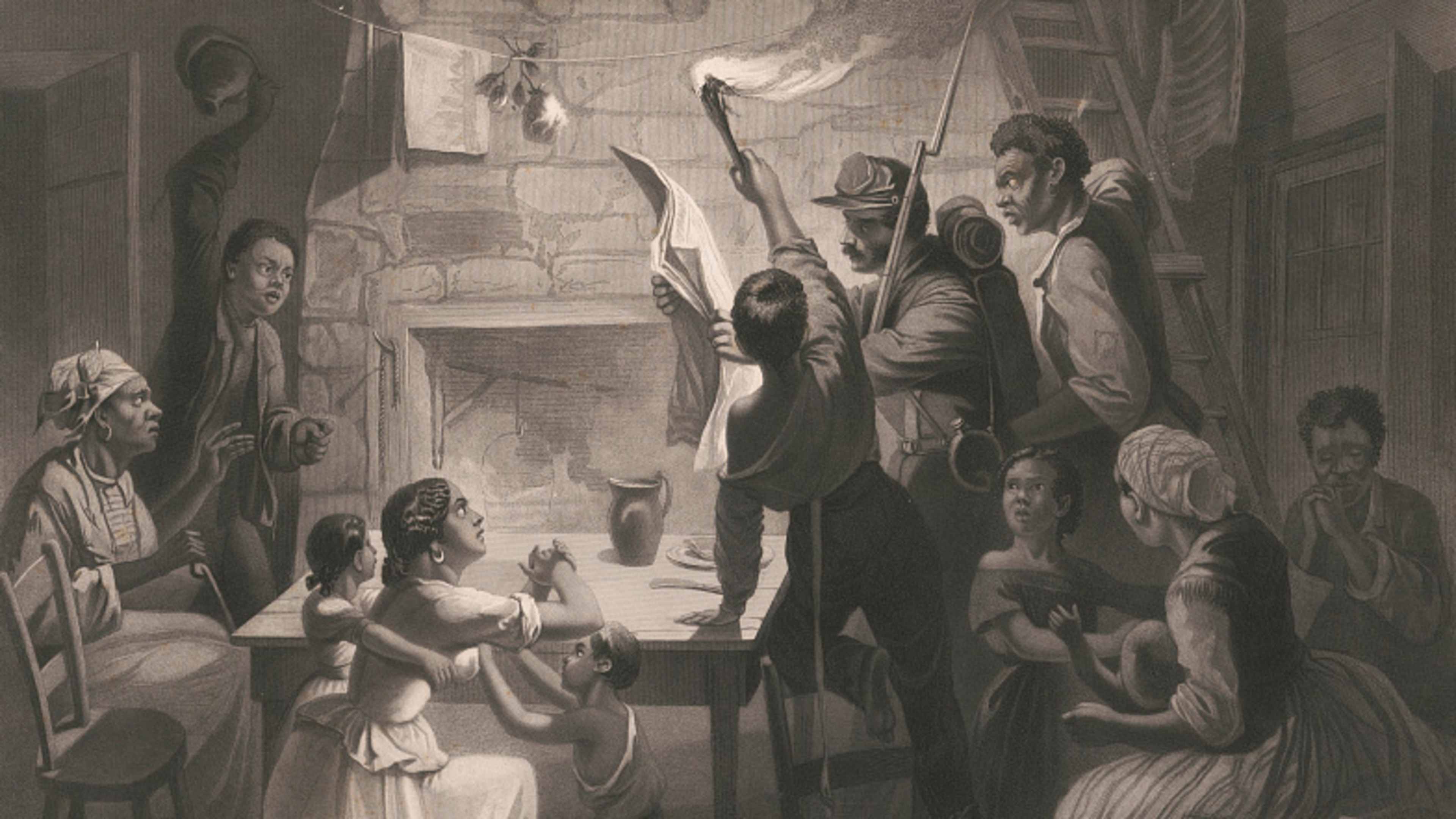
The conclusion of the Civil War left Wade Hampton III financially ruined. His grand mansion, Millwood, lay in ashes, his vast plantations were unworked, and his wealth—previously tied up in Confederate bonds and human property—had completely vanished. Despite his personal ruin, Hampton initially advocated for a peaceful reconciliation with the federal government and even advised white Southerners to accept the reality of emancipation, suggesting a highly qualified franchise for educated African Americans.
However, as Congress enacted Radical Reconstruction policies, dissolving Southern state governments and granting full political and voting rights to newly emancipated Black men, Hampton’s stance hardened dramatically. He became an outspoken critic of the Republican-led Reconstruction governments, which he and other white Democrats viewed as corrupt, illegitimate “carpetbagger” rule. Hampton allied himself with the “Lost Cause” movement, which sought to paint the Confederate struggle as a noble defense of constitutional liberty rather than a war fought to preserve slavery.
The Violent Election of 1876 and the “Red Shirts”
Hampton returned to the political spotlight in 1876, running as the Democratic candidate for governor of South Carolina against the incumbent Republican, Daniel Henry Chamberlain. The campaign of 1876 was one of the most violent, fraudulent, and contested elections in American history. Hampton’s supporters formed a paramilitary organization known as the Red Shirts. These armed white men patrolled the state, using physical violence, economic intimidation, and systemic voter suppression to prevent Black citizens from casting ballots for the Republican ticket.
Both political parties claimed victory, leading to a tense, months-long standoff where dual governments operated simultaneously in Columbia. The crisis was ultimately resolved in 1877 as part of the national Compromise of 1877, which saw the withdrawal of federal troops from the South in exchange for the presidency of Rutherford B. Hayes. With federal troops gone, the Republican government in South Carolina collapsed, and the state Supreme Court officially declared Wade Hampton III the governor.
As governor, Hampton marketed himself as a moderate paternalist, promising to protect the basic civil rights of Black South Carolinians. However, his rise to power—commonly referred to by white Southerners as “Redemption”—marked the effective end of Reconstruction in the state. It paved the way for the systematic disenfranchisement of African Americans and the establishment of the oppressive Jim Crow system of racial segregation.
Lesser-Known Historical Anecdotes
- The Beefsteak Raid Masterstroke: During the siege of Petersburg in September 1864, Hampton’s cavalry executed a daring 100-mile ride behind Union lines. They successfully bypassed General Ulysses S. Grant’s forces, captured 2,468 head of cattle, took 300 Union prisoners, and returned to Confederate lines losing only 10 men. The raid provided a massive morale boost and desperately needed food for the starving Southern army.
- A Non-West Point Lieutenant General: Hampton was one of only three men in the Confederacy who rose to the rank of lieutenant general without a formal military education. The other two were the controversial Nathan Bedford Forrest and Richard Taylor (son of President Zachary Taylor).
- Tragedy at Millwood: When General Sherman’s Union troops occupied Columbia in February 1865, they targeted Hampton’s personal property. The grand family estate of Millwood was burned to the ground. Today, only a set of brick ruins and towering columns remain as a haunting monument to the Hampton family’s antebellum dynasty.
Wade Hampton’s Chronological Timeline
- March 28, 1818: Born in Charleston, South Carolina, to one of the state’s wealthiest families.
- 1836: Graduates from South Carolina College.
- 1852: Elected to the South Carolina House of Representatives, initiating his political career.
- 1858: Inherits his father’s vast estates, becoming one of the largest slaveholders in the United States.
- 1861: Resigns from the state Senate, finances and organizes the “Hampton Legion,” and is wounded at the First Battle of Bull Run.
- 1862: Promoted to brigadier general; commands infantry in the Peninsula Campaign and cavalry under J.E.B. Stuart.
- July 1863: Severely wounded during heavy cavalry fighting on the third day of the Battle of Gettysburg.
- May 1864: Takes command of the Cavalry Corps of the Army of Northern Virginia following the death of J.E.B. Stuart.
- April 1865: Surrenders alongside General Joseph E. Johnston in North Carolina.
- 1876–1877: Runs a highly contested, violent gubernatorial campaign; officially becomes the Governor of South Carolina after the Compromise of 1877.
- 1879–1891: Serves as a U.S. Senator representing South Carolina.
- April 11, 1902: Dies in Columbia, South Carolina, at the age of 84.
Why Wade Hampton III Still Matters Today
The legacy of Wade Hampton III remains a subject of intense historical debate and modern cultural friction. To generations of white Southerners in the late nineteenth and early twentieth centuries, Hampton was revered as the “Savior of South Carolina,” a noble knight of the Lost Cause who rescued the state from the perceived ruin of Reconstruction. His name was adorned on schools, counties, towns, and a prominent statue of him was erected in the U.S. Capitol’s National Statuary Hall.
In modern historical discourse, however, Hampton’s legacy is viewed through a much more critical lens. He is recognized as a primary architect of the post-war white supremacy movement in South Carolina, whose political ascent was paid for in the blood of Black citizens targeted by the Red Shirts. The debate surrounding his monuments and public memorials highlights the ongoing struggle in America to reconcile historical heritage with the values of civil rights, equality, and historical justice.
People Also Ask (FAQ)
Was Wade Hampton a good general?
Yes, from a purely military standpoint, Wade Hampton was highly regarded as one of the most talented cavalry commanders of the Civil War. Despite having no formal military training, he demonstrated excellent tactical skills, courage in battle, and successfully succeeded J.E.B. Stuart in commanding the cavalry of the Army of Northern Virginia.
Who were the “Red Shirts” associated with Wade Hampton?
The Red Shirts were a white supremacist paramilitary group active in the late 1870s. They acted as the military arm of the Democratic Party in South Carolina, using physical violence, threats, and intimidation to suppress the Republican and Black vote, ensuring Hampton’s victory in the 1876 gubernatorial election.
How did Wade Hampton make his fortune?
Hampton inherited his vast fortune from his father and grandfather. His wealth was built entirely upon the plantation economy, owning massive cotton estates in South Carolina and Mississippi that were cultivated by hundreds of enslaved African Americans.
The Enduring Lessons of Hampton’s Legacy
Wade Hampton III’s life is a vivid reminder of how deeply the threads of wealth, war, and race are woven into the fabric of American history. He was a man of his time—fiercely loyal to his state, defensive of the institutions that generated his wealth, and unyielding in his pursuit of political power. By confronting his complex, multi-faceted history, we gain a deeper appreciation of the struggles that defined the Reconstruction era and the long, ongoing march toward true equality in the United States.


