Throughout the history of the United States, Black Americans have served their nation with extraordinary valor, often fighting on behalf of a country that systematically denied them basic civil rights. From the earliest skirmishes of the American Revolution to the global theaters of World War II, these brave individuals took up arms not only to defend American soil but to secure their own freedom and demand first-class citizenship. Black heroes in US military history continuously shattered pervasive stereotypes, proving their tactical brilliance, immense discipline, and unyielding fortitude in the face of deep-seated prejudice. Understanding their contributions is not merely an exercise in military strategy; it is a fundamental exploration of how marginalized communities pushed the boundaries of American democracy forward. By exploring their sacrifices, we uncover the complex and powerful narrative of a people who fought two wars simultaneously: one against external foreign adversaries and another against systemic oppression at home.
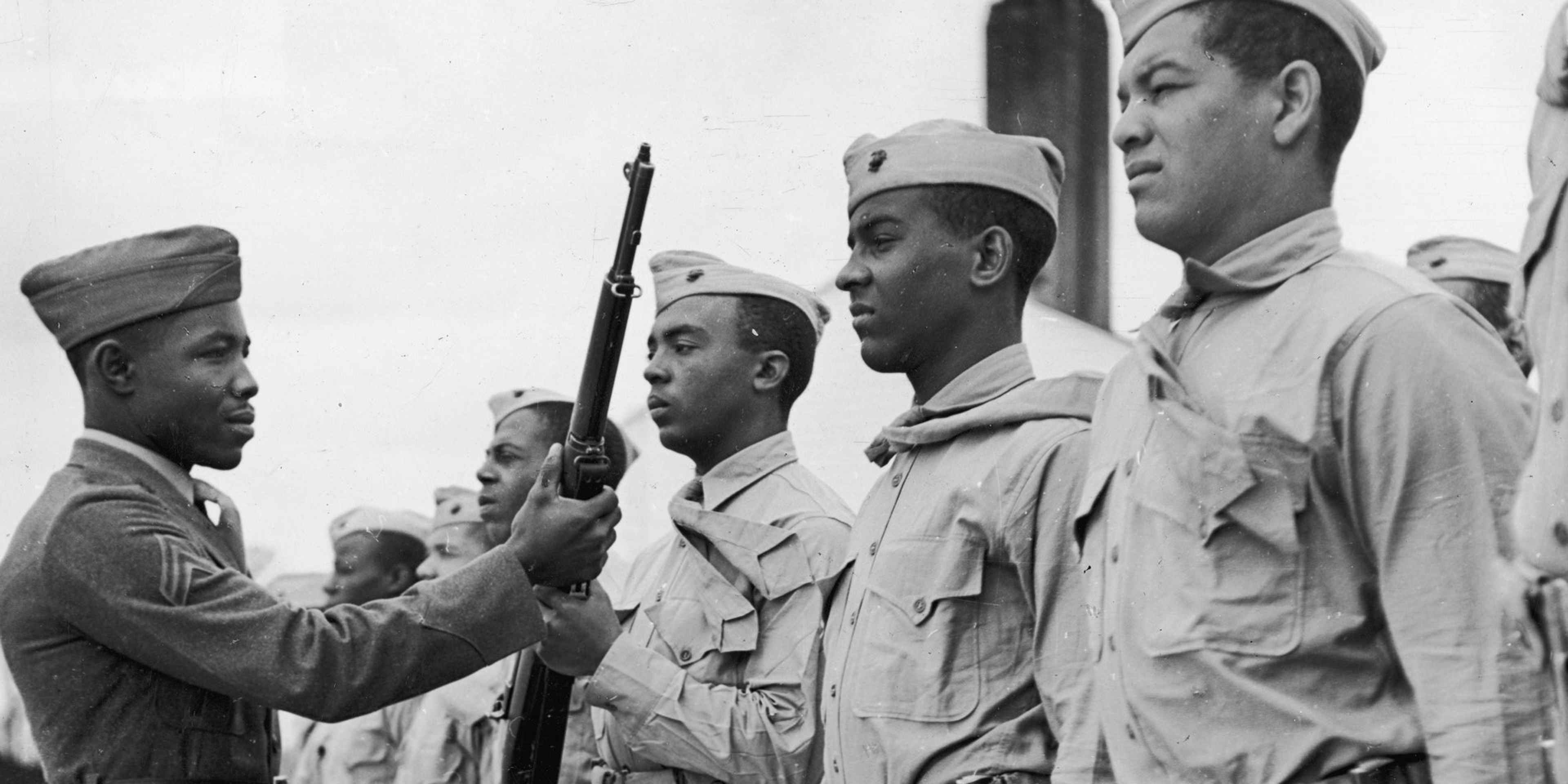
Historical Background: A Dual Struggle for Freedom
The history of Black Americans in the US military is a complex tapestry woven with threads of sacrifice, patriotism, and irony. For centuries, African-descended people were called upon to defend land and liberties they themselves were not permitted to enjoy. During the colonial era and the early years of the republic, military leaders and politicians expressed deep reluctance to arm enslaved and formerly enslaved individuals. There was a pervasive fear that putting firearms into the hands of Black men would spark massive slave uprisings and violent reprisals. Consequently, Black service members were initially relegated to menial support roles—digging trenches, carting supplies, and preparing food. Yet, when troop shortages threatened military objectives, leaders reluctantly allowed Black units to fight, often assigning them the most dangerous frontline positions.
The Revolutionary War and the Paradox of Liberty
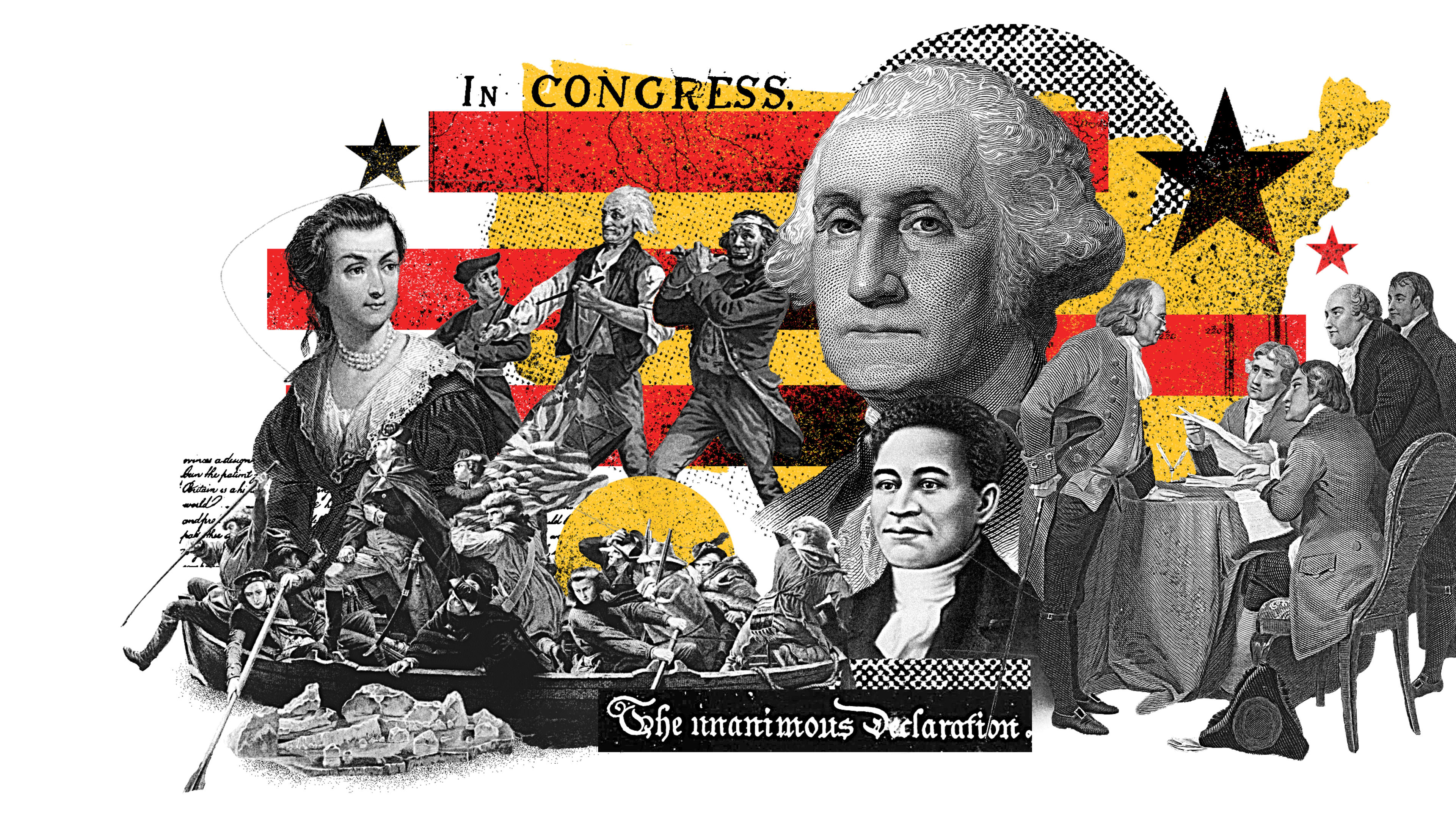
During the American Revolution, thousands of Black soldiers participated on both sides of the conflict. For these men, the war was not just about colonial independence or maintaining British imperial control; it was a personal struggle for emancipation. Historians estimate that between 5,000 and 8,000 African-descended individuals fought for the Patriot cause, while upwards of 20,000 served the British Crown, which actively offered freedom to those who fled rebel masters. The revolution’s rhetoric of liberty stood in stark contrast to the reality of chattel slavery, prompting courageous legal battles like how Elizabeth Freeman sued for her freedom and won, showing that the pursuit of liberty was happening both on the battlefield and in the courtroom.
Chronological Timeline of Black Military Service
The timeline of Black participation in major American conflicts highlights a steady march toward desegregation and recognition:
- 1770: Crispus Attucks, a man of African and Native American descent, becomes the first casualty of the American Revolution during the Boston Massacre. Learn more about the critical details and facts about Crispus Attucks to understand his foundational role.
- 1863: The Emancipation Proclamation officially permits the recruitment of African American soldiers, leading to the creation of the United States Colored Troops (USCT).
- 1898: Buffalo Soldiers, segregated African American cavalry regiments, play a vital role in the Spanish-American War, including the Battle of San Juan Hill.
- 1917–1918: The 369th Infantry Regiment, famously known as the Harlem Hellfighters, serves on the front lines in France for 191 days, longer than any other American unit.
- 1941–1945: The Tuskegee Airmen break segregation barriers in the US Army Air Corps, and over 500,000 Black Rosies work in domestic defense industries during World War II.
- 1948: President Harry Truman signs Executive Order 9981, officially ending segregation in the United States Armed Forces.
Important Figures and Their Lasting Impact
Behind the broad strokes of military history are the individual lives of standout soldiers, spies, and civilians who redefined what it meant to be a hero.
Horace Pippin: The Artist of the Trenches
During World War I, Horace Pippin served as a corporal with the Harlem Hellfighters. While surviving the horrifying realities of trench warfare, poisonous gas attacks, and sniper fire, Pippin kept a detailed journal filled with stark pencil and crayon illustrations. His poignant firsthand descriptions of ‘them lonely, cooty, muddy trenches’ captured the psychological toll of war. Despite losing the full use of his right arm to a German sniper, Pippin returned home to become one of the most celebrated self-taught African American artists of the 20th century, using his paintings to process his wartime trauma and preserve the memory of his fallen comrades.
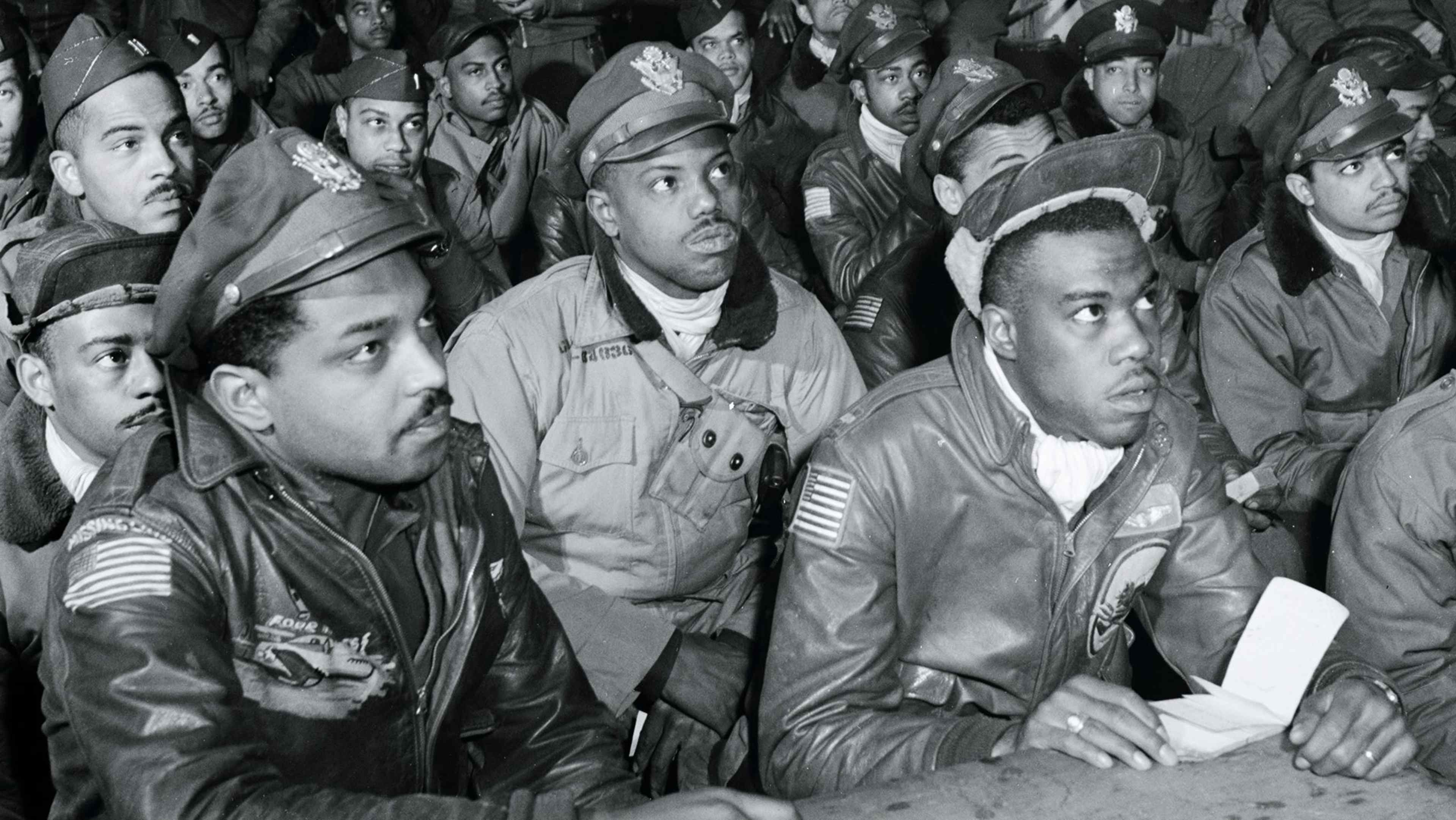
The Tuskegee Airmen: Masters of the Skies
Before World War II, a widespread and scientifically baseless stereotype suggested that African Americans lacked the coordination, intelligence, and bravery required to operate military aircraft. The Tuskegee Airmen shattered this myth. Trained at the Tuskegee Army Airfield in Alabama, these aviators flew hundreds of escort and combat missions over Europe. Led by figures like Benjamin O. Davis Jr. and featuring heroes like pilot Luther Smith, the Tuskegee Airmen compiled an extraordinary combat record, protecting Allied bombers and proving that courage and skill know no racial boundaries.
The “Black Rosies”: The Homefront Pioneers
While soldiers fought abroad, the homefront required a massive industrial mobilization. While the cultural icon “Rosie the Riveter” is traditionally depicted as white, more than 500,000 Black women—collectively known as “Black Rosies”—stepped up to work in shipyards, munitions factories, and administrative offices. Escaping dead-end domestic and sharecropping labor, these women worked as welders, electricians, and sheet metal workers, fighting authoritarianism abroad and challenging systemic racism in employment at home.
Major Turning Points in US Military History
Several pivotal moments transformed the status of Black service members from marginalized laborers to elite combat forces. The Civil War’s Battle of Fort Wagner in July 1863, spearheaded by the 54th Massachusetts Volunteer Infantry, proved to skeptical Northern leaders that Black soldiers possessed immense bravery and discipline under heavy fire. In World War I, the transfer of the Harlem Hellfighters to French command—where they were welcomed with respect and awarded the Croix de Guerre—demonstrated that their combat capabilities were equal to, if not superior to, those of their white counterparts. Finally, the strategic success of the Tuskegee Airmen and the massive industrial contributions of Black women during World War II made the continuation of military segregation politically and morally untenable, culminating in President Truman’s landmark 1948 integration decree.
Long-Term Impact on America
The sacrifices of Black military heroes had profound, long-lasting consequences for the nation’s social and legal structures. Returning veterans from both World Wars were unwilling to accept the indignities of Jim Crow segregation after risking their lives for global freedom. Their organizing power, discipline, and moral authority became the bedrock of the mid-20th-century Civil Rights Movement. Military integration in 1948 served as a crucial precursor to the desegregation of schools, public transportation, and workplace hiring. These milestones represent some of the most pivotal moments in the larger narrative of strides for freedom in US history, showing that the battle for domestic equality was forged on distant battlefields.
Lesser-Known Facts about Black Military Heroes
To fully appreciate this rich history, it is worth exploring these surprising historical facts:
- The Harlem Hellfighters’ Mascot: The 369th Infantry Regiment had an official puppy mascot named ‘Say-and-Do’ whom they brought with them to France.
- British Recruitment Efforts: During the American Revolution, the British Lord Dunmore’s Proclamation successfully recruited thousands of enslaved men by promising them immediate freedom, creating the ‘Ethiopian Regiment’ to fight against the Patriots.
- Pippin’s Self-Therapy: Horace Pippin used a hot poker to support his injured right arm with his left hand while painting, transforming his physical disability into a unique artistic technique.
Why Their Legacy Still Matters Today
The legacy of Black military heroes remains vital in contemporary society because it reminds us of the true cost of American democracy. Their stories challenge us to confront the historical hypocrisy of fighting for freedom abroad while denying it at home, prompting deeper discussions about patriotism, systemic racism, and civic duty. Modern institutions, including the integrated military forces of today, stand directly on the shoulders of these pioneers, demonstrating that true national security is built upon equality, diversity, and shared sacrifice.
People Also Ask
Why were Black soldiers segregated during World War II?
Despite the need for manpower, the US military operated under strict Jim Crow-era segregation policies during World War II. Military brass believed that integrating troops would cause social friction and lower morale among white soldiers, a belief that was later proven false by the stellar performance of integrated experimental units and subsequent desegregation.
What was the role of the Harlem Hellfighters?
The Harlem Hellfighters (369th Infantry Regiment) were a highly decorated African American unit in World War I. Because American commanders were reluctant to have them fight alongside white US troops, they were assigned to the French Army. They spent 191 days in combat, never losing a foot of ground or a soldier to capture.
How did military service influence the Civil Rights Movement?
Serving in the military gave Black veterans a renewed sense of pride, leadership experience, and international perspective. Upon returning home to a segregated America, these veterans organized, protested, and legally challenged Jim Crow laws, providing the strategic leadership that drove the Civil Rights Movement forward.
Conclusion
The story of Black military heroes is an essential, inspiring chapter in the American narrative. From the frozen trenches of Europe to the roaring factories of the homefront, these men and women demonstrated unmatched patriotism under the most challenging circumstances. Their legacy is not just one of military victory, but of a persistent, heroic demand that America live up to its founding creed of liberty and justice for all.


