The concept of a Pyrrhic victory represents one of the most fascinating paradoxes in military history: winning a battle but losing the war. Named after King Pyrrhus of Epirus, whose costly triumphs over the Roman Republic left him strategically ruined, this tactical phenomenon has played a defining role in conflicts across millennia. In the context of American history, understanding Pyrrhic victories is crucial to analyzing how early revolutionary forces survived the formidable British Army and how the Civil War’s trajectory was permanently altered. From the bloody heights of Boston to the dense wilderness of Chancellorsville, these costly clashes demonstrate that true strategic triumph is measured not by who holds the battlefield at sunset, but by who possesses the sustainable resources, morale, and manpower to endure the long campaign ahead.
The Ancient Origin: Pyrrhus of Epirus and the Rise of Rome
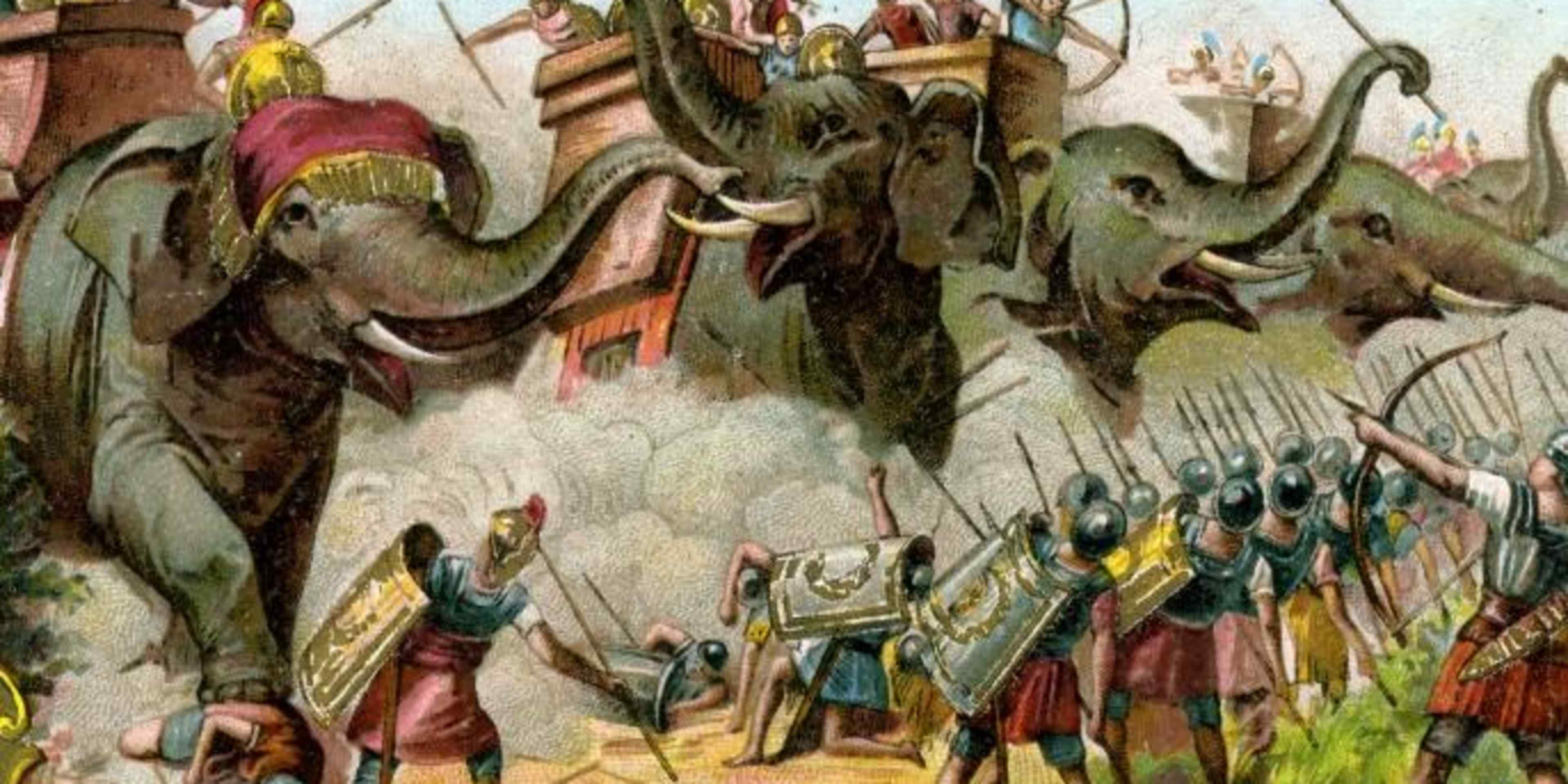
To fully comprehend the concept of a Pyrrhic victory, one must look back to antiquity. In 280 B.C., King Pyrrhus of Epirus crossed the Ionian Sea to aid the Greek city-state of Tarentum against the expansionist Roman Republic. Landing in Italy with approximately 25,000 disciplined infantrymen, elite cavalry, and twenty formidable war elephants—beasts the Roman legionnaires had never before encountered—Pyrrhus sought to establish a lasting empire. Although he secured tactical triumphs at the Battle of Heraclea (280 B.C.) and the Battle of Asculum (279 B.C.), his triumphs came with a devastating catch. The Roman Republic possessed an almost inexhaustible pool of citizens to recruit, whereas Pyrrhus could not easily replace his elite veterans.
As noted by the ancient biographer Plutarch, Pyrrhus remarked after Asculum: "If we are victorious in one more battle with the Romans, we shall be utterly ruined." Unable to deliver a decisive blow, his campaign faltered, culminating in a retreat back to Greece after the Battle of Beneventum in 275 B.C.
The Deadliest Clash of the 18th Century: The Battle of Malplaquet (1709)
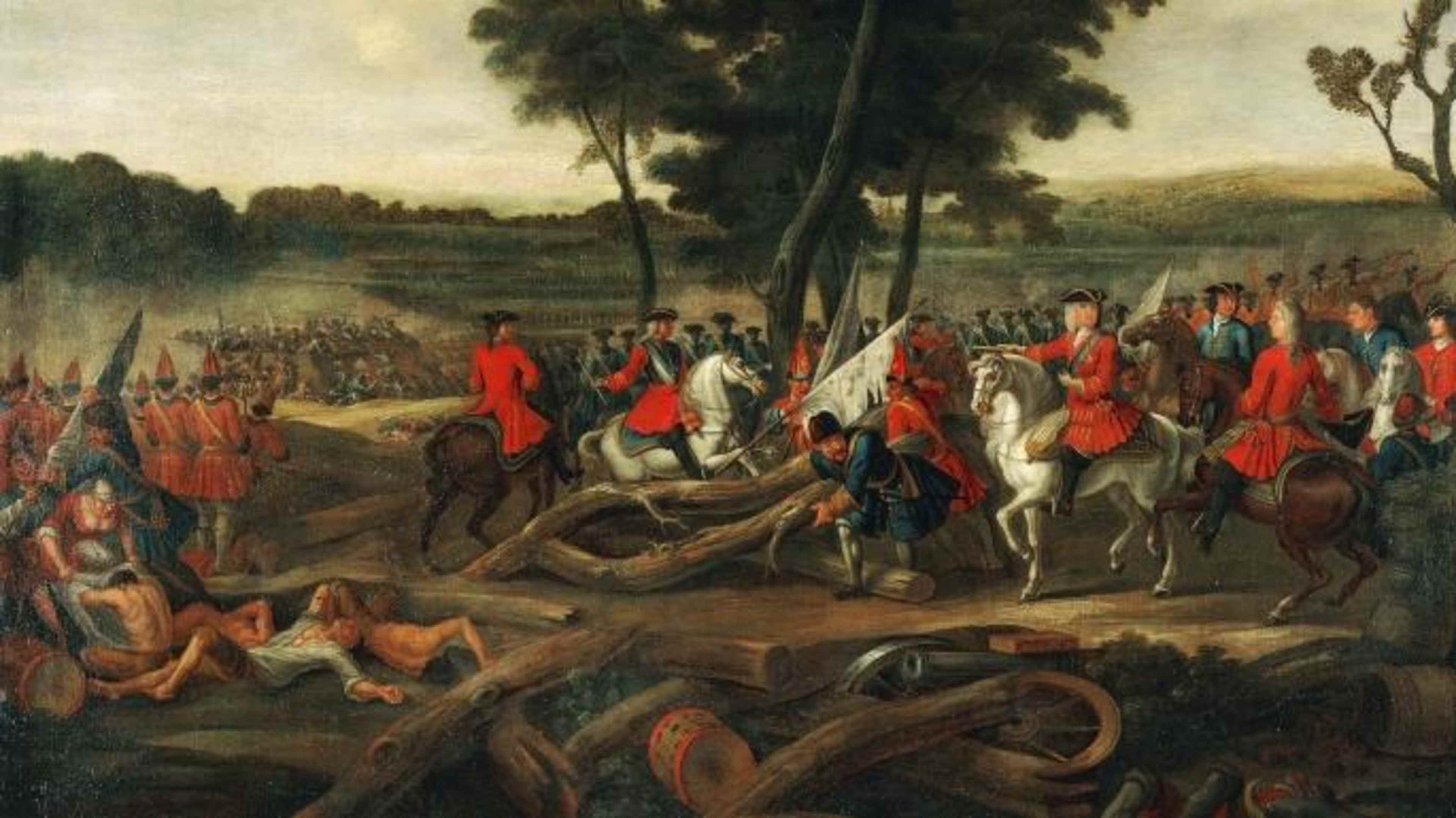
During the War of the Spanish Succession, the struggle over who would inherit the Spanish throne reached a gruesome climax on September 11, 1709, at the Battle of Malplaquet. A Grand Alliance of roughly 100,000 Allied soldiers (comprising Dutch, Austrian, Prussian, and British forces) led by John Churchill, the Duke of Marlborough, clashed with a defensive French army of 90,000. Marlborough aimed to smash the French defenses, launching an aggressive assault against deeply fortified entrenchments.
After seven hours of brutal hand-to-hand combat, the Allies managed to capture the French works. However, the victory was hollow. Marlborough’s troops were too physically exhausted to pursue the enemy, allowing the French to execute a disciplined, orderly retreat. The human cost was staggering: the Allies suffered approximately 24,000 casualties compared to France’s 12,000. The French commander, Claude de Villars, famously wrote to King Louis XIV, echoing the ancient words of Pyrrhus: "If it pleases God to give your enemies another such victory, they are ruined." This catastrophic victory fractured the Grand Alliance and eventually led to Marlborough’s political downfall.
The Battle of Bunker Hill (1775): The Moral Victory That Fueled a Revolution
The American Revolutionary War was in its infancy in the summer of 1775. Following the skirmishes at Lexington and Concord, New England militia forces laid siege to British-occupied Boston. On June 17, 1775, the colonial forces fortified Breed’s Hill (though history mistakenly records the battle at nearby Bunker Hill) to preempt a British advance. General William Howe led a superior force of 2,200 professional British Redcoats in a direct frontal assault against the 1,000 entrenched patriots.
Using disciplined musket fire, the Americans repulsed two major British waves. Only when their ammunition supply was completely depleted did the colonists retreat. Even before the iconic trials of starving soldiers at Valley Forge, the early revolutionary spirit was forged in these costly battles. Technically, the British captured the hill, but they did so at the catastrophic cost of over 1,000 casualties—nearly half their attacking force—compared to only 400 casualties for the Americans. The heavy losses forced the British to abandon plans to seize Dorchester Heights and fundamentally altered their cautious strategy for the rest of the war. Patriot leader Nathanael Greene famously observed that he wished the colonists could "sell them another hill at the same price."
Borodino (1812): Napoleon’s Doomed Triumph in the Russian Steppes
In September 1812, Napoleon Bonaparte’s Grande Armée marched deep into Russian territory. Seeking a decisive engagement, Napoleon finally met the Russian Imperial Army, commanded by Mikhail Kutuzov, near the small village of Borodino. On September 7, a brutal, pounding battle erupted, featuring massive artillery barrages and frontal infantry charges. Napoleon deployed 130,000 soldiers against the fortified Russian positions.
By late afternoon, the French captured the primary Russian redoubt, but Napoleon refused to deploy his elite Imperial Guard to deliver the finishing blow. Kutuzov withdrew his battered but intact army. Historically, tactical retreats have often neutralized aggressive conquerors, as explored in the annals of strategic retreats in military history. While Napoleon walked away as the technical victor of Borodino, his army suffered 30,000 casualties, losses that could not be replenished on hostile soil. When the French reached Moscow days later, they found a burning, abandoned city. The Russian winter and persistent guerrilla warfare decimated the remaining force, turning a costly tactical victory into a strategic catastrophe.
The Battle of Chancellorsville (1863): Lee’s Masterpiece and the Loss of Jackson
Widely regarded as Confederate General Robert E. Lee’s tactical masterpiece, the Battle of Chancellorsville (May 1–3, 1863) saw Lee twice divide his heavily outnumbered Army of Northern Virginia to rout Union General Joseph Hooker’s forces. Yet, this remarkable tactical victory carried an astronomical strategic price. The Confederacy suffered over 13,000 casualties, which they lacked the manpower to replace. Crucially, the battle claimed the life of General Thomas "Stonewall" Jackson, who was accidentally shot by his own sentries during the chaotic night fighting and died of complications days later. Lee mourned Jackson as his "right arm." While the Union Army of the Potomac retreated across the Rappahannock River in defeat, it remained largely intact and possessed the industrial capacity and population base to replenish its losses. Just two months later, the two armies clashed again at Gettysburg, where the depletion of Lee’s veteran officers and soldiers proved fatal to the Confederate cause.
Chronological Timeline of Famous Pyrrhic Victories
- 280–279 B.C.: King Pyrrhus of Epirus fights Rome at Heraclea and Asculum, securing costly victories that deplete his army.
- September 11, 1709: The Battle of Malplaquet results in a devastating victory for the Grand Alliance, stalling their advance into France.
- June 17, 1775: The Battle of Bunker Hill proves the military viability of the American patriots while crippling the British officer corps in Boston.
- September 7, 1812: Napoleon wins the bloody Battle of Borodino but fails to destroy the Russian army, setting the stage for his catastrophic retreat from Moscow.
- May 1–3, 1863: Robert E. Lee achieves his greatest tactical victory at Chancellorsville but loses Stonewall Jackson and irreplaceable troops.
Key Historical Figures and Their Roles
- Pyrrhus of Epirus: A brilliant Greek strategist whose inability to sustain his losses against Rome defined the very concept of a Pyrrhic victory.
- John Churchill, Duke of Marlborough: Allied commander at Malplaquet whose aggressive tactics led to massive casualties, fracturing the anti-French coalition.
- William Howe: British general at Bunker Hill whose costly victory taught him a paralyzing lesson about the determination of American militiamen.
- Mikhail Kutuzov: Russian commander whose strategic retreat after Borodino preserved his army and sealed Napoleon’s doom.
- Robert E. Lee: Confederate general whose audacious maneuvers at Chancellorsville won the field but cost him his most capable general and vital troops.
Long-Term Impact on America
The concept of the Pyrrhic victory deeply shaped the course of American history. At Bunker Hill, the heavy losses suffered by the British Redcoats shattered the myth of British military invincibility. It provided the Continental Congress with the political leverage and confidence to continue the war effort. This display of resilience ultimately convinced foreign powers of the colony’s potential, paving the way for the crucial French military alliance that provided the financial and naval support necessary to win American independence.
Similarly, during the Civil War, Chancellorsville illustrated the harsh mathematical reality of attrition. While General Lee’s tactical maneuvers were flawless, the Confederacy’s victory stripped them of their elite officer corps and irreplaceable infantrymen. The battle set a grim precedent: tactical victories could no longer save a depleting Southern rebellion from the overwhelming industrial and demographic resources of the North.
Lesser-Known Facts About These Famous Battles
- The Wrong Hill: The Battle of Bunker Hill was actually fought almost entirely on Breed’s Hill. The colonial militia had been ordered to fortify Bunker Hill but chose the lower, more vulnerable Breed’s Hill by mistake or tactical preference during the dark of night.
- The Fate of Stonewall’s Arm: General Stonewall Jackson’s amputated left arm was given a proper Christian burial in its own separate grave at Ellwood Manor, Virginia, days before Jackson himself died and was buried in Lexington, Virginia.
- The Terrible Elephants: During the Battle of Heraclea, the Roman cavalry horses panicked at the smell and sight of Pyrrhus’s war elephants, throwing the Roman ranks into complete disarray and securing the Greek king’s initial victory.
Why It Still Matters Today
The concept of a Pyrrhic victory remains incredibly relevant in modern times, transcending the battlefield to apply to corporate strategy, legal disputes, and geopolitics. In business, a company might spend millions in legal fees and marketing campaigns to crush a smaller competitor, only to find itself bankrupt or severely weakened in the process. In international relations, modern conflicts often show that military occupation can become a prolonged drain on national treasury and morale, proving that some victories are simply too expensive to keep. Understanding the lessons of Pyrrhus, Marlborough, and Howe serves as a timeless warning: always count the true cost of winning before initiating a conflict.

People Also Ask (FAQ)
What is the literal meaning of a Pyrrhic victory?
A Pyrrhic victory is a victory that is won at such a devastating cost to the victor that it ultimately feels like a defeat, leaving the winning party unable to achieve long-term strategic success.
Why was Bunker Hill considered a Pyrrhic victory for the British?
While the British army successfully captured Breed’s Hill and forced the American militia to retreat, they lost over 1,000 soldiers and officers, which was nearly half of their attacking force. This heavy toll prevented them from launching further immediate offensives in Boston and boosted American morale.
How did Stonewall Jackson die at Chancellorsville?
General Stonewall Jackson was accidentally shot in the arm by Confederate sentries from a North Carolina regiment during a night reconnaissance mission. Although his arm was amputated, he contracted pneumonia and died eight days later.
Conclusion
Ultimately, history teaches us that tactical success on the battlefield is meaningless without a sustainable long-term strategy. The stories of Pyrrhus, Malplaquet, Bunker Hill, Borodino, and Chancellorsville serve as profound reminders of this truth. The true measure of a great leader lies not merely in winning individual clashes, but in preserving the resources, alliances, and moral strength necessary to secure a lasting and meaningful peace.


