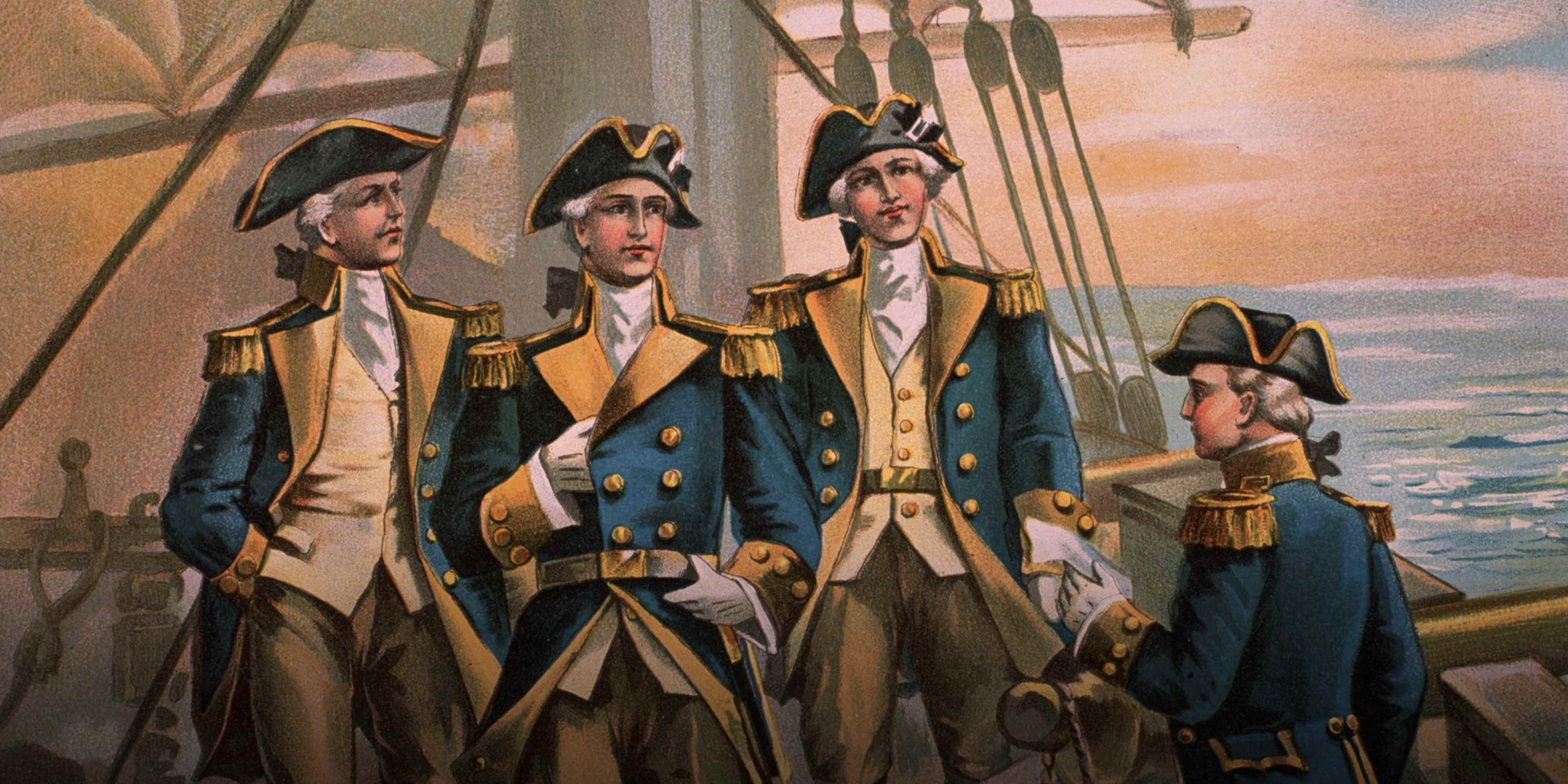
In the frigid winter of 1777, just seven months after the courageous signing of the Declaration of Independence, a silent revolution of a different kind took place below the deck of the American warship USS Warren. While the fledgling nation fought a desperate war against the military might of Great Britain, ten brave sailors and marines made a choice that would permanently alter the course of American jurisprudence. At a time when speaking out against authority was often branded as mutiny or treason, these men drafted a petition documenting the egregious abuses of the Continental Navy’s commander-in-chief, Commodore Esek Hopkins. Their actions did more than unseat a corrupt official; they prompted the Continental Congress to establish the world’s very first whistleblower protection law. This landmark moment in early American history established a profound constitutional and moral precedent: that in a self-governing republic, duty to the truth and the welfare of the nation transcends absolute obedience to powerful figures.
The Historical Background: A Fleet Born in Chaos and Cruelty
To fully understand the weight of this historic stand, one must look at the early days of the American Revolutionary War. When the Second Continental Congress authorized the creation of the Continental Navy in late 1775, they appointed Esek Hopkins as its first commander-in-chief. Hopkins was a highly connected and influential figure. His brother, Stephen Hopkins, was a former governor of Rhode Island, a prominent chief justice, and a signer of the Declaration of Independence. Despite these sterling revolutionary credentials, Commodore Hopkins proved to be a volatile, insubordinate, and thoroughly ineffective leader.
During the early years of the war, as the 13 colonies struggled to build a naval force capable of challenging the Royal Navy, Hopkins repeatedly ignored direct orders from the Marine Committee of the Continental Congress. Instead of defending the Chesapeake Bay, he sailed to Nassau in the Bahamas to plunder British storehouses. While his raid was initially praised, Hopkins systematically mismanaged his fleet, pocketed plunder that belonged to his crew, and left General George Washington without crucial naval support in New York and Boston.
However, the breaking point for his crew aboard the USS Warren was not just financial greed or strategic incompetence; it was a matter of basic human decency. Hopkins had begun torturing captured British prisoners of war, directly violating a congressional mandate that prisoners be treated humanely. He was also known for his explosive temper, frequently cursing the Continental Congress as “a pack of damned fools” and openly mocking the civilian government he was sworn to defend.
Key Events Timeline: The Journey to America’s First Whistleblower Protection Law
The path from a whispered grievance on a warship to a landmark congressional decree is a testament to the perseverance of early American patriots. Here is the chronological progression of this historic episode:
- December 1775: Esek Hopkins is appointed Commander-in-Chief of the newly established Continental Navy.
- February 19, 1777: Ten officers, sailors, and marines gather in secret below the deck of the USS Warren, anchored near Providence, Rhode Island, to sign a petition detailing Hopkins’ abuses.
- March 1777: Marine Captain John Grannis sneaks away from his post to deliver the petition and personal affidavits directly to the Marine Committee of the Continental Congress in Philadelphia.
- March 26, 1777: Impressed by the evidence, the Continental Congress immediately suspends Esek Hopkins from his command.
- January 2, 1778: Following an official investigation, the Continental Congress formally dismisses Hopkins from the Navy.
- Early 1778: Furious and seeking vengeance, Hopkins files a criminal libel suit in Rhode Island against his accusers. Two of the petitioners, Third Lieutenant Richard Marven and Midshipman Samuel Shaw, are arrested and thrown into a Rhode Island jail.
- July 23, 1778: From their prison cells, Marven and Shaw send an urgent petition to the Continental Congress, declaring they were jailed for doing what they believed was “nothing but their duty”.
- July 30, 1778: In a unanimous vote, the Continental Congress passes the first-ever whistleblower protection resolution and agrees to cover the jailed men’s legal expenses.
- 1779: Backed by the legal funding and official documents provided by Congress, Marven and Shaw win their libel suit and are set free.
The Crucial Figures of the 1777 Whistleblower Crisis
Several individuals played pivotal roles in this defining chapter of American history, representing the clash between entrenched political privilege and the emerging democratic ideal of accountability.
Commodore Esek Hopkins
The commander-in-chief of the Continental Navy, Esek Hopkins, was a man of immense power but deficient character. His defiance of civilian authority and brutal treatment of prisoners made him a liability to the American cause. His legacy is one of disgrace, serving as a cautionary tale of how political connections can shield an abusive leader—though only for a time.
Captain John Grannis
John Grannis was the brave Marine captain who took the ultimate risk of “jumping ship” without permission to act as the group’s messenger. Knowing he could be executed for desertion during wartime, Grannis rode on horseback to Philadelphia to hand-deliver the petitions. His compelling testimony before Congress was the catalyst for Hopkins’ suspension.
Samuel Shaw and Richard Marven
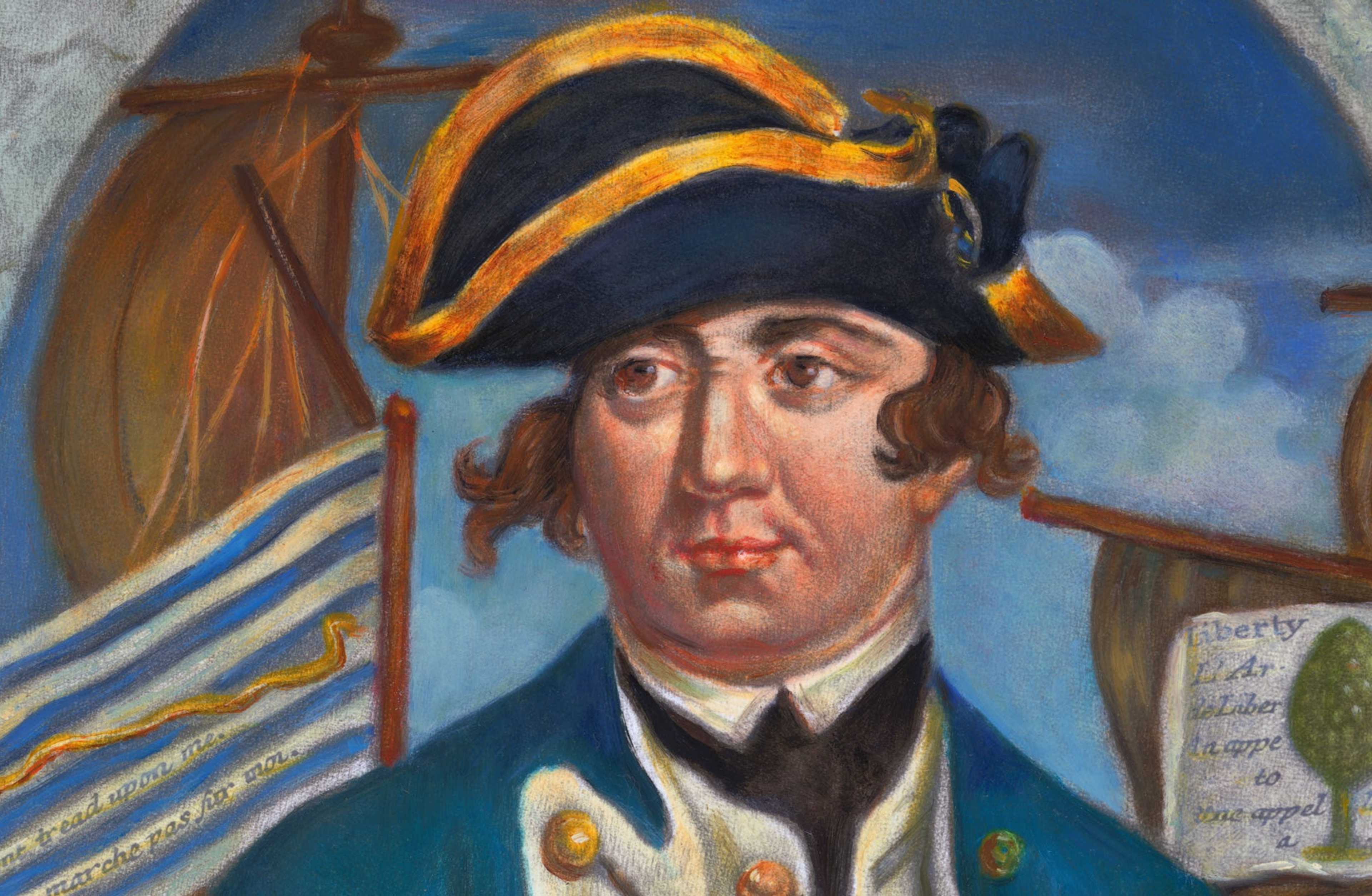
Midshipman Samuel Shaw and Third Lieutenant Richard Marven became the targets of Hopkins’ retributive wrath because they resided in Rhode Island, where Hopkins’ brother held immense sway. By refusing to recant their testimony and appealing to Congress from prison, they forced the young American government to define the legal protections of its citizens and servicemen.
The Causes, Context, and Sociopolitical Undercurrents
The USS Warren incident did not occur in a vacuum. The Revolutionary War was a fight not just against British taxation, but against the entire concept of unchecked monarchical power and aristocratic privilege. However, early America still operated under old-world social norms where wealthy, well-connected men like the Hopkins family held virtually untouchable sway in local politics.
When Samuel Shaw and Richard Marven were jailed, they were facing a legal system heavily influenced by Esek Hopkins’ brother, Stephen Hopkins. The whistleblowers faced high bail and the very real prospect of financial ruin or indefinite imprisonment. The Continental Congress recognized that if they allowed these men to be crushed by a local oligarch, it would send a chilling message to every soldier and citizen: that the new American government was no better than the tyrannical British Crown. Protecting them was essential to proving that the new republic was built on the rule of law, not the rule of status.
Major Turning Points in the Evolution of Whistleblower Protection
The resolution of July 30, 1778, laid the foundation, but the concept of safeguarding truth-tellers continued to evolve alongside the growing American state. There are three key turning points in this historical trajectory:
1. The False Claims Act of 1863 (The Lincoln Law)
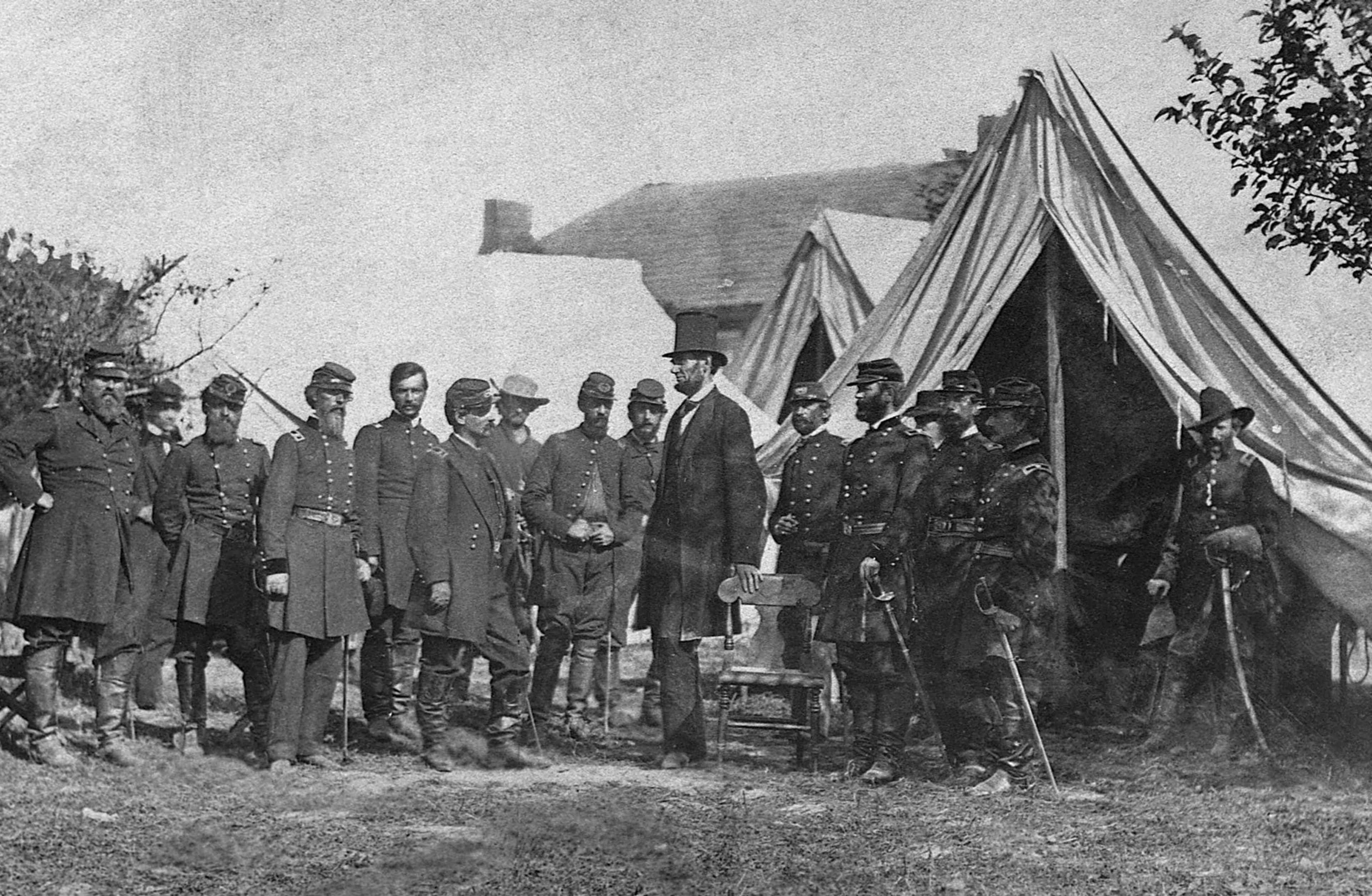
During the American Civil War, the federal government faced rampant corruption from unscrupulous defense contractors who sold the Union Army rotten food, blind mules, and defective weapons. Lacking the regulatory bureaucracy to police these crimes, President Abraham Lincoln championed the False Claims Act of 1863. This revolutionary law, often called the “Lincoln Law,” empowered private citizens to sue fraudulent contractors on behalf of the government, rewarding them with up to 50 percent of the recovered funds. This transformed whistleblowing from a civic duty into a legally incentivized tool for justice.
2. The Whistleblower Protection Act of 1989
As the federal government ballooned in size during the 20th century, the need to protect bureaucratic insiders became critical. Following the lessons of the Watergate scandal and the Vietnam War, Congress passed the Whistleblower Protection Act of 1989. This law formally established legal safeguards for federal employees who disclosed waste, fraud, abuse, or threats to public health and safety, shielding them from demotions, firing, or administrative retaliation.
3. The Whistleblower Protection Enhancement Act of 2012 (WPEA)
To address loopholes that left intelligence officers and national security employees vulnerable, the WPEA of 2012 strengthened existing laws. It extended comprehensive protections to individuals holding security clearances, ensuring that those who blow the whistle on government overreach in the name of national security cannot be quietly neutralized by their agencies.
The Long-Term Impact on the American Legal System
The legacy of the 1778 resolution is deeply woven into the fabric of modern American democracy. It established the principle that public service is a public trust, and that all government employees owe their ultimate allegiance to the Constitution and the citizens, not to their immediate superiors. Today, the False Claims Act remains one of the government’s most potent weapons against corporate greed, recovering billions of dollars annually from fraudulent healthcare providers, defense contractors, and financial institutions.
Lesser-Known Facts and Historical Anecdotes
- Congress Paid the Legal Bills: Even though the Continental Congress was practically bankrupt and struggled to pay for basic army rations, they unanimously voted to spend $1,418 to pay for Marven and Shaw’s defense. It was an extraordinary sum for the era, signaling just how deeply Congress valued the principle of accountability.
- A Chaplain’s Spiritual Grievance: Among the affidavits submitted against Hopkins was one from Chaplain John Reed, who lamented that the Commodore was “remarkably addicted to profane swearing” and set a “most irreligious and impious example” for the young sailors.
- The Precedent for National Whistleblower Day: In honor of the landmark resolution passed on July 30, 1778, the United States Senate officially designates July 30th as National Whistleblower Appreciation Day, ensuring that the legacy of the USS Warren sailors is remembered every year.
Why It Still Matters Today
In our modern era of high-stakes corporate compliance, massive government agencies, and rapid digital communication, whistleblowing is more critical than ever. We have progressed far from the days of simple town criers who served as early America’s primary news network; today’s whistleblowers deal with massive digital leaks, secure servers, and international espionage laws. Yet, the core conflict remains identical to the one faced on the deck of the USS Warren in 1777: the struggle between institutional power and the individual conscience. By honoring those who speak truth to power, America preserves the foundational revolutionary ideal that no leader is above the law, and that honesty is the ultimate safeguard of a free society.
People Also Ask
Who was the first whistleblower in US history?
While ten sailors and marines signed the petition against Esek Hopkins in 1777, Samuel Shaw and Richard Marven are widely recognized as America’s first whistleblowers because they were prosecuted, jailed, and ultimately protected by the newly passed 1778 law.
What was the first whistleblower law in the world?
The first whistleblower protection law was passed unanimously by the U.S. Continental Congress on July 30, 1778, establishing that it is the duty of all persons in the service of the United States to report misconduct, frauds, or misdemeanors to the proper authorities.
Why was Esek Hopkins dismissed?
Esek Hopkins was dismissed as Commander-in-Chief of the Continental Navy due to political insubordination, incompetence, failure to engage the enemy, withholding prize money from his crew, and the cruel, inhumane treatment of British prisoners of war.
Conclusion: The Eternal Legacy of Truth-Telling
The story of the USS Warren reminds us that the American experiment was built not on blind loyalty to powerful individuals, but on a collective commitment to ethical governance and the rule of law. When ten humble sailors risked everything to call out their commander, they tested the moral integrity of a newborn nation. By choosing to support these whistleblowers rather than silence them, the Founding Fathers declared that the voice of truth is essential to the health of a republic. That noble ideal continues to guide and protect the courageous men and women who speak up for justice today.


