The American Revolutionary War is traditionally remembered as a clash of muskets, tactical maneuvers, and political philosophies. However, behind the grand battles of Lexington, Concord, and Yorktown lay a silent, microscopic adversary that threatened to extinguish the spark of American independence before it could truly ignite: the smallpox virus. When General George Washington took command of the newly formed Continental Army in 1775, he realized that he was fighting a war on two fronts—one against the formidable British military, and another against a devastating disease that could easily obliterate his ranks. To save the rebellion, Washington enacted a daring, highly controversial public health initiative: the first state-funded mass immunization campaign in American history. By ordering a crude and risky procedure known as variolation, Washington made a clinical gamble that ultimately outmaneuvered his human adversaries and reshaped the biological landscape of early America.
Historical Background: A Dual Threat to Independence
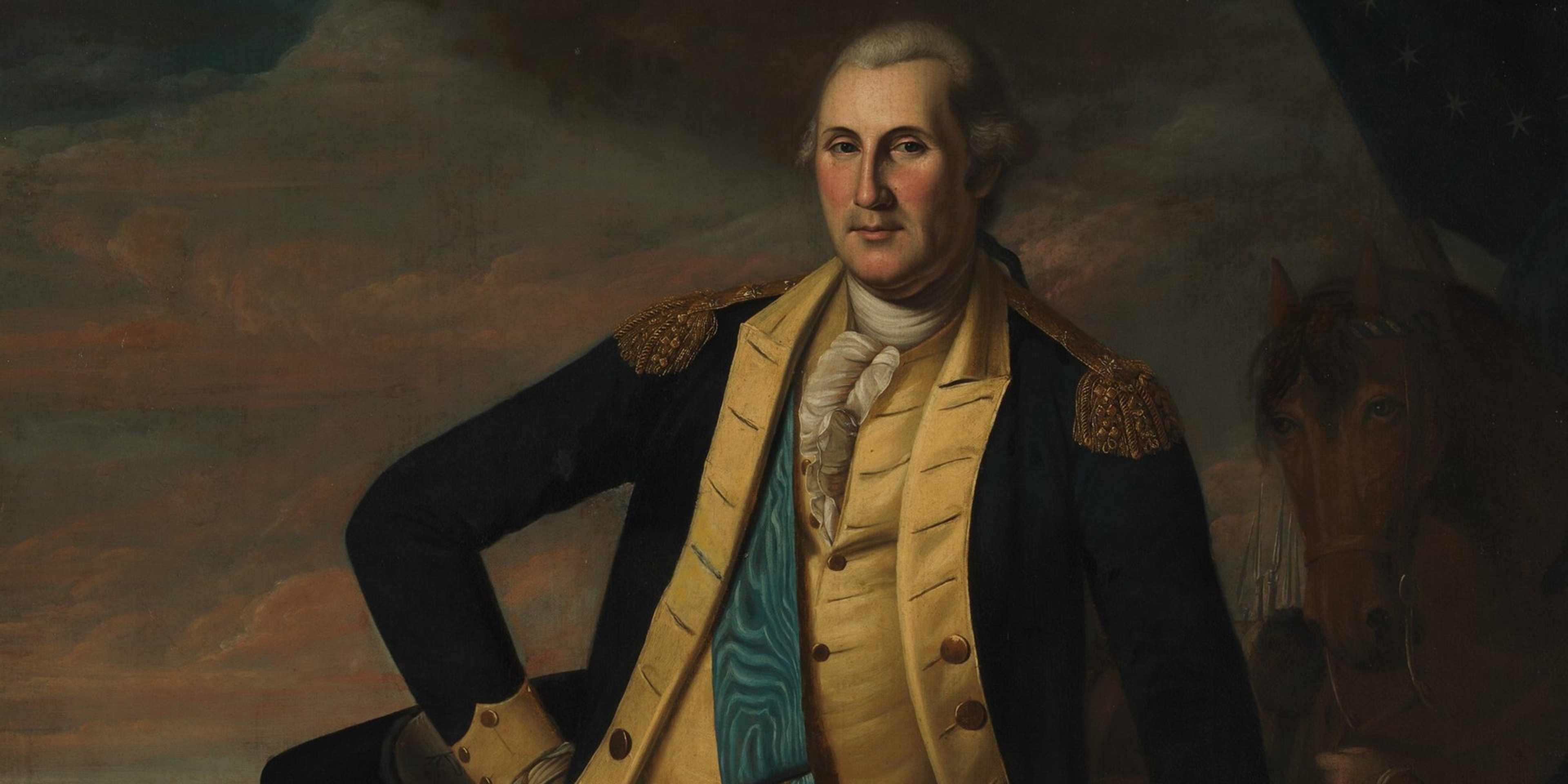
When the American Revolution erupted in 1775, the colonies were ill-prepared for a protracted war. This vulnerability was compounded by the arrival of General George Washington at Cambridge, Massachusetts. In July of that year, when Washington officially took command—a transition that raises the question of who commanded the Continental Army before Washington—he inherited a disorganized force of provincial militias. These soldiers possessed immense passion but zero immunity to the Old World diseases that thrived in crowded military camps.
The biological disparity between the opposing forces was stark and terrifying. Smallpox (variola major) was endemic in Great Britain and continental Europe. This meant that the vast majority of British soldiers had already been exposed to the virus in childhood, leaving the survivors with lifelong immunity. In contrast, the isolated population of the American colonies, particularly in rural New England and the South, had rarely encountered the pathogen. Historians estimate that only about 20 to 25 percent of American recruits had previous immunity. For the remaining majority, exposure to smallpox was a potential death sentence or, at the very least, a ticket to complete physical incapacitation.
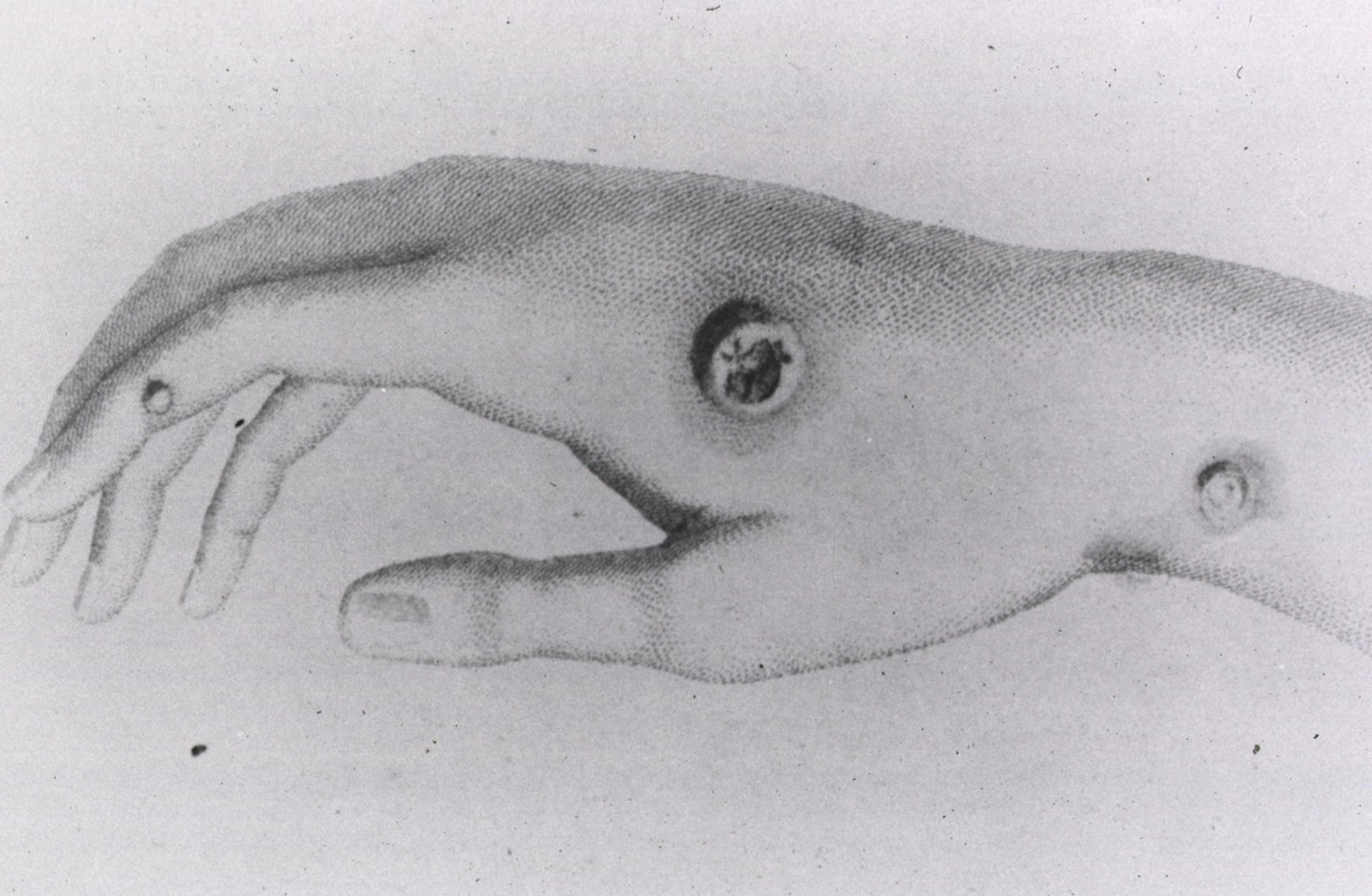
Washington understood the horrors of the disease because he had lived through them. In 1751, at the age of 19, George Washington traveled to Barbados with his tuberculosis-stricken older brother, Lawrence. During their stay at a plantation house known as Bush Hill, Washington contracted smallpox. He was bedridden for nearly a month, enduring high fevers, painful body aches, and the agonizing, pus-filled eruptions characteristic of the illness. Though he survived with minor facial scarring, this early brush with death granted him lifetime immunity—and an acute, firsthand understanding of the physical devastation the virus could inflict upon an army.
Causes and Context: The Crude Science of Variolation
In the late 18th century, modern immunology did not exist. Edward Jenner would not discover the much safer cowpox-based vaccination until 1796. The only tool available to prevent natural smallpox infection was a primitive, high-risk procedure called variolation (or inoculation). Unlike modern vaccines, which use weakened or dead pathogens, variolation involved directly infecting a healthy person with live, active smallpox virus.
To perform the procedure, a medical practitioner would make a small incision in the patient’s skin and insert a thread laced with fresh, infectious pus taken from the active pustules of a smallpox victim. The goal was to induce a controlled, localized infection. In most cases, patients who contracted smallpox through the skin experienced a much milder form of the disease than those who inhaled the virus naturally. However, the risks were astronomical. The mortality rate hovered around 5% to 10% of those variolated. Furthermore, for the month-long recovery period, inoculated individuals were fully contagious, meaning a single careless patient could spark a devastating community-wide epidemic. Finally, inoculated soldiers were completely unfit for duty for up to four weeks, leaving military units vulnerable to sudden enemy attacks. Because of these extreme dangers, many colonial governments had banned variolation altogether, viewing it as a public hazard rather than a medical cure.
Key Events Timeline of the Revolutionary Epidemic
To comprehend how this biological crisis unfolded alongside the military campaign, we can trace the key developments chronologically:

- 1751: Nineteen-year-old George Washington survives smallpox in Barbados, securing lifetime immunity.
- July 1775: Washington assumes command of the Continental Army during the Siege of Boston. He immediately establishes strict quarantine protocols at Fresh-water Pond and Brookline to isolate infected soldiers and civilians.
- December 31, 1775: The Battle of Quebec ends in a disastrous defeat for the Americans. The defeat is heavily exacerbated by a smallpox outbreak that decimates the Continental forces, forcing a grueling and disease-ridden retreat through upstate New York.
- July 4, 1776: The Declaration of Independence is adopted. Meanwhile, Congressional leaders like John Adams express profound anxiety over the unchecked spread of smallpox among the troops.
- February 5, 1777: Recognizing that quarantines are failing, Washington writes a historic letter to John Hancock, President of the Continental Congress, ordering the compulsory inoculation of all active soldiers and incoming recruits.
- Winter 1777–1778: Despite freezing conditions, severe shortages, and administrative chaos, Washington executes a second massive round of secret inoculations at Valley Forge.
- Spring 1778: The Continental Army emerges from winter quarters biologically secure, boasting a high rate of immunity that prevents further catastrophic outbreaks for the remainder of the war.
Major Turning Points: From Quebec to Morristown
The turning point in Washington’s thinking occurred during the disastrous Canadian campaign of late 1775. The American attempt to capture Quebec was crippled not by British bayonets, but by the relentless spread of smallpox. At Île aux Noix, near Lake Champlain, retreating American soldiers died in horrific conditions, covered in maggots, lice, and confluent pustules. The military failure in Canada demonstrated that strict quarantine measures were insufficient to control the pathogen in a mobile, active army.
By the winter of 1777, Washington’s forces were stationed in Morristown, New Jersey. Realizing that the virus was spreading rapidly through every quarter, Washington made a bold decision. On February 5, 1777, he officially ordered Dr. William Shippen Jr. to begin the systematic inoculation of the entire army. This medical operation had to be executed with the utmost confidentiality. Much like how George Washington used spies to win the American Revolution, tactical deception was vital. If the British forces realized that thousands of American soldiers were simultaneously incapacitated by inoculation fevers, they could have easily marched in and obliterated the rebel army. Therefore, the inoculations were conducted in small, isolated batches at secret clinics, disguised as routine troop movements.
The Crucible of Valley Forge
The ultimate test of this immunization strategy occurred during the infamous winter at Valley Forge, Pennsylvania, in 1777–1778. The soldiers stationed there were already suffering from extreme deprivation, a situation that has immortalized the starving soldiers at Valley Forge in national memory. Lacking adequate clothing, footwear, and food, these troops were now ordered to undergo variolation.
Upon discovering that nearly 4,000 soldiers had still not had smallpox, Washington ordered immediate, mass inoculations in January 1778. Despite the brutal cold and starvation, the medical staff successfully managed the campaign. The gamble paid off spectacularly. By the arrival of spring, the army was not only reorganized and trained under Baron von Steuben, but it was also biologically resilient. The threat of smallpox, which had haunted the military since 1775, was effectively neutralized, allowing the Continental Army to focus entirely on combat operations.
Lesser-Known Facts and Surprising Anecdotes
The history of the smallpox campaign is filled with fascinating, often overlooked details that highlight the desperation and ingenuity of the era:
- Rumors of British Biological Warfare: American leadership suspected the British of deliberately weaponizing smallpox. During the Siege of Boston, reports emerged that the British military was deliberately releasing recently variolated civilians and runaway slaves into American lines to trigger an outbreak. While definitive proof of a high-level British conspiracy remains elusive, British officers under Jeffery Amherst had famously discussed using smallpox-infested blankets against Native Americans during Pontiac’s Rebellion in 1763, making the suspicion highly plausible to Washington’s staff.
- The Cost of Survival: The physical toll of variolation was intense. Inoculated soldiers had to be isolated in specialized hospitals, placed on strict low-protein diets, and monitored closely. Despite the risks, the mortality rate among the military inoculatees was kept remarkably low, often under 1%, a testament to the structured care provided by early American military surgeons.
Long-Term Impact on America and Why It Matters Today
George Washington’s decision to mandate smallpox inoculations was the first massive, state-funded immunization campaign in American history. It demonstrated a profound understanding of herd immunity long before the term was officially coined. By proactively protecting his troops, Washington didn’t just win a military victory; he set a powerful precedent for the intersection of public health, national security, and government intervention.
Today, this historical episode remains highly relevant. It serves as a classic case study in leadership under pressure, illustrating how scientific pragmatism can overcome deep-seated fears and logistical nightmares. In modern debates surrounding public health mandates, vaccination programs, and epidemic management, Washington’s actions at Valley Forge and Morristown offer historical evidence that safeguarding the health of the collective is often the single most critical factor in securing a nation’s future survival.
People Also Ask (FAQ)
Did George Washington invent the smallpox vaccine?
No, George Washington did not invent the vaccine. Washington utilized a crude method called variolation, which involved exposing individuals to active smallpox pus to trigger a mild infection. The actual, safer smallpox vaccine—utilizing the milder cowpox virus—was developed by English physician Edward Jenner in 1796, years after the Revolutionary War ended.
How deadly was smallpox during the American Revolution?
Smallpox was highly lethal, with a natural mortality rate ranging from 15% to 30% or higher among populations with no prior immunity. During the Revolutionary War, it killed more soldiers than actual combat, devastating early military campaigns such as the American invasion of Canada in 1775.
Why did Washington keep the inoculation program a secret?
Washington kept the inoculation program secret because the process of variolation rendered soldiers sick and bedridden for several weeks. If the British military had discovered that large segments of the Continental Army were temporarily incapacitated, they could have easily launched a decisive attack to end the American rebellion.
Conclusion: A Silent Victory
In the final analysis, the American victory in the Revolutionary War was not solely the result of brilliant battlefield tactics or foreign alliances. It was also achieved through a silent, clinical victory over a devastating pathogen. By choosing to inoculate his forces during the darkest days of the conflict, George Washington protected his army from biological collapse. His willingness to embrace scientific pragmatism, despite immense administrative hurdles and personal doubts, remains one of his greatest—and most enduring—contributions to the birth of the United States.


