In the chilly autumn of 1777, the fate of the nascent United States of America hung by a thread. Having declared independence only a year prior, the continental rebels found themselves severely outmatched by the professional military might of the British Empire. George Washington’s forces had suffered devastating defeats in Pennsylvania, and the British had successfully captured the revolutionary capital of Philadelphia. In the midst of this dark hour, a grand British strategy aimed to sever the rebellious colonies in two by controlling the Hudson River. This plan culminated in the dramatic battles in upstate New York, forever known as the Battle of Saratoga. This pivotal clash did not just stop a British invasion; it fundamentally transformed the American Revolutionary War from a localized, desperate rebellion into a sprawling global conflict. The surrender of an entire British army at Saratoga sent shockwaves across the Atlantic, convincing foreign powers that the American experiment was not only noble, but winnable.
The Grand Strategy and Historical Background
To understand the significance of Saratoga, one must examine the geopolitical chessboard of 1777. The British Ministry, led by Lord George Germain, approved a sophisticated, three-pronged offensive designed to isolate New England—the hotbed of the rebellion. General John Burgoyne was to lead a force of 8,000 men southward from Canada via Lake Champlain and the Hudson River. Simultaneously, Lieutenant Colonel Barry St. Leger would march east from Lake Ontario through the Mohawk Valley. Finally, General William Howe was expected to advance north from New York City. The three forces were to converge at Albany, effectively slicing the colonies in two. However, the plan fell apart due to poor communication, British arrogance, and Howe’s sudden decision to capture Philadelphia instead of marching north. This left Burgoyne isolated in the dense, hostile forests of upstate New York, facing a rapidly mobilizing American militia.
The Crucial Timeline of the Saratoga Campaign
The campaign unfolded over several intense months, marked by brutal wilderness combat and deteriorating British logistics. Here is how the turning point of the American Revolution was reached:
- July 5-6, 1777 – The Fall of Fort Ticonderoga: Burgoyne successfully captures this strategic stronghold, causing panic among the American leadership but stretching his own supply lines.
- August 16, 1777 – Battle of Bennington: A detachment of Burgoyne’s army is decimated by American militia under John Stark, stripping Burgoyne of crucial supplies and Native American allies.
- September 19, 1777 – Battle of Freeman’s Farm: The first major engagement at Saratoga. Though the British technically hold the field, they suffer double the casualties of the Americans.
- October 7, 1777 – Battle of Bemis Heights: The decisive clash. American forces, inspired by daring leadership, shatter the British lines and force a retreat.
- October 17, 1777 – The Surrender at Saratoga: Burgoyne, surrounded and running out of food, formally surrenders his remaining army of nearly 6,000 troops.
The Catalysts: Causes and Context
The Saratoga campaign was shaped by profound logistical challenges and tactical miscalculations. The British army, accustomed to the open, manicured battlefields of Europe, struggled immensely to navigate the dense American wilderness. Burgoyne’s massive baggage train, which included extensive personal luxuries, slowed his advance to a crawl, allowing American forces ample time to fell trees, destroy bridges, and harass his flanks. Furthermore, the brutal murder of a young loyalist woman named Jane McCrea by Native American warriors allied with the British served as a powerful propaganda tool. It galvanized local New York and New England settlers, turning neutral farmers into furious, armed militiamen determined to protect their homes and families.
Key Figures of the Conflict
Several larger-than-life characters shaped the outcome of the Battle of Saratoga, leaving a lasting impact on American history:
- General John Burgoyne: A charismatic, albeit overconfident, British general known as “Gentleman Johnny.” His rigid adherence to his master plan and failure to adapt to wilderness warfare doomed his campaign.
- General Horatio Gates: The cautious commander of the Northern Department of the Continental Army. While Gates took credit for the victory, his defensive strategy was often at odds with more aggressive officers.
- General Benedict Arnold: The true tactical hero of Saratoga. Despite being stripped of his command by Gates after a heated argument, Arnold galloped onto the battlefield at Bemis Heights, rallying the troops and leading the assault that broke the British lines. His severe leg wound during this charge would contribute to his long-term physical and emotional pain, laying the groundwork for his eventual treachery.
- Colonel Daniel Morgan: Leader of the legendary provisional rifle corps. His sharpshooters, armed with highly accurate Pennsylvania longrifles, targeted British officers and scouts, dismantling the British chain of command.
Major Turning Points on the Battlefield
The campaign came down to two major engagements. At the Battle of Freeman’s Farm, Burgoyne attempted to outflank the American fortifications on Bemis Heights. Daniel Morgan’s riflemen harassed the British advance, inflicting severe casualties. Though Burgoyne held the field, his army was bleeding out. Weeks later, at Bemis Heights, Burgoyne launched a desperate reconnaissance-in-force. Gates wanted to remain behind his defensive breastworks, but Arnold recognized that a passive defense would allow the British to retreat or find a weak spot. Disobeying direct orders, Arnold rode into the fray, leading a fierce assault on the Breymann Redoubt. This bold action captured a key defensive position, forcing the British to retreat to Saratoga, where they were quickly surrounded.
The Global Alliance and Long-Term Impact
The surrender at Saratoga was the catalyst that changed the entire trajectory of the Revolutionary War. Prior to Saratoga, France had secretly provided financial aid but hesitated to enter an open alliance, fearing the rebellion would fold. This monumental victory convinced King Louis XVI that the American cause was viable, paving the way for the Treaty of Alliance and highlighting the five ways the French helped win the American Revolution, which transformed a regional uprising into a global conflict. Shortly after, Spain and the Dutch Republic joined the fray against Great Britain, forcing the British military to divert resources away from America to defend their global empire. While the Northern Department celebrated this monumental triumph, General George Washington and his men faced a grueling, testing winter, living as starving soldiers at Valley Forge while trying to maintain the revolutionary spark.
Lesser-Known Facts and Surprising Anecdotes
History is full of hidden details, and the Battle of Saratoga is no exception:
- The Tribute to a Traitor’s Leg: At the Saratoga National Historical Park stands the “Boot Monument.” It is a unique tribute to Benedict Arnold’s heroic leg wound suffered during the Battle of Bemis Heights. Notably, the monument does not mention Arnold’s name, honoring his bravery while ignoring the man who later became America’s most infamous traitor. This serves as a stark reminder of how his legacy shifted, leading many to examine why did Benedict Arnold betray America.
- Burgoyne’s Luxurious Baggage: General Burgoyne did not travel light. His massive baggage train required over 30 carts just to carry his personal wardrobe, fine wines, champagne, and gourmet food. This luxurious lifestyle severely slowed his army’s march through the swampy wilderness, ultimately contributing to his defeat.
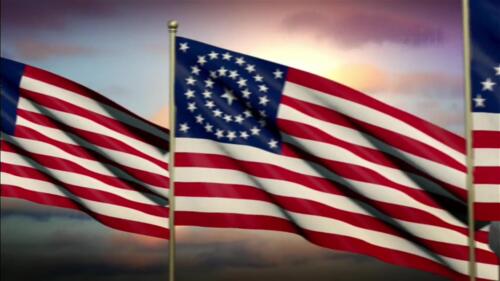
- The First Appearance of the Stars and Stripes: According to legend, a crude version of the newly designed American flag was raised at Fort Stanwix during the Saratoga campaign, made from pieces of a soldier’s white shirt, a captain’s blue cloak, and a woman’s red petticoat.
Why the Battle of Saratoga Matters Today
Today, Saratoga stands as a timeless lesson in the power of strategic alliances, grassroots mobilization, and the impact of individual leadership. It demonstrates that raw determination, combined with an understanding of one’s local geography, can overcome seemingly insurmountable odds. The democratic institutions we enjoy today are a direct result of the global alliances forged in the wake of Saratoga.
People Also Ask
Why is the Battle of Saratoga called the turning point of the American Revolution?
It is the turning point because it resulted in the surrender of an entire British army and directly convinced France to enter the war as an American ally, shifting the global balance of power.
Who were the main generals at the Battle of Saratoga?
The American forces were commanded by Horatio Gates and Benedict Arnold, while the British forces were led by General John Burgoyne.
What was the British strategy during the Saratoga campaign?
The British planned to cut off New England from the rest of the colonies by sending three armies to converge at Albany, New York, though the plan failed due to lack of coordination.
Conclusion
The Battle of Saratoga was more than a military victory; it was the birth of American credibility on the world stage. By turning the tide of the war, the brave soldiers who stood their ground in upstate New York ensured that the promise of the Declaration of Independence would not be a short-lived dream, but a lasting reality.


