The American Revolutionary War (1775–1783) was far more than a localized tax revolt or a simple colonial insurrection. In the grand tapestry of human history, it acted as a monumental geopolitical earthquake that shattered long-standing imperial paradigms and fundamentally rewrote the rules of global governance. By proving that a coalition of colonial territories could successfully challenge, defeat, and break away from the world’s most formidable military empire, the birth of the United States sent shockwaves across the Atlantic Ocean. This victory did not merely establish a new nation; it served as a living, breathing proof of concept for the radical ideals of the European Enlightenment. Ideas of liberty, popular sovereignty, individual rights, and the social contract were no longer confined to the dusty pages of political philosophy. They became active, revolutionary blueprints that inspired oppressed peoples, ambitious reformers, and enslaved populations across Europe and the Americas, igniting a tumultuous era that historians proudly call the Age of Revolution.
Historical Background and the Catalysts of Rebellion
To understand the global shockwaves of the American Revolution, one must first examine the sociopolitical landscape of the late eighteenth century. For over a century, the British colonies in North America had operated under a policy of salutary neglect, enjoying a high degree of local autonomy. These thirteen colonies, which had spent decades developing unique regional cultures and local governance structures as detailed in these 13 facts about the 13 colonies history, suddenly faced a dramatic shift in imperial policy following the Seven Years’ War in 1763. Burdened by massive war debt, the British Parliament sought to assert greater control and extract revenue through a series of controversial levies, including the Stamp Act, the Townshend Acts, and the notorious Tea Act. The colonists, fiercely protective of their traditional rights as Englishmen, rallied behind the cry of “no taxation without representation,” sparking a decade of escalating protests, boycotts, and violent clashes.
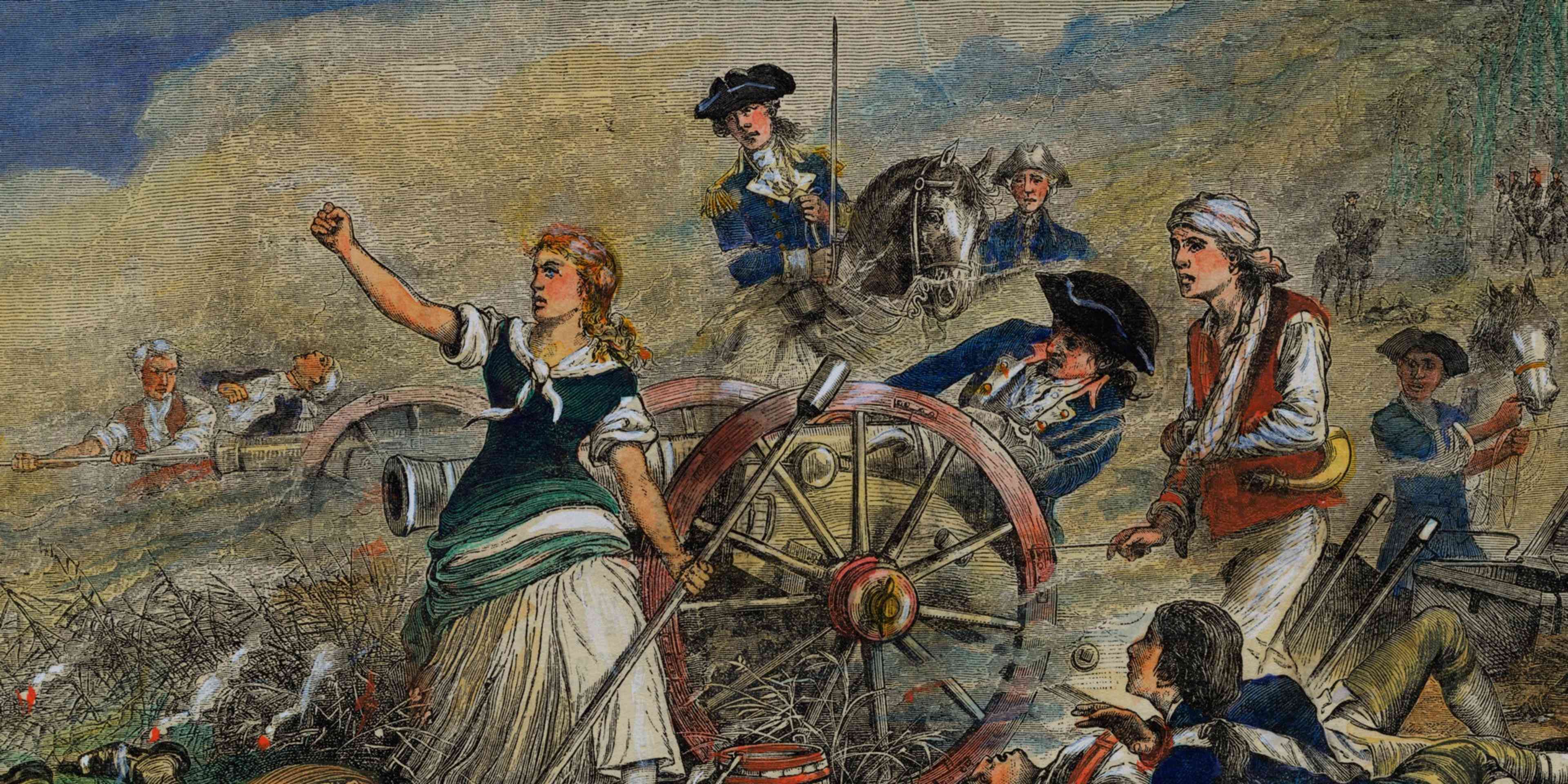
By 1775, these ideological tensions erupted into open military conflict at Lexington and Concord. The colonists faced an uphill battle against a professional, well-funded British war machine. In the early stages of the war, organizing a cohesive resistance was a monumental task, which was a far cry from the disjointed provincial militias that characterized early colonial defenses. To understand the complex military structures before George Washington took the reins, historians often look at who commanded the Continental Army before Washington, showing a fascinating transitional phase in military organization. Ultimately, the adoption of the Declaration of Independence in 1776 elevated a regional rebellion into a philosophical crusade for universal human liberty, transforming the American struggle into a beacon of hope for reform-minded individuals worldwide.
Key Events and the Global Revolutionary Timeline
The success of the American patriots set off a domino effect, inspiring a succession of dramatic political transformations across the globe. Below is a chronological breakdown of how this revolutionary fervor swept through the Atlantic World:
- 1775–1783: The American Revolutionary War – The thirteen colonies successfully rebel against Great Britain, culminating in the Treaty of Paris in 1783, which officially recognized American independence.
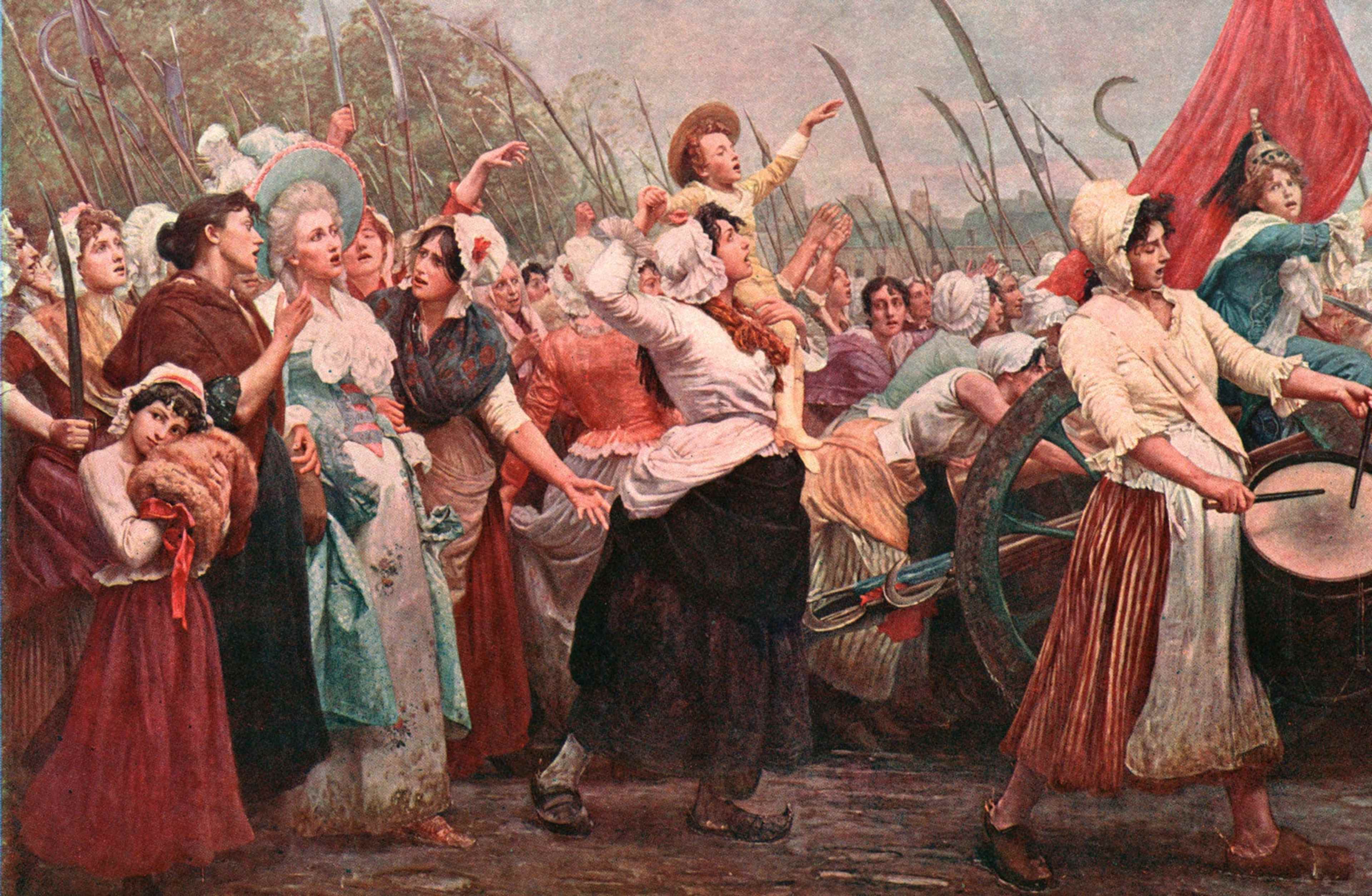
- 1789: The Outbreak of the French Revolution – Driven by economic ruin from funding the American war and inspired by republican ideals, French citizens storm the Bastille and draft the Declaration of the Rights of Man and of the Citizen.
- 1791: The Haitian Revolution Begins – Inspired by the rhetoric of the French Revolution, enslaved Black populations in the wealthy French colony of Saint-Domingue rise up against colonial masters, initiating the most successful slave rebellion in human history.
- 1791: The Formation of the Society of United Irishmen – Irish nationalists, captivated by both American and French democratic triumphs, organize to demand parliamentary reform and independence from British rule.
- 1798: The Irish Rebellion – The United Irishmen launch a major armed uprising against Great Britain, which is ultimately suppressed with brutal force, leading to the Act of Union in 1801.
- 1804: Haitian Independence – Haiti officially declares itself a sovereign republic, becoming the first nation in the world founded by formerly enslaved people.
- 1808–1826: Spanish American Wars of Independence – Across Central and South America, leaders like Simón Bolívar and José de San Martín lead campaigns to liberate Venezuela, Colombia, Ecuador, Peru, Argentina, and Chile from Spanish colonial rule.
Important Figures and Their Transatlantic Impact
The Age of Revolution was defined by visionary leaders whose actions and ideas transcended national borders. Among the most influential were:
- Thomas Jefferson: As the primary author of the American Declaration of Independence, Jefferson penned the immortal words that “all men are created equal.” His philosophical contributions became a universal manifesto for self-determination, directly influencing French, Haitian, and Latin American revolutionaries.
- The Marquis de Lafayette: Known as the “Hero of the Two Worlds,” this French aristocrat volunteered to fight alongside George Washington. Lafayette returned to France as a passionate advocate for republican principles, helping draft the French Declaration of the Rights of Man with assistance from Jefferson himself.
- Toussaint Louverture: A brilliant military general and former slave, Louverture became the leader of the Haitian Revolution. He weaponized the French revolutionary rhetoric of liberty and equality, applying it to the system of slavery and forcing the global powers of Europe to confront the hypocrisy of their democratic ideals.
- Simón Bolívar: Known as “The Liberator,” Bolívar was deeply influenced by the American and French revolutions. He envisioned a unified South America free from Spanish colonial control, referencing the American federal model during his struggles to establish independent republics.
Key Turning Points: Bankrupting Empires and Shifting Alliances
The most significant turning point connecting the American Revolution to global uprisings was the strategic involvement of European powers. Under King Louis XVI, France sought to avenge its losses in the Seven Years’ War by providing critical financial, naval, and military support to the American Continental Army. While this alliance proved decisive in securing American victory at Yorktown, it had disastrous domestic consequences for France. The astronomical cost of financing the American war pushed the French treasury to the brink of bankruptcy. This economic crisis, combined with devastating harvests and deep-seated social inequality, forced Louis XVI to convene the Estates-General in 1789, a political move that spiraled out of his control and ignited the French Revolution.
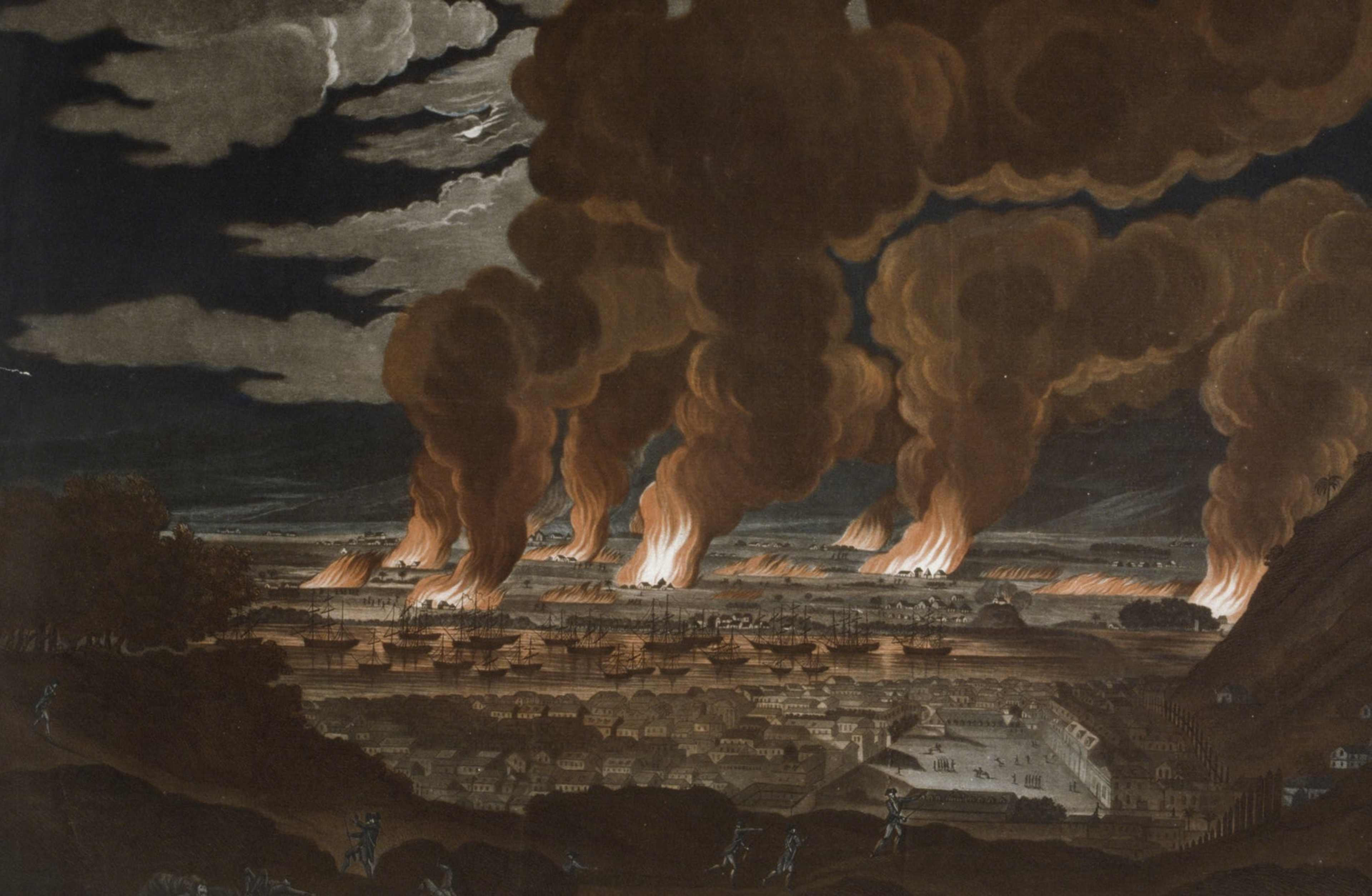
In turn, the instability of the French government during its own revolution created a power vacuum in its Caribbean colonies. In Saint-Domingue, the world’s most lucrative sugar colony, wealthy white planters, free people of color, and enslaved Africans all interpreted the French “Declaration of the Rights of Man” differently. This friction culminated in the massive 1791 slave rebellion. The resulting Haitian Revolution became a terrifying turning point for slaveholding empires, demonstrating that the fight for human liberty could not easily be contained or restricted to white elites.
Lesser-Known Historical Facts about the Age of Revolution
While the broader strokes of these revolutions are well-documented, several fascinating anecdotes highlight the deeply interconnected nature of these historical events:
- The Haitian Veterans of Savannah: During the American Revolutionary War, a unit of over 500 free Black soldiers from Saint-Domingue, known as the Chasseurs-Volontaires de Saint-Domingue, fought alongside French forces at the Siege of Savannah in 1779. Many of these veterans, including future Haitian king Henri Christophe, returned home with military experience that proved invaluable during the Haitian Revolution.
- The French “Radical Chic”: In the mid-1780s, high-society French aristocrats at Versailles became obsessed with the concept of American republicanism. It was considered fashionable to praise Benjamin Franklin, host American-themed salons, and celebrate the overthrow of monarchical tyranny. Ironically, many of the very aristocrats who indulged in this “radical chic” would lose their heads to the guillotine just a decade later when those same republican ideals took root in France.
- America’s Slow Recognition of Haiti: Despite their shared revolutionary origin stories, the United States refused to recognize Haitian independence for nearly sixty years. Fearing that a successful, self-governing Black republic would inspire rebellions among enslaved people in the American South, successive US administrations ignored Haiti’s statehood. The United States did not officially recognize Haiti until 1862, during the American Civil War.
Long-Term Impact on America and the World
The legacy of the American Revolution is complex, characterized by both magnificent ideological triumphs and tragic internal contradictions. For the United States, the war cemented a political system rooted in constitutional democracy and the rule of law. The theoretical framework of the new republic did not emerge in a vacuum; it drew heavily on deep-seated democratic experiments, including how early agreements like the how the Mayflower Compact laid a foundation for democracy in the New World. However, the decision by early American leaders to protect the institution of chattel slavery created a profound moral paradox that would plague the nation for generations, eventually leading to the catastrophic American Civil War.
On a global scale, the American Revolution dismantled the absolute moral and practical authority of European monarchies. It proved that colonial mercantile empires could be successfully challenged and dismantled, setting a precedent that would be repeated during the decolonization movements of the nineteenth and twentieth centuries. The constitutional principles established in America served as a prototype for modern representative democracies, establishing the premise that governments derive their just powers from the consent of the governed.
Why the Age of Revolution Still Matters Today
The struggles of the Age of Revolution are not dusty relics of the past; they are actively debated in modern geopolitical discussions. The core tension of that era—the conflict between absolute power and individual liberty—continues to define modern human rights movements, civil rights struggles, and fights against authoritarian regimes. Furthermore, understanding the limitations and blind spots of the early revolutions helps contemporary societies navigate ongoing issues of systemic inequality, racial justice, and economic disparity. By studying how the American Revolution sparked a global chain reaction, we gain a deeper appreciation for the fragile, ongoing process of building truly inclusive democracies.
People Also Ask
How did the American Revolution influence the French Revolution?
The American Revolution influenced the French Revolution in two primary ways: ideologically and financially. Ideologically, French intellectuals were deeply inspired by American democratic documents like the Declaration of Independence. Financially, France’s military and financial support for the American colonists bankrupted the French treasury, triggering the severe economic crisis that forced King Louis XVI to convene the Estates-General, leading directly to the revolution of 1789.
Why was the Haitian Revolution different from the American and French Revolutions?
While the American and French Revolutions primarily sought to overthrow monarchical governments and secure political liberties for free, wealthy citizens, the Haitian Revolution was a radical, bottom-up movement that demanded both national independence and the absolute abolition of slavery. It resulted in the creation of the world’s first free state ruled by formerly enslaved people.
What is meant by the “Age of Revolution”?
The “Age of Revolution” is a term used by historians to describe the period from roughly 1774 to 1848, during which a series of significant revolutionary movements swept through Europe and the Americas, transforming societies from monarchies and colonial dependencies into constitutional states and republics.
Conclusion: The Ever-Echoing Shot Heard ‘Round the World
The “shot heard ’round the world” fired at Concord in 1775 truly reverberated across oceans, reshaping the political geography of the globe. The American Revolution was the opening act of a historical drama that redefined the relationship between governments and their citizens. As the ideas of liberty, equality, and self-determination traveled from the shores of North America to the streets of Paris, the plantations of Haiti, and the mountain ranges of South America, they underwent profound transformations, growing more radical and inclusive with each iteration. Today, the legacy of that revolutionary era remains an active, incomplete journey, urging modern societies to continue the vital work of expanding and protecting human freedom for all.


